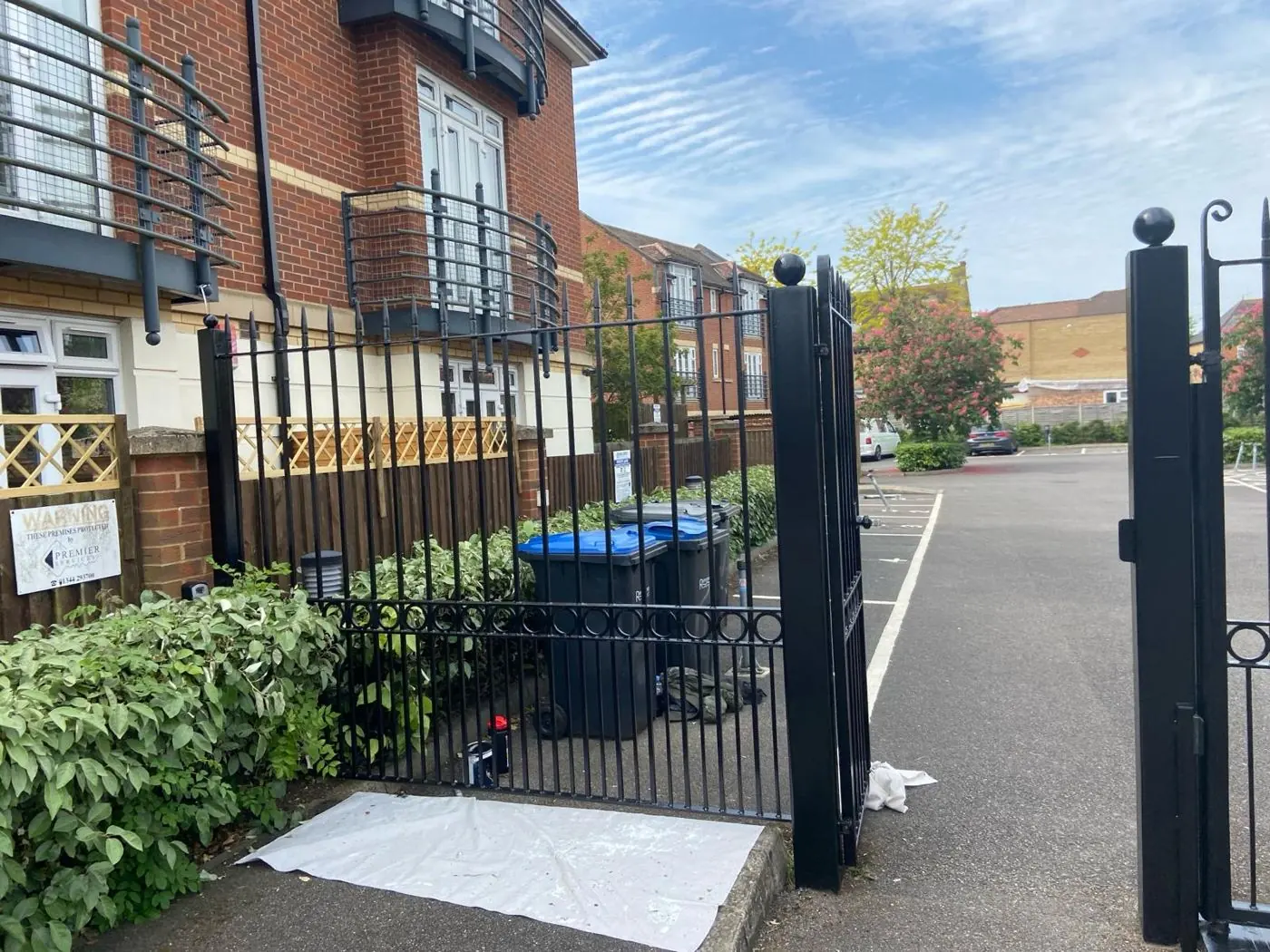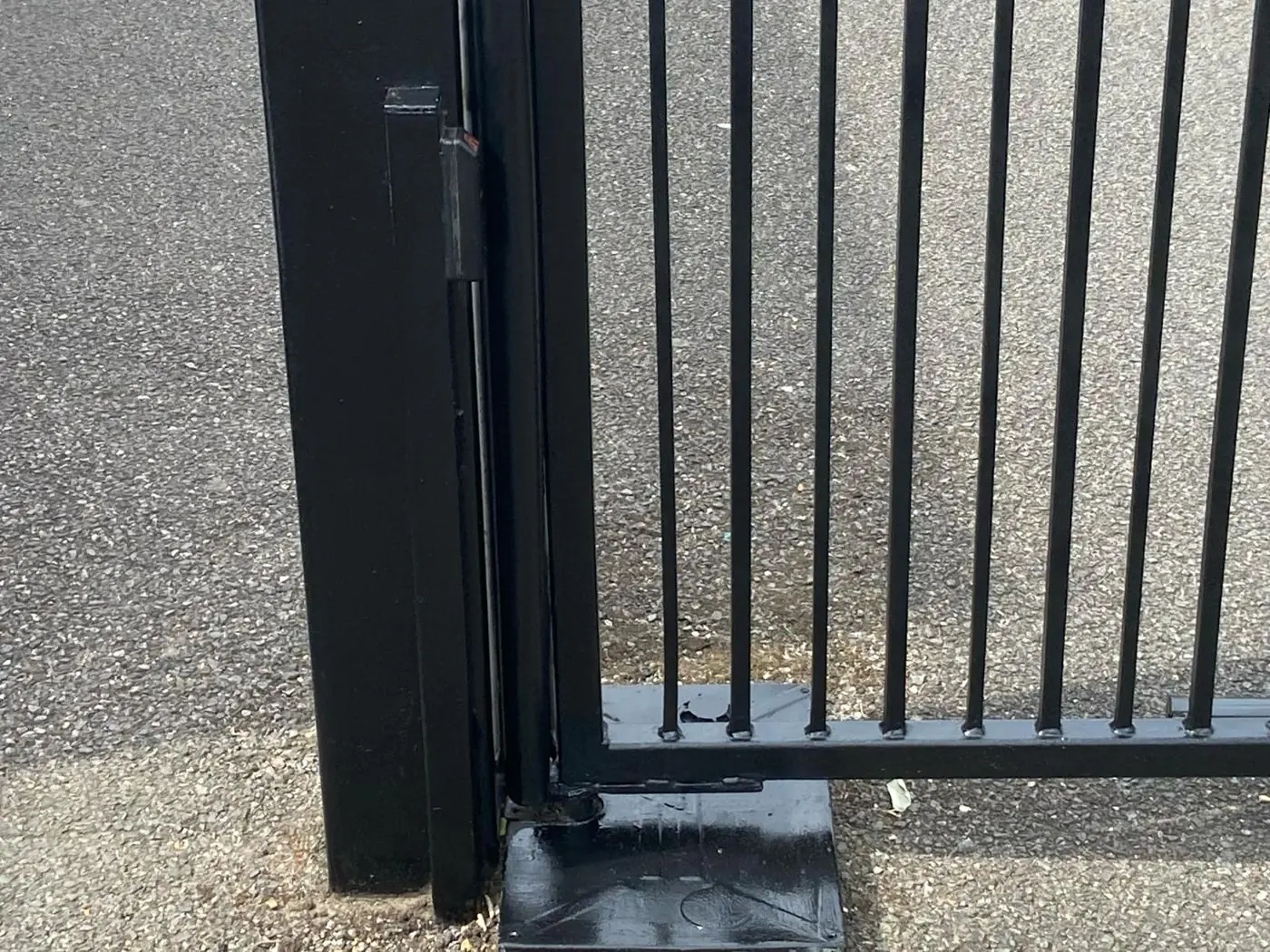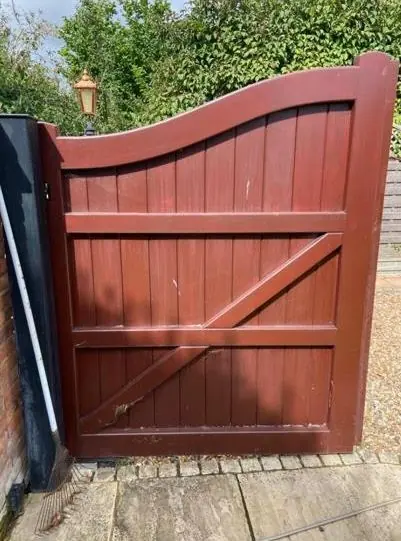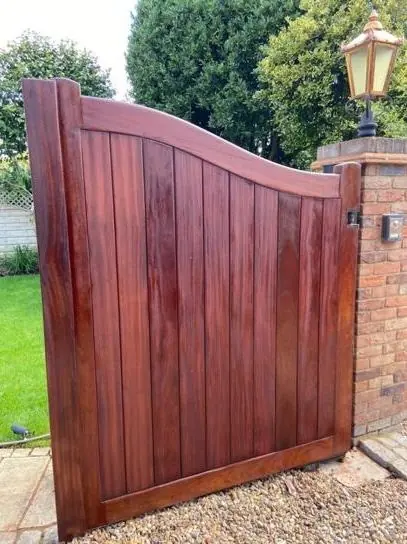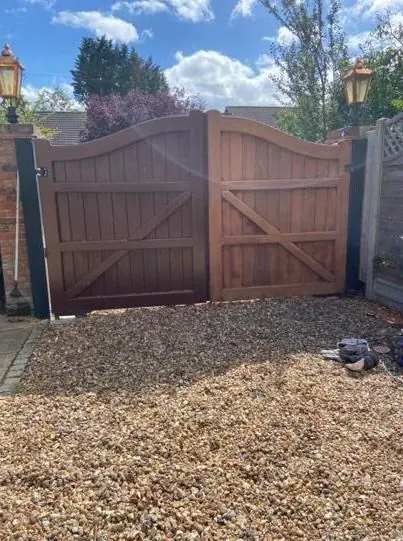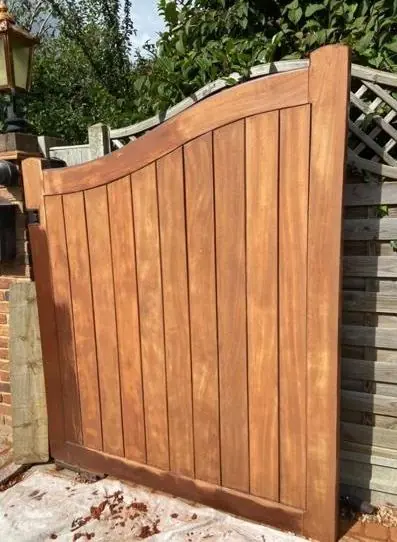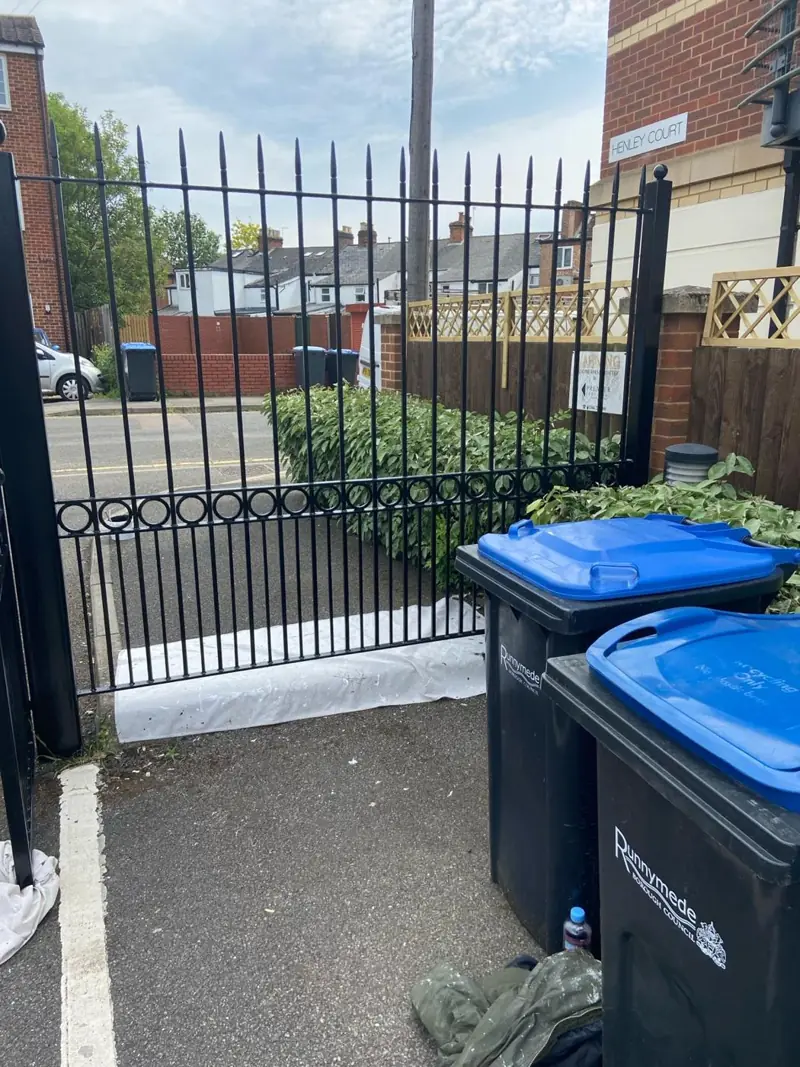
We paint metal gates, railings and handrails in Overstone, a village about 5 miles north-east of Northampton. Rust is taken back to sound metal before priming, and where ironwork could be part of one of the parish's Grade II listed structures, consent is checked first.
Estate ironwork and listed structures
Much of Overstone parish was once the Overstone Park estate, and that shows in its boundaries. The garden terraces, balustrades, steps and gate at Overstone Hall are listed separately from the house itself, and the Pytchley Gates at Round Spinney are also Grade II. There are 18 listed buildings and structures in the parish in all, and estate-style railings appear around the village. Old ironwork like this is usually wrought or cast iron, under many layers of earlier paint.
For ironwork that is listed, or fixed to a listed building, a new colour, taking old coatings back to bare metal or replacing missing parts may all require listed building consent from West Northamptonshire Council. We do not assume. Dean asks whether the item is listed, and if it is, the like-for-like route, or a conversation with the council, comes before any quote.
Damp from the park speeds up rust
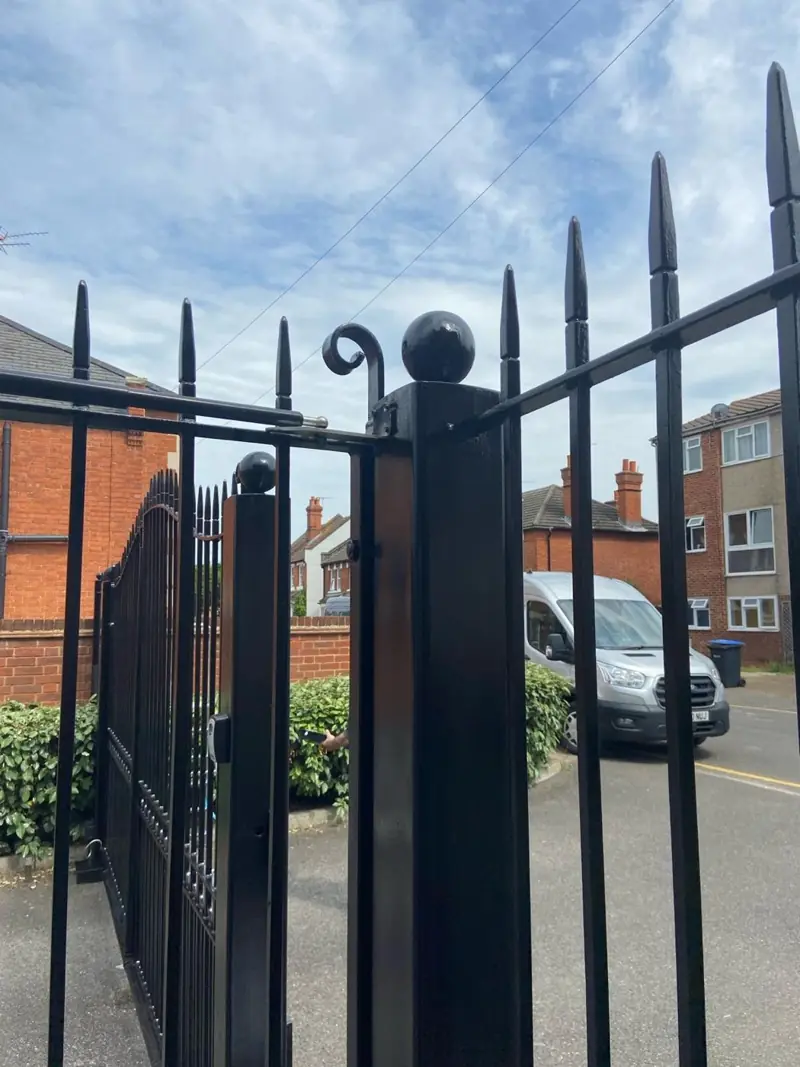
A gate in open sun dries within an hour of rain. In Overstone a lot of metalwork sits in the shade of parkland, golf-course and spinney trees, and near the water of Pike Pond and Upper Pond. Leaf litter collects at the bottom rail and hinge pins, sap and algae coat the bars, and the metal stays wet. Rust starts where the coating is thinnest, usually at joints, collars, the feet of railings and the underside of top rails, and then creeps under sound paint.
That means more preparation than on an exposed gate in an open street. We clear debris from the base and hinges, wash off algae and sap, and let the metal dry fully before any wire brush goes near it. We also look at where the metal meets stone or the ground. Railings leaded into a stone plinth, or gate posts set in a wall, rust at the point where water sits, and expanding rust there can crack the stone. Those joints get extra attention and, where needed, a repair is flagged before painting.
How we take old iron back to a sound base
- Test for lead. Old ironwork often carries lead paint, so we test it and use wet or dust-free methods where it is found.
- Remove loose rust and flaking paint by hand wire-brushing and scraping, taking extra care on brittle cast iron so it is not cracked.
- Keep sound old layers where they are firmly bonded, and feather the edges so they do not show through.
- Prime bare metal the same day with a rust-inhibiting metal primer, before damp air can start new corrosion.
- Build up the finish with an undercoat and a top coat suited to exterior metal, working into joints and the backs of bars.
Hinges and latches are freed and lightly greased once the paint has cured, so the gate is not painted shut.
Gates, rails and railings on homes and premises
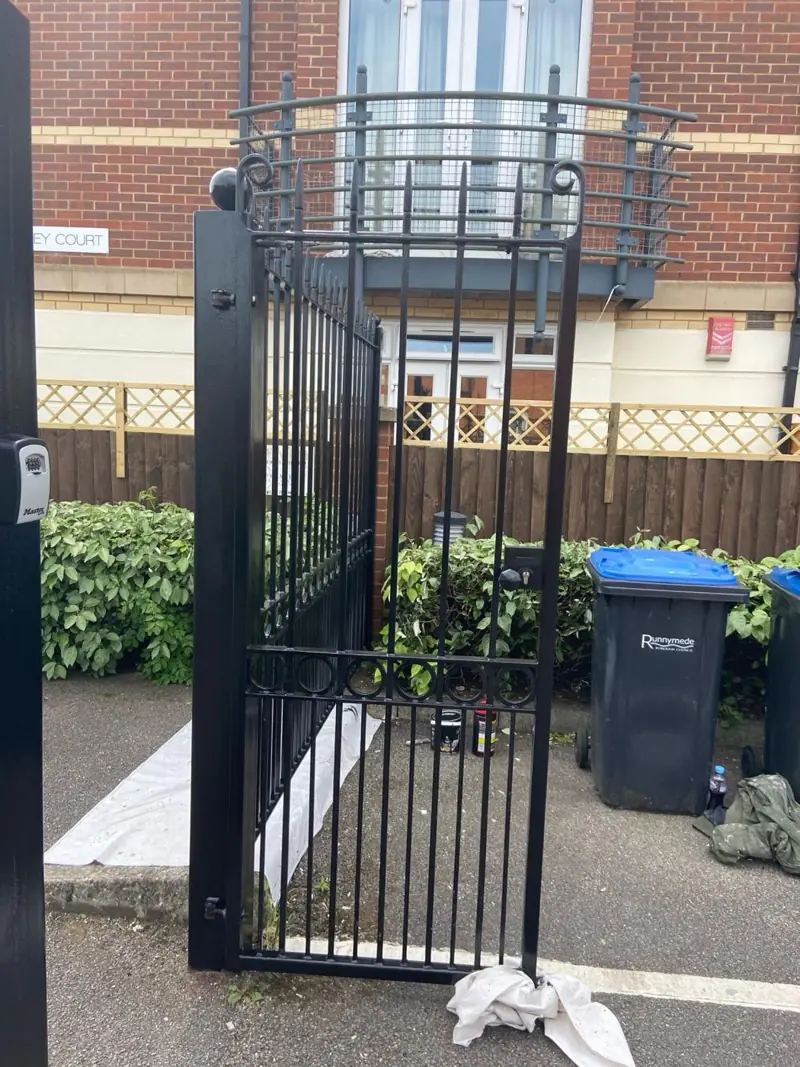
Not all the metalwork here is historic. Houses off Woodland Avenue and in the lakeside streets may have fabricated steel gates, garden railings or handrails, and these can be galvanised. Galvanised steel needs a primer made for it, or ordinary paint will peel. Around the lakes, the shop, cafes, restaurant and the Overstone Manor pub may have handrails and gates where customers walk past, so we plan the work around opening hours with wet-paint signs in place. Larger sites such as the golf club or cricket club ground would come under our commercial painting work.
More on identifying the metal and choosing primers is on our main metal gate and railing painting page. See our Overstone page for everything else we cover in the village.
Last updated by Dean, DH Painter & Decorator.