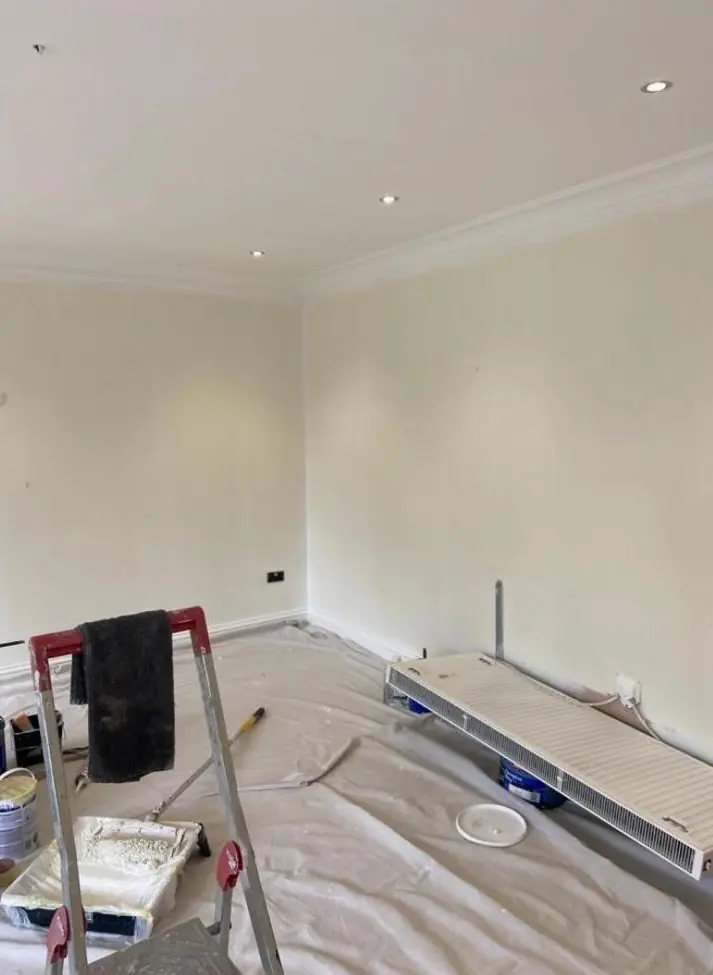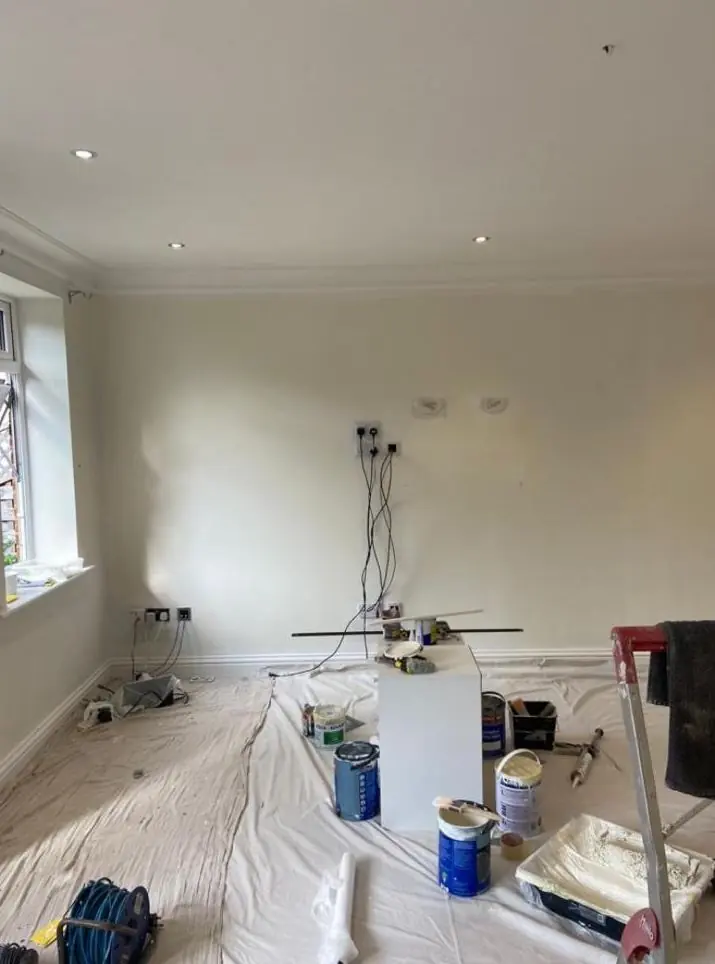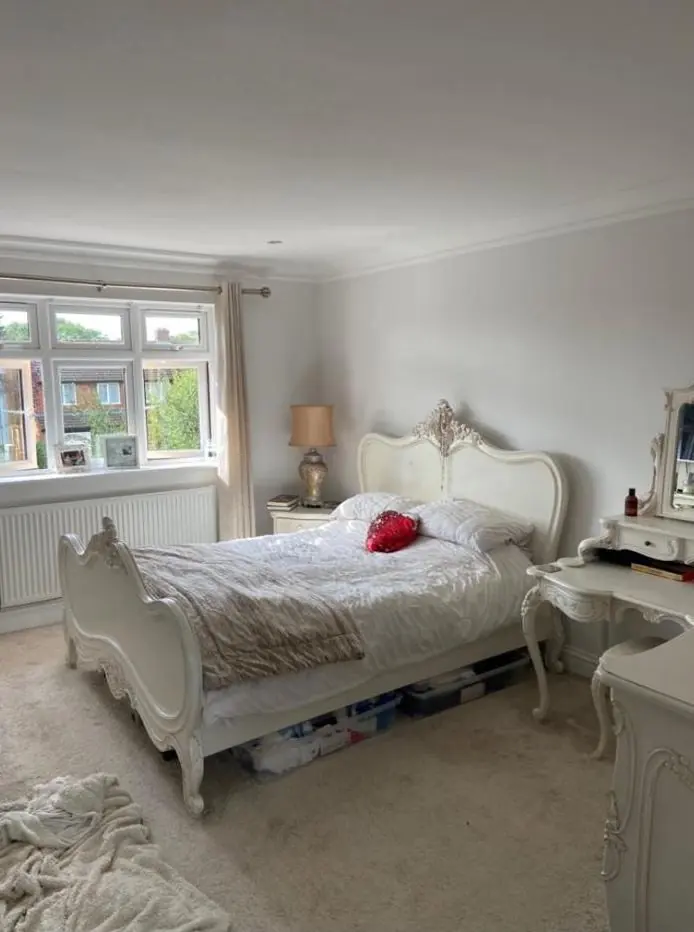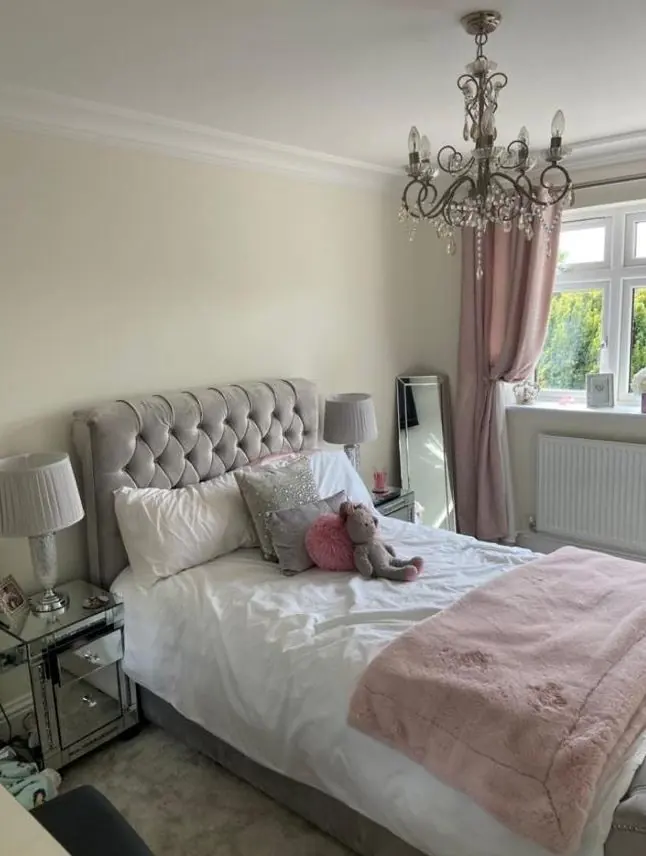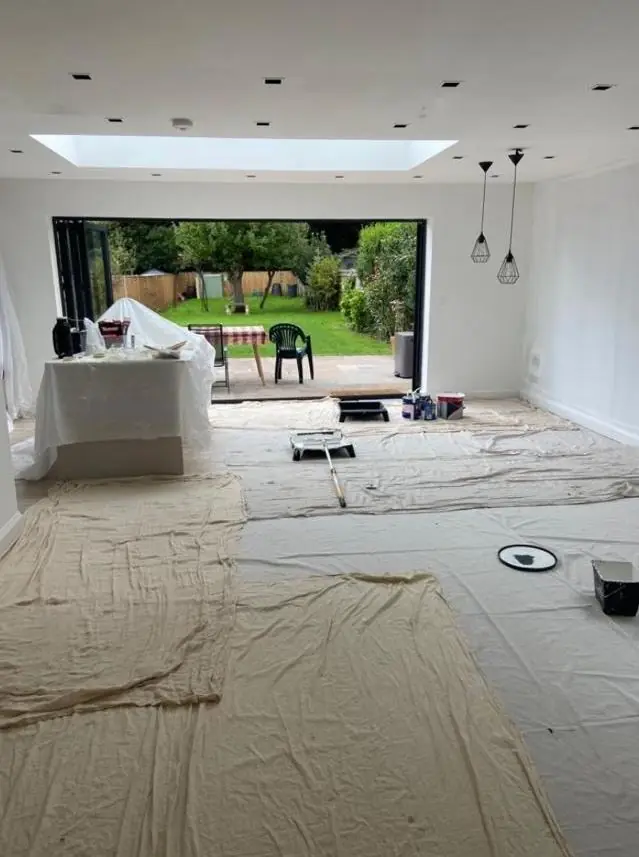
Dean decorates rented homes in Rectory Farm, NN3, about 4.2 miles north-east of Northampton town centre, for private landlords, letting agents and housing providers. Rented homes are concentrated in the northern 1970s streets, and the usual need is a quick, hard-wearing repaint between tenancies.
Renting varies a lot from one part of the estate to the next
Census 2021 shows how unevenly rented homes are spread across Rectory Farm. The three census areas that cover the estate look quite different:
| Area | Owner-occupied | Social rented | Private rented | Shared ownership |
|---|---|---|---|---|
| Northern 1970s streets (Olden Road, Crowthorp Road, Ermine Road) | 39.6% | 35.5% | 15.2% | 9.7% |
| Lowlands Close and the east end of Collyweston Road | not given | 15.7% | 24.9% | not given |
| 1980s closes off Deansway | 89.8% | not given | 7.9% | not given |
For a landlord, that tells you where rented homes cluster. Lets in the north are mainly 1970s end and mid terraces. The area around Lowlands Close has the highest private-rented share on the estate, about one home in four. In the detached closes off Deansway, lets are uncommon, at 7.9% of homes.
What a typical Rectory Farm let needs between tenants
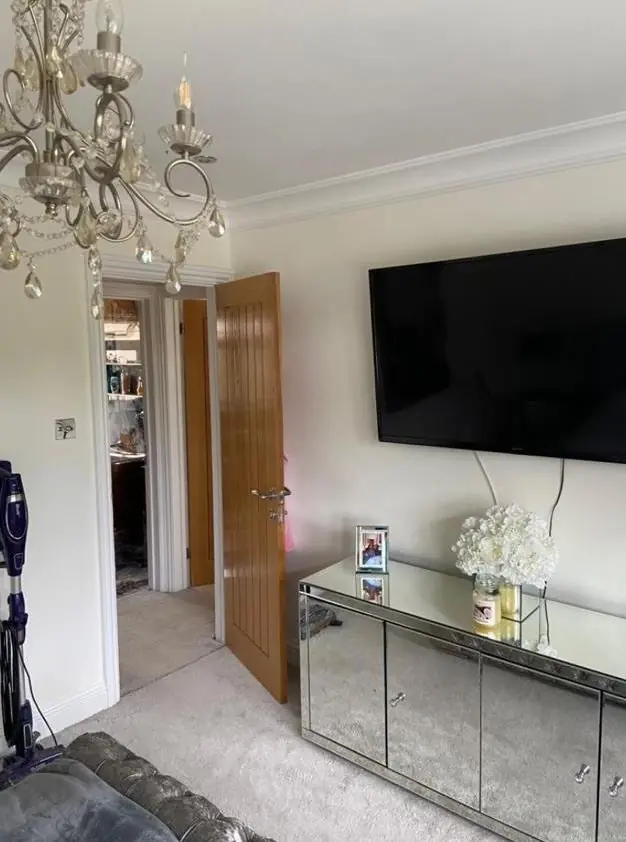
A Rightmove listing for a two-bed house to let on Winnington Close describes it as being in Rectory Farm, and two-bed houses of that kind are typical of the private lets on the estate. A small house can be done in one continuous visit, which is the quickest way to bring a void back to market. A usual schedule:
- Fill picture-hook holes and furniture dents, and sand flush.
- Wash down kitchen and hall walls, and stain-block any marks before painting.
- Apply one scrubbable neutral throughout, recorded on the job sheet so the next touch-up matches.
- Repaint doors, frames and skirtings in water-based satin, which does not yellow between lets.
Some 1970s terraces on Mortar Pit Road and Collyweston Road have external walls with little or no cavity insulation. In those houses, bathroom and back-bedroom corners on the outside walls are where check-out reports are likely to note mould. Painting over it only hides the problem until the next inspection. We treat the mould and use an anti-mould system, and we tell you if ventilation should be improved, which is the landlord’s decision. More about schedules of work and reporting back to agents is on our main landlord and letting agent decorating page.
Housing providers and shared owners
With more than a third of the northern homes social rented and nearly one in ten in shared ownership, the decorating responsibility for a house is not always clear. A housing provider normally handles its own void standard. A shared owner is usually responsible for internal decoration and may need the provider’s consent for exterior colours, such as a front door. If you are a shared owner redecorating for the first time, check the lease before choosing exterior colours. Inside, you are usually free to choose. We can quote against a provider’s written void specification if you send it with the enquiry.
Getting in and out without the keys sitting idle
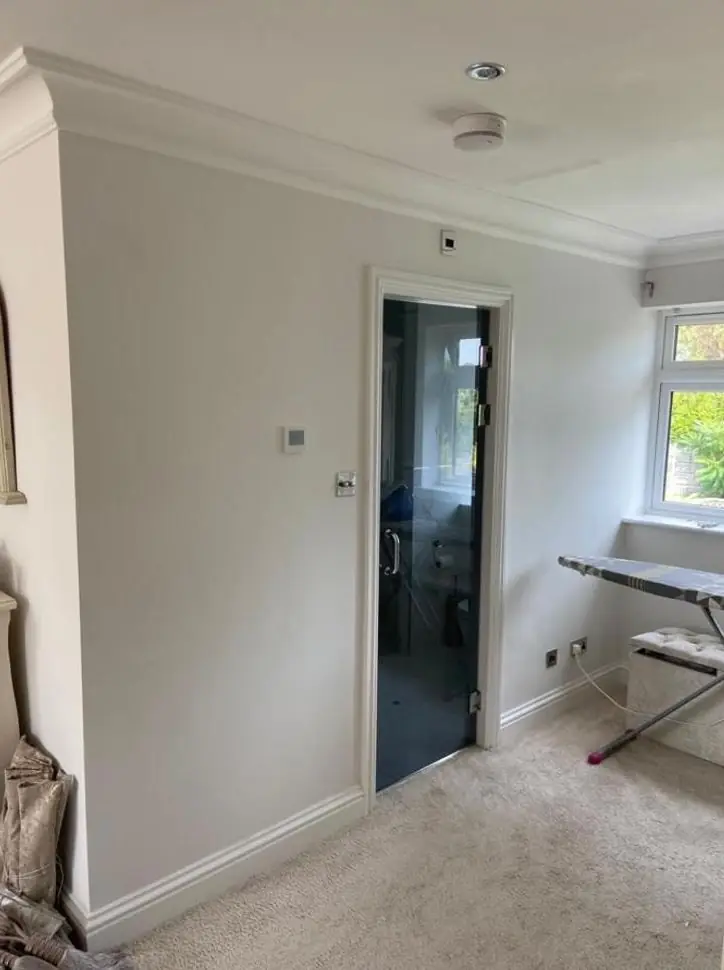
Some lets in the terraced courts open onto footpath walks, with parking in a shared bay some distance away. Materials and dust sheets are carried in, so we plan the timing with the agent to make good use of each key collection. For an empty house, we can collect and return keys at the agency and send photos of each room when finished so the inventory clerk has a record.
The estate’s other housing areas and services are covered on our Rectory Farm area page, and for budgeting see the painter and decorator cost guide.
Last updated by Dean, DH Painter & Decorator.