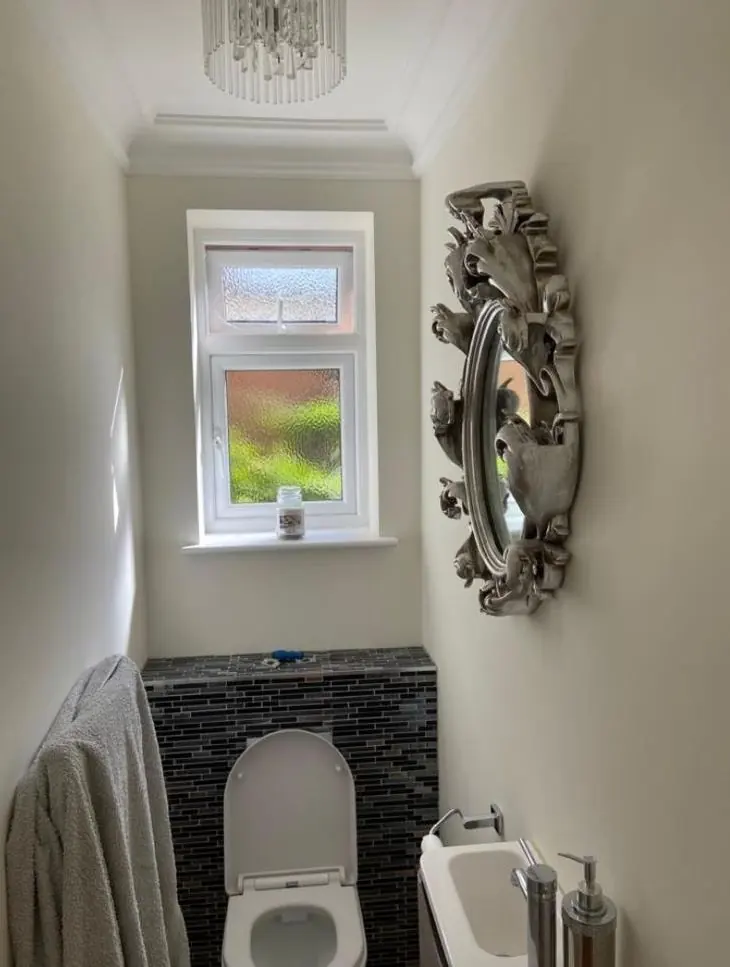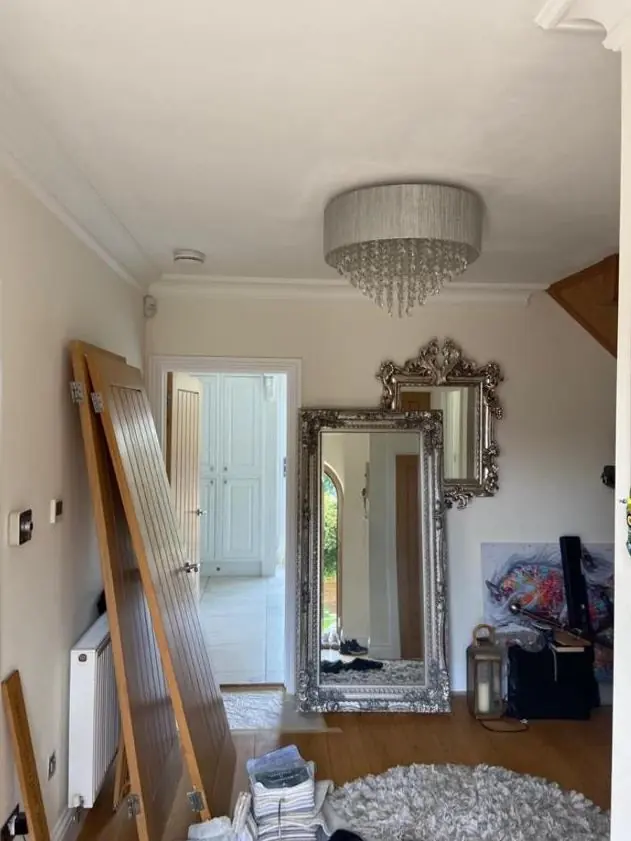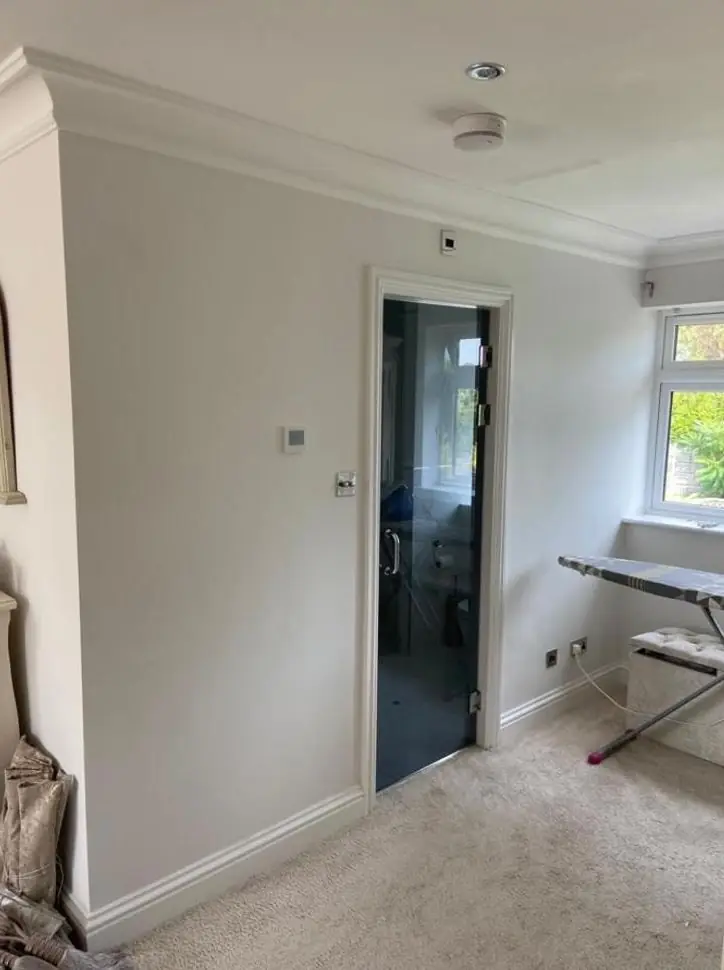
We apply decorative paint finishes in Rectory Farm, NN3, about 4.2 miles north-east of Northampton town centre. The work suits the owner-occupied 1983-1992 detached houses around Deansway most, where plain modern rooms gain character from panelling, colour-blocking or a textured wall.
Why the 1980s closes are where feature work belongs
A decorative finish takes longer to plan and apply than flat emulsion, and it is personal. It pays off when the person choosing it will live with it for years. In Rectory Farm those owners are mostly in the south-eastern closes. Around Deansway, Healey Close, Bentley Close, Deacons Court and Allard Close, Census 2021 counts 80.6% of homes as detached and 89.8% as owner-occupied, and the houses were mostly built between 1983 and 1992.
Houses of that age are now 33 to 43 years old. An owner who has been there a while may already have repainted the same rooms two or three times and want something more considered than another coat of magnolia. That is where a finish can earn its keep: one room or one wall given more thought than the rest of the house.
Adding character where the builder left none
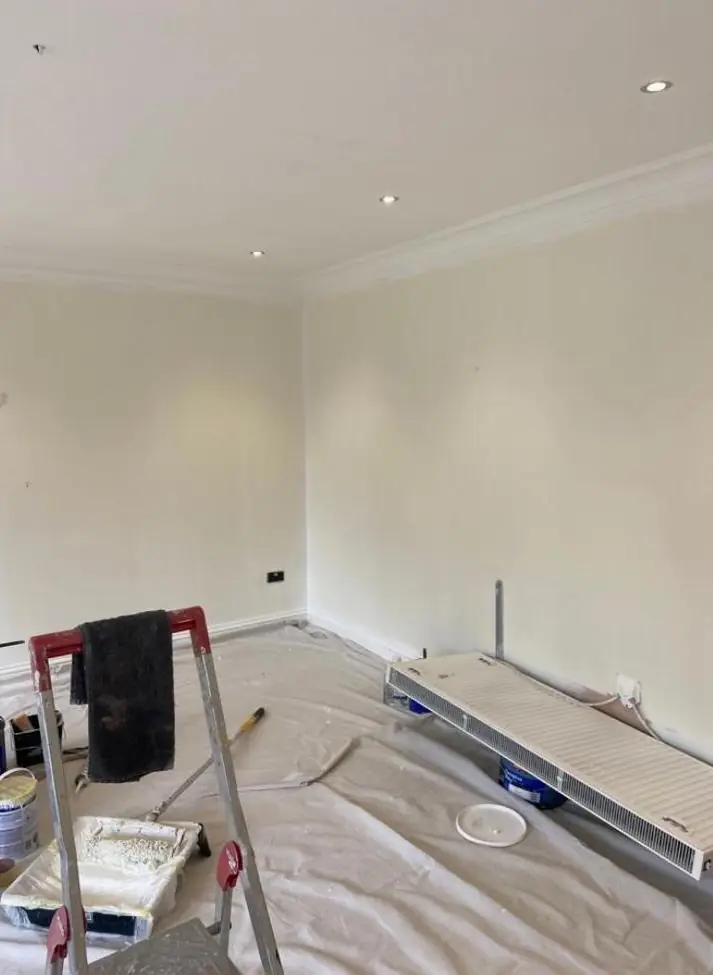
Unlike a Victorian terrace, a 1980s estate house usually has no cornice, picture rail or ceiling rose to pick out. Rooms tend to be plain boxes with flat walls and standard softwood skirtings. Decorative work here is about adding interest rather than restoring it. Finishes that sit comfortably in these rooms include:
- Painted wall panelling. Timber or MDF strips fixed to the wall in a grid or as half-height panels, filled, caulked and painted in one colour, often a deeper shade in a lounge or behind a bed.
- Two-tone and colour-blocked walls. A sharp horizontal split at around dado height, or a painted block framing a desk or shelving, set out with a laser level and crisp tape lines.
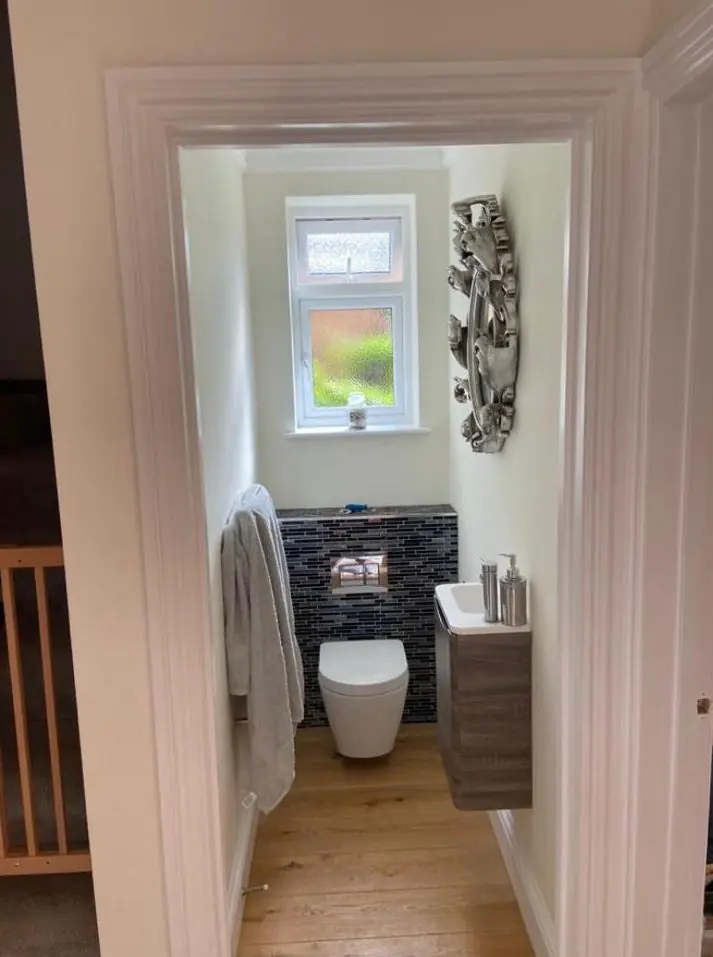
- Colour drenching. Walls, woodwork and sometimes the ceiling in a single colour, which suits a small study or downstairs cloakroom and hides awkward proportions.
- Limewash-effect and textured paints. Brushed in overlapping strokes for a soft, cloudy feature wall that reads well in the evening light of a detached lounge.
- Painted arches. A curved shape behind a headboard or around open shelving, marked out by hand and cut in freehand.
Where a plain finish is the better answer
Not every house on the estate suits this kind of work, and saying so saves you money. In the northern half around Olden Road and Collyweston Road, a large share of homes are rented or in shared ownership. A layered glaze or textured wall is hard to patch between tenancies, because touch-ups never quite blend in, so a hard-wearing scrubbable emulsion is the sensible choice in a rental.
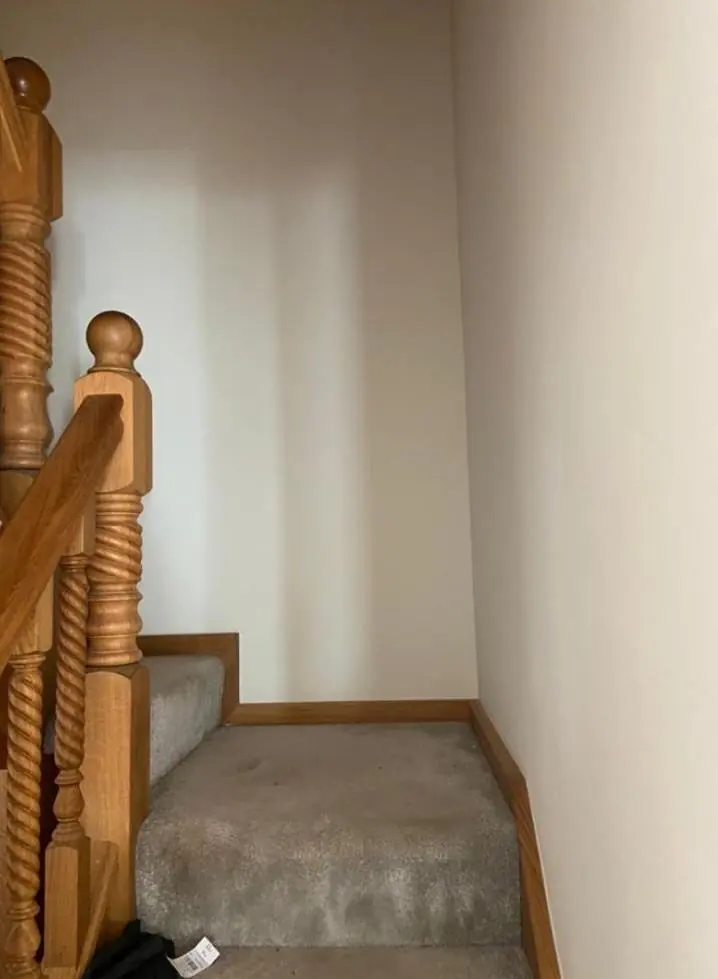
The colder walls are another limit. Some 1970s terraces on Mortar Pit Road and Collyweston Road have cavity walls recorded with no or partial insulation. Condensation and mould behind a limewash-effect or glazed finish spoil it quickly, so those walls need treating and a mould-resistant paint instead. Narrow staircases are a third case: a finish at shoulder height in a boxed stairwell gets rubbed every day, and plain washable paint lasts longer there.
Planning the work in a lived-in house
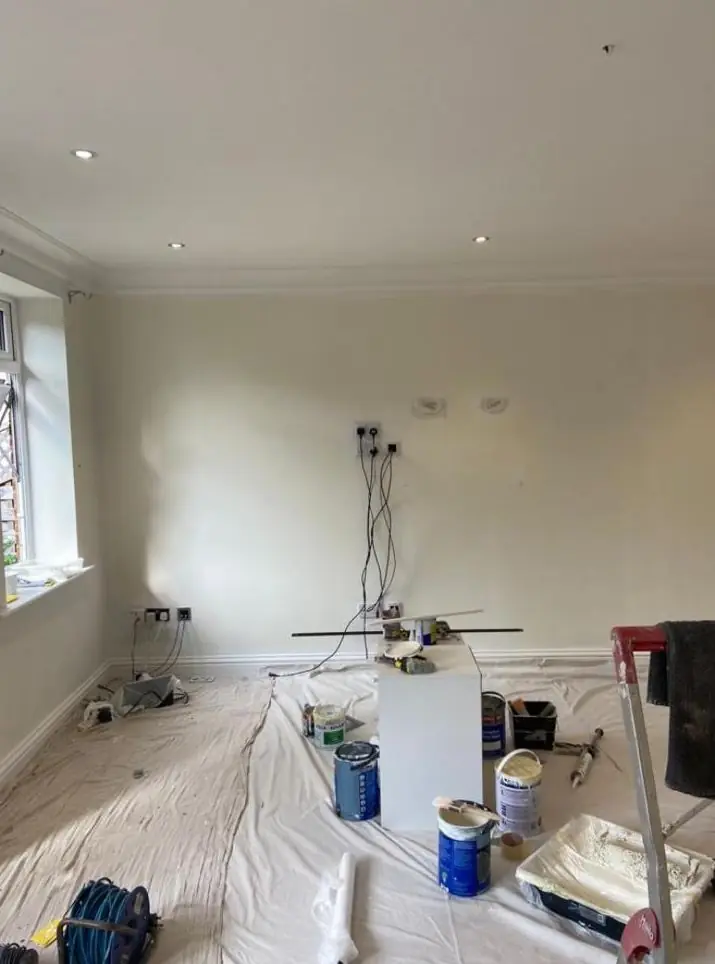
Most decorative finishes need each wall done in one continuous session, keeping a wet edge so there are no lap marks. That means the room has to be cleared and left alone for a day or two while coats dry and cure, with children and pets kept out. Panelling adds a stage at the start for fixing and filling, and the smell of caulk and primer is worth planning around.
The detached closes have their own drives, which makes it easier to park close to the house and bring in timber lengths, a mitre saw and dust sheets than on the footpath-fronted terraces. See our main decorative finishes page for the full range of effects, and our colour advice if you want help matching a feature to the rest of the house. The Rectory Farm area page covers the estate as a whole.
Last updated by Dean, DH Painter & Decorator.