We stain and paint garden fences, side gates and timber boundaries in Rectory Farm, the NN3 estate about 4.2 miles north-east of Northampton town centre. Most of the estate's garden timber is on the owner-occupied 1983-1992 detached closes, with smaller fenced plots behind the 1970s terraces.
Side gates and long boundaries on the car-named closes
The detached houses built between 1983 and 1992 around Deansway, Bentley Close, Healey Close, Daimler Close and Allard Close are where most of Rectory Farm’s garden timber is. These detached houses often have a garage and a timber side gate as well as rear boundary fences, and a sale listing on Daimler Close describes a large private rear garden. Census 2021 shows almost 90% of homes in these closes are owner-occupied, so fences tend to be kept and re-coated rather than left to grey until a tenancy ends.
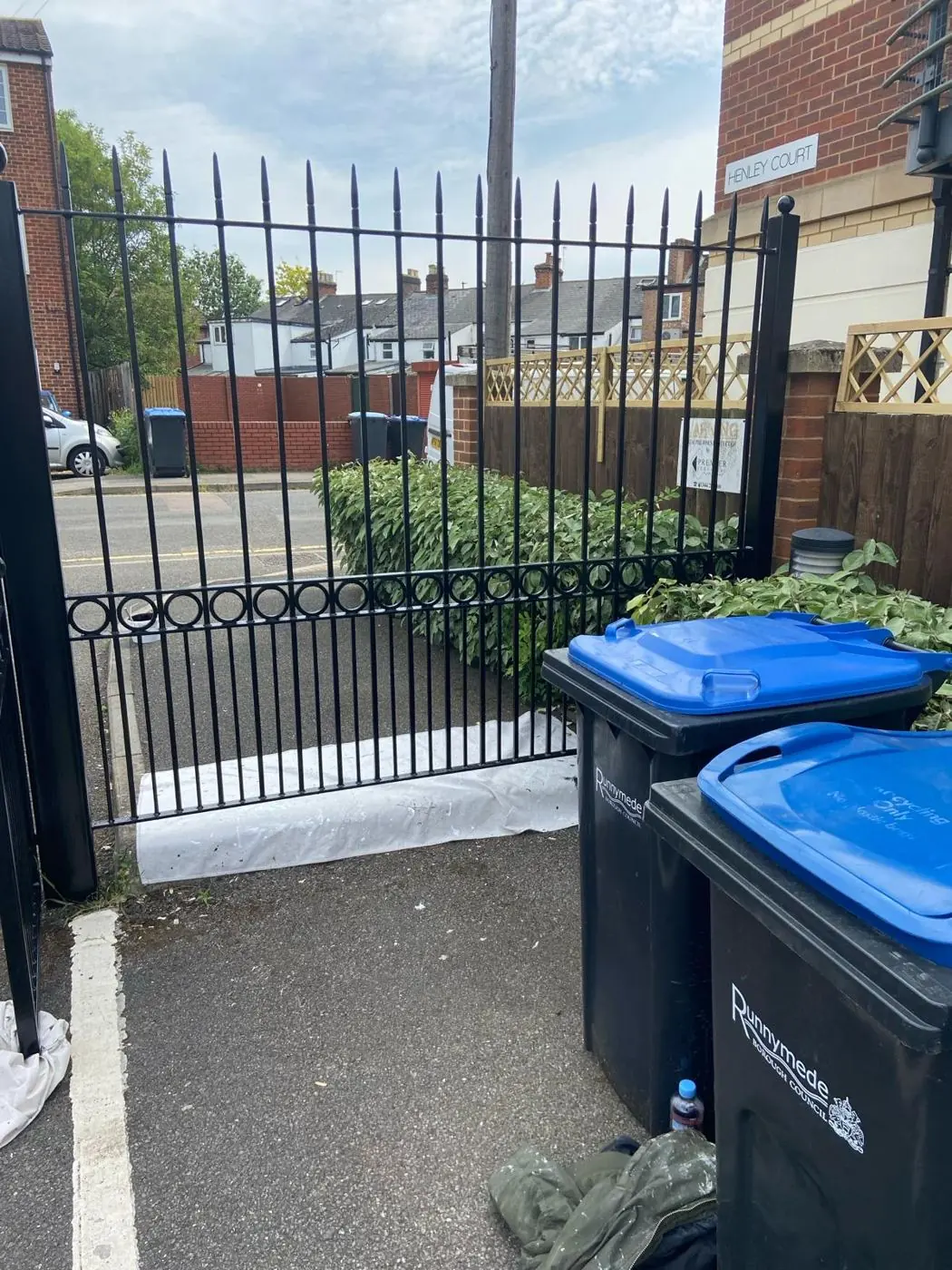
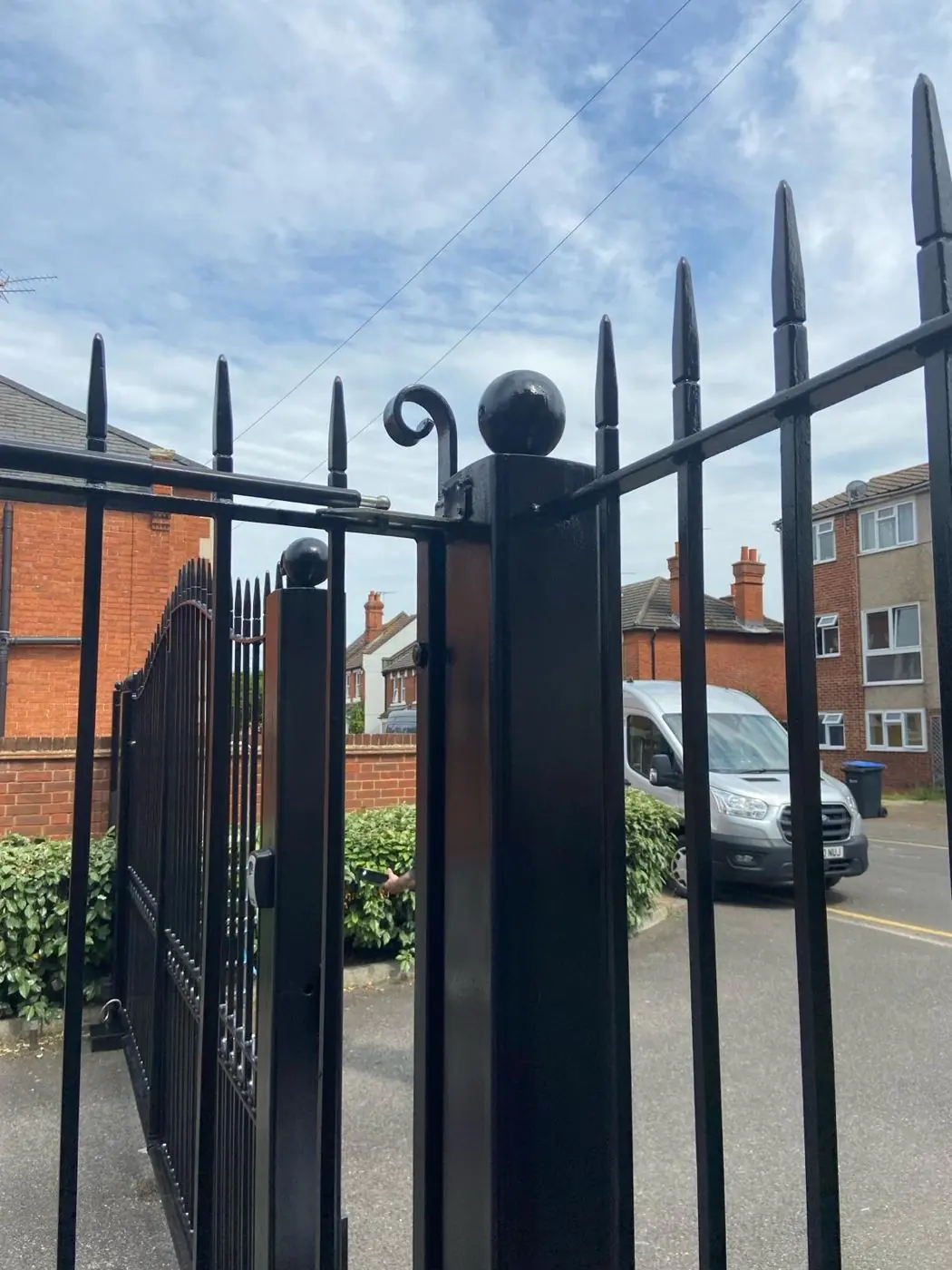
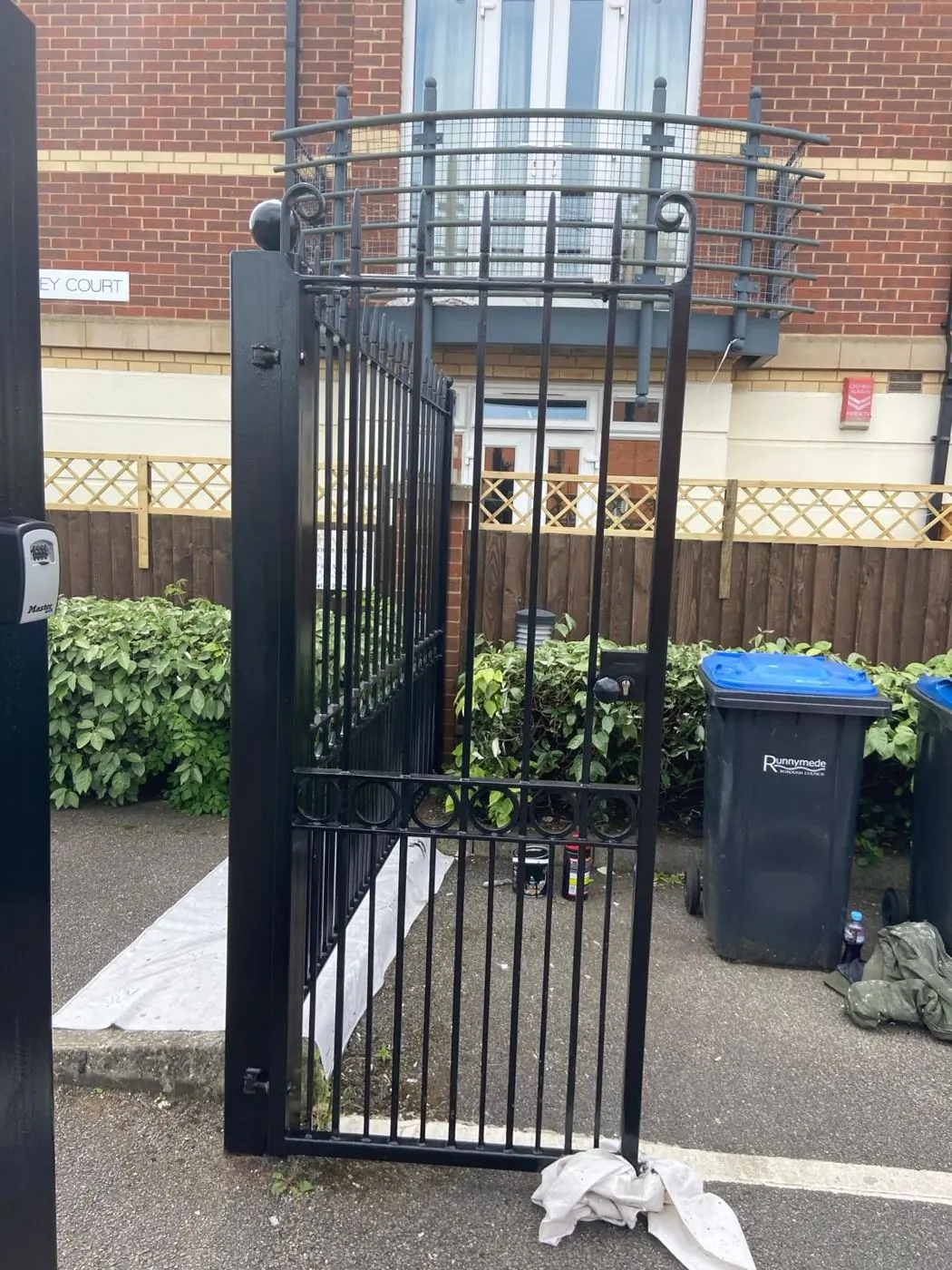
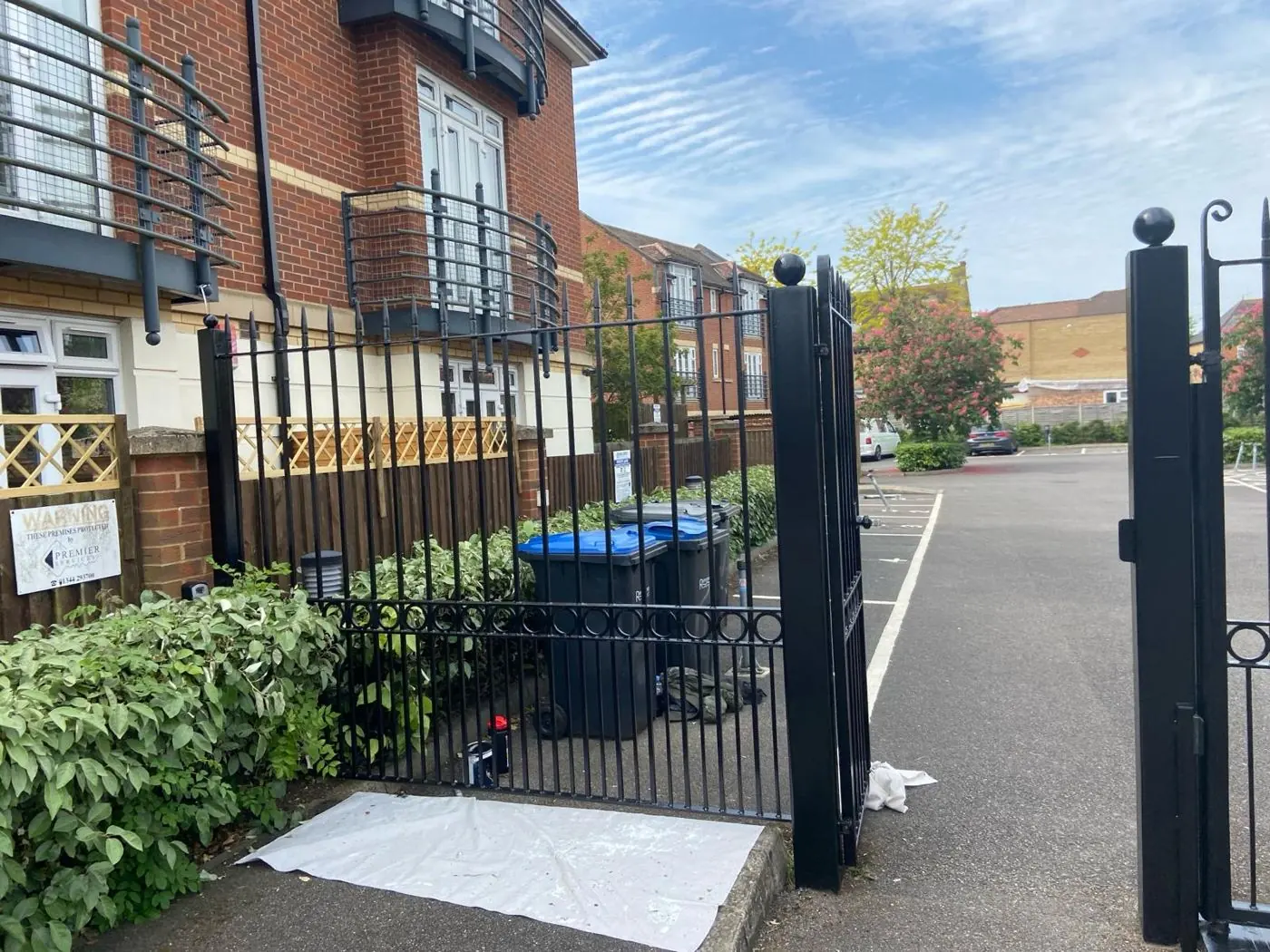
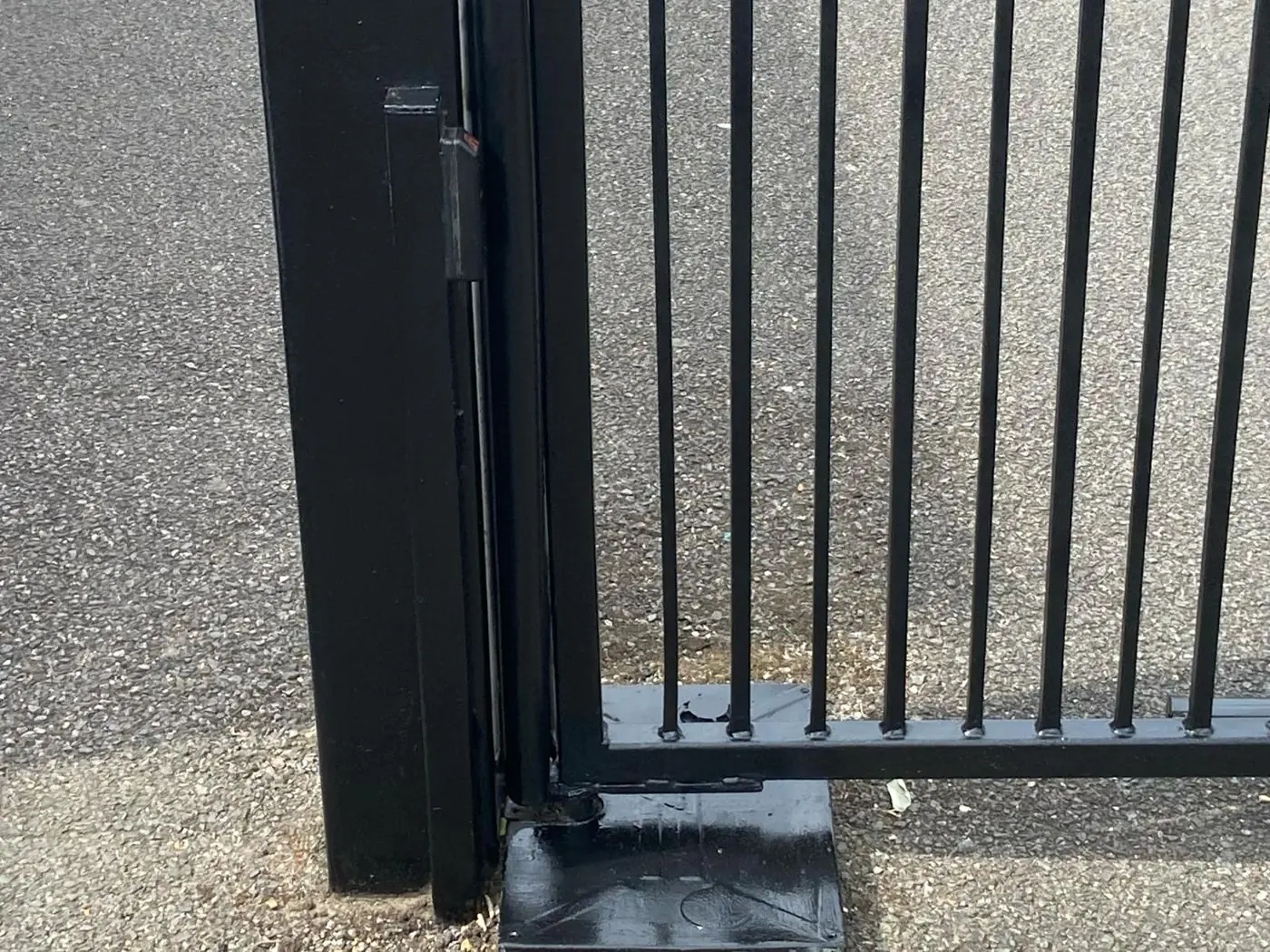
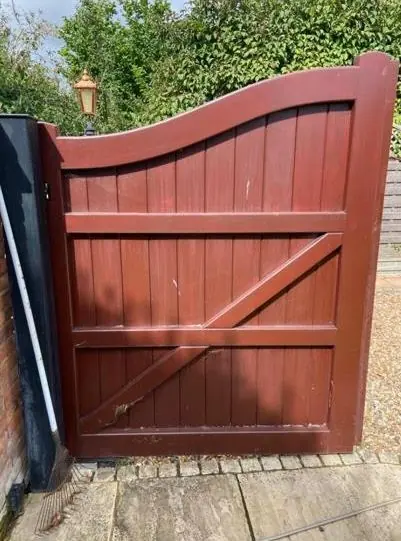
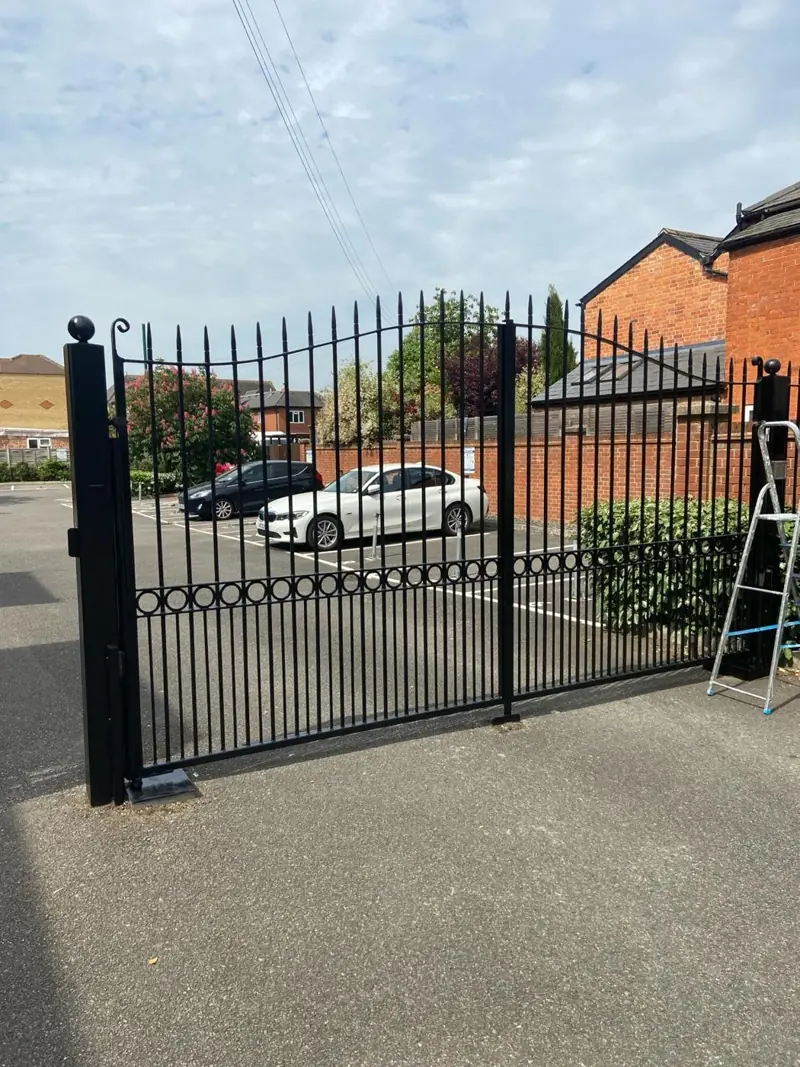
Side gates take the most punishment. They are opened every bin day, they sit in the shaded gap beside the garage where they stay damp, and the bottom rail is often the first part to soften. We clean and dry them, check the hinges and the bottom rail, and coat all faces, including the top and bottom edges where water gets in.
Stain or opaque colour?
| Finish | Suits | Worth knowing |
|---|---|---|
| Translucent stain | Newer or well-kept lap and feather-edge fences, hardwood side gates | Shows the grain and wears gradually rather than peeling; needs re-coating more often |
| Opaque fence paint | Older, patchy or silvered softwood on the 1970s terraces | Hides uneven weathering and patched panels; you are then committed to that colour |
| Clear or oil finish | Hardwood gates kept natural | Needs a clean, dry surface and frequent top-ups |
With no conservation area on the estate, colour is up to you, with one exception. If your home is shared ownership or rented from a housing association, front boundaries in particular may be covered by the lease, so check first.
Smaller plots behind the 1970s terraces
In the northern streets around Crowthorp Road, Ermine Road, Elmington Road and Fengate Close, terraced houses have smaller fenced gardens. A fence there is often shared with two neighbours, which raises a practical question: each side of a shared fence is usually treated by the owner who faces it, and staining only your face leaves the other side as it was. We stain the side you own and, if a neighbour wants theirs done at the same time, we can quote for both.
Many of these terraces have no separate route into the back garden, so tins, brushes and sheets come through the house. We lay protection in the hall first and plan the fence for the same visit as any other back-garden work to save a second trip through your home.
Picking the right weather window
Rectory Farm sits on the outer edge of the town with the linear park and open pitches running through it. Fences backing onto open ground dry quickly in a breeze, while those tucked between houses and garages stay damp much longer after rain. Stain needs dry timber to soak in properly, so we check moisture before starting and move the day if the wood has not dried out.
New fences need patience too. Some of the newer homes on the northern edge, and anyone who has had panels replaced recently, will have fresh pressure-treated softwood. That timber is still wet from treatment and often greenish, and stain put on too early sits on the surface and flakes. Most product makers suggest waiting several months, so we may advise booking a new fence for the following season rather than straight away. Plants, shrubs and climbers along the fence line are tied back or covered, and we sheet any patio or path beneath before the first brushful.
Our main fence and gate staining service explains products and preparation in more depth, and the exterior painting season guide covers timing. For other work we do on the estate, visit the Rectory Farm page.
Last updated by Dean, DH Painter & Decorator.