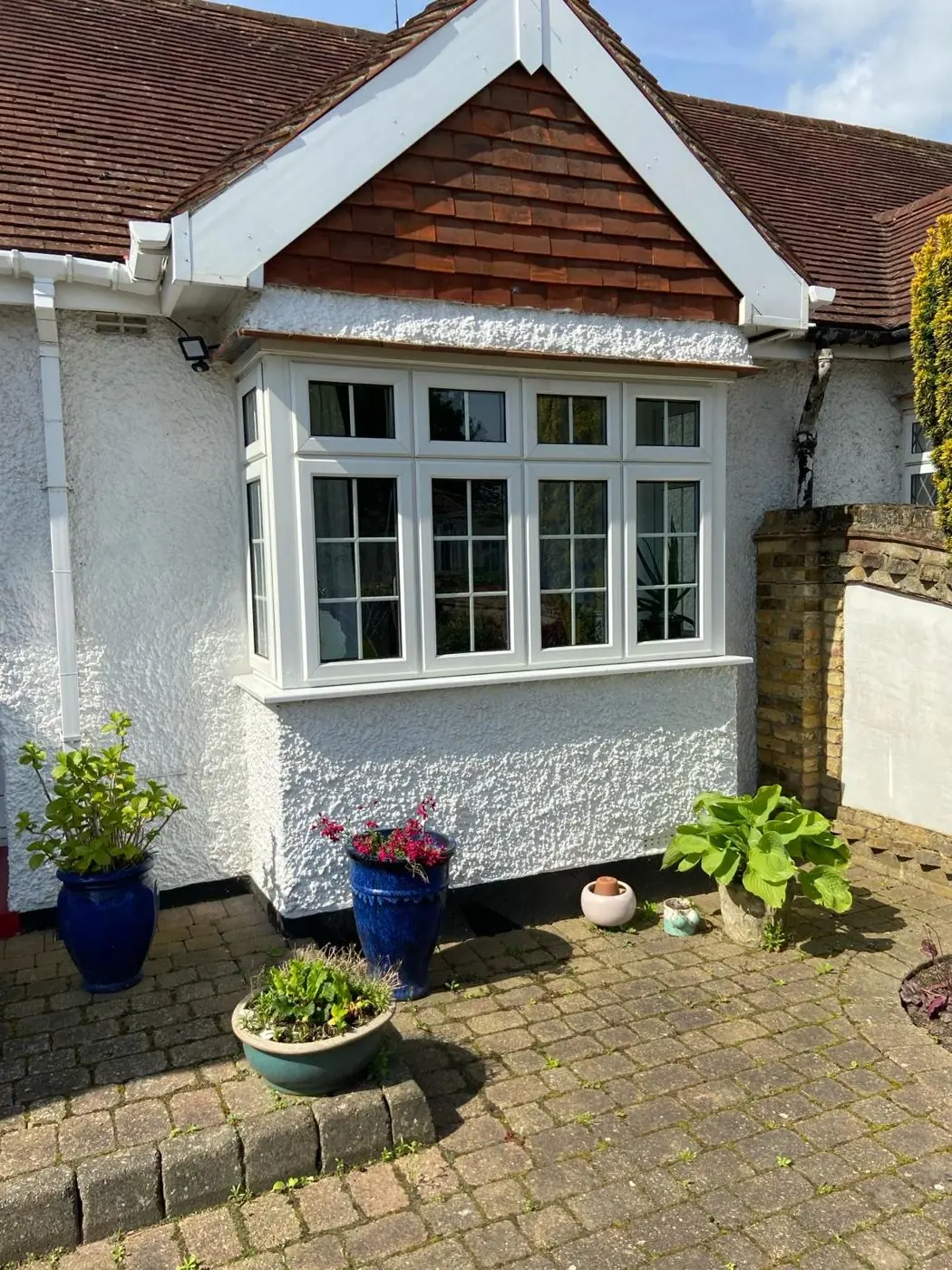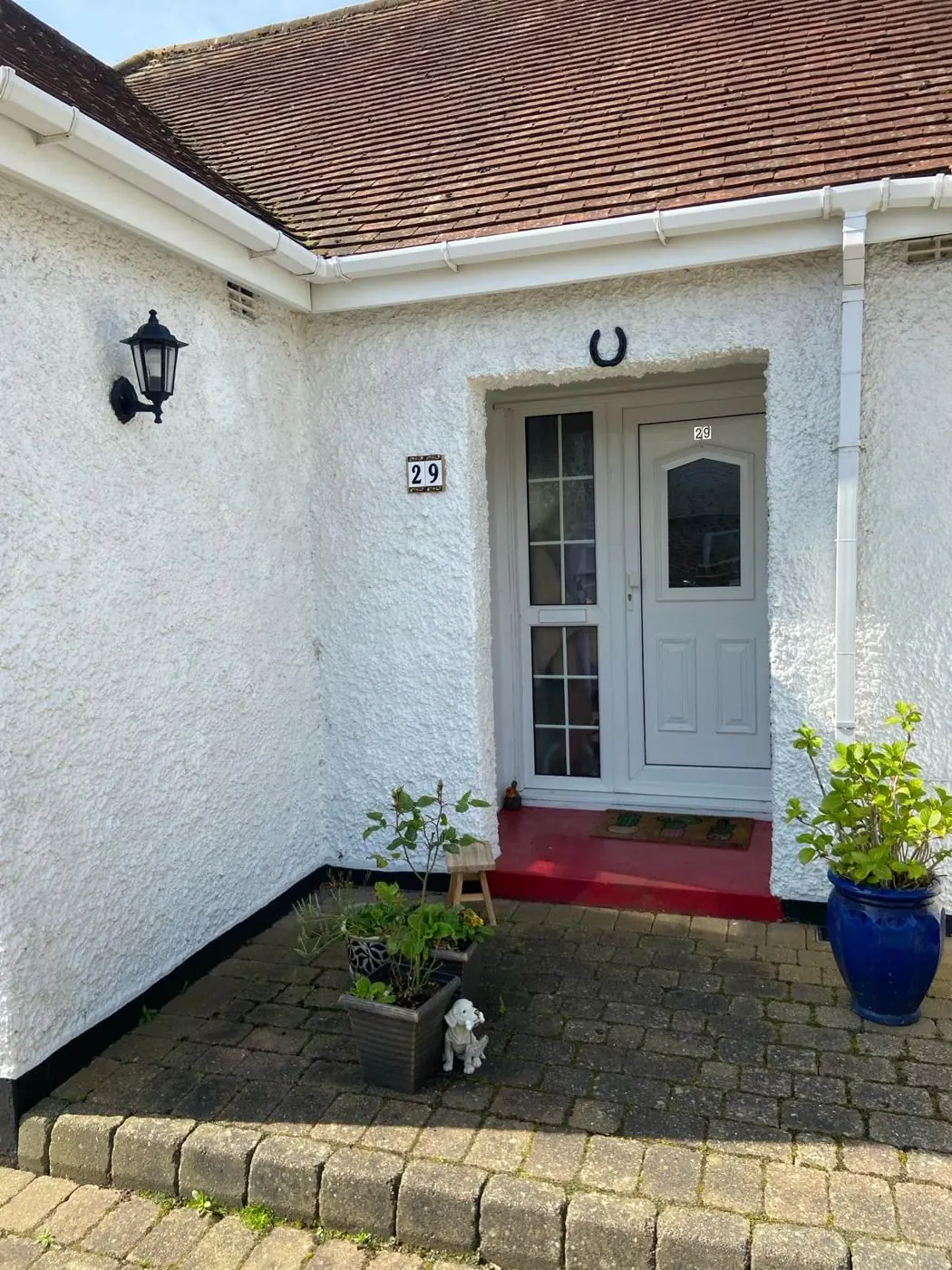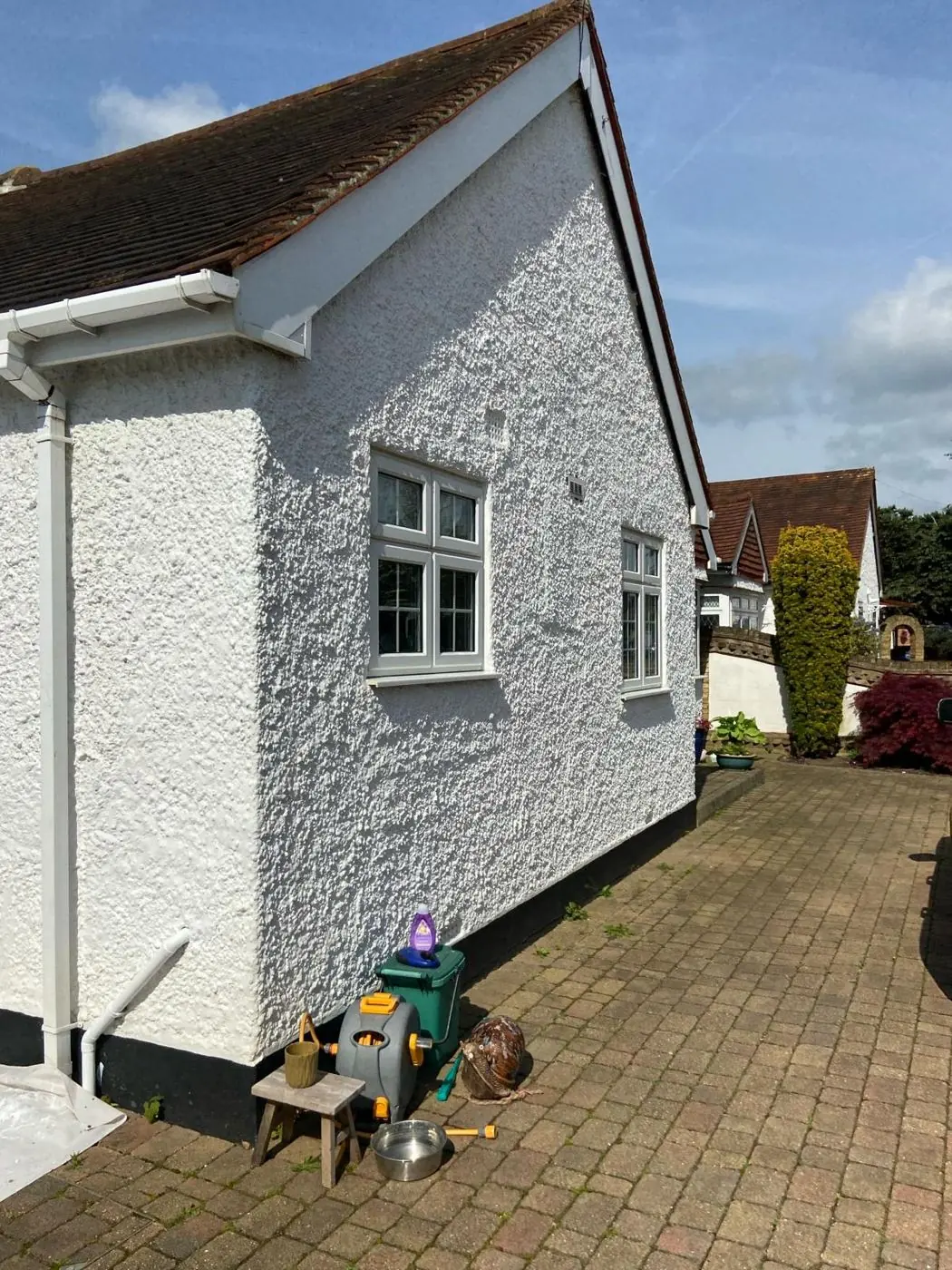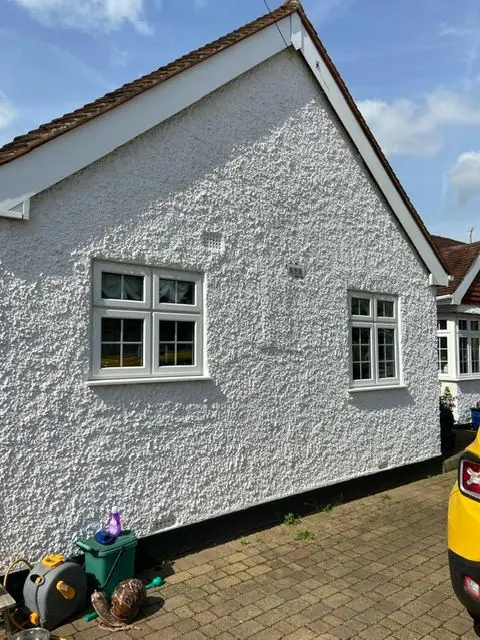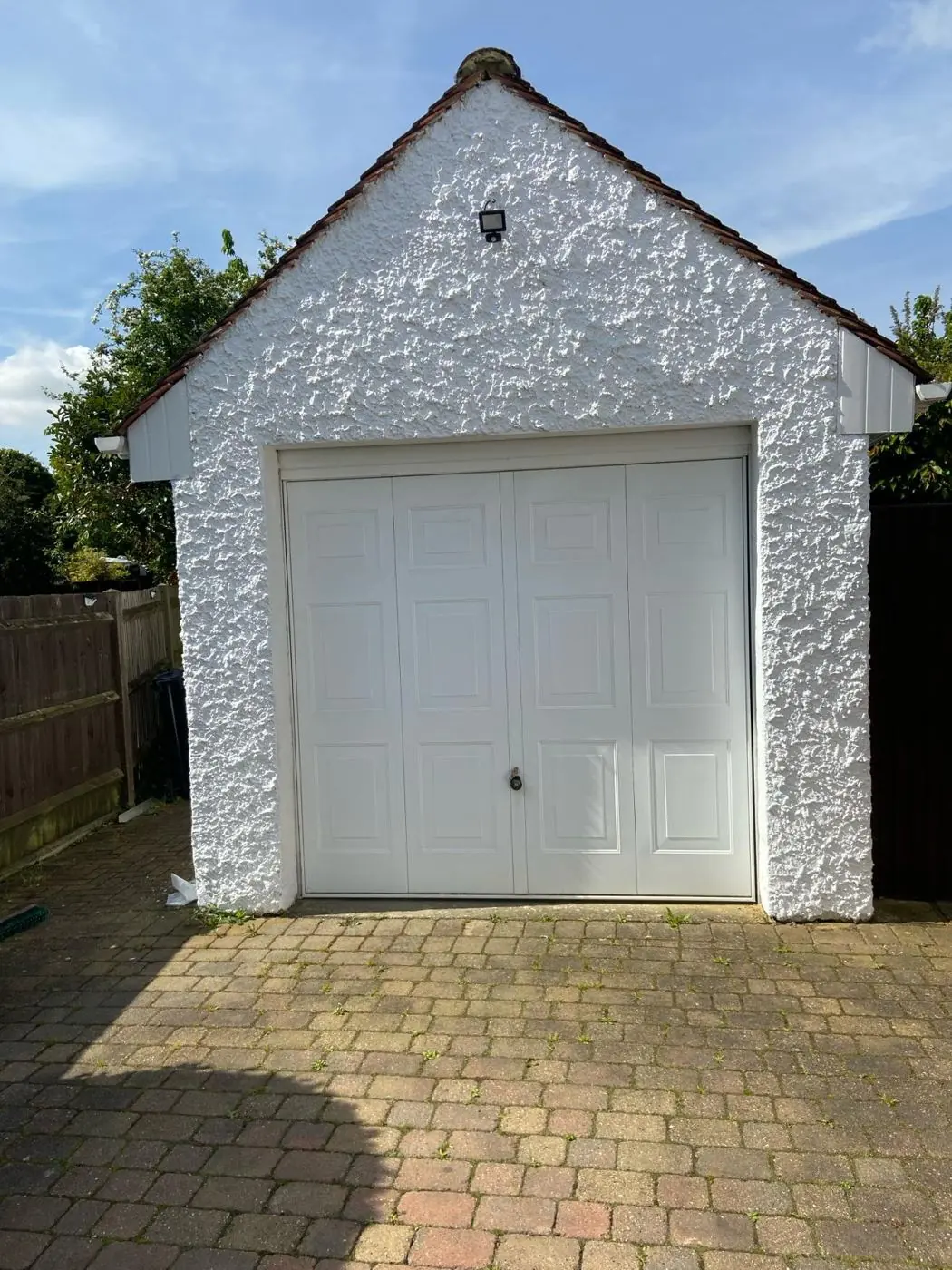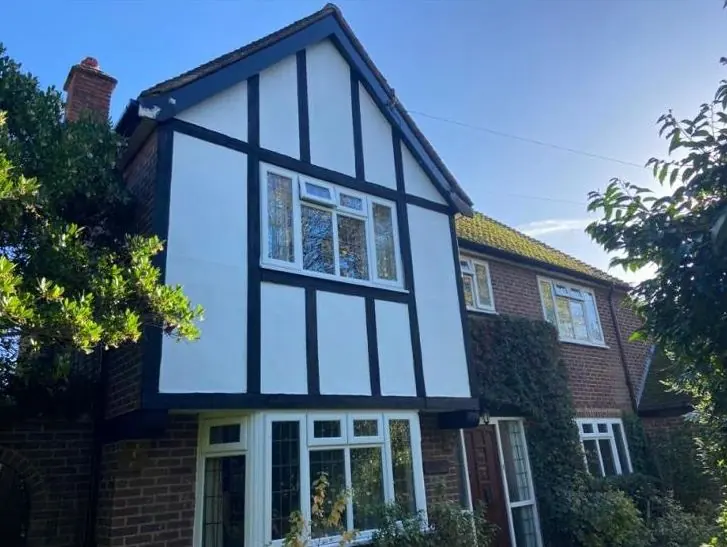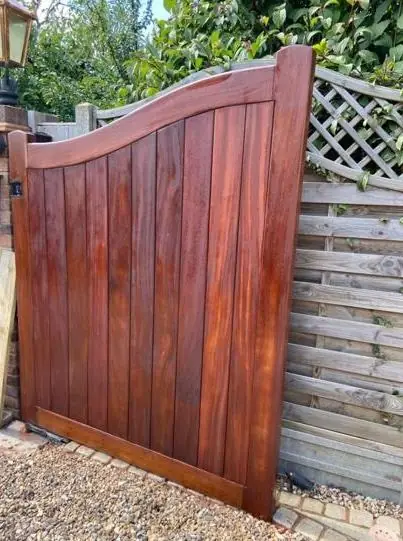
Dean paints house exteriors in Roade, NN7, a large village on the A508 about 5.4 miles south of Northampton town centre. In the stone conservation core the work is mostly joinery, with the limestone left as it is, while the 20th-century houses west of the main road usually take a full exterior repaint.
Two different jobs either side of the A508
The main road through Roade splits the village in a way that shows up in every exterior quote. East of it is the older settlement, where a small limestone conservation core holds cottages from the late 1600s and Georgian houses with ironstone trim. To the west is mostly 20th-century housing laid out as closes and ways. Each side calls for different products, different prep and different amounts of time per house.
On the western side an exterior repaint is a familiar package: front door, window frames where they are timber, fascias and soffits, garage door, porch and any painted walls, plus the garden fence if it needs a coat. The work is mostly about thorough preparation and finishes that will last. On the eastern side the walls themselves are usually not part of the job at all, and the hours go into the woodwork. Our Roade area page describes both halves of the village in more detail.
Sashes, lintels and porches in the conservation core
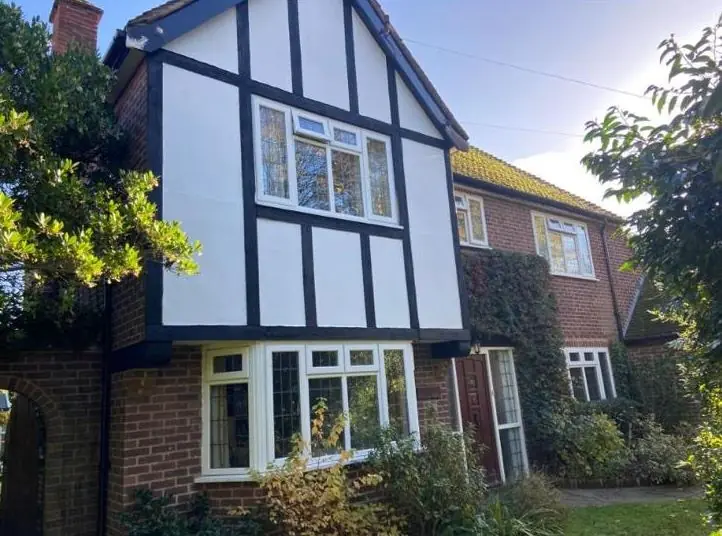
The listed houses on Hartwell Road and the Baptist Church carry 12-, 16- and 20-pane timber sashes, and those take far longer to paint than a modern casement. Each glazing bar is brushed individually, failed putty is raked out and renewed, and the final coat laps a hair’s width over the putty onto the pane so rain cannot get behind it. Spraying is not an option on windows like these.
Older cottages on the High Street and Memorial Green have timber lintels over their windows rather than stone, so those lintels get the same attention as the frames below them: probing for soft wood, filling or reporting decay, then sealing before the top coats go on. Pear Tree House has a timber trellis porch, and Georgian doors with overlights and hood moulds add a lot of joinery to a single elevation. Around 12 listed buildings sit within the roughly 7.2 hectare conservation area, so repainting in the existing colour is the safe default. Some colour changes on a listed frontage require listed building consent, which makes it worth checking with West Northamptonshire Council before choosing anything new.
Frontages on Northampton Road and Stratford Road
Houses that face the A508 deal with two things the closes don’t. The first is dirt. Through traffic leaves a grey film on sills, door panels and window frames, and paint does not bond well over it, so those elevations are washed and degreased before any sanding starts. The second is access. A ladder or a stack of dust sheets beside a busy road needs planning: where the van can park, how to keep the pavement clear for pedestrians, and when traffic is lighter. On terraced cottages where an entrance is only at the back, we agree the route through with you beforehand.
Exposure, timing and what to expect
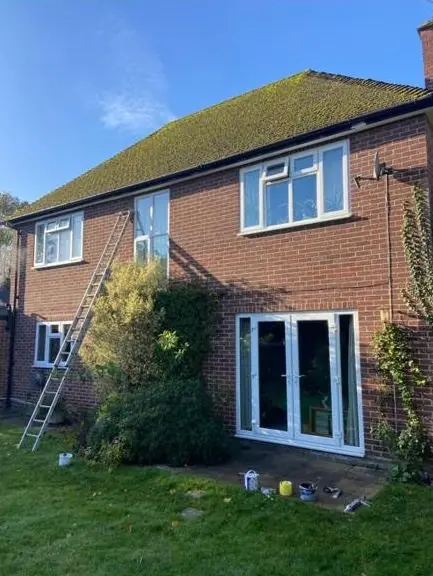
Roade is ringed by open farmland, and south- and west-facing elevations at the edge of the village take more sun and wind than those tucked inside the closes. Those sides usually show wear first, so it can make sense to repaint them on a shorter cycle than the rest of the house. Good exterior work also depends on the weather: dry spells, temperatures above the product minimum and no overnight frost. Our guide to when to plan exterior painting explains how to plan around that.
For the full step-by-step of how we prepare and paint each outside surface, see our main exterior painting service. Dean will look at the house, tell you honestly which elevations need work now and which can wait, and give you a written quote.
Last updated by Dean, DH Painter & Decorator.