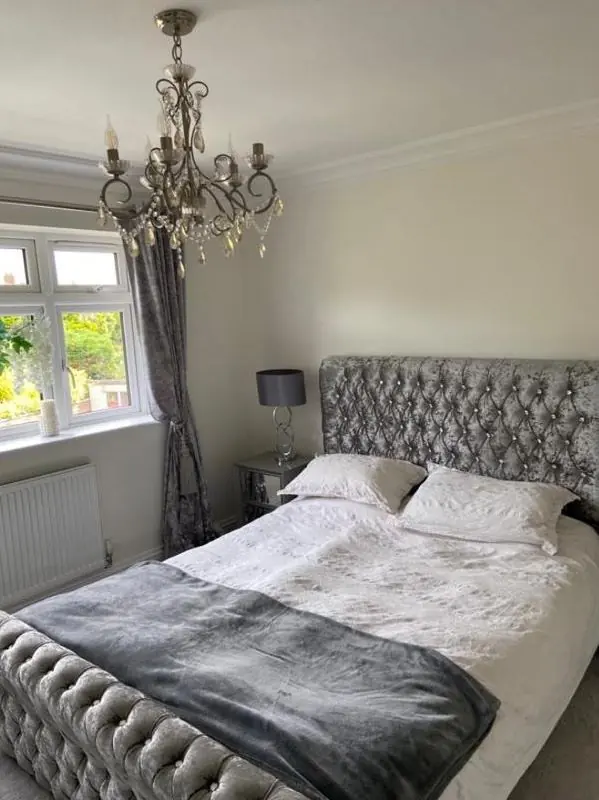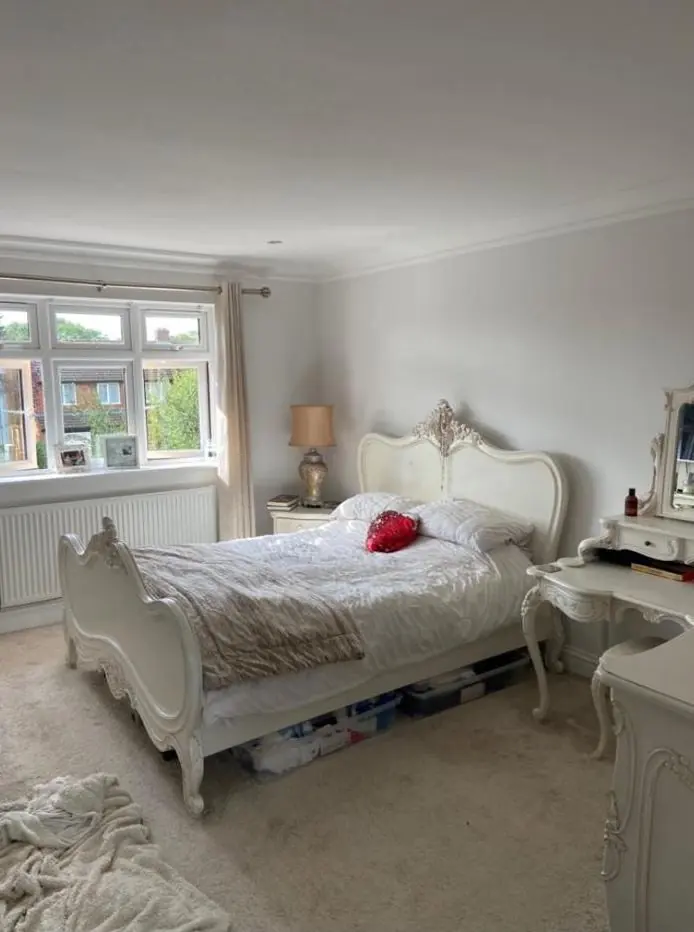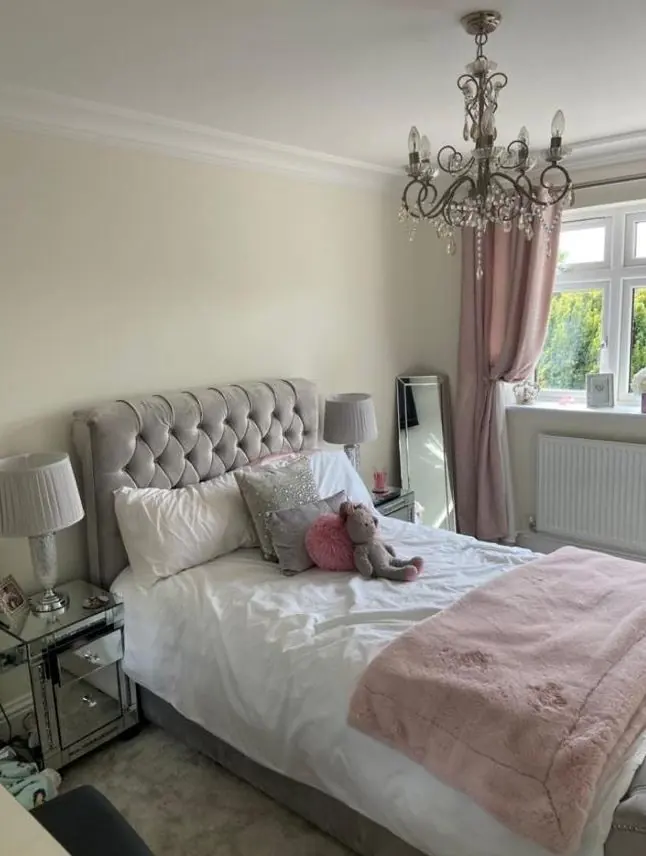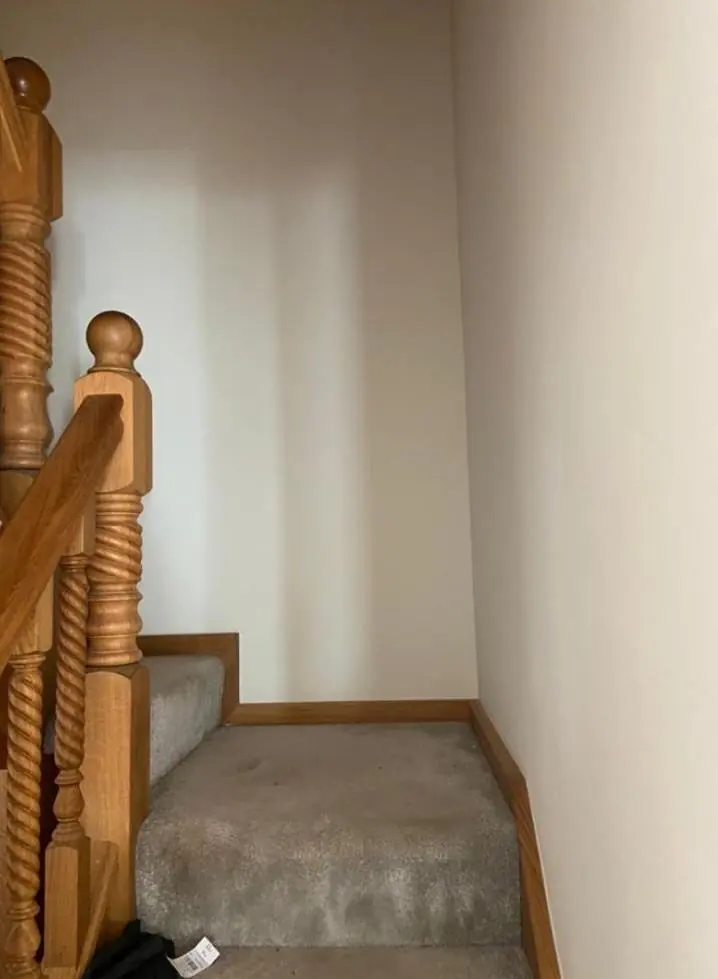
Dean hangs wallpaper and lining paper in Roade, about 5.4 miles south of Northampton on the A508. In the old limestone cottages on the eastern side that usually means lining the walls first, while the 20th-century houses to the west suit feature walls and full rooms hung straight onto prepared plaster.
What sits behind the plaster decides the method
Roade’s oldest houses are built of coursed limestone rubble. Inside, the plaster follows the stone, so walls in the cottages on High Street and around Memorial Green are rarely flat or plumb. They bow, lean and dip, and the corners are seldom square. Wallpaper shows every one of those faults, especially a paper with a sheen or a tight geometric pattern.
Across the A508, the 20th-century houses that make up most of the western half of the village are a different matter. Their walls are generally flatter, corners are closer to square and the main preparation is stripping old paper and filling. The same roll of paper will hang very differently in the two halves of the village, so we look at the walls before advising on a design.
| Type of Roade house | Usual wall | What we normally do first |
|---|---|---|
| Late 17th-century stone cottages, High Street and Memorial Green | Lime plaster over limestone, uneven | Check for loose plaster, then hang lining paper cross-lined |
| 18th-century houses on Hartwell Road | Older plaster, thick walls, deep reveals | Repair and line, plan seams around tall sash windows |
| 20th-century houses west of the A508 | Gypsum plaster or plasterboard | Strip, fill, size, then hang directly |
Lining paper on the cottage walls
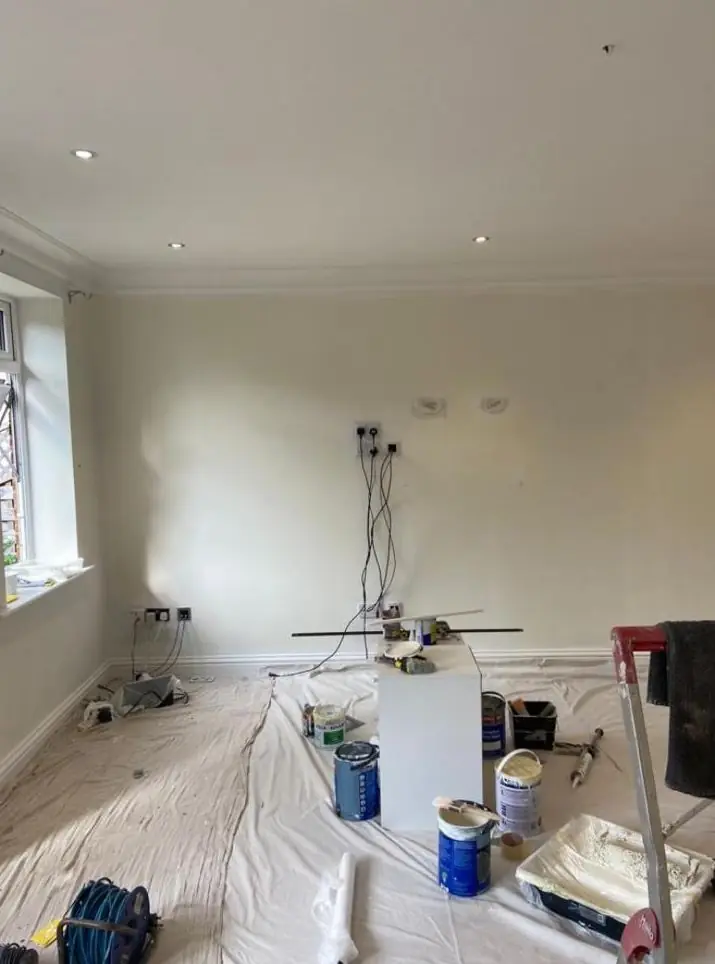
On the stone-backed walls we normally hang a lining paper first, run horizontally so its joins never line up with the joins of the paper on top. It evens out small hollows, gives the paste an even surface to grip and stops fine cracks in old plaster telegraphing through. On lime plaster we use a breathable lining and paste, and we leave any cracked or hollow areas for repair before papering.
Many of these cottages were originally pairs or rows that were later knocked together. That can leave a wall where two houses met, with a change of plane or the line of an old opening. Lining hides minor differences, but it will not straighten a wall, so we will tell you honestly when a bold geometric design will look crooked and suggest a looser, more forgiving pattern instead.
Setting out in low rooms with deep windows
Ceilings in the oldest cottages are low and often slope, and a ceiling line that rises across a room makes a large pattern appear to drift. We usually start the pattern from the most visible point, such as a chimney breast, and work outwards so any mismatch lands in a corner behind a door. Deep window reveals in thick stone walls need careful returns, and around exposed beams we trim tight to the timber rather than pasting over it.
Feature walls and full rooms in the western closes
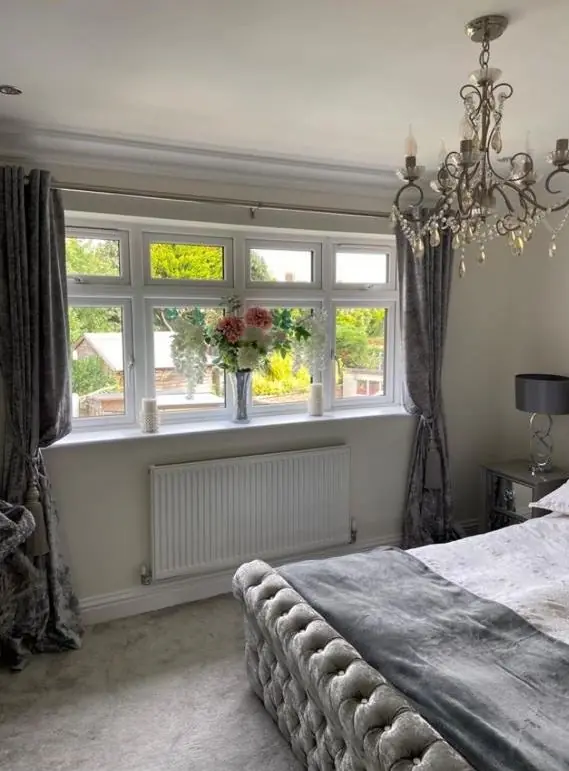
In the houses on closes such as Hyde Close, Manor Close and Wallwin Close, a single feature wall behind a bed or sofa suits the flatter walls, often in a heavier vinyl or textured paper. The flatter walls let us hang most papers straight onto sized plaster, which keeps the job quicker. Full rooms are just as straightforward, though bathrooms and kitchens need a moisture-resistant paper and paste.
Booking a paperhanging job in Roade
Buy your rolls from the same batch and allow a spare for pattern matching. We can measure up on a visit from our Northampton base, which is about 5.4 miles north. Our main wallpaper hanging service covers stripping, paper types and pattern matching in more detail, and our Roade area page looks at the village’s houses as a whole.
Last updated by Dean, DH Painter & Decorator.