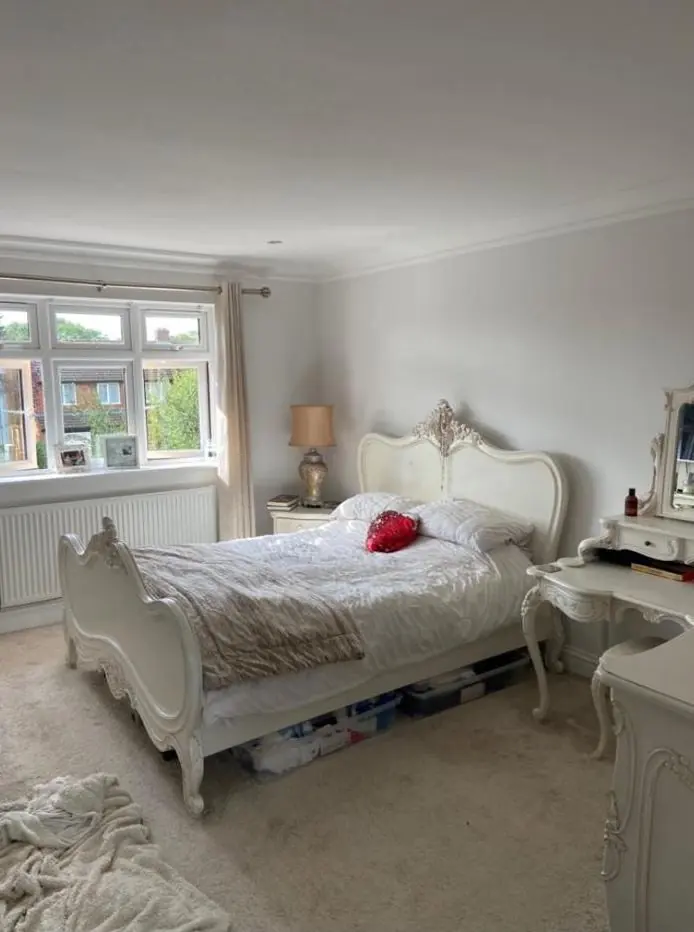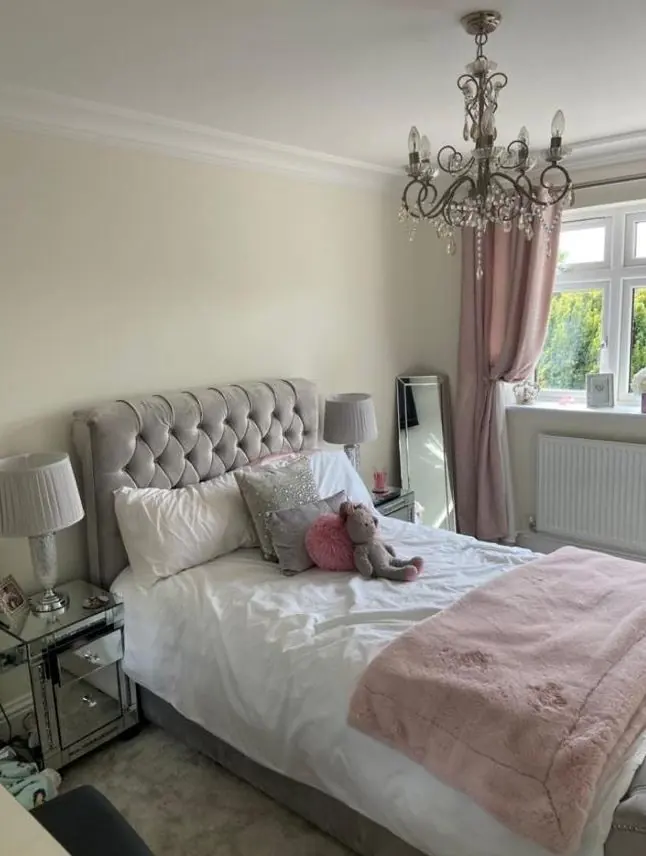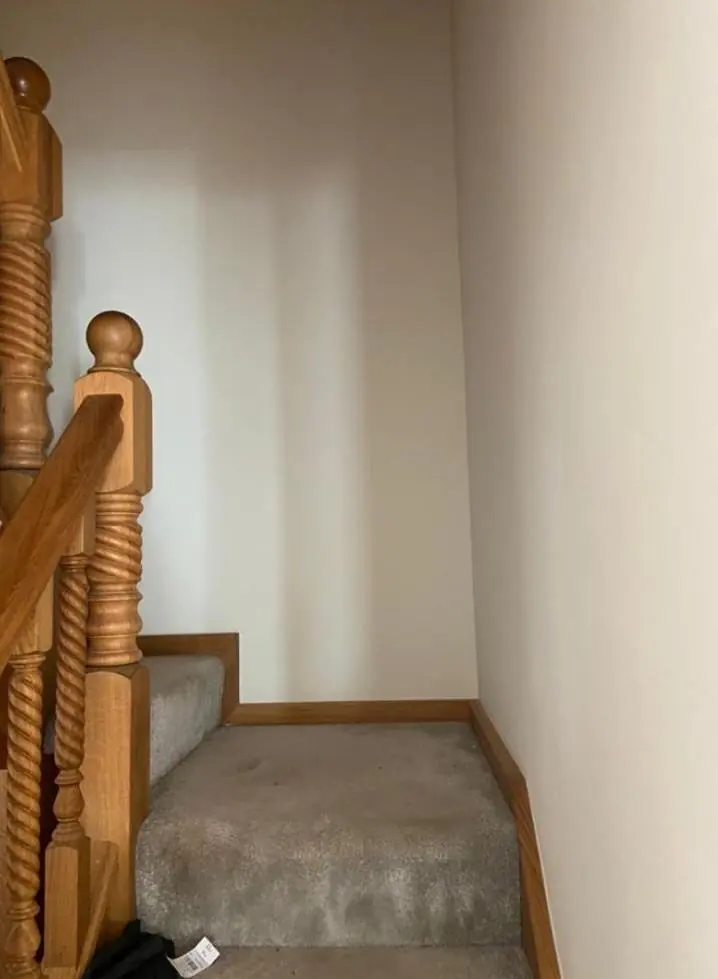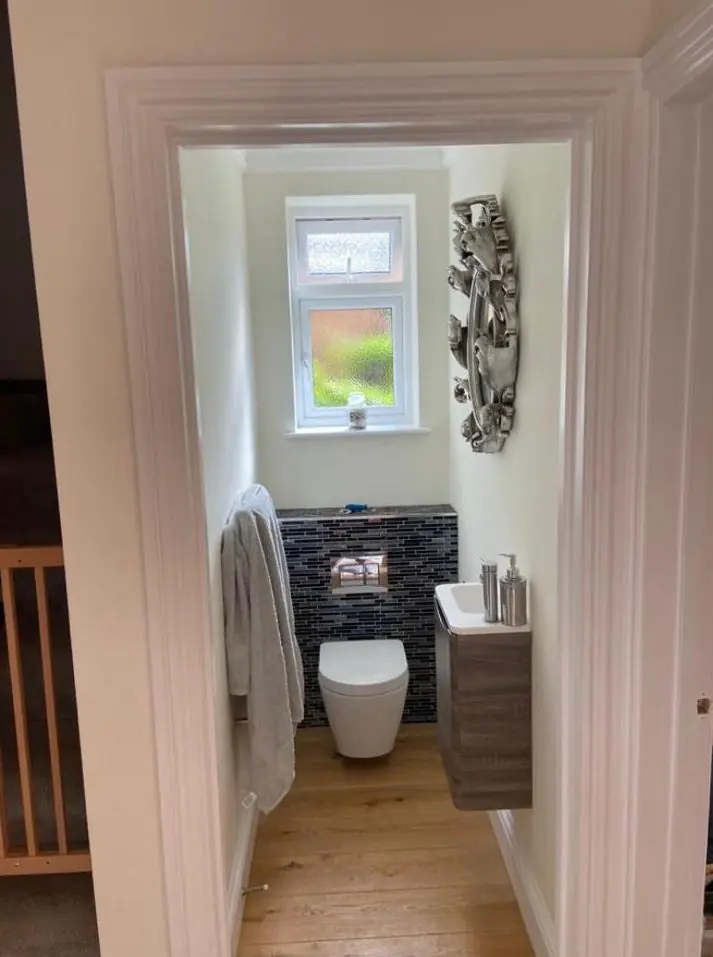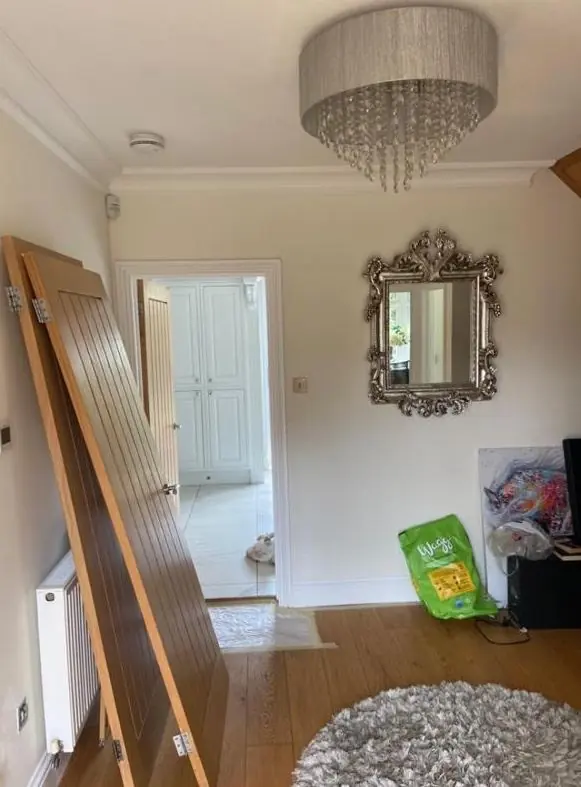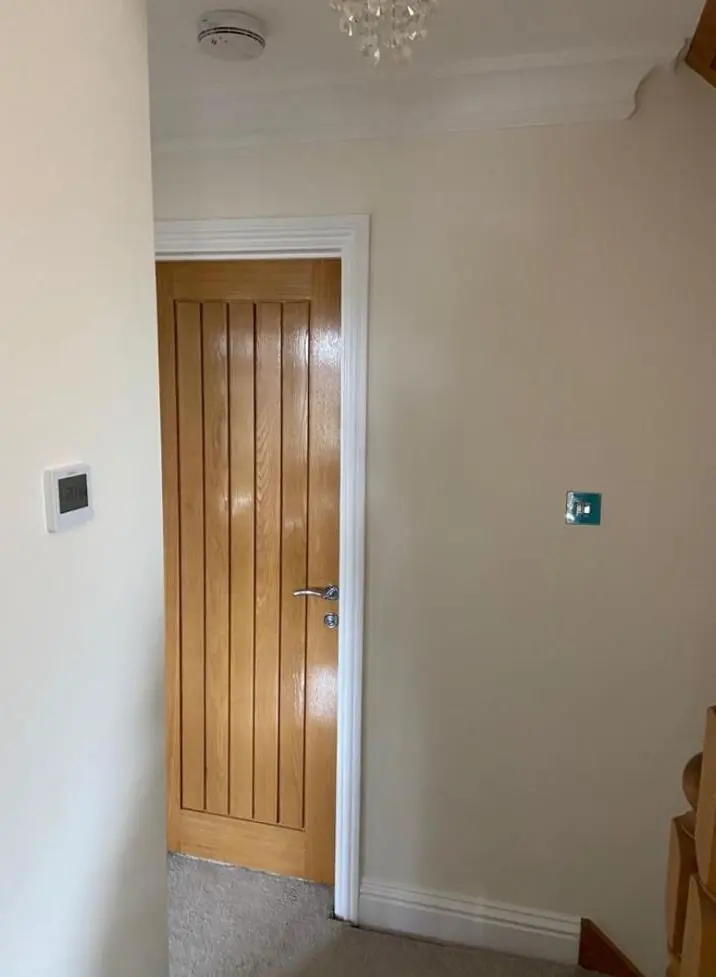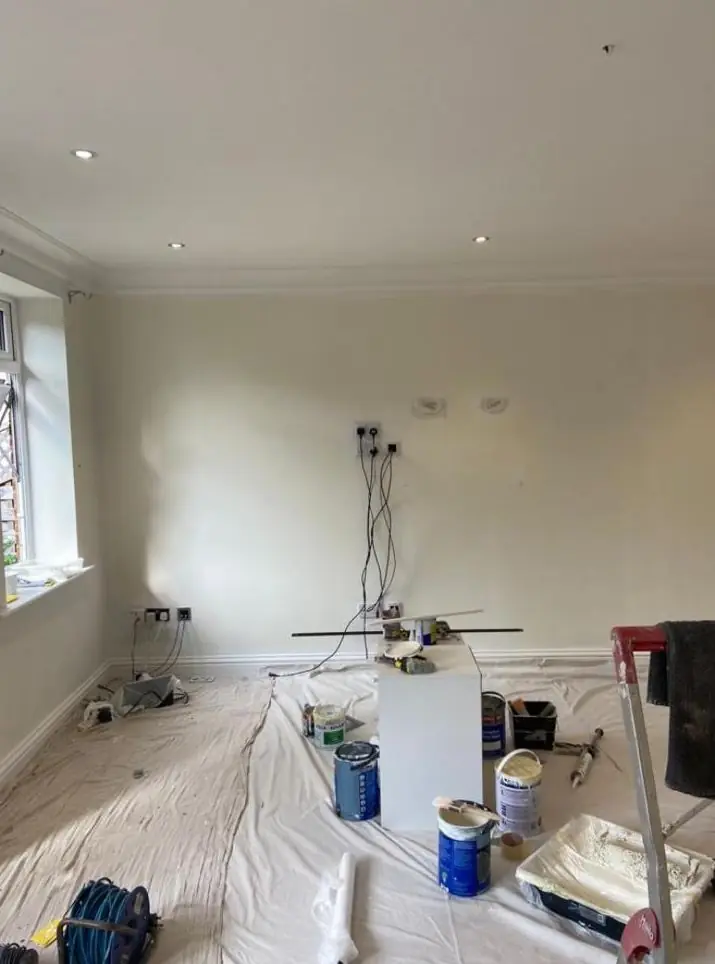
Dean gives colour and finish advice to Thorplands householders and landlords as part of a decorating job. The estate is about 3.3 miles north-east of Northampton town centre. It has no conservation area, so the main limits on colour come from tenancy terms, leases and the state of fifty-year-old walls.
Who decides the colour on a Thorplands home
No conservation area appraisal from West Northamptonshire Council covers Thorplands, and the closest designated village conservation area is up the road at Moulton. With no listed building found on the estate either, the owner of a freehold house here can put any colour on the front door, window frames or gable.
That is not the whole picture on this estate, because so many homes are rented or share a building with others:
| Your situation | Who has a say | What we suggest |
|---|---|---|
| Freehold house, for example on Pindar Rise or Huxloe Rise | You | Look at the houses either side, as a terrace front is seen as one row |
| Flat in a court such as Waterpump Court | Usually the freeholder or housing provider for anything outside or communal | Choose freely inside your flat; check your lease before changing a door or entrance |
| Social housing tenant | Your housing provider | Ask what is allowed and what colour the walls must be at the end of the tenancy |
| Private landlord | You, within any agent or lender conditions | Pick one standard palette for every property |
Sheen matters more than shade on older walls
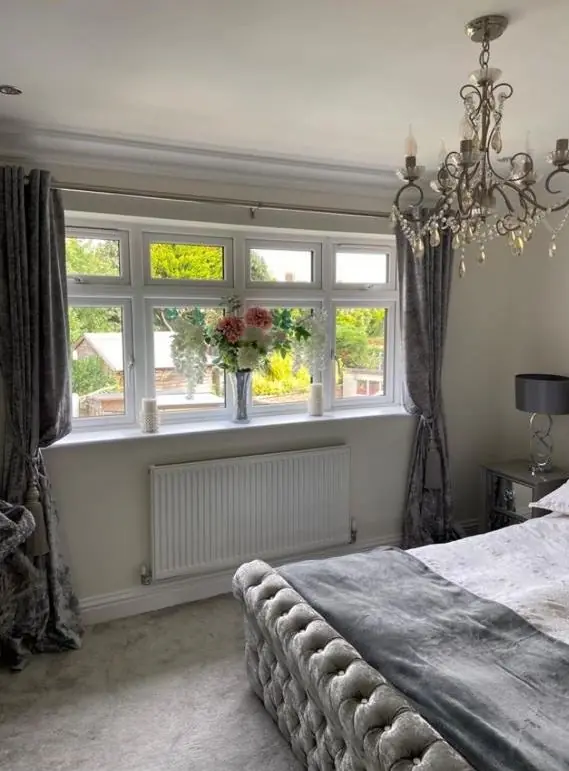
Most homes here date from 1967 to 1975. Walls that have had fifty years of repainting, filling and stripping are seldom perfectly flat, and the sheen you choose decides how much of that shows. A silk or high-sheen emulsion reflects light off every ripple and filled patch. A flat matt soaks the light up and hides a lot. If you want something wipeable, a durable matt gives you the low reflection with a surface that can be cleaned, and that is what Dean recommends for most rooms on the estate.
Woodwork is the other place where the choice shows. Original softwood skirtings and door frames often have old oil gloss that has gone cream or yellow. Put a fresh bright white emulsion next to them and the difference jumps out. Either repaint the woodwork in a waterborne finish that stays white, or pick a wall colour warm enough that the old gloss does not look stained beside it.
Colour in compact terraces and flats
Rooms in the 1970s terraces are small, and the usual advice is light neutrals throughout. That works, but it is not the only answer. A small room painted in one mid-tone, walls and woodwork together, can look calmer and more deliberate than white woodwork against pale grey walls, because there are fewer hard lines to break it up. A deeper colour on a single wall can add depth without making the room feel smaller. Large painted sample boards, moved around the room at different times of day, show you how a colour behaves far better than a tester pot dabbed on the wall.
One palette for rented homes
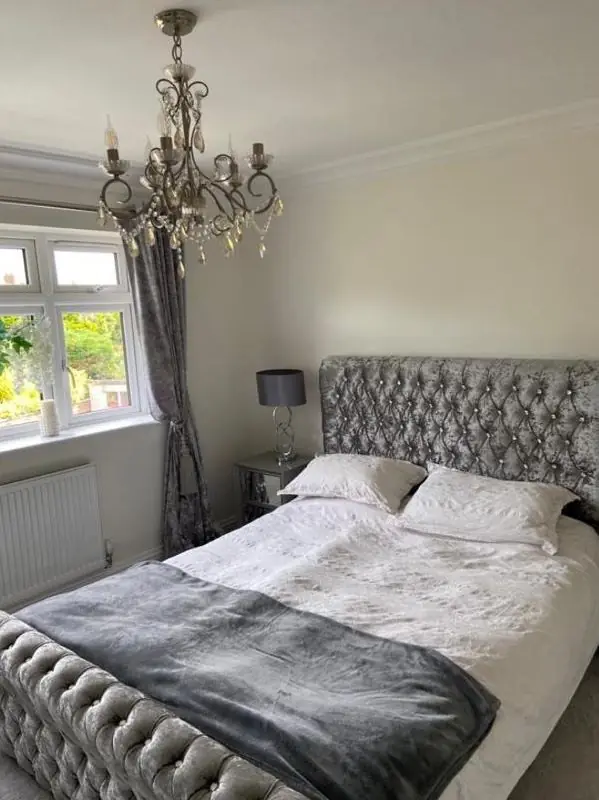
Courts where housing providers own most of the homes, and roads like Holmecross Road where private lets run at about one in three, mean a lot of Thorplands walls get repainted at each change of tenant. For them, the colour decision is really about keeping track of it. We suggest one ceiling white, one wall colour and one woodwork finish across every property, with the product name, colour reference and sheen written down. Then a scuffed wall can be touched up without repainting the whole room, and the touch-up blends in. Our landlord decorating service is built around that.
How the advice is given
Advice comes as part of a decorating job and is not a separate design service. Dean looks at the room, the light and the surfaces, and gives you a straight view on shade, undertone and sheen. There is more on the approach on our main colour consultation page. We cover Thorplands from Northampton, about 3.3 miles away. Call 07539 779 036, or see the Thorplands overview.
Last updated by Dean, DH Painter & Decorator.