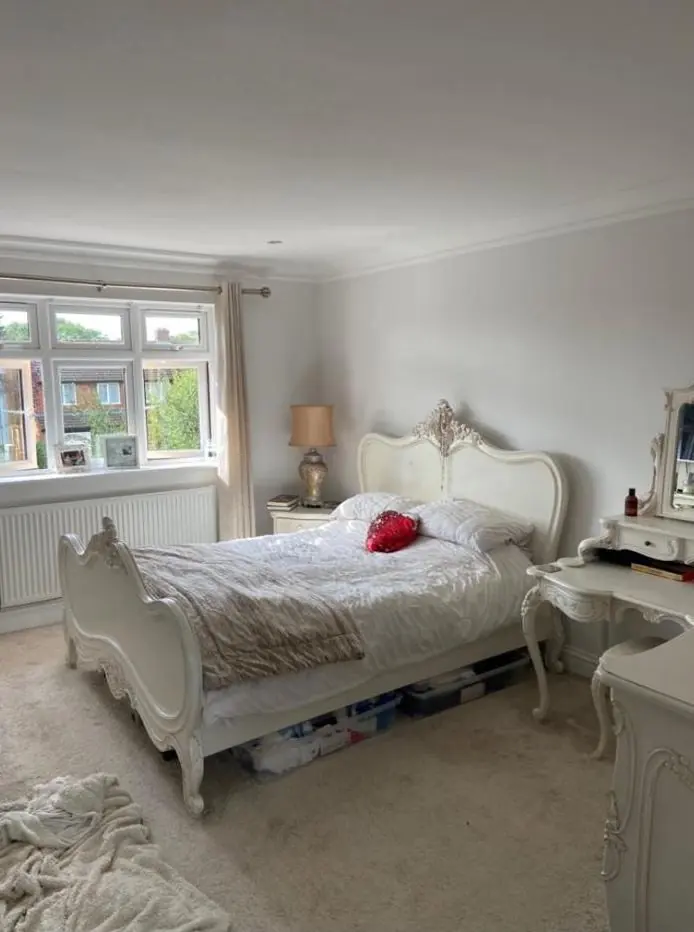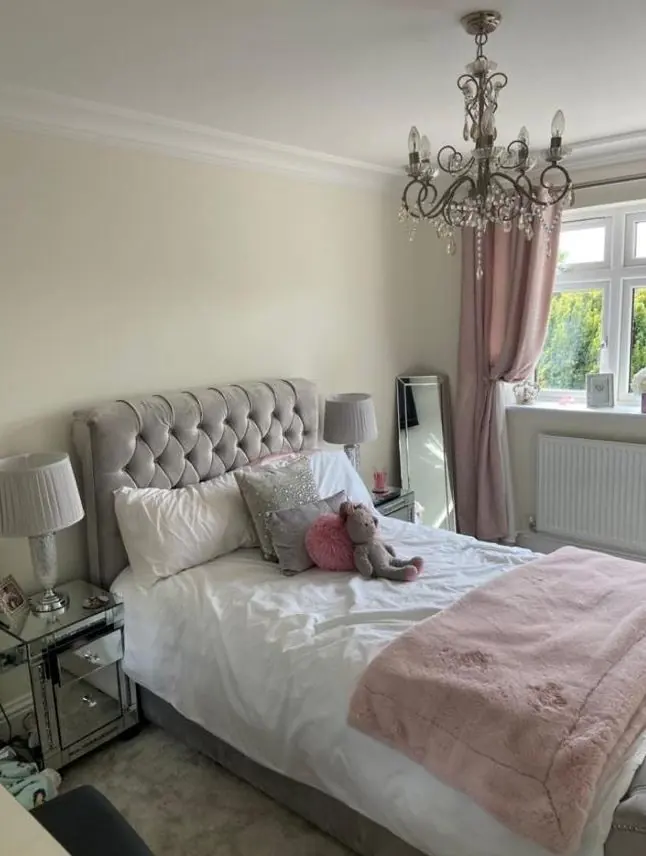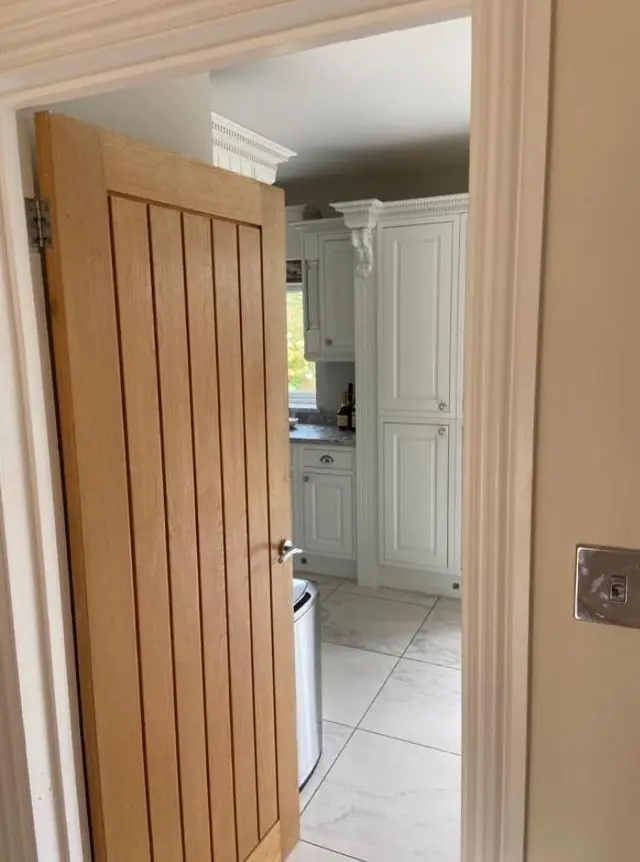
Dean gives colour and finish advice as part of decorating jobs in Moulton Leys, NN3, roughly 3.3 miles north-east of central Northampton. No conservation area covers the estate, so the choices are yours, and the advice focuses on light, neighbouring houses and how finishes wear.
Free to choose, unlike the village next door
Moulton village, immediately to the north, is a conservation area with its own Article 4 direction, which restricts some changes to the outside of houses there. Moulton Leys has no such designation. West Northamptonshire Council lists no heritage Article 4 direction for the estate, so painting a front door, garage door, window frames or a rendered panel in a new colour needs no heritage consent.
That freedom is useful, but it moves the question from what is allowed to what will look right. On an estate built as closes and courts, a single house is rarely seen on its own. You see it alongside the other fronts facing the same turning head, and a colour that would be lovely on a detached cottage can look out of place there.
Thinking about the whole close
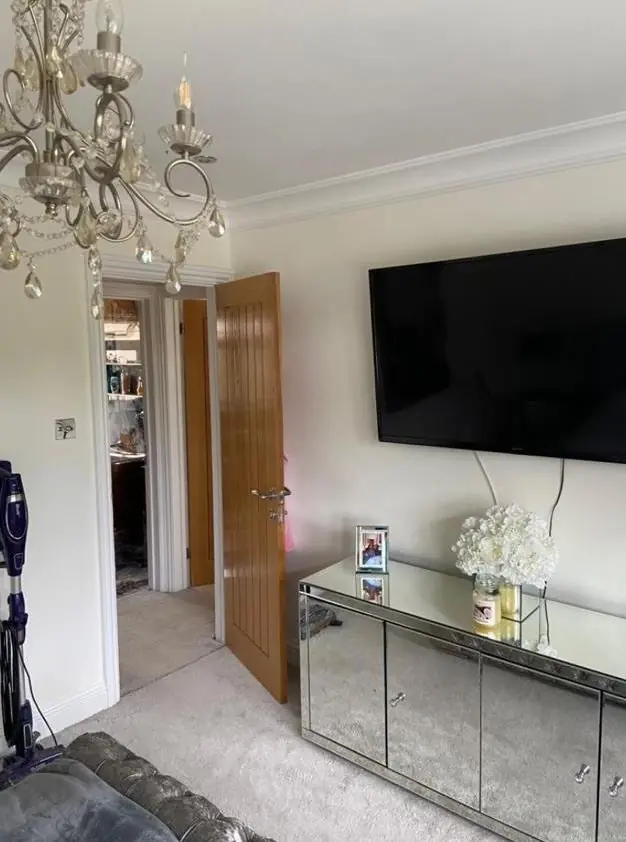
Dean’s starting point for exterior colours on the estate is the houses either side and opposite. Some practical points he covers:
- Doors can carry a strong colour, because they are a small area and read as a personal touch. Deep greens, blues and charcoals sit comfortably next to almost any neighbour.
- Window frames, fascias and garage doors cover far more of the front, so departing from the shade used along the rest of the close stands out much more.
- If several owners on a close are repainting around the same time, agreeing one joinery colour between you keeps the street consistent and lets each of you choose your own door.
Light on the town’s high northern rim
The estate stands on the raised ground beside Moulton Park, which sits at roughly 130 metres and ranks among the town’s highest land, with open farmland stretching away northwards. Rooms on the north side of a house up here get cool, even light with little to warm it, and pale greys can turn flat and slightly blue in them. A white or neutral with a hint of yellow or red holds up better. South-facing rooms take full sun, so very pale colours can bleach out and a mid-tone often looks more like itself through the day.
Because the houses have plain, regular rooms, colour does most of the work of giving a space character. In open-plan ground floors Dean usually suggests a single wall colour throughout with a change of tone, rather than a different colour per zone, so the room reads as one space. The wider reasoning on undertones and light direction is on our main colour and finish advice page.
Shades and sheens that cope with the roads
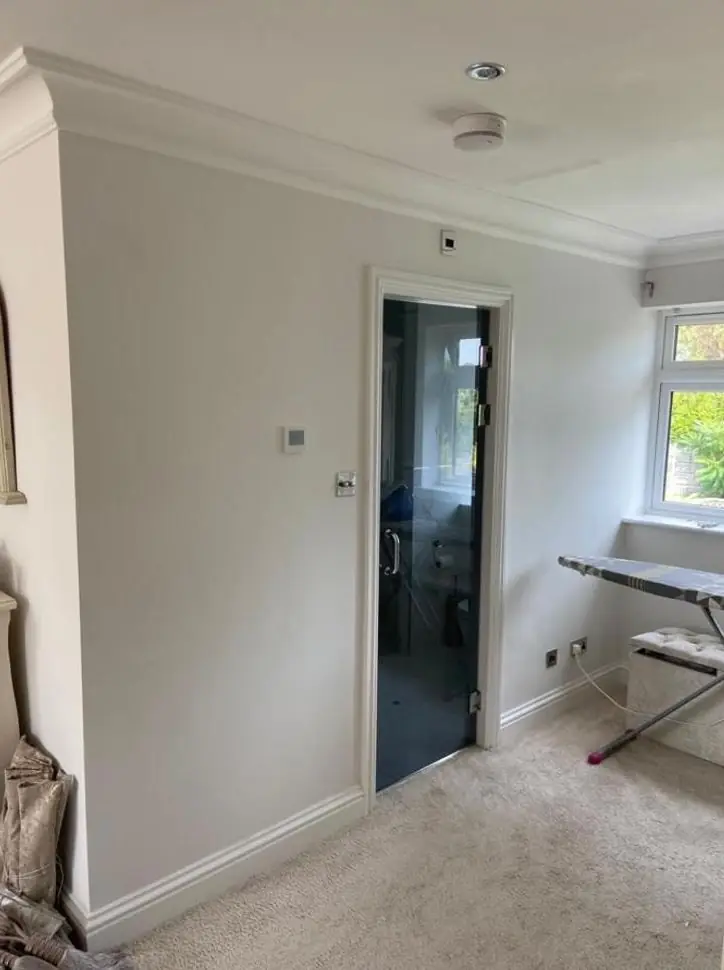
Fronts that look onto Talavera Way, the Moulton Way distributor or the Moulton Bypass collect a film of traffic grime that shows quickly on brilliant white and pale cream joinery. On those elevations, an off-white, stone or soft grey disguises the build-up between washes far better. Sheen matters too: satin on doors and frames sheds dirt more readily than a flat finish, while a full gloss can highlight every dent in older joinery. Exterior colours make most sense chosen alongside the painting itself, which our exterior painting service covers.
Where colour choices do need permission
The listed exception is Moulton Lodge. Because it is Grade II listed, a change of colour to its sash windows, porch or stonework needs checking with the council first, and its stone should not be coated with plastic masonry paint at all. Separately, if you own property in Moulton village, the conservation area rules there apply. Painting, papering and exterior work for the estate are gathered together on our guide to decorating in Moulton Leys.
Last updated by Dean, DH Painter & Decorator.