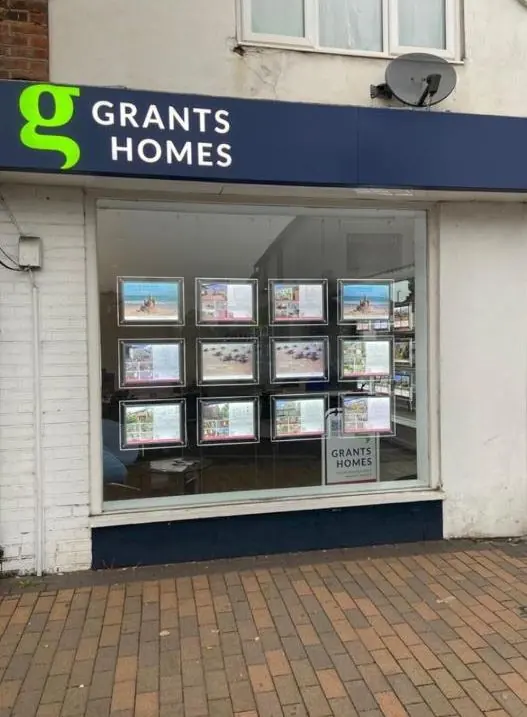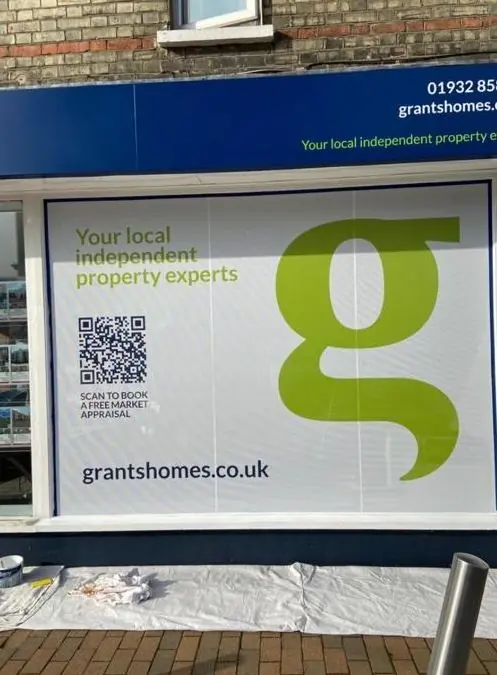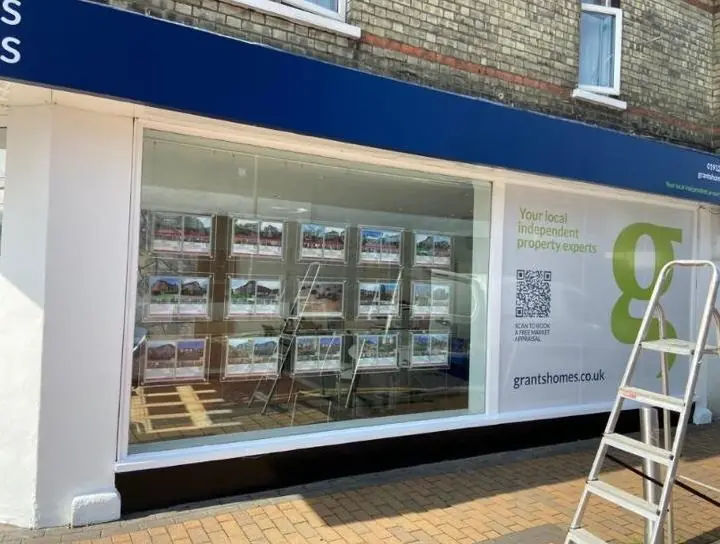
DH Painter & Decorator repaints commercial frontages in Yardley Gobion, the mainly residential NN12 village about 9.7 miles south of Northampton. There are few shopfronts here, mainly the Coffee Pot pub on the High Street, so Dean focuses on traditional colours and working around trading hours. Quotes are free.
A small commercial street
Yardley Gobion is mainly a residential village. Its 2013 conservation area appraisal records one pub, The Coffee Pot, and a post office on the High Street, and the other non-residential buildings are community ones: the churches, the hall, the school and the care home. There is no shopping parade or business park. The Coffee Pot is the only survivor of three coaching-era inns that served the old Northampton road when it was a turnpike, which says something about how long commercial frontages have been part of this street.
So this page is for a small number of owners: the pub, any shop or office unit on the High Street, and community buildings with a public frontage. If you run a business from one of these, the issues below are the ones that matter here.
What the conservation appraisal says about frontages
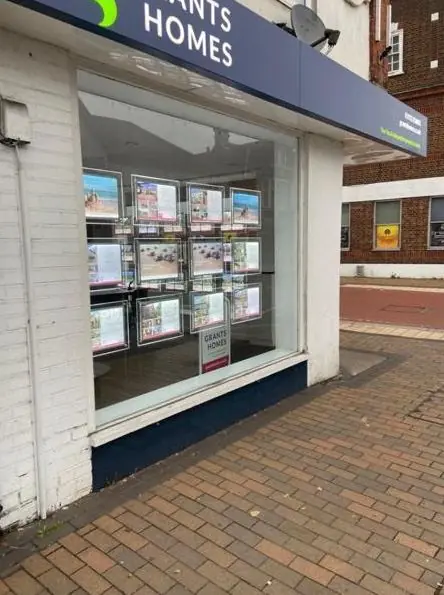
The High Street lies inside the Yardley Gobion Conservation Area. In its list of things that can wear away the area’s character, the appraisal includes shop fronts and signage, along with uPVC windows and doors. For painting, that points to:
- traditional heritage colours, such as deep greens, dark blues, off-whites and muted reds, that sit well against light limestone
- gloss or eggshell oil-based finishes on timber fascias, pilasters and doors rather than bright plastic-looking colours
- keeping painted lettering and signage modest in scale
Several High Street buildings are listed, including Nos 4, 6 and 8, No. 15, Nos 17 and 19, No. 20 and Prospect House at No. 28. If a frontage is on a listed building, a change of colour or new signage may need consent from West Northamptonshire Council, and we suggest checking before a colour is ordered.
Painting around opening hours
A pub frontage needs planning around service. Customers come and go through the main door, deliveries arrive, and drinkers may sit outside in good weather. We agree which hours we can work and which door stays open, and keep wet paint away from the entrance while the pub is open. Low-odour water-based products go on anything near an open door, with oil-based coats done when the building is quiet. The same thinking applies to a post office or shop: preparation early or after closing, finish coats in a dry window, and signs up until the paint is touch-dry.
Timber frontages and how they age here
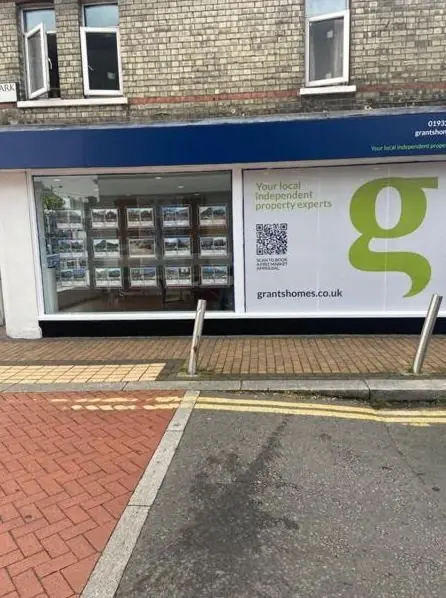
Traditional frontages on a street like this are usually timber: a fascia board, pilasters either side of the door, a stallriser below the window and a panelled door. Each part weathers differently. The fascia catches rain from above and dries quickly, while the stallriser sits close to the pavement and stays damp, and the bottom of the door takes kicks and scuffs. We look at each part separately, fill and prime bare timber, and give the stallriser and door bottom an extra coat. Any painted signage is masked or recorded first so it can be kept or reinstated.
The High Street pinch point
The High Street narrows where it curves west, with houses right on the street edge and a narrow pavement. Commercial frontages here are painted from the footway, so we work in short sections, keep a clear walking route and avoid leaving equipment standing out when we step away. If a tower is needed for a high fascia, we check whether the council requires a permit. The village’s position on the Tove Valley ridge means exposed fronts take more weather, so we plan exterior coats for settled days.
The main shopfront painting page covers the general method, and for interiors of the pub or village buildings, see commercial painting. We cover Yardley Gobion from our Northampton base; the Yardley Gobion area page has more on the village.
Last updated by Dean, DH Painter & Decorator.