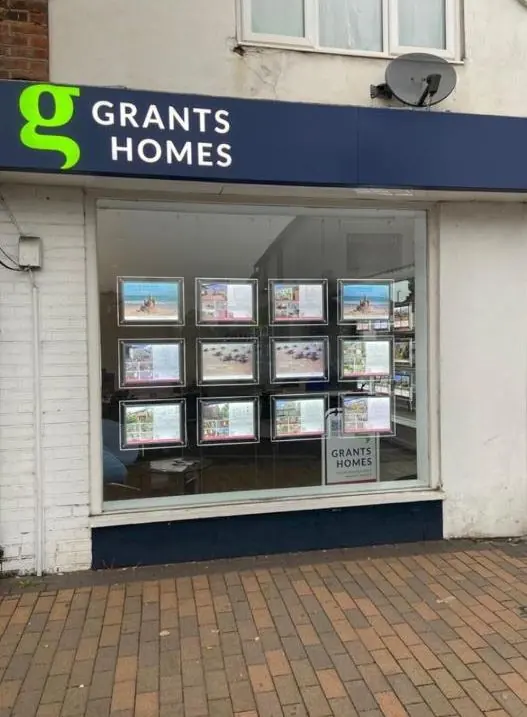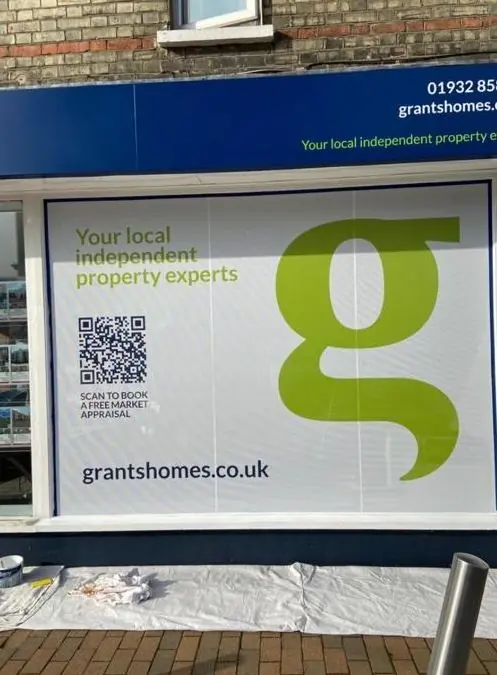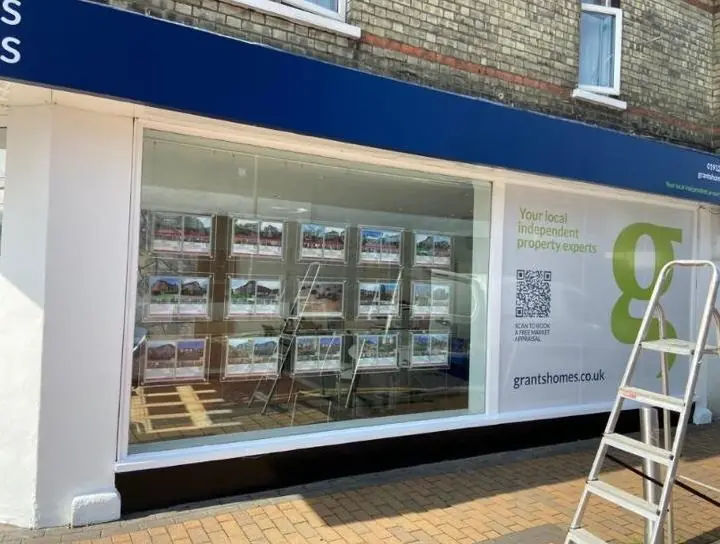
We paint shopfronts, fascia boards, window frames and stallrisers for businesses on the Wellingborough Road in Abington, around 1.6 miles from Northampton town centre. Dean schedules the work around your trading hours and advises on which parts of an older frontage should not be painted.
The Welly Road frontage
The Wellingborough Road, known locally as the Welly Road, is Abington’s commercial street. Its frontages include restaurants, pubs and supermarkets, alongside the 1898 Abington Hotel and Burlington House, the surviving 1892 office front of the Manfield shoe factory, which is now split into business units. For shopfront painting this means a few things:
- it is a busy main road, so pavement space is limited and passers-by are constant
- some older frontages have stone details that should not be painted, as the Abington Hotel shows
- restaurants and pubs trade into the evening, so the quiet window is often the morning
Working around food service and opening hours
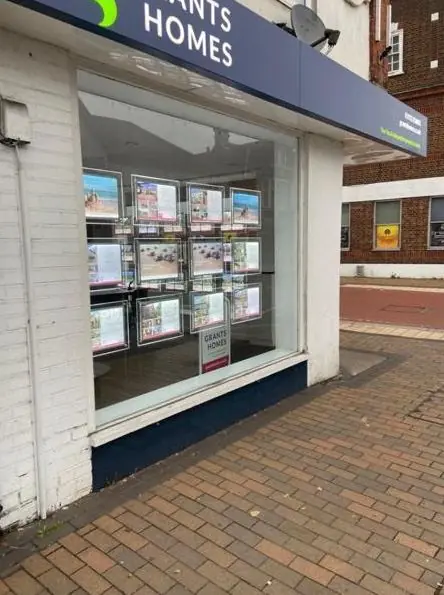
A restaurant cannot have wet paint at the door during lunch, and a pub will not want fumes drifting into the bar. Before starting we agree which hours we can work, which door customers will use, and where staff take deliveries in. We usually do the noisier, dustier preparation when the business is closed or at its quietest, and leave finish coats for settled weather. Low-odour, water-based products go on any part close to an open door or a kitchen extract. Wet paint signs and a clear walkway stay up until the coat is touch-dry.
Because the frontage is right on a main road, we keep our footprint narrow. A podium or short ladder at the fascia is cordoned off, and nothing is left standing on the pavement when we step away. Pub frontages often carry hanging-sign brackets, lantern brackets and basket hooks, and we prepare and paint those along with the joinery so the ironwork does not leave rust streaks down a fresh fascia.
What not to paint: the Abington Hotel example
The Abington Hotel, built in 1898 to designs by Matthew Holding, is a Grade II listed red-brick building with carved stone dressings. Its listing notes that black and red paint applied to the ground-floor stonework spoils the building’s appearance. That is a useful local lesson. On older frontages along the Wellingborough Road, stone pilasters, cornices and carved details look right and stay healthier unpainted. If a previous tenant has painted them, removal is a job for specialist cleaning rather than another coat on top, and on a listed building the council will want to be involved.
Where a supermarket or newer unit has aluminium or steel framing rather than timber, it needs a primer matched to the metal, and access is planned for before opening, when the pavement is quiet.
What we do paint is the timber and metal: shopfront framing, fascia board, stallriser, doors, window frames and any grilles or brackets. On red-brick former factory fronts such as Burlington House, the work is joinery and metalwork only, and changes to a listed frontage should be cleared with West Northamptonshire Council first.
Signage, colour and the rest of the premises
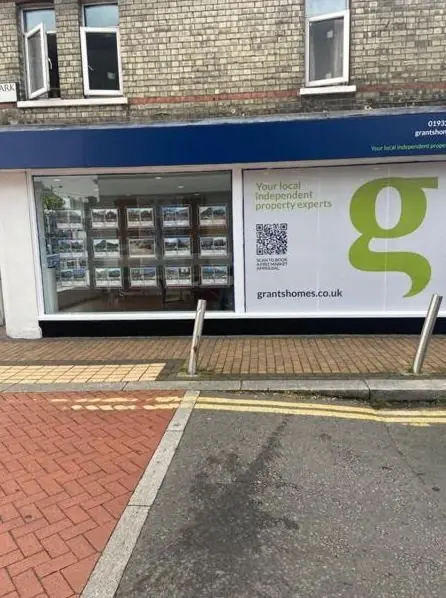
If you are rebranding, tell us when the sign maker is booked so the fascia board is painted and cured before lettering goes on. Colour is your choice, but on a street with listed buildings close by, a shade that suits the building usually ages better than one picked only to match a logo. For interiors and back-of-house areas, see our commercial painting service. The main shopfront painting page covers preparation and products in more detail, and our Abington area page lists everything else we cover nearby.
Last updated by Dean, DH Painter & Decorator.