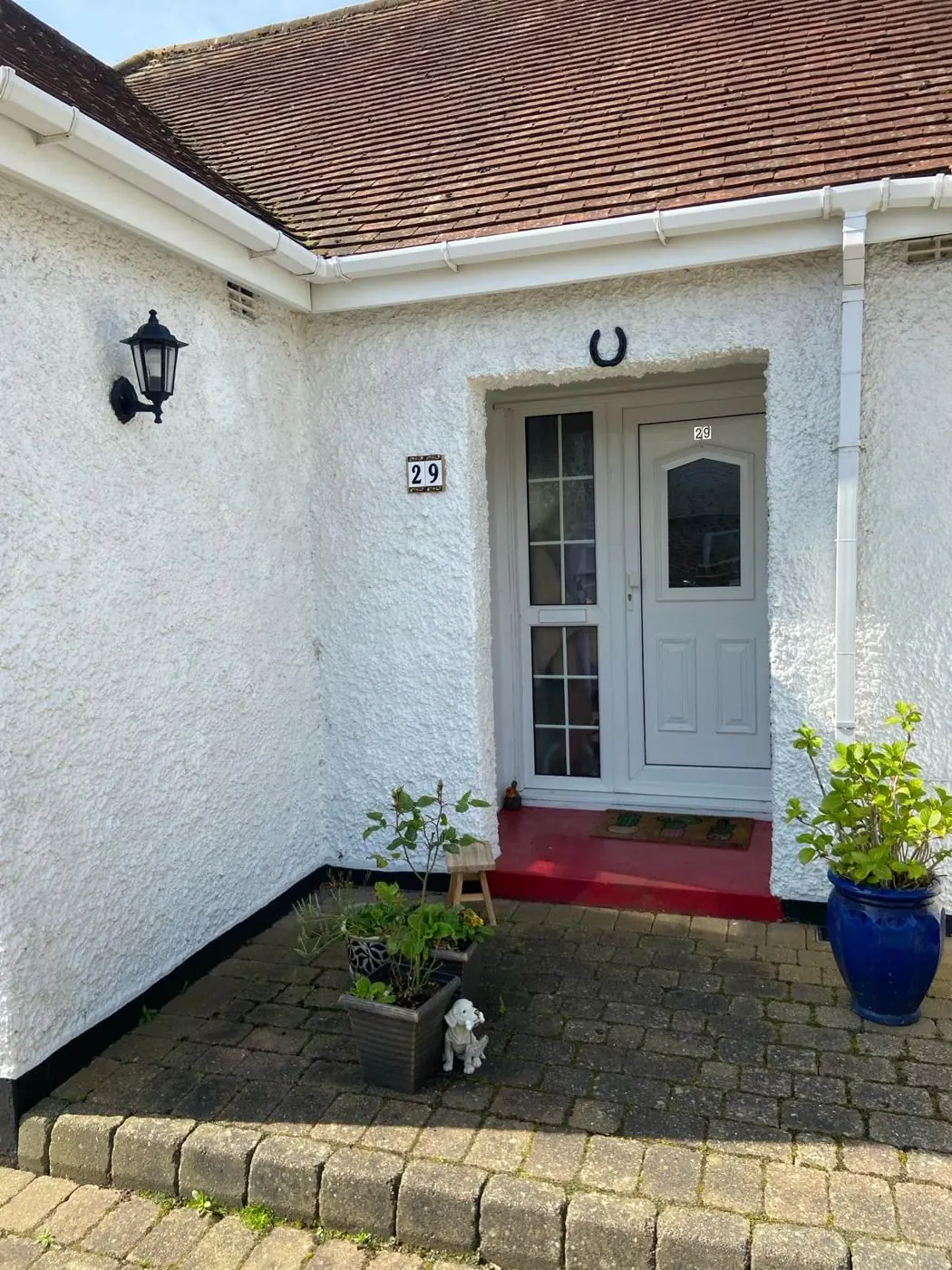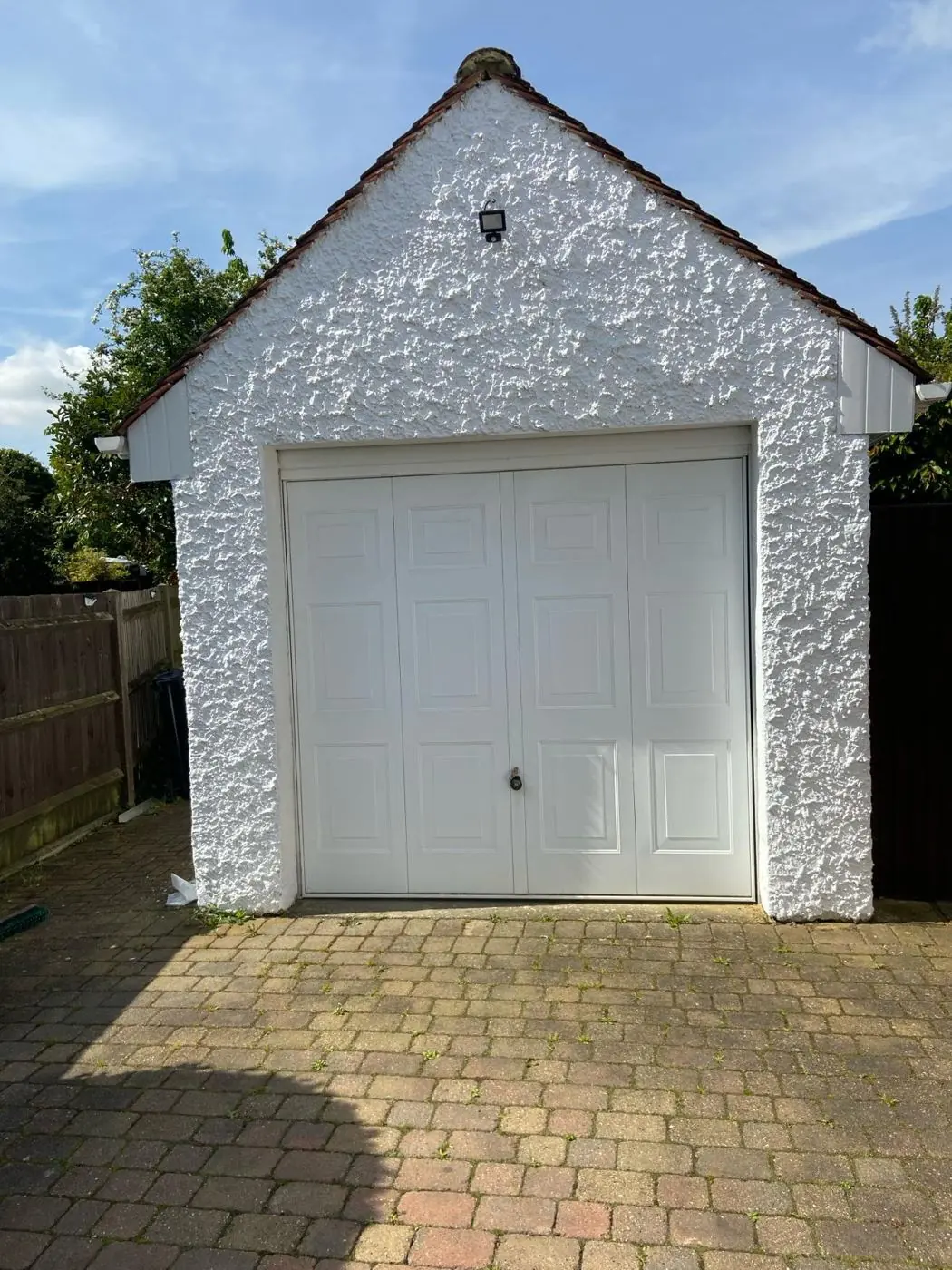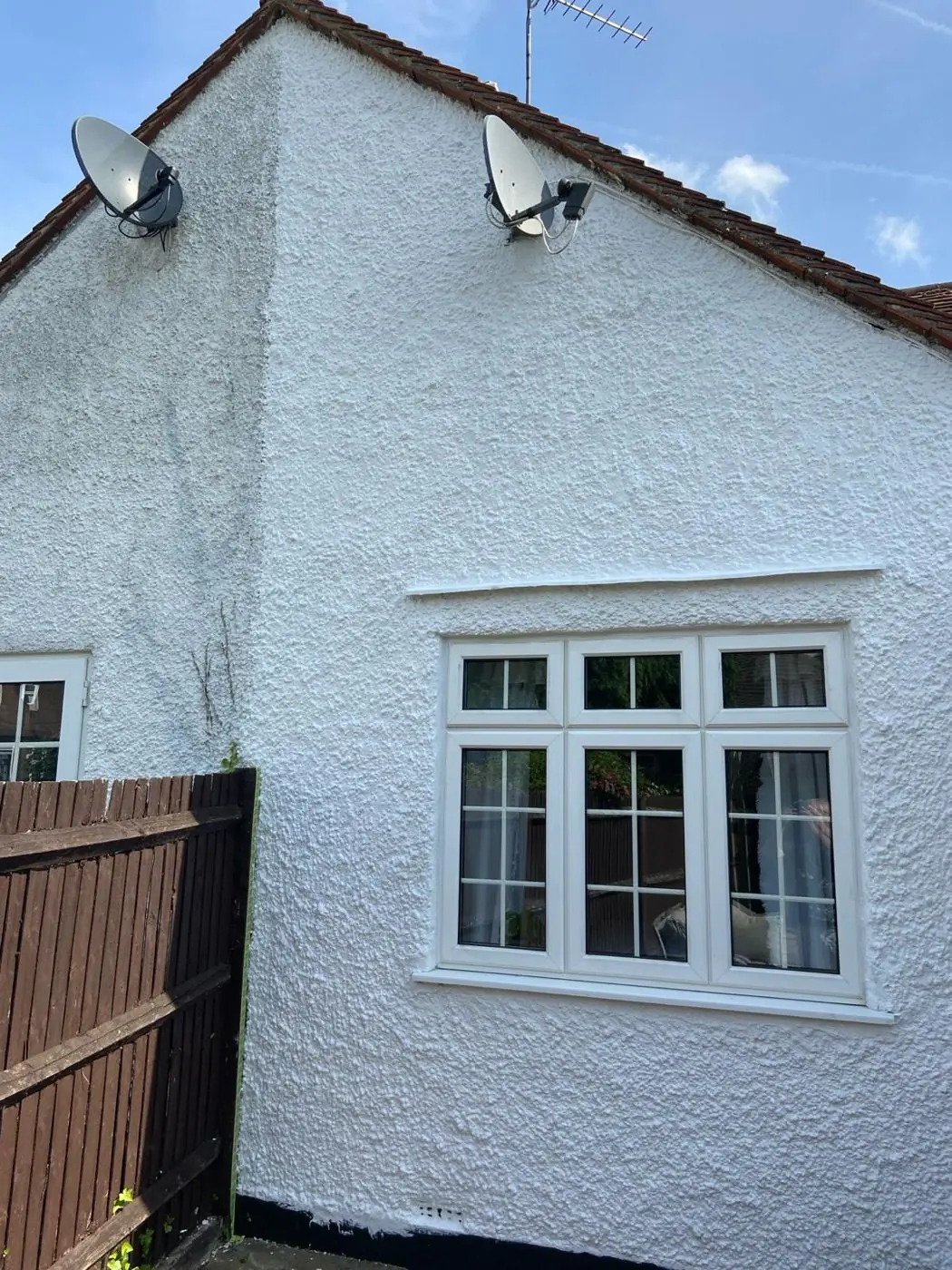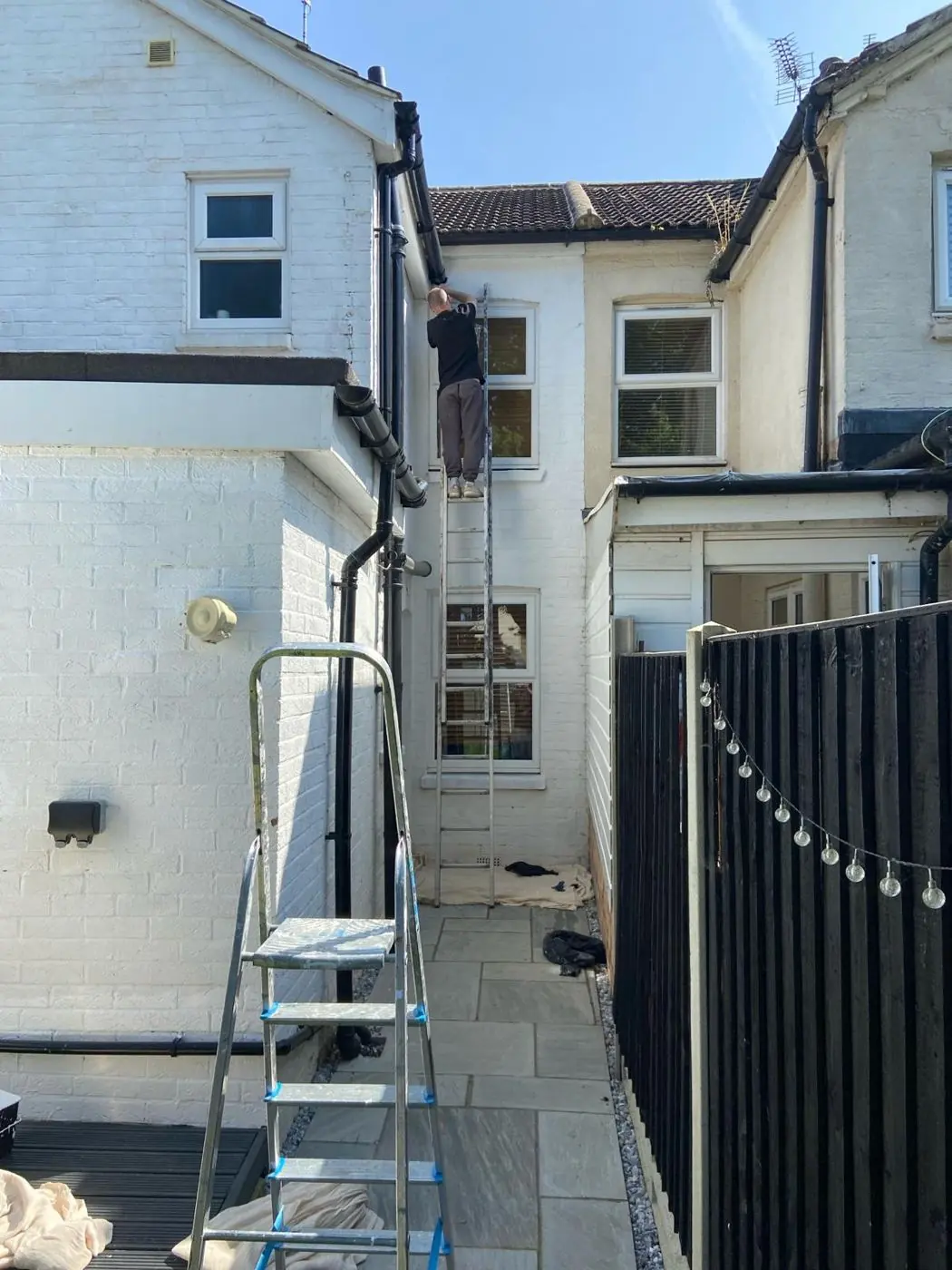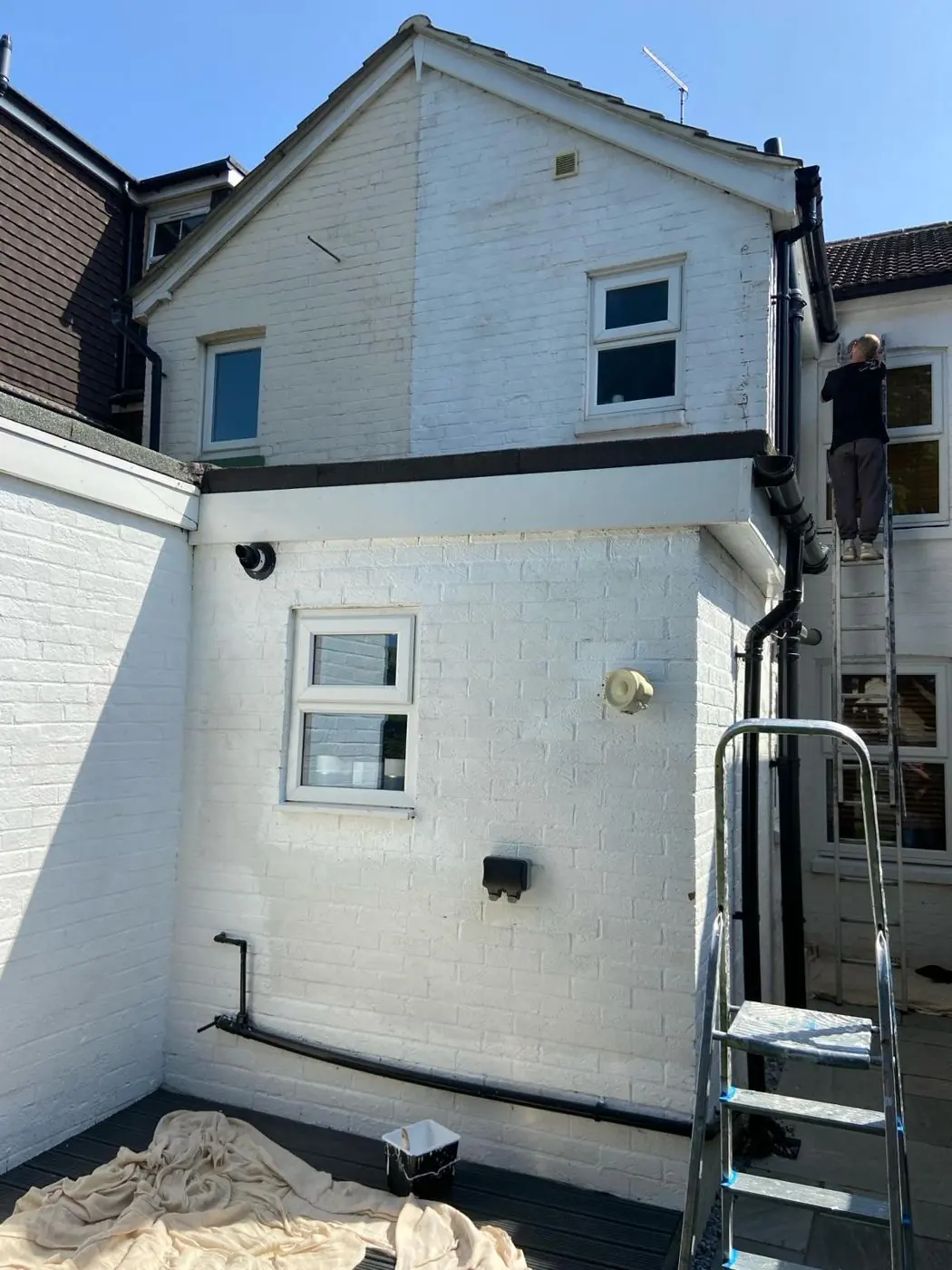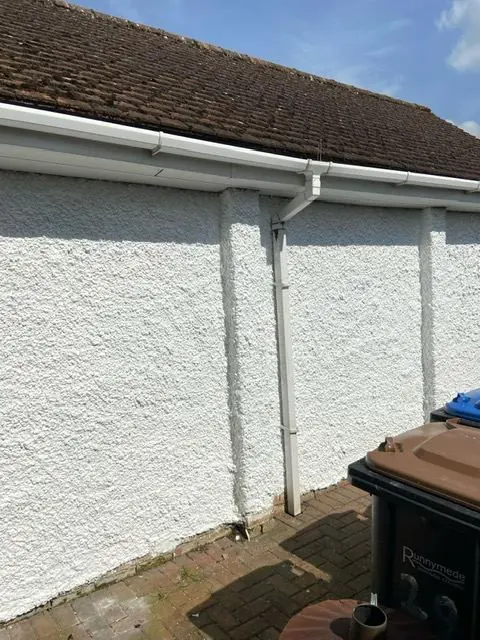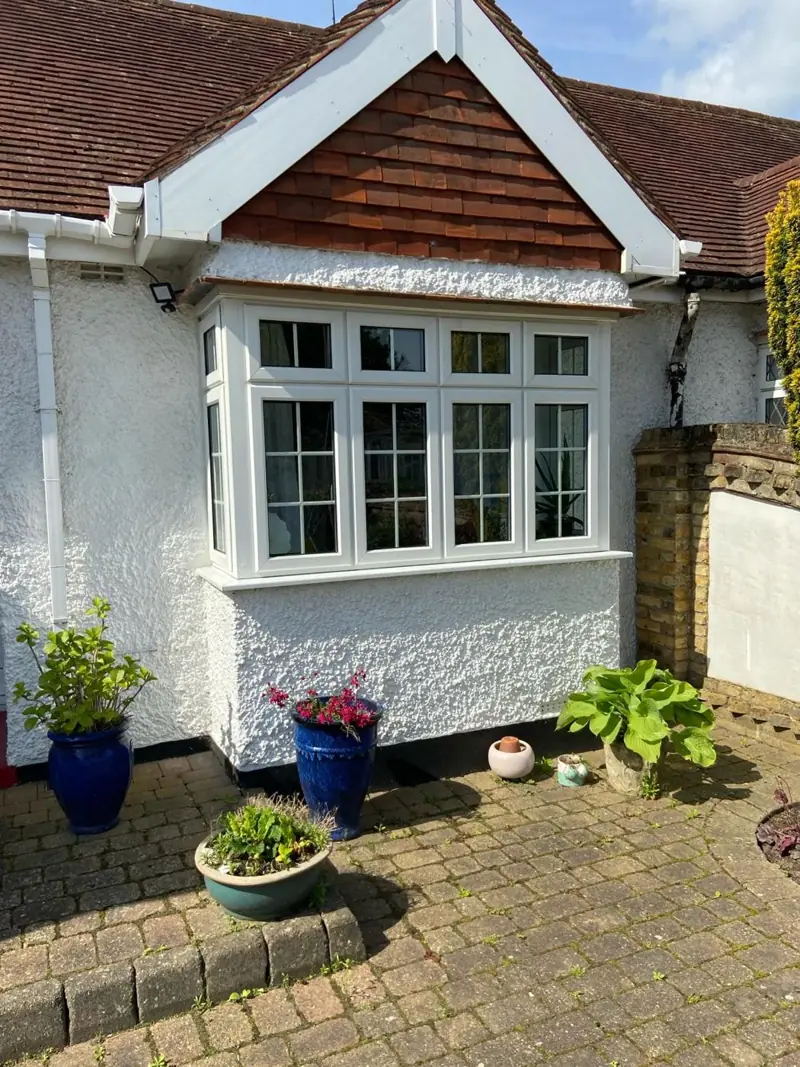
We paint render, pebbledash and previously painted brick on houses in Abington, NN1, about 1.6 miles north-east of Northampton town centre. Dean will also tell you plainly when a wall in the district should not be painted at all, which applies to a fair amount of its stone.
Which Abington walls are rendered
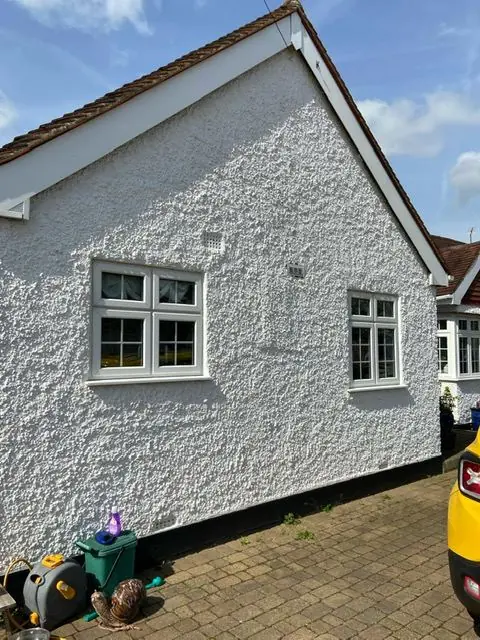
Render is not the first thing you notice in Abington. Estate agents describe a large share of its homes as either Victorian or built between the 1930s and 1950s, and it is that second group where masonry painting normally comes in. Houses from those decades often have a pebbledashed or rendered bay, a rendered upper storey or a full roughcast finish, and once painted they need repainting on a cycle. Victorian terraces and the park-facing houses are a different story. Where their walls are bare brick, painting them for the first time is a big decision we would talk through rather than simply quote for.
Converted factory and warehouse buildings also turn up in Abington. Where a conversion has a rendered rear extension or a painted brick yard wall, that is masonry work too, and it is often reached through the building rather than from the street.
Stone that should stay unpainted
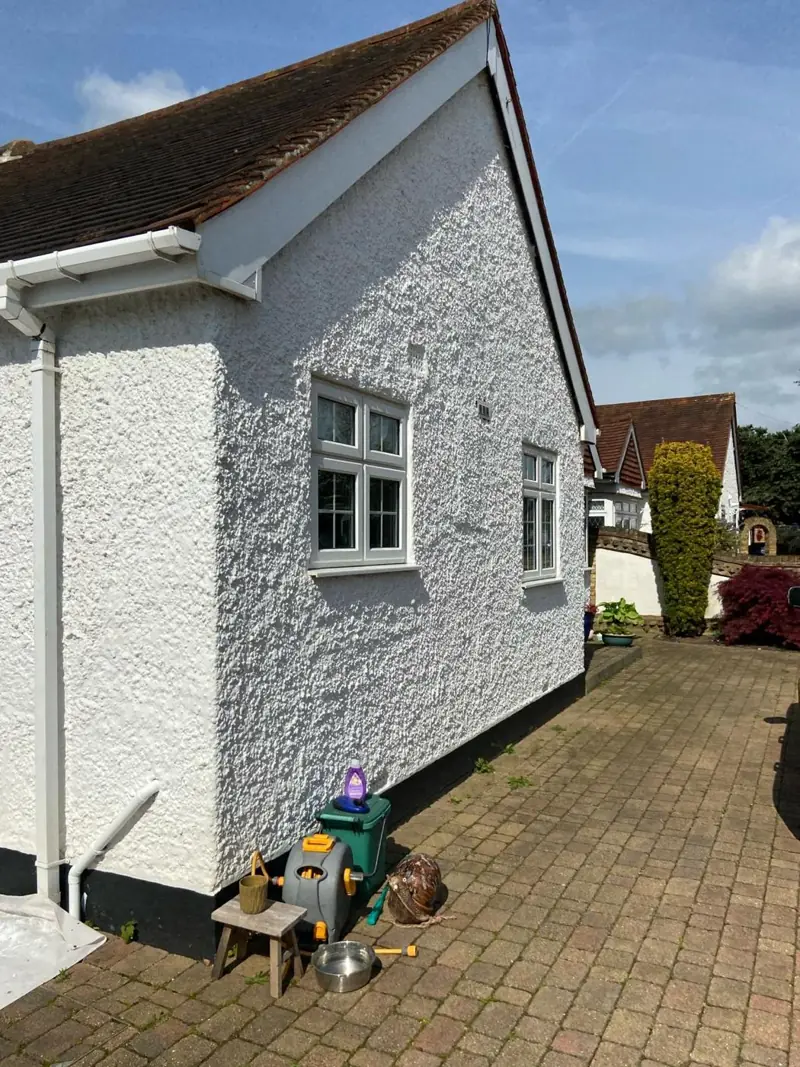
The oldest buildings in the district are stone. Archway Cottages at 9-12 Wellingborough Road and The Cottage on Christchurch Road are squared rubble with late 17th-century origins, and 1-4 Abington Cottages on Abington Avenue, built in 1846 as almshouses, are ashlar-dressed squared rubble. All three are Grade II listed. Masonry paint on walls like these traps moisture, harms the stone and would very likely need listed building consent anyway. We will not paint them.
There is a cautionary example on the main road. The listing for the Abington Hotel, an 1898 red-brick building with carved stone dressings, notes that black and red paint on its ground-floor stonework spoils its appearance. Burlington House at 369 Wellingborough Road and Mobbs Miller House on Christchurch Road are listed red-brick former shoe factories with stone details. On buildings of this type the right work is to windows, doors and metalwork, never the brick or stone.
Damp, shade and algae near the park
Abington Park sits in a valley with lakes, a stream and ponds, and its tree avenues shade the houses along its edges. Rendered walls that face north or sit under trees stay damp longer and go green. Before painting we:
- apply a fungicidal wash and leave it to kill the growth before brushing it off
- tap pebbledash for hollow or blown patches, and point out any that need a plasterer
- treat chalky old paint with a stabiliser so the new coat bonds
- look at gutters and downpipes, since a leak is often what keeps a patch of render wet
Only then does breathable masonry paint go on, in two coats, on days when the wall is dry and the forecast holds. Shaded render here can take a full dry day to lose its surface moisture after rain.
Abington wall types at a glance
| Wall | Where you see it | Our advice |
|---|---|---|
| Pebbledash or render bay | 1930s-50s houses | Clean, repair, two coats of masonry paint |
| Brick already painted by a previous owner | Yard walls, some older fronts | Repaint with a breathable masonry finish |
| Bare brick | Unpainted terrace fronts, red-brick former factory frontages | Usually leave unpainted; discuss first |
| Squared rubble or ashlar stone | Listed cottages and almshouses | Do not paint |
| Carved stone dressings | Wellingborough Road commercial buildings | Leave bare |
For preparation and products in more depth, see our main render and masonry painting service and the guide to painting render and roughcast. Other work we cover in the district is on the Abington page.
Last updated by Dean, DH Painter & Decorator.