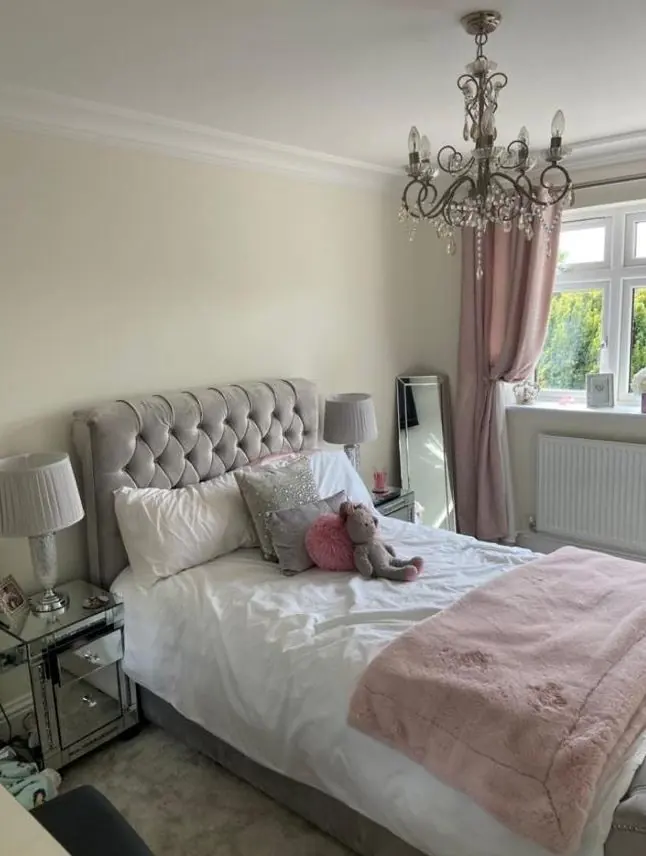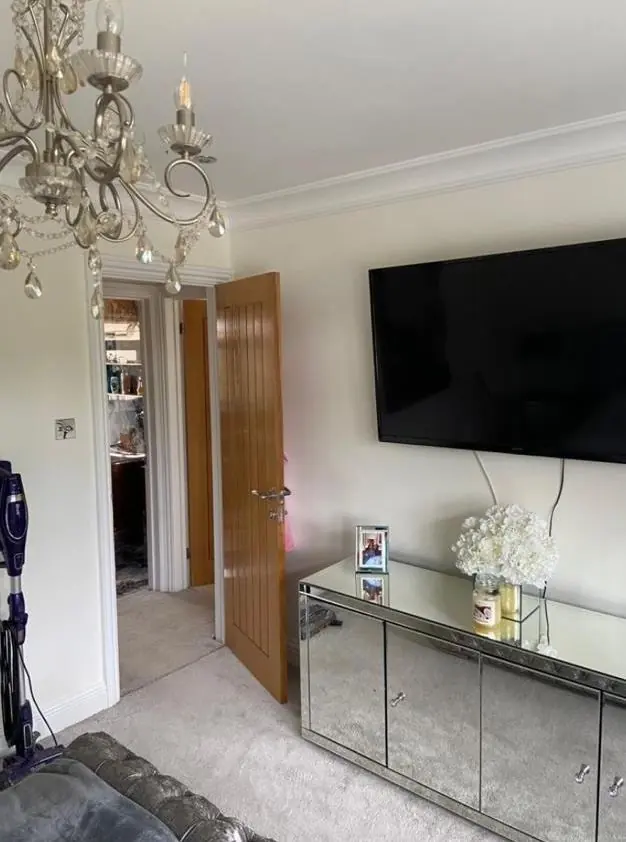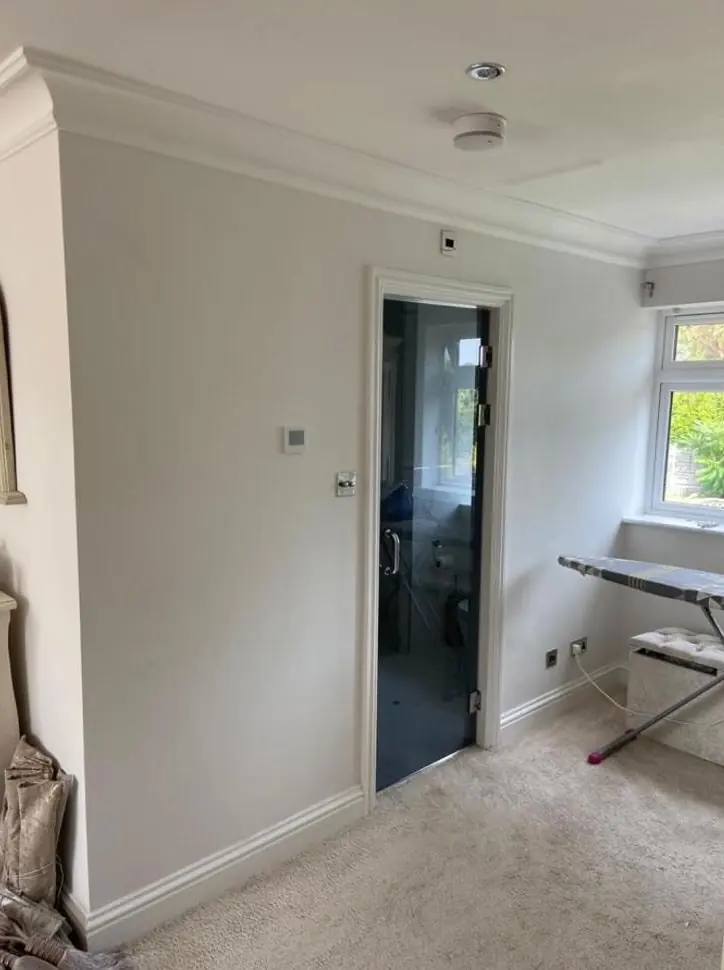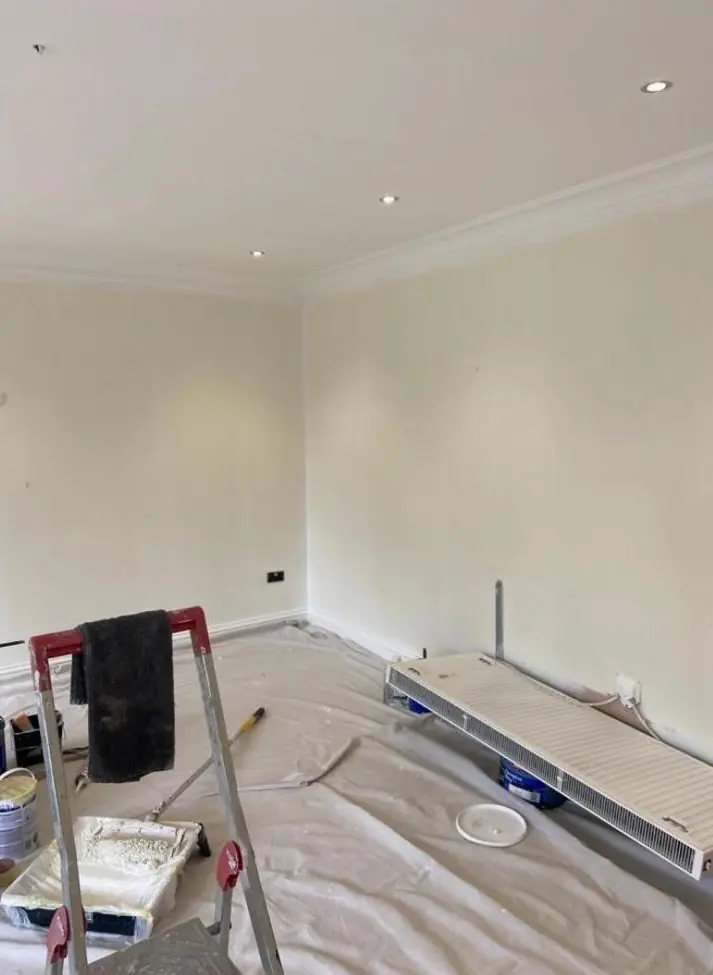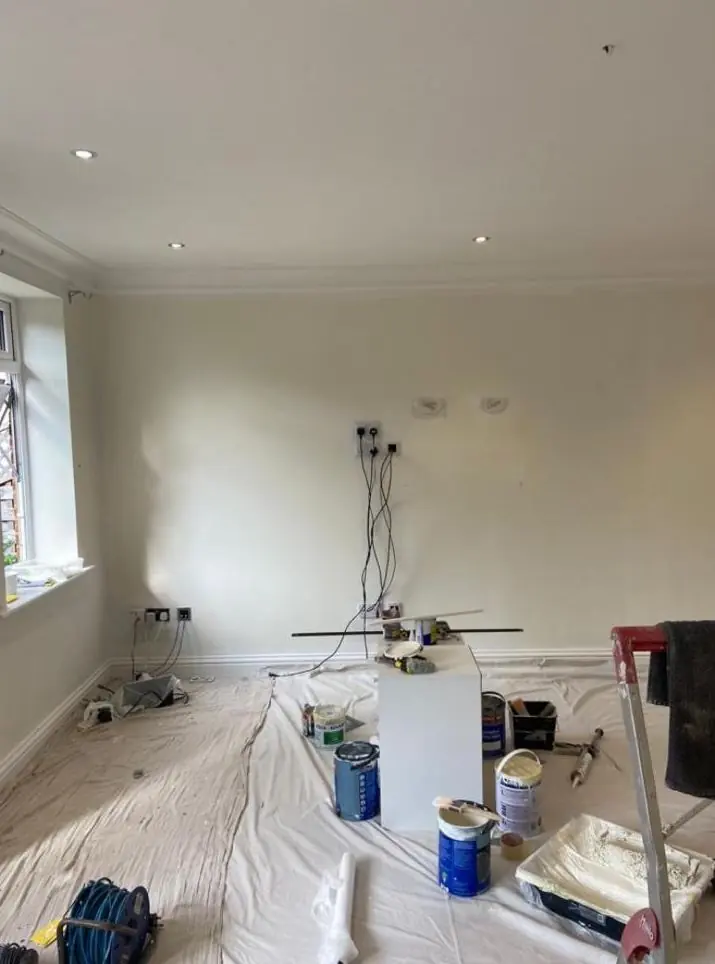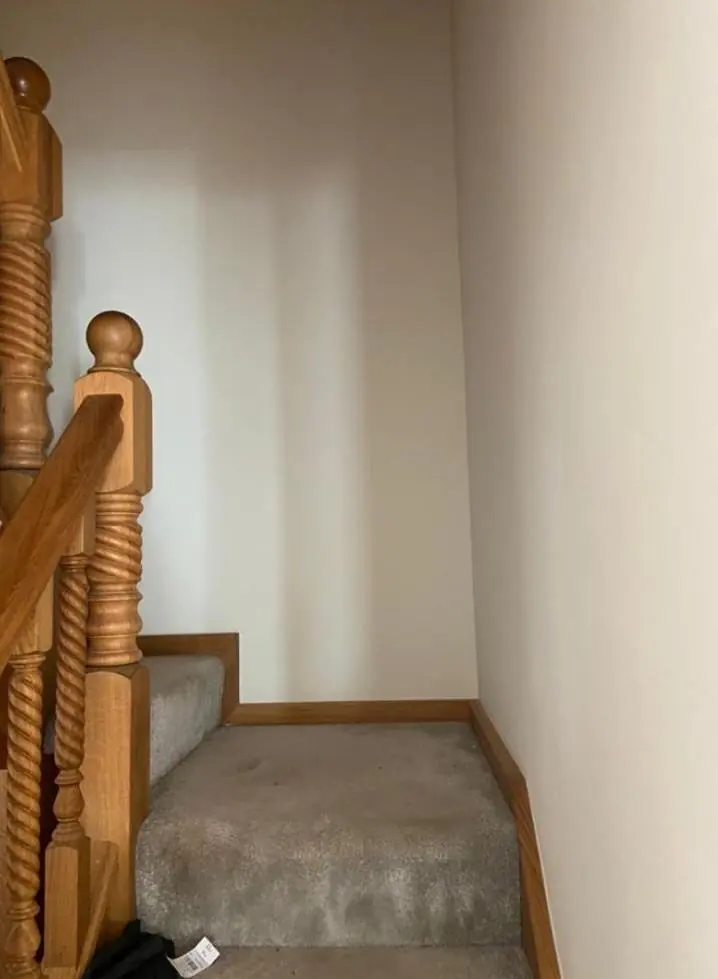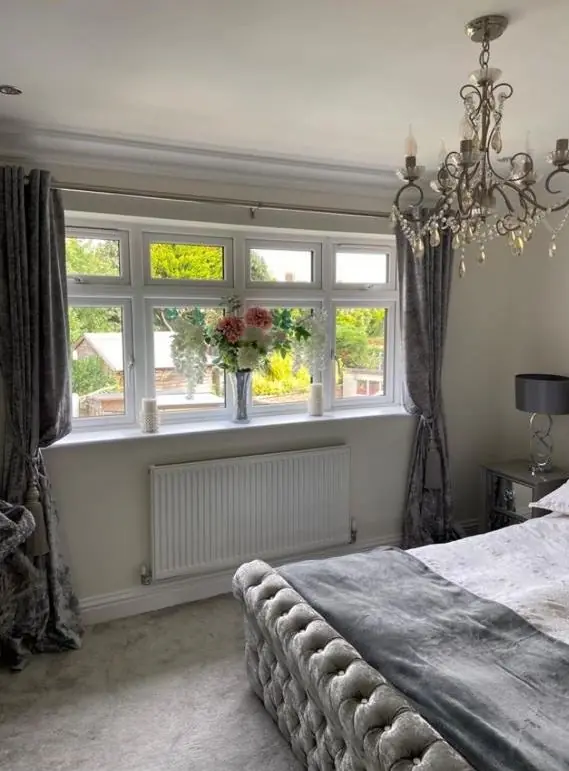
Dean paints interiors across Abington, about 1.6 miles north-east of Northampton town centre along the Wellingborough Road. Most rooms here sit in Victorian terraces, larger early-1900s houses facing Abington Park, or flats in converted factories, and each of those needs its own approach to prep, access and finish.
Three kinds of interior on one district map
Abington grew in layers. The terraced streets named in local listings, such as Palmerston Road, Wilby Street, Manfield Road, Harold Street, Turner Street and Ashburnham Road, date from the late 19th century. The houses looking onto Abington Park went up mostly between about 1900 and 1925. Then there are the industrial buildings: factories and warehouses, some of which have since been turned into flats. Inside, these three groups have almost nothing in common, so the quote starts with which one you live in.
- Terraces: compact rooms, a narrow hall, and plaster that may still carry its original cornice and picture rail.
- Park-facing houses: bigger rooms and higher ceilings, with front windows looking onto open parkland.
- Converted factory flats: tall walls, long window runs and sometimes bare brick left exposed as a feature.
Lath ceilings and cornices in the Victorian streets
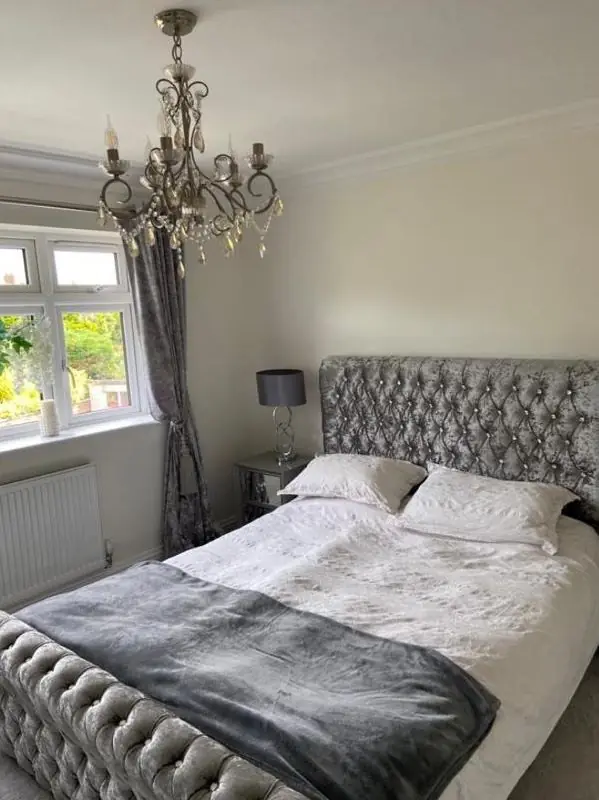
Where a terrace keeps its original ceilings, they are often lath and plaster. Over a century they develop fine cracks, slight sags and old repairs that show through fresh emulsion under a ceiling light. Before painting, we check for loose areas by pressing gently along the cracks. Sound cracks are raked out, filled and sanded flush. Anything that moves is pointed out to you rather than painted over, because a ceiling that needs a plasterer will not be fixed by a decorator.
Cornices in these houses have frequently been painted many times, and the crisp edges of the moulding fill up with old distemper and emulsion. Cleaning out a run of cornice by hand is slow, and it is optional, so we quote it as a separate item. If you just want the cornice freshened, it gets a careful cut-in in a ceiling white so the line stays sharp against the wall colour.
Some of these terraces have no usable rear access, as planning minutes record for Cedar Road. Everything we bring in comes through the front door and down the hall, so the hall floor and stairs are covered first and the hallway itself is normally painted last.
Bigger rooms facing the park
The early-20th-century houses on parts of Christchurch Road, Park Avenue South, Abington Park Crescent and Wellingborough Road have rooms on a larger scale. Higher ceilings mean a stable platform or tower for the top of the walls, and a large wall in good light shows up every roller mark and patch of uneven sheen. On these walls we keep a wet edge across the full height and avoid patch-filling just before the final coat, so the finish reads evenly from every angle.
The trees opposite play a part too. Rooms at the front pick up green, filtered light in summer, which can make a cool grey look flat. If you are unsure which shade will work, our colour advice covers how to test samples in that light.
Painting inside former factories and warehouses
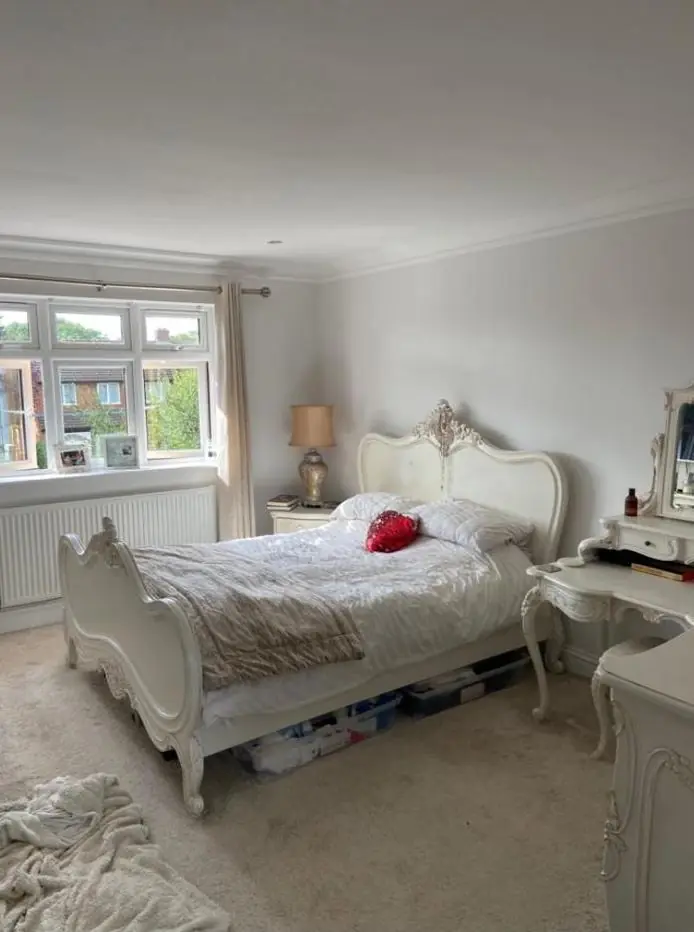
Flats in converted industrial buildings bring their own problems. Walls can be well over a standard domestic height, so we bring an access tower rather than relying on a stepladder. Long runs of windows mean a lot of cutting-in along reveals and frames, and exposed brick next to painted plaster needs a steady line where one stops and the other starts. Where brick has been left bare, we leave it bare unless you ask otherwise, since sealing or painting it changes its look for good.
Flats in these buildings often have residents above and below, so we agree times with you and keep the shared stairs clear at the end of each day.
Planning the job
Dean visits, looks at the surfaces in each room and gives you a written quote that separates prep from painting. Our main interior painting page explains our general method and the paints we use. For the rest of what we do in the district, see our Abington area page.
Last updated by Dean, DH Painter & Decorator.