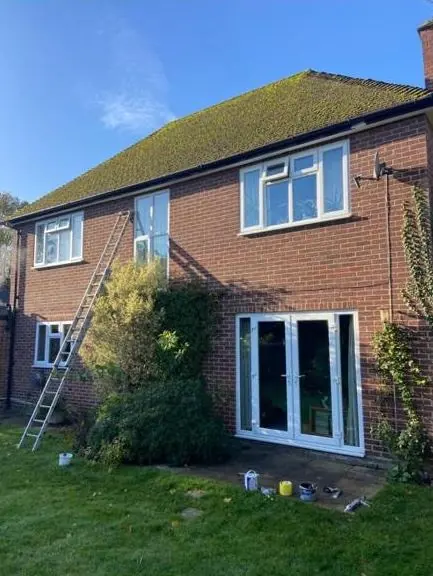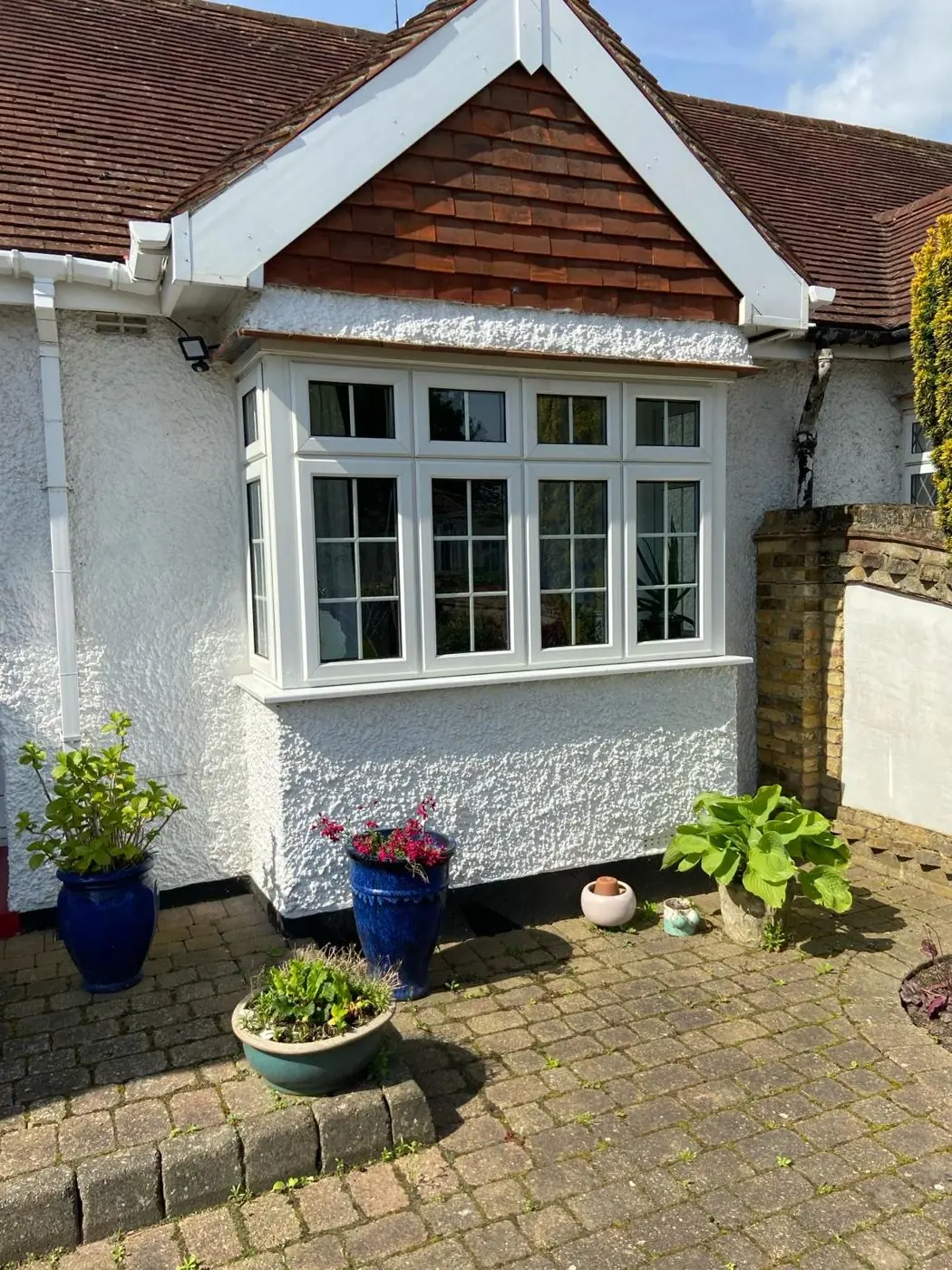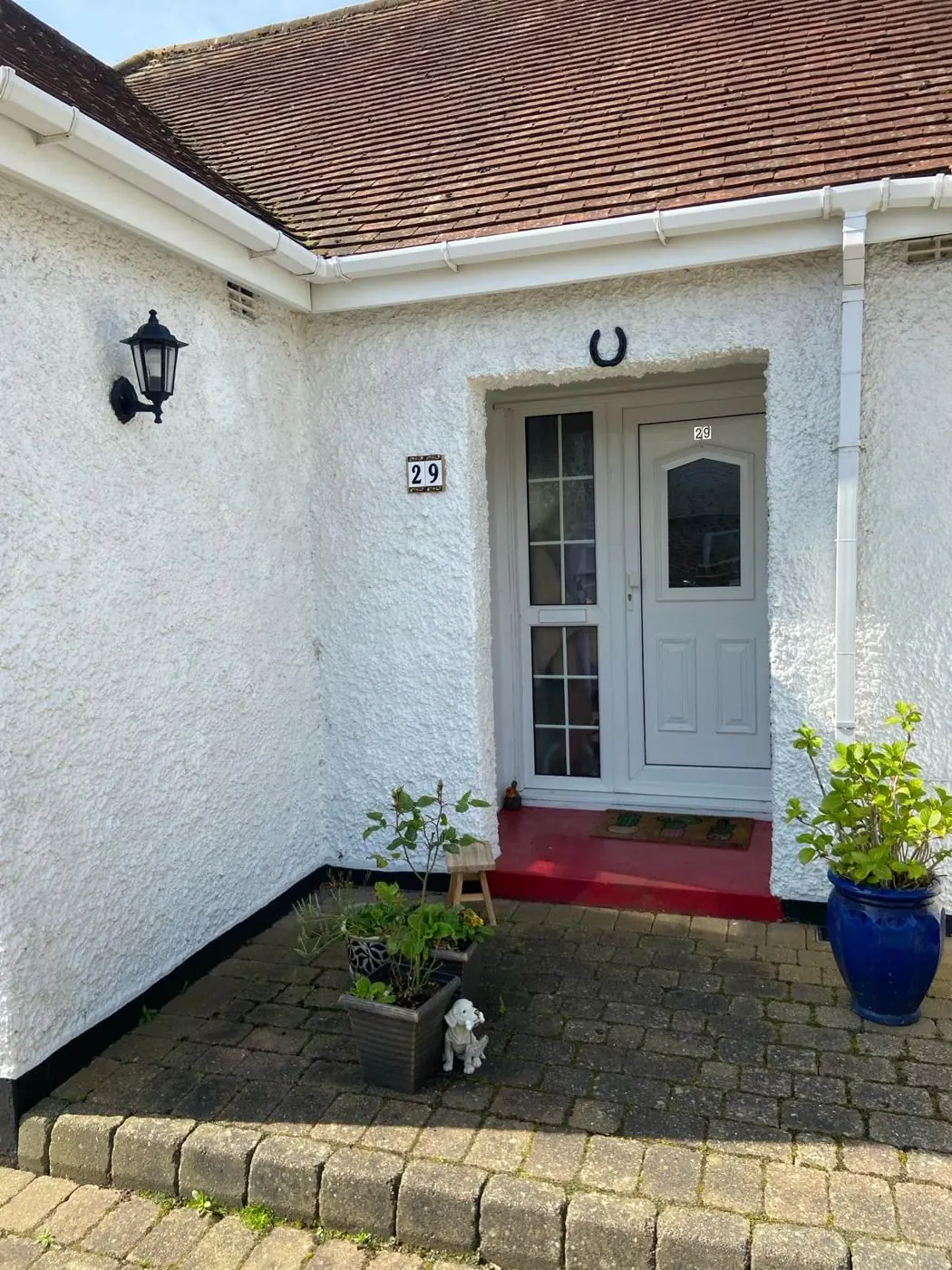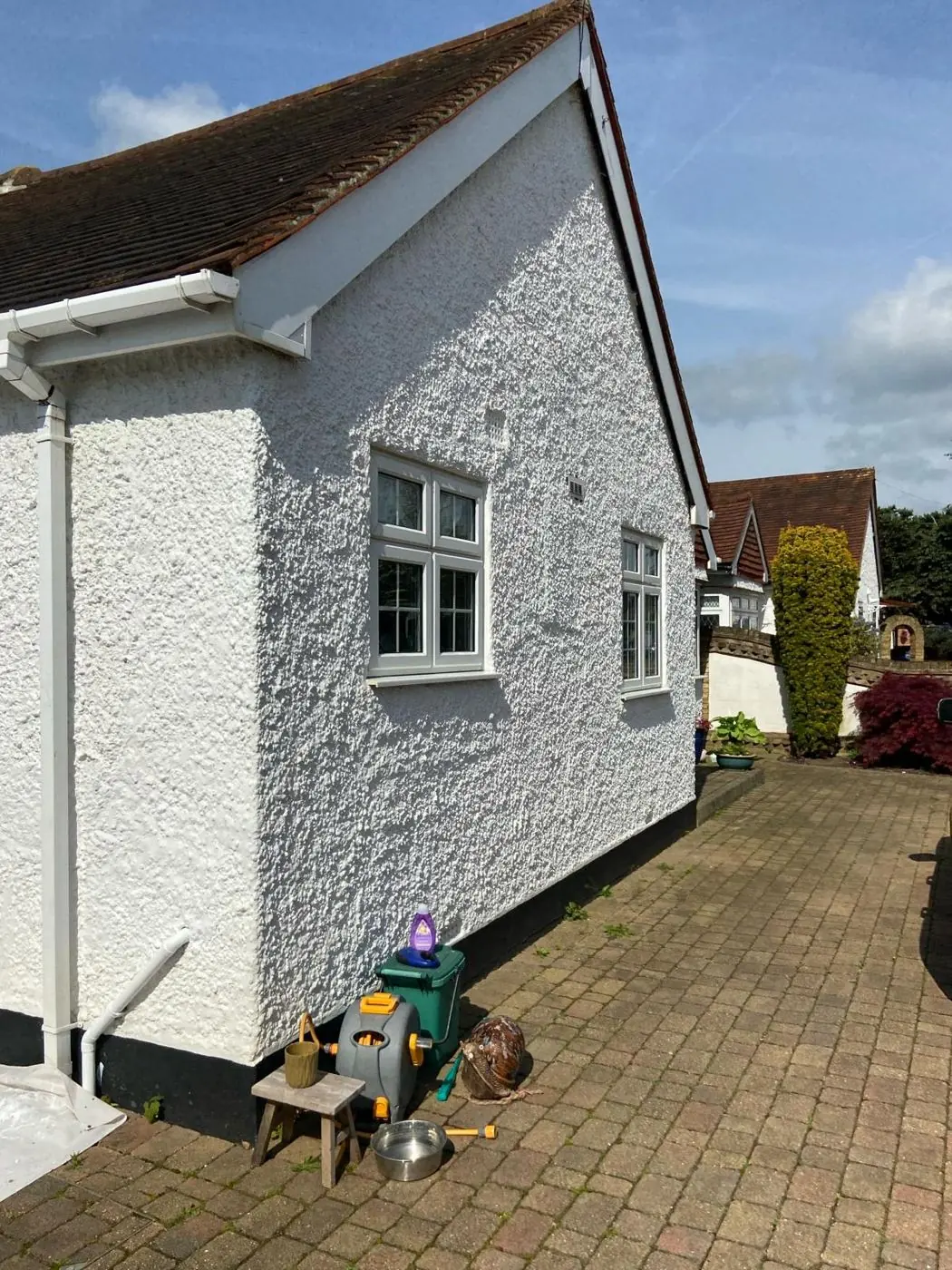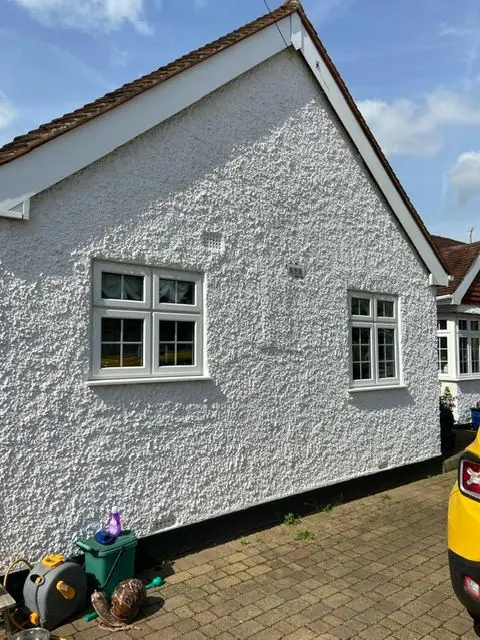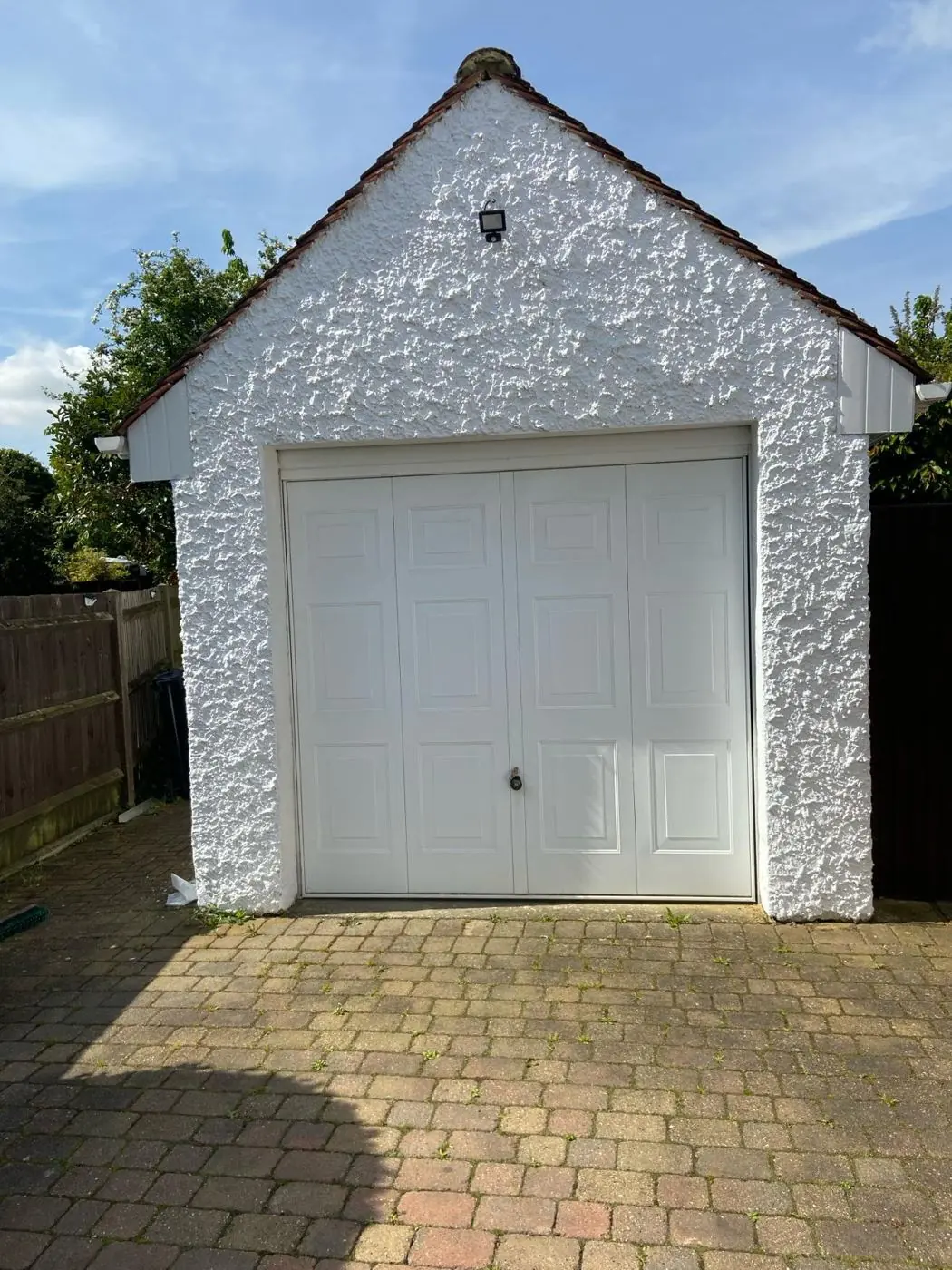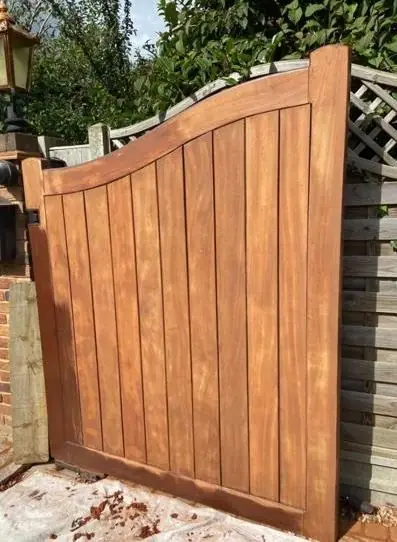
DH Painter & Decorator paints house exteriors in Bozeat, the NN29 village on the A509 south of Wellingborough. Dean travels out from Northampton, roughly 9.4 miles to the east, and quotes after walking round the house to see which walls, joinery and boundaries need work.
Old stone core, newer estates: two different jobs
Bozeat’s housing falls into two groups, and an exterior quote starts by working out which one your house belongs to. The older core grew up as a shoemaking village, and its surviving 17th and 18th-century cottages and farmhouses are coursed limestone, several of them dated just after the Great Fire of 1729. Some of those fronts are already painted, such as Little Thatch on Dychurch Lane and 5 Dag Lane. Solid stone walls like these move moisture in and out, so any repaint has to use a breathable mineral or limewash-compatible coating rather than an ordinary plastic masonry paint.
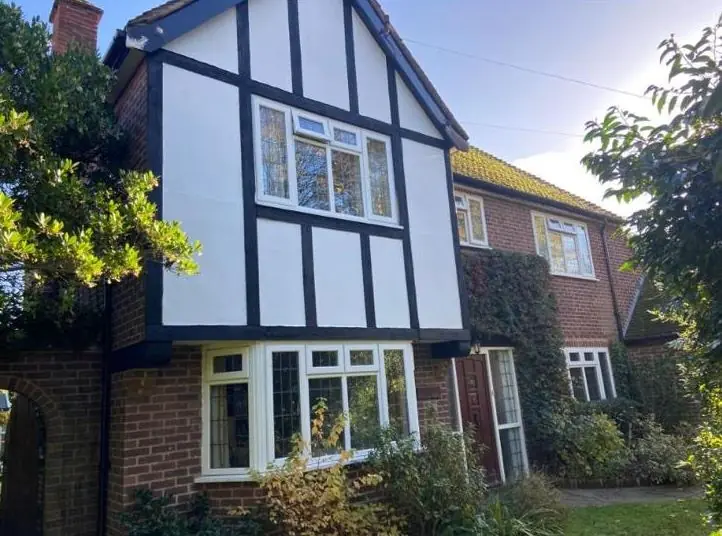
The second group covers the mid-century estates, three of them privately built in the 1960s and 70s, plus the homes on the cleared Gola site. Those houses take a conventional exterior system: masonry paint on any rendered panels, gloss or satin on timber, and a check of uPVC, which we clean rather than paint unless you ask for a specialist coating. The post-1999 homes are now more than 20 years old, so original builder finishes on doors, frames and boards are often due their first full redecoration.
Thatch, lintels and leaded casements on the old lanes
On Mile Street, Dychurch Lane, Easton Lane and Church Walk, many listed cottages sit right on the street and several are thatched. Thatch brings deep eaves with no fascia board, and it is easily damaged, so ladders are never rested against it. We use stand-offs or a tower where the eaves overhang, and sheet the base of the thatch where we work near it.
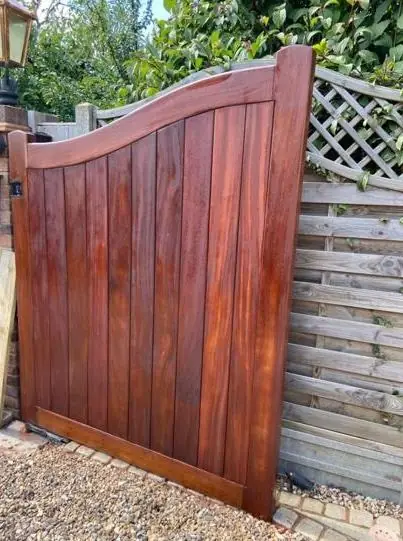
Windows on these houses are usually timber casements under exposed wood lintels, many with leaded lights. The lintels weather faster than anything else on a limestone front, so we probe them for soft timber and prime bare wood in the same visit as the casements. Leaded panes are masked by hand and the frames brushed with a flexible oil or alkyd paint that moves with the timber. Spraying is not suitable here.
Datestones and stone or brick dressings, such as the yellow brick around the sashes at 29 Mile Street, are part of the character of the village. Before we start, we ask whether a painted datestone should be picked out in a colour or left as bare stone.
Listed buildings and changing a colour
Bozeat has sixteen listed buildings, including the Grade I church of St Mary. For a listed house, painting a bare stone front for the first time, or making a marked change to the external colour, can need listed building consent from North Northamptonshire Council. Like-for-like repainting is usually more straightforward. Where a house is old but not listed, we still check with the council before suggesting a bold change, because we could not confirm from its published pages whether Bozeat has a conservation area. If your house is from the estates, none of this normally applies.
Booking around the weather from 9.4 miles out
Bozeat sits on the county edge next to Buckinghamshire and Bedfordshire, with open farmland round it, so gable ends and back elevations can be exposed to wind-driven rain. Exterior work needs dry surfaces and reasonable temperatures for every coat. Because the village is a fair drive from Northampton, we would rather book a settled block of days and finish an elevation in one run than leave a wall half-coated between visits. Our guide to the best time for exterior painting explains how the seasons affect drying.
The full list of surfaces we cover, from walls to gutters, is on our main exterior painting page. For other work in the village, such as interiors in the older farmhouses, see our Bozeat area page.
Last updated by Dean, DH Painter & Decorator.