DH Painter & Decorator covers Bozeat from our Northampton base, about 9.4 miles east of the town centre off the A509. Dean, with over 30 years in the trade, paints and decorates the village's limestone cottages and farmhouses, its 1960s and 1970s estates, the post-1999 houses and its few village premises.
A shoemaking village built of limestone
Bozeat sits on the far edge of North Northamptonshire, about 6 miles south of Wellingborough on the A509 and close to the borders with Buckinghamshire and Bedfordshire. It has almost 1,000 homes and farmland all around. For three centuries it was a shoemaking village: the trade started in the mid-17th century as a cottage industry, grew into factories, and lasted until the last factory closed in 1982. The Gola brand was based here as the Bozeat Boot Company, and its factory site was cleared in 1999 and built on.
That history shows in the houses. There is an old core of coursed limestone, much of it thatched. Housing from the shoe-factory years came next, then three private estates in the 1960s and 1970s, then the newer homes on the Gola site. Each layer needs painting and decorating in a different way, and the sections below describe how we approach them.
The old core: cottages and farmhouses after the 1729 fire
A fire swept through Bozeat in 1729, and several of the listed houses that survive were built straight after it, with datestones to show it: 29 Mile Street carries 1731 and 42 High Street, once a pub, carries 1743. Sixteen buildings in the village are listed, including the Grade I Church of St Mary. The listed cottages and farmhouses run along Dychurch Lane, Mile Street, High Street, Allens Hill, Easton Lane, Dag Lane, Church Walk and London Road. They are built of evenly coursed limestone and roofed in thatch, plain tile, slate or pantile, with timber casements under wood lintels, many with leaded lights.
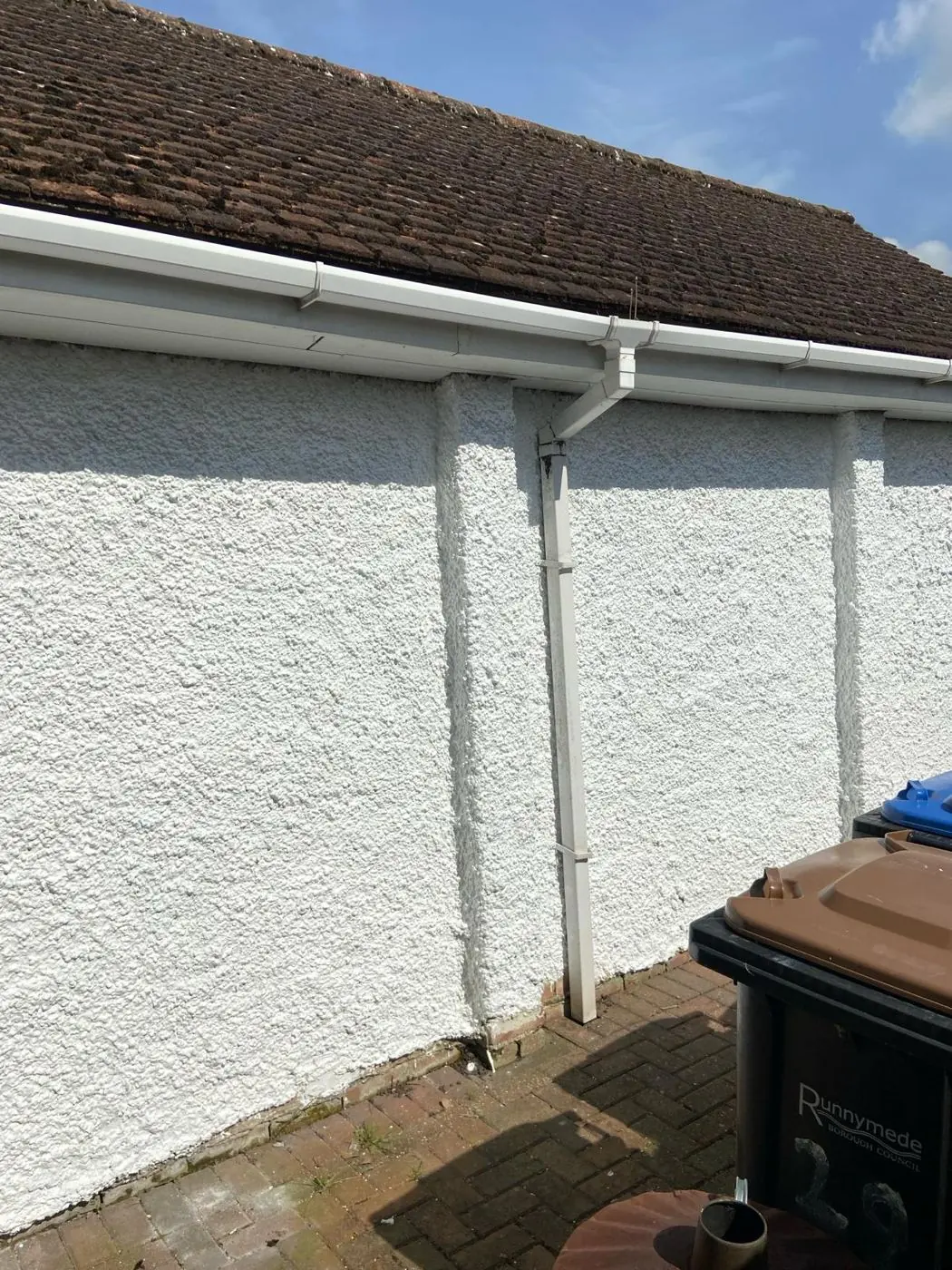
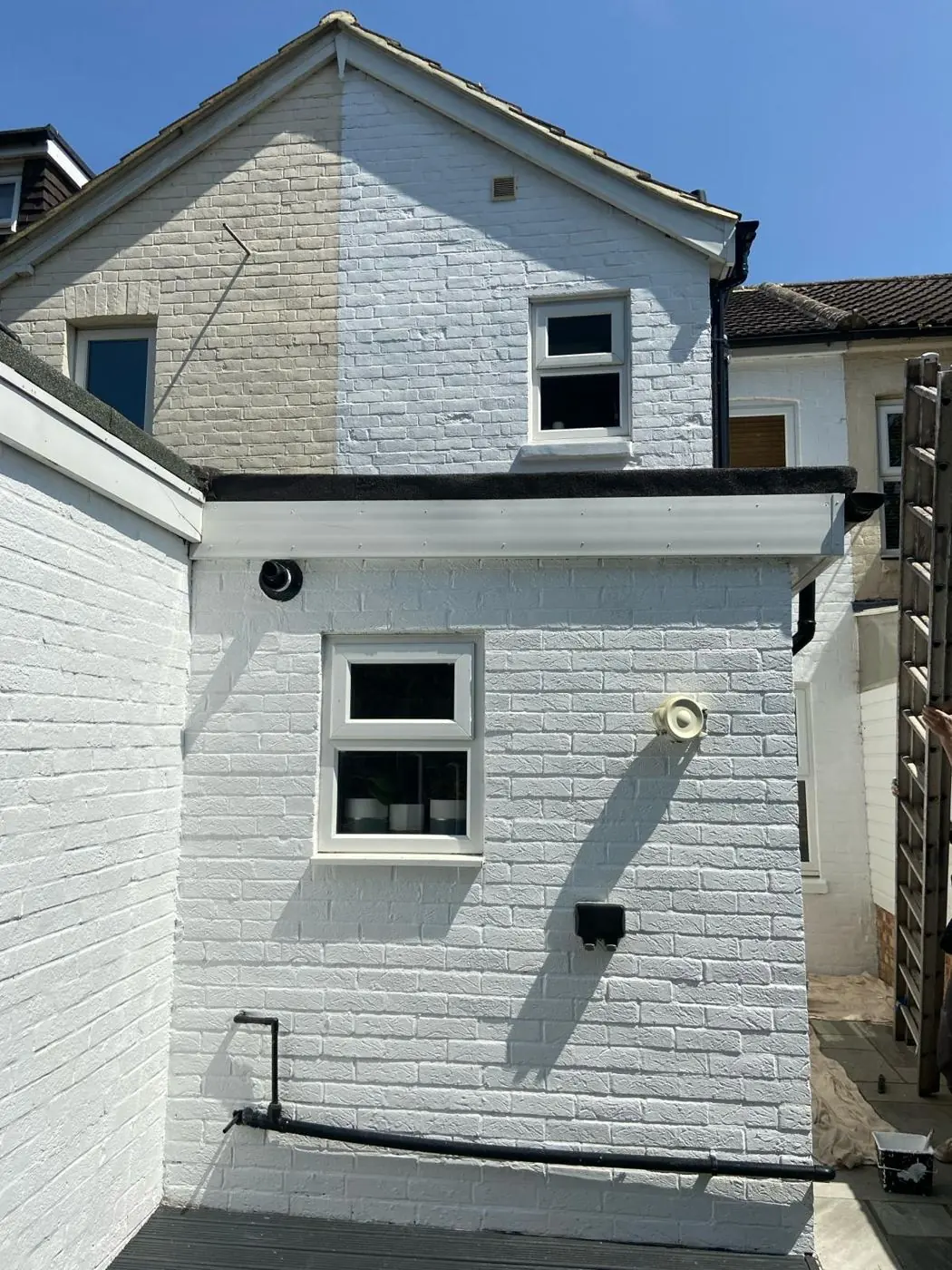
Most of those fronts are bare stone and should stay that way. Painting a listed limestone front for the first time would need listed building consent. A few have been painted for a long time, though. Little Thatch on Dychurch Lane and 5 Dag Lane are both painted limestone, Burnt Close on Church Walk is stuccoed, and East Farmhouse is part rendered. When those are repainted, the coating has to let the solid stone breathe, which means mineral paint or limewash rather than a plastic masonry paint. Our render and masonry painting page explains how we prepare render and stucco before any coating, including cutting out hollow or cracked patches.
Windows, lintels and doors on the older houses
Joinery takes up a large share of exterior work on the old houses. Leaded casements need careful masking and a flexible oil or alkyd system, brushed rather than sprayed. The exposed wood lintels over them take the worst of the weather on a limestone front, so we check them for rot and prime them in the same visit as the windows. Panelled doors, like the 19th-century ones at Manor Farmhouse, and sashes such as those at 29 Mile Street need traditional preparation: failed layers stripped back and timber-compatible fillers rather than a quick sand and gloss. Our doors, skirtings and woodwork page covers that work in more detail.
Thatch changes how we work at height. The thatched cottages have deep eaves and no fascias, so ladders and towers must be set up without resting on or brushing the thatch. Fascia and soffit work in Bozeat therefore centres on the newer houses.
Inside the old houses
Inside, the stone houses have thick, uneven walls, often with older lime-based plaster. Breathable paints suit them better than vinyl emulsions, and fillers need to be compatible with lime. Mains gas only reached Bozeat in 1990, so these houses may well have relied on open fires or solid-fuel stoves until then. Chimney breasts and the ceilings above them often need a stain-blocking primer before emulsion, or brown marks bleed straight back through. The farmhouses with attached barns and the former pub at 42 High Street have large, irregular rooms, so Dean measures and quotes room by room on site rather than from photos. The interior painting page sets out the preparation we do in every house.
The 1960s and 1970s estates
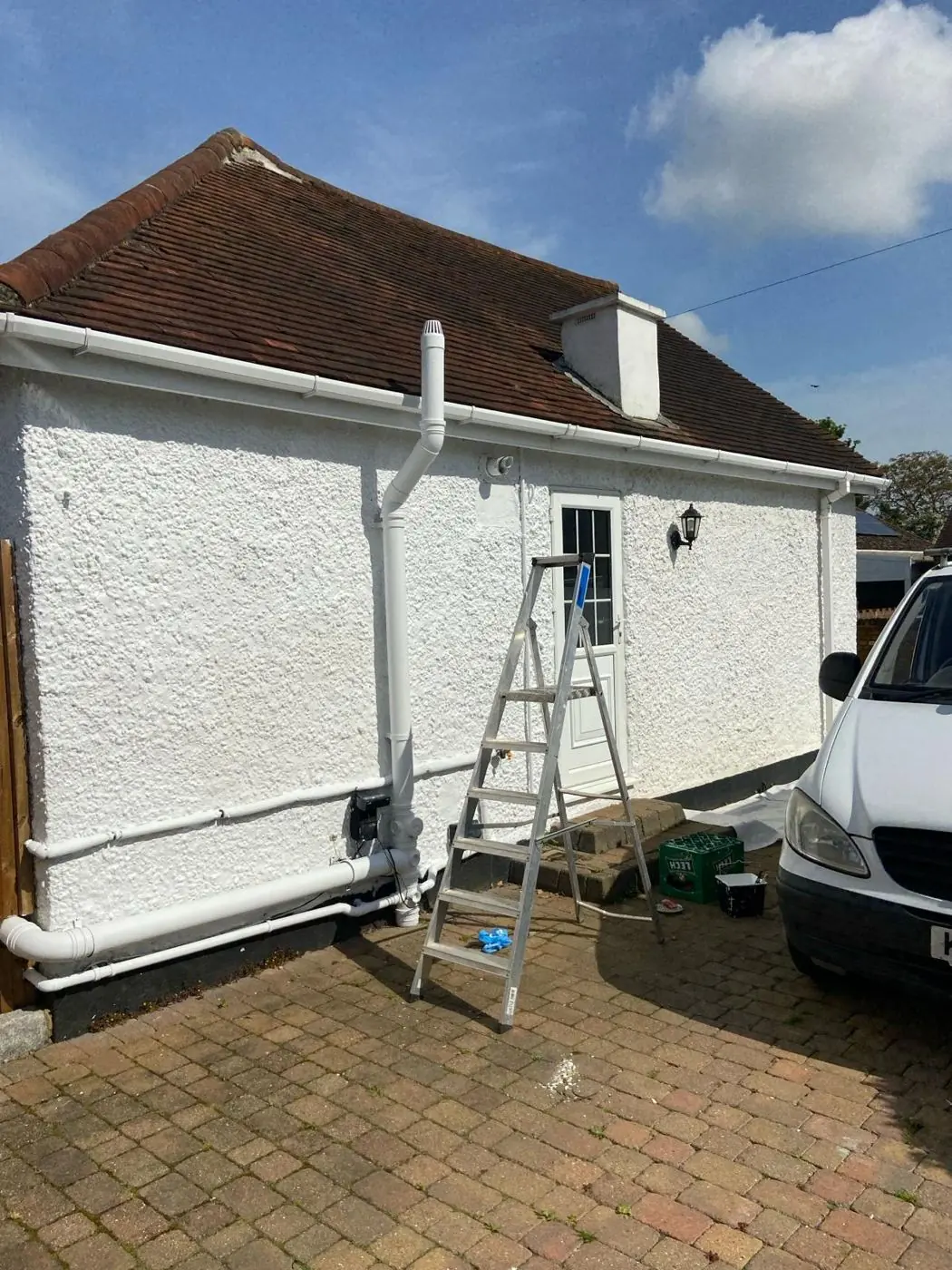
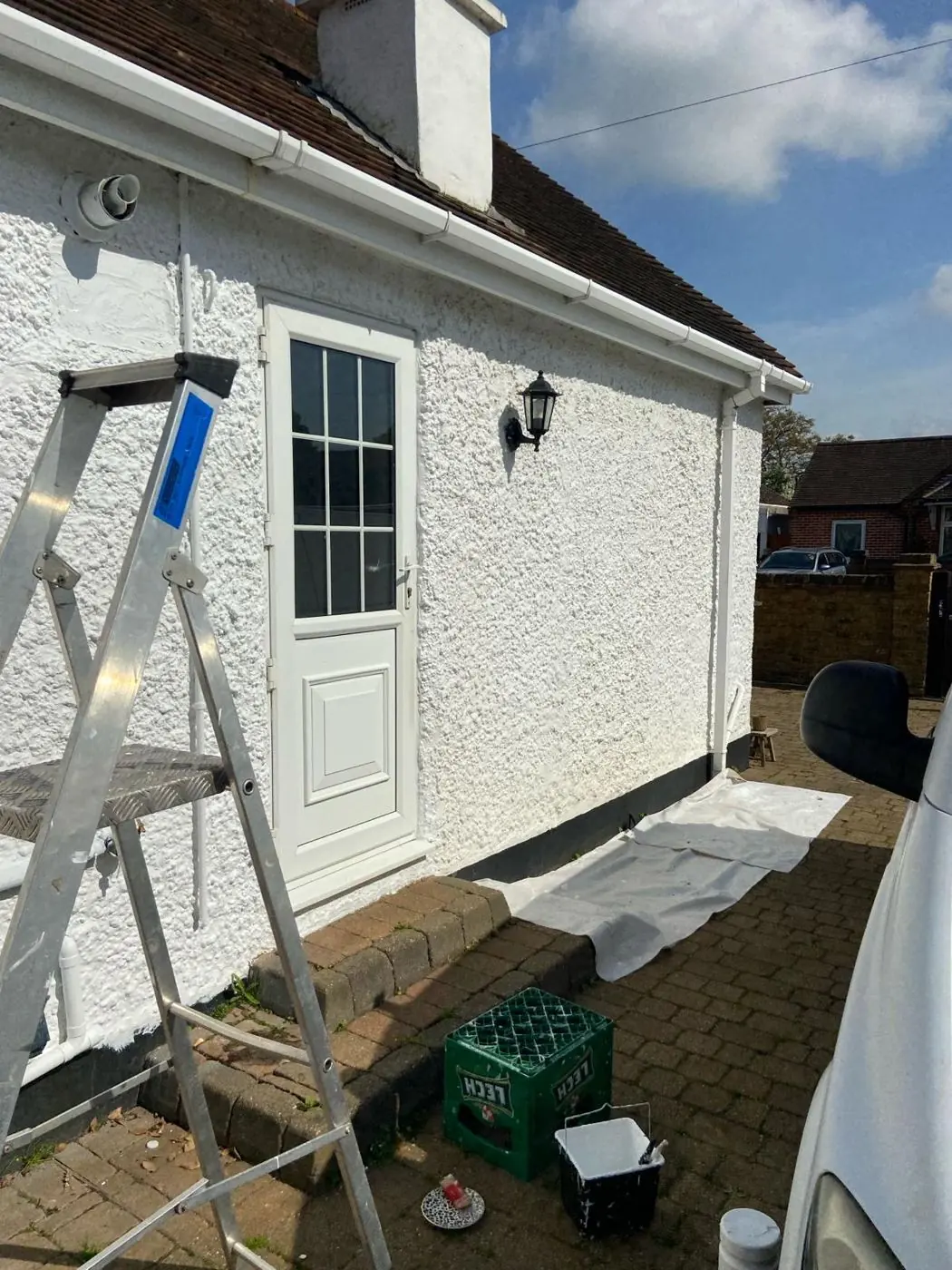
Bozeat’s three private estates from the 1960s and 1970s give the village a large block of mid-century houses. These are conventional painting jobs: masonry paint on any rendered walls, fascias and soffits, front doors, and interiors that have been through several owners’ colour schemes. Original timber fascia boards on houses of this age may need repairs before repainting, and textured ceilings and heavily layered gloss on doors and skirtings are common. Our fascia and soffit painting page covers the roofline work.
The houses on the old Gola factory site
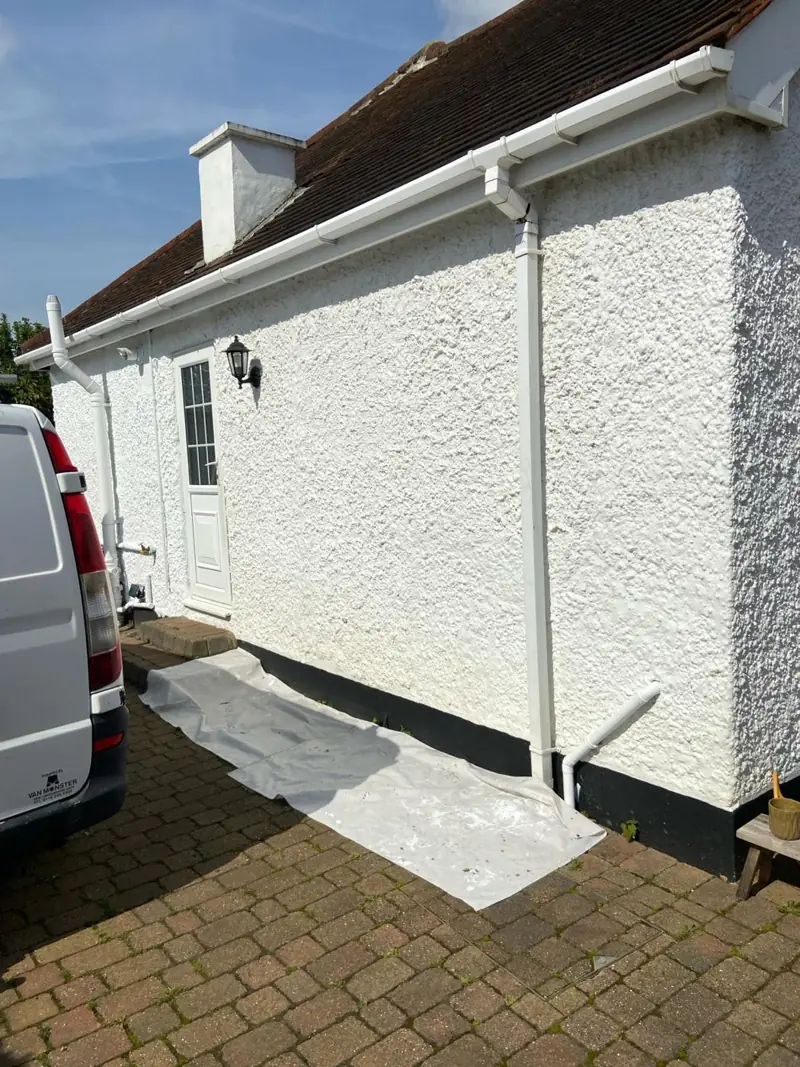
After the Bozeat Boot Company factory was demolished in 1999, housing went up on the site, and more than 30 families moved in. Those houses are now over twenty years old. In practice that usually means the original builder’s finishes on walls, doors and fascias are due their first full redecoration: thin trade emulsion, yellowed satinwood and settlement cracks that were never properly filled. On these houses the first full repaint is the one where filling and caulking pays off, because the cracks have had two decades to show themselves.
Gardens, boundaries and farmland edges
Village plots, farmhouses and the gardens on the edge of Bozeat that back onto farmland often have long fence runs and timber field gates. Exposed timber in open country weathers quickly, so staining every few years is what keeps it sound. Some older frontages and farm entrances also have metal gates and railings that need rust treatment and a metal primer before a topcoat.
Village premises
Bozeat has a small number of commercial premises: a village shop, an Indian takeaway, the Red Lion pub and a doctors’ surgery. There is no shopping parade or business park. Work for these is small in scale, usually fascias, sign boards, window frames and interiors, and we plan it around opening hours.
Consent, colours and scheduling
With sixteen listed buildings, and no confirmation from the council’s published lists either way on whether Bozeat has a conservation area, we check with North Northamptonshire Council before changing external colours on older properties. Like-for-like repainting is a different question from a change of colour or finish.
The village is about 9.4 miles from Northampton town centre, out on the A509 side of the county. We plan multi-day exterior jobs in settled weather blocks rather than split visits, which matters most for limewash and mineral paints that need mild, dry conditions. We also cover the nearby villages of Wollaston, Yardley Hastings, Denton, Great Doddington, Earls Barton and Cogenhoe, and the town of Wellingborough. For a free quote, call Dean on 07539 779 036.
Last updated by Dean, DH Painter & Decorator.