Dean gives colour and finish advice to Bozeat homeowners as part of a decorating job, about 9.4 miles east of Northampton off the A509. In the old village that means heritage palettes that sit well with limestone and thatch, with a council check before external changes to listed houses.
Painted fronts on the old lanes
Most of Bozeat’s old core is bare coursed limestone, but not all of it. Little Thatch at 12 Dychurch Lane and the pantiled 5 Dag Lane are both listed houses whose limestone fronts have been painted, and Burnt Close on Church Walk has been stuccoed. When one of these fronts is due a repaint, the colour question is tied to the coating question. Breathable mineral paints and limewashes come in a narrower range than modern masonry paints, and they dry to a soft, chalky finish rather than a sheen. We suggest working from that range from the start, rather than choosing a shade from a masonry paint chart and then trying to match it.
On a stone village street the colours that tend to sit well are the off-whites, creams, soft stone and pale ochre shades that sit close to the colour of the limestone itself. Brilliant white often looks stark beside weathered stone and thatch.
Consent before you change an outside colour
The village’s sixteen listed buildings range from St Mary’s, listed Grade I, to Grade II cottages and farmhouses across Dychurch Lane, Mile Street, High Street, Allens Hill and Easton Lane. A change of external colour on a listed building can affect its character, and that can need listed building consent. Painting a bare limestone front for the first time almost certainly would. We could not confirm from the council’s published lists whether the village has a conservation area, so if your house is old and you want a noticeably different exterior colour, we check with North Northamptonshire Council before any paint is ordered. Like-for-like repainting is a different conversation from a change.
Stone dressings, datestones and wood lintels
Several houses carry datestones from after the 1729 fire, such as the 1731 stone at 29 Mile Street and the 1743 stone at 42 High Street, and some have dressings in a contrasting material, like the yellow brick around the sashes at 29 Mile Street. The question we ask on these is what to leave alone. A datestone or dressing that has always been bare stone or brick should usually stay that way. If one has been painted in the past, we talk through whether to pick it out or let it recede into the wall colour.
Exposed wood lintels over the timber casements are another detail to plan for. A dark brown or a muted green on the lintel and frames tends to look settled against limestone. A white lintel can look like a stripe across the front.
Small leaded windows and the light they let in
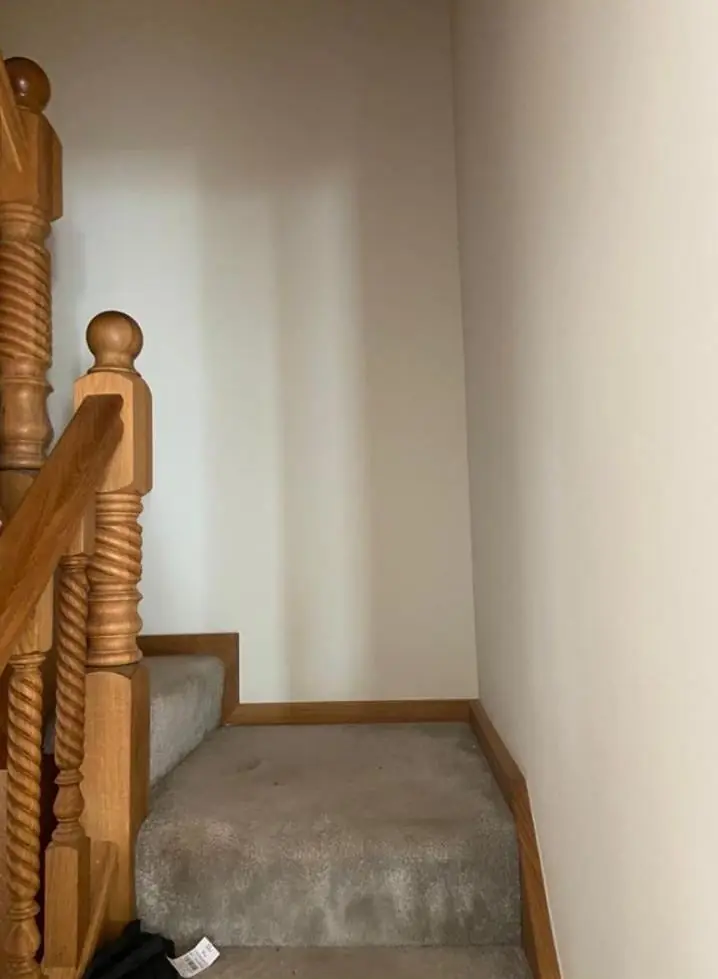
Inside the old houses, leaded casements set in thick stone walls let in far less light than a modern window. Cool greys and blue-whites can look flat and cold in those rooms. Warmer neutrals, soft earth tones and colours with a yellow or red undertone usually hold up better, and a flat or chalky finish suits uneven walls more than a sheen that catches every bump.
The 1960s and 1970s estates and the houses built on the Gola factory site after 1999 have larger modern windows, so the choice there is more about aspect and how a room is used. We look at the room at the time of day you use it before suggesting anything. Our colour and finish advice page explains how Dean approaches undertone and sheen in general. For the wider picture of decorating in the village, see the Bozeat area page.
Last updated by Dean, DH Painter & Decorator.