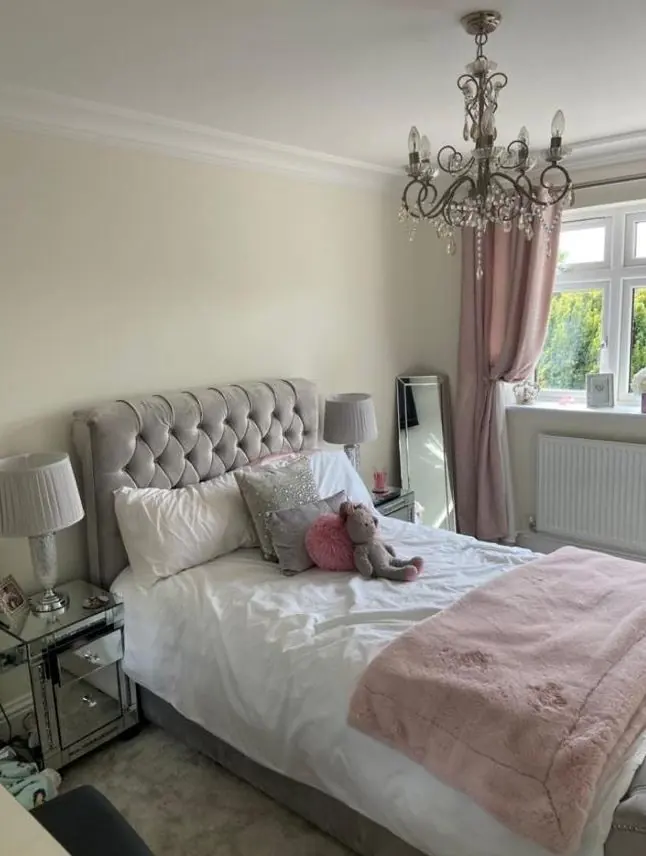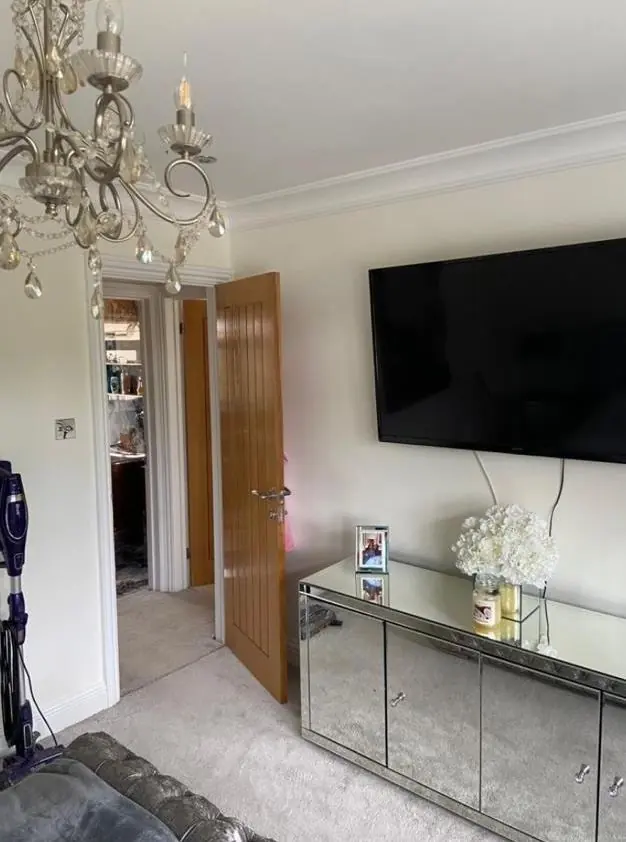
Dean paints interiors across Brixworth, a village in the NN6 district six and a half miles north of Northampton. That covers walls, ceilings and woodwork in the old stone cottages around All Saints' Church as well as the newer brick houses to the south and east, with breathable paints where the plaster is lime.
One village, two very different sets of walls
Brixworth’s interiors split cleanly by age. The historic core, grouped on Harborough Road, Church Street, Silver Street, Newlands and Froghall, is built of local ironstone, limestone and lias, with datestones going back to 1594. Many of those houses are cottages only one room deep, with alleyways running between them. From the 1960s the village grew substantially to the south and east, mostly in red or buff brick, and recent building at Hall Farm Close combines stone with brick detailing.
Those two halves need different paint, different preparation and different expectations about how flat a wall will end up. The rest of this page explains how we treat each one. Our interior painting service page covers the general process we follow everywhere.
Lime plaster in the stone cottages
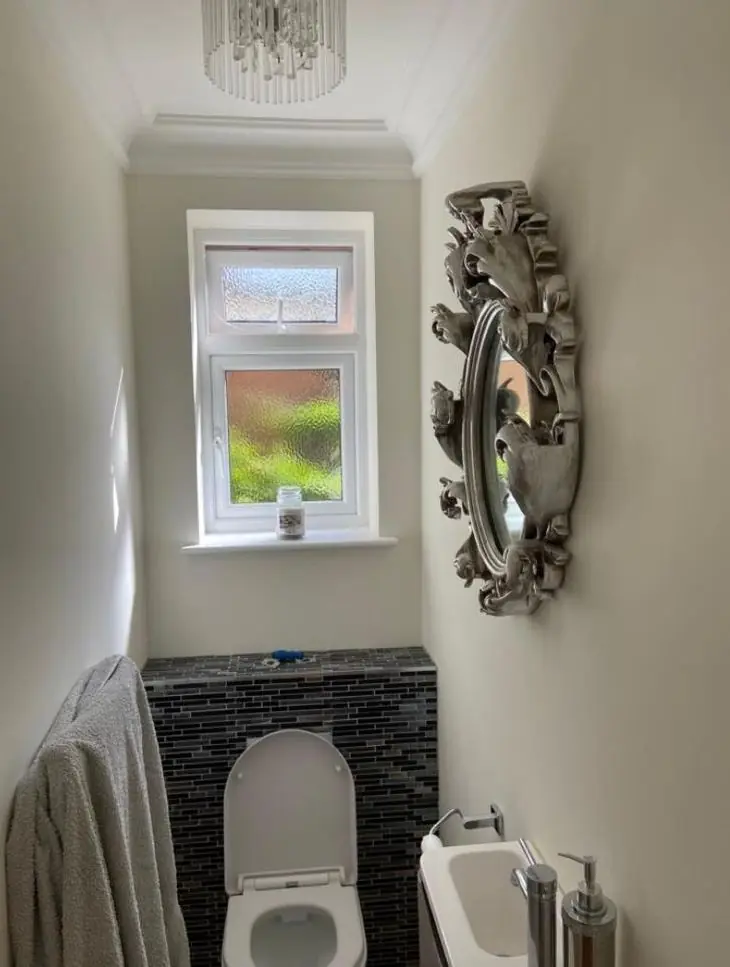
Inside a 17th or 18th-century Brixworth cottage the walls are usually lime plaster on solid stone. It is soft, slightly uneven and needs to let moisture move through it. A modern vinyl emulsion forms a skin over that surface, and on a solid wall with no cavity the trapped damp tends to show as bubbling, flaking or a powdery bloom low down. Our approach in these houses is:
- Test what is already on the walls, because several layers of old vinyl paint over lime changes what can go on top.
- Use breathable emulsions, such as clay or mineral paints, where the plaster is still bare lime or has been taken back to it.
- Fill cracks with a compatible lime-based or flexible filler instead of hard gypsum, which can crack away from soft plaster.
- Choose flat or matt finishes. Sheen on a wavy wall picks out every undulation, especially under a low ceiling.
Low ceilings, deep window reveals in thick stone walls and exposed timbers all slow the cutting-in. We allow for that in the quote rather than rushing it. Where a cottage has stone mullions or stone lintels showing inside, we mask them and keep paint off the stone.
Tall rooms on Newlands and red brick on Northampton Road
Not every older Brixworth house is a small cottage. The three-storey stone houses around Newlands and High Street have taller rooms and long drops on the stairs, which means proper staging and longer setting-up time on landings. The red brick terraces of the late 19th and early 20th centuries on Northampton Road, Spratton Road and Broad Street usually have flatter plaster and, in places, Victorian doors with glazed upper panels. Those doors take time to sand and paint around the glass without marking it.
In these houses we often find a mix of old lime plaster and later gypsum patches from rewiring or damp repairs. Each patch is spot-primed before the full coats so the finished wall does not flash in different sheens.
Estate homes to the south and east
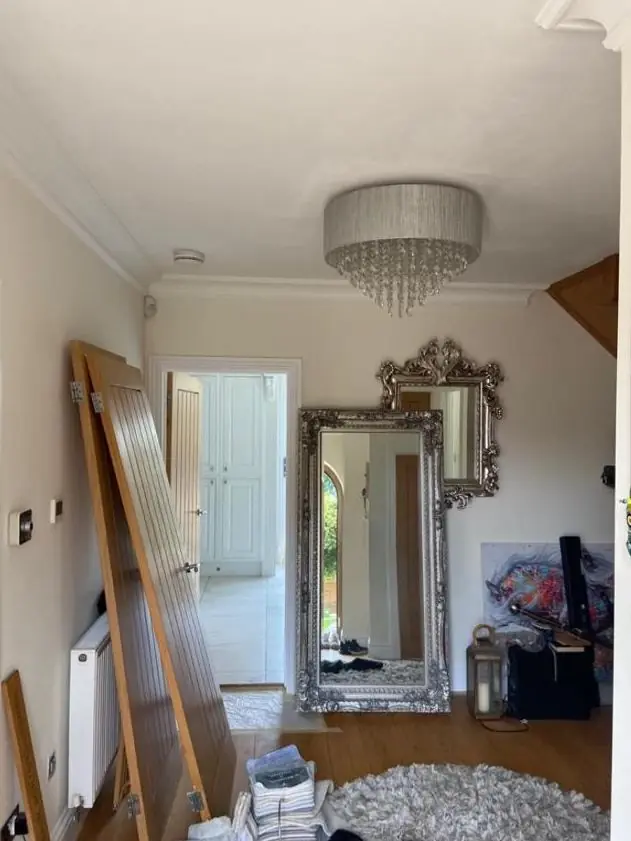
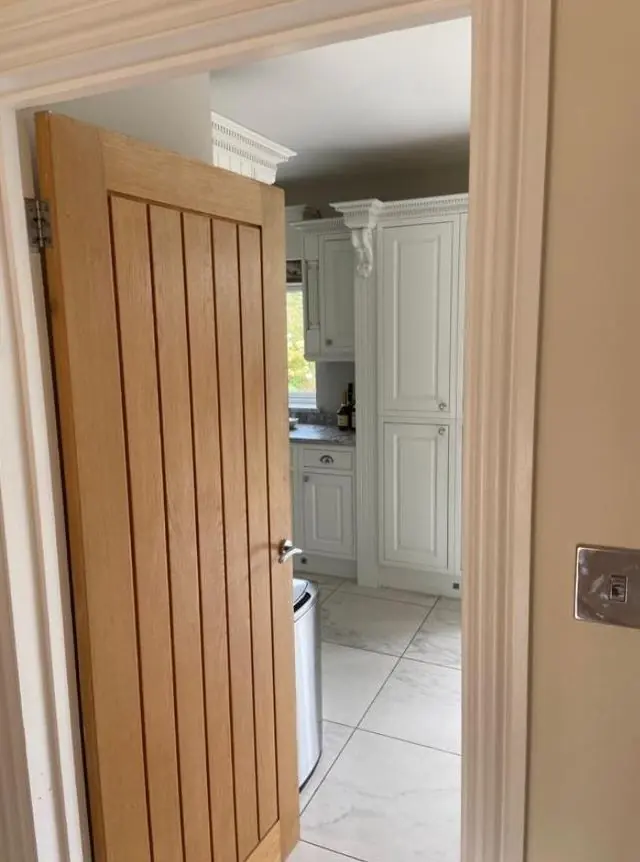
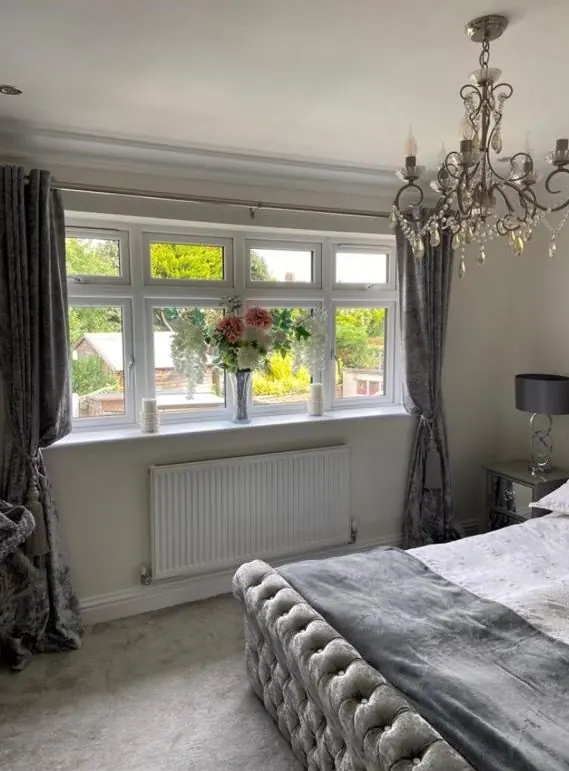
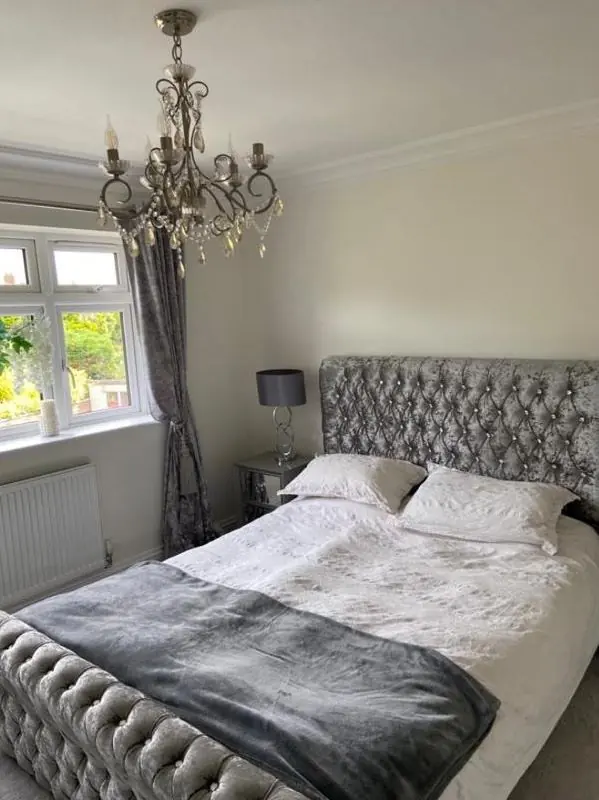
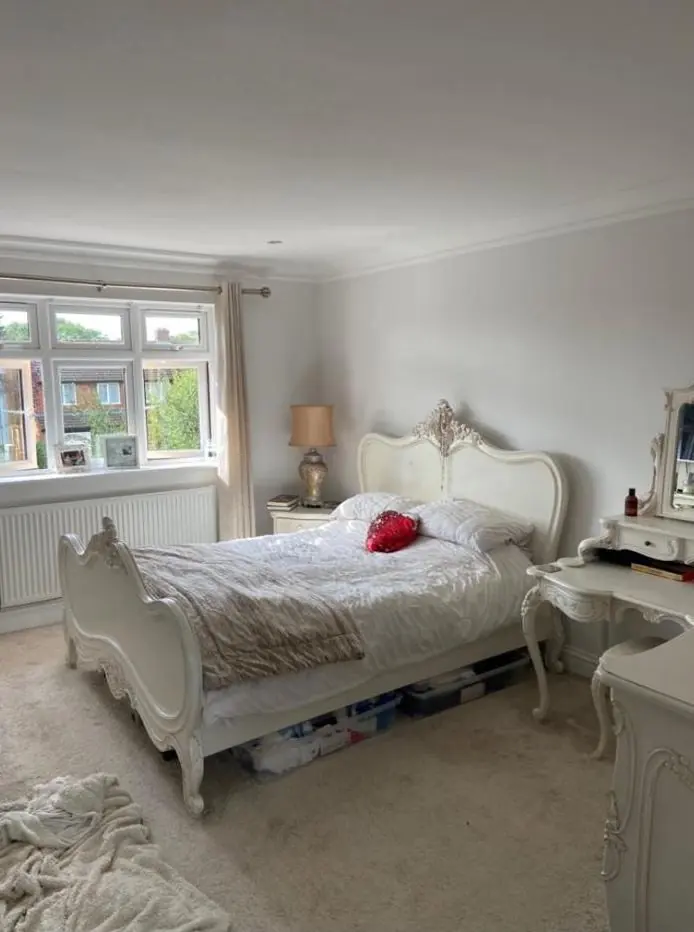
The housing built from the 1960s onwards, around Brixworth Hall Park, Pytchley Close and the land south of the original village, needs a more ordinary refresh: standard plasterboard or skimmed walls, MDF or pine skirtings and doors, and kitchens or living rooms that have had heavy family use. The work here is mostly filling, sanding and two finish coats, done room by room so the house stays usable. Newer extensions on the edge of the village sometimes need a mist coat first, which our guide to painting new plaster explains.
Some homes inside Brixworth Hall Park sit under the old parkland trees, and shaded rooms on that side can look darker than the colour card suggests. It is worth trying sample patches on the actual wall before committing to a full room.
Getting to your house and planning the job
Brixworth is a short run up the A508 from Northampton. In the core, the lanes around the church (Church Street, Silver Street, Newlands) are tight, often without a pavement, with houses built right to the road edge, so we agree where the van can wait and how materials come in before day one. Dust sheets and boards go down along the route to the room. If you are in the conservation area, interior decorating does not need consent unless the house is listed, but changes inside a listed building can, so check with West Northamptonshire Council first if yours is one of the village’s listed houses.
For the wider picture of decorating in the village, see our Brixworth area page.
Last updated by Dean, DH Painter & Decorator.