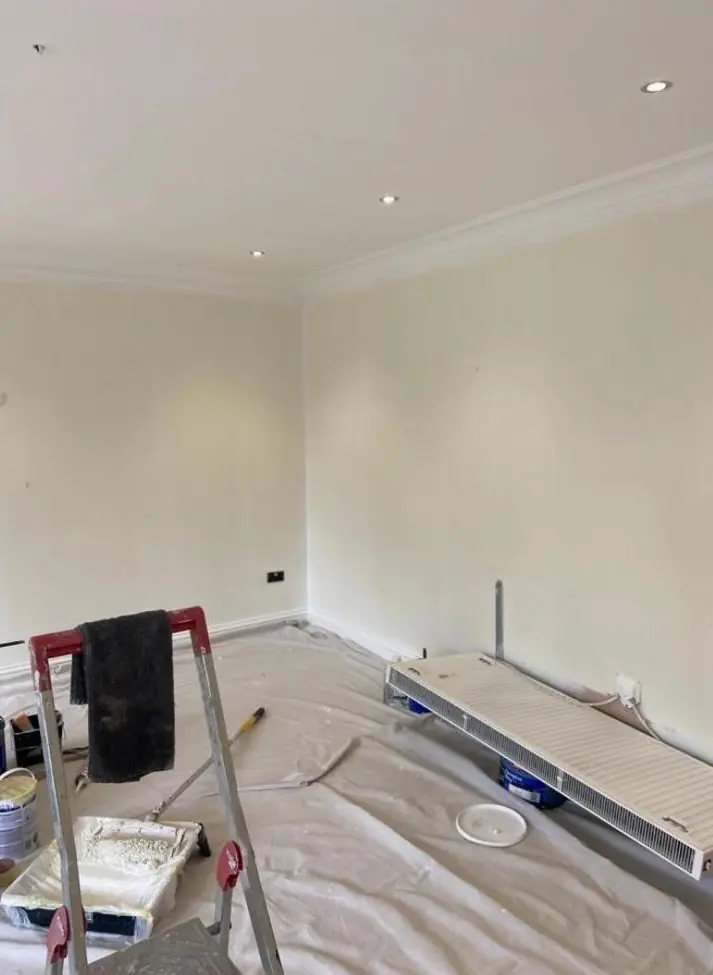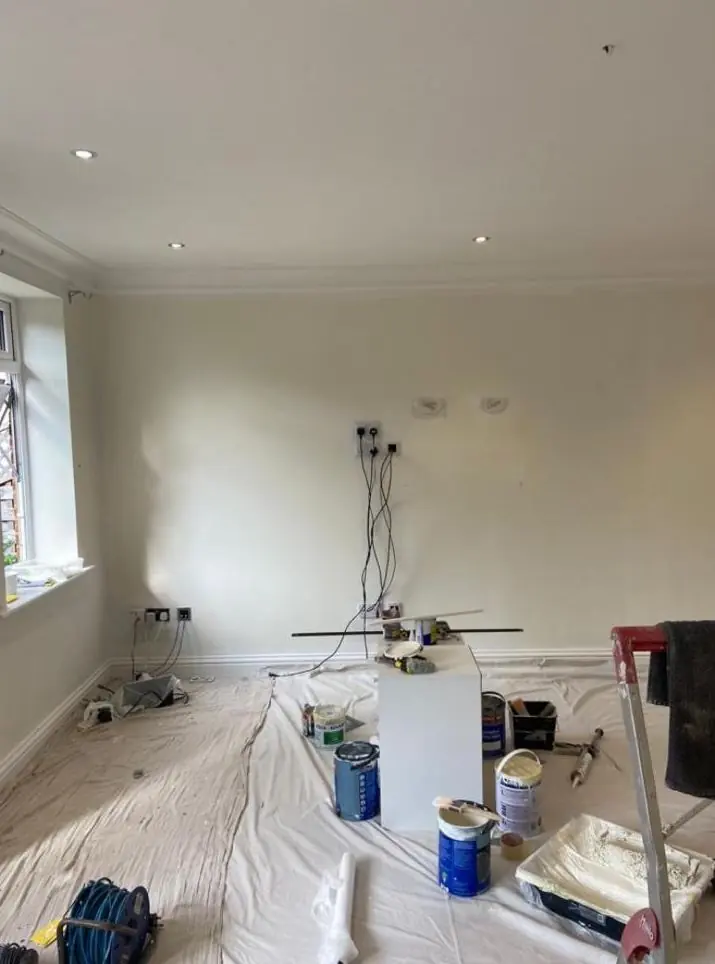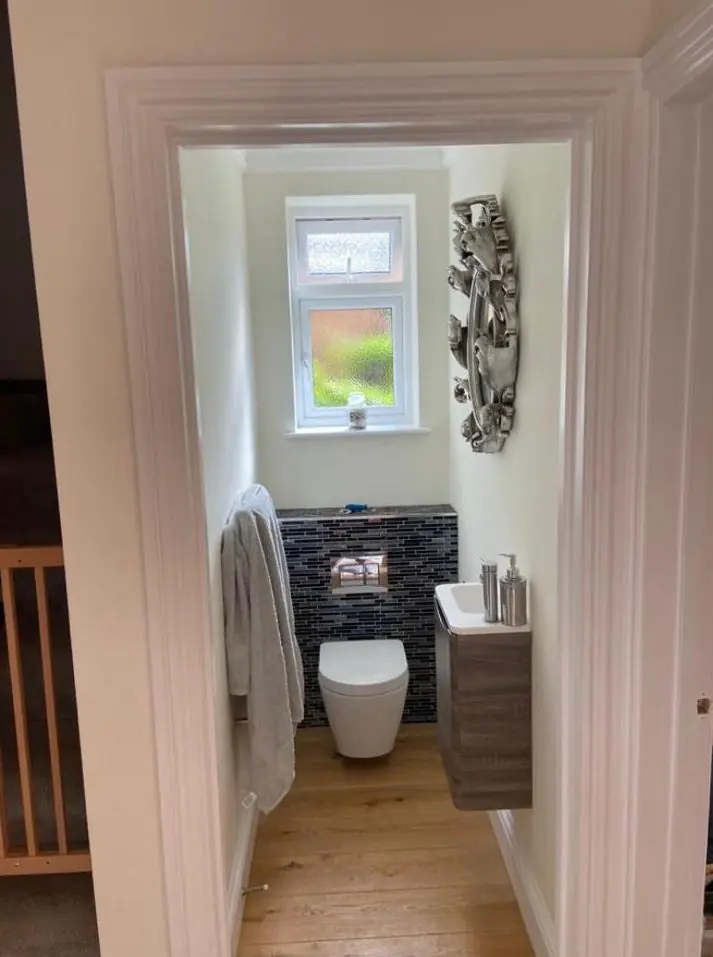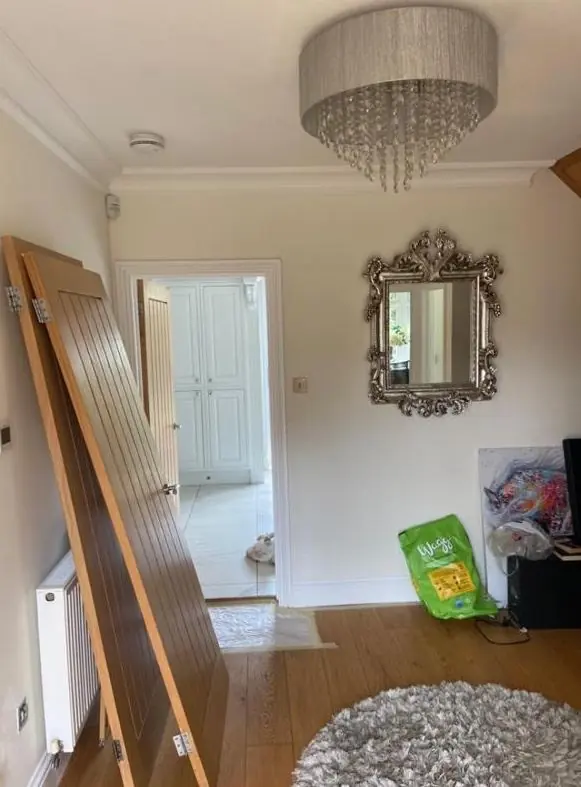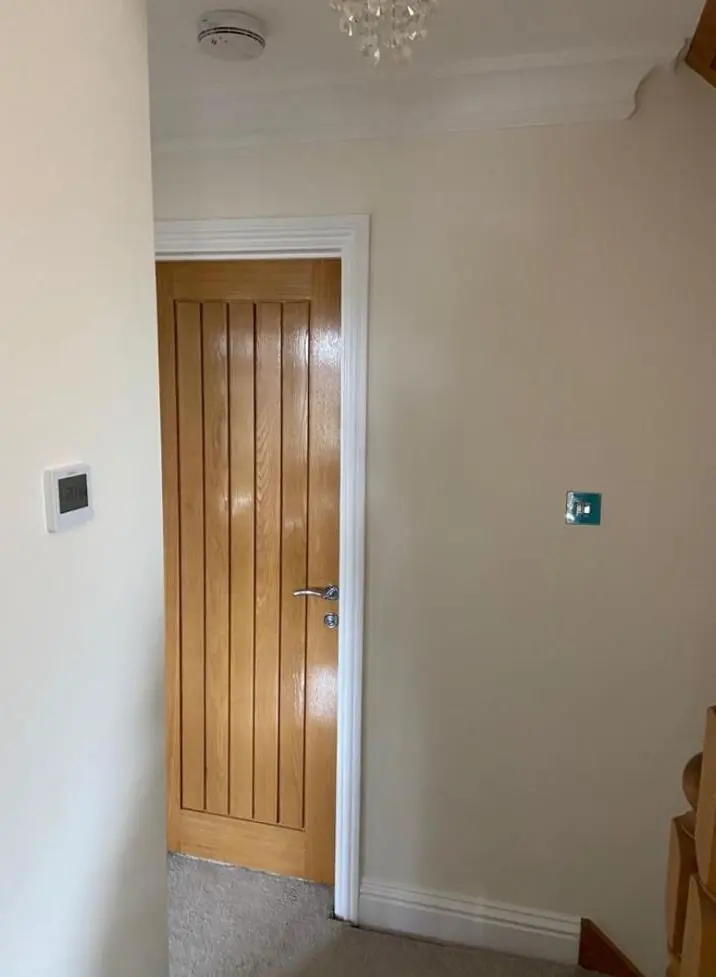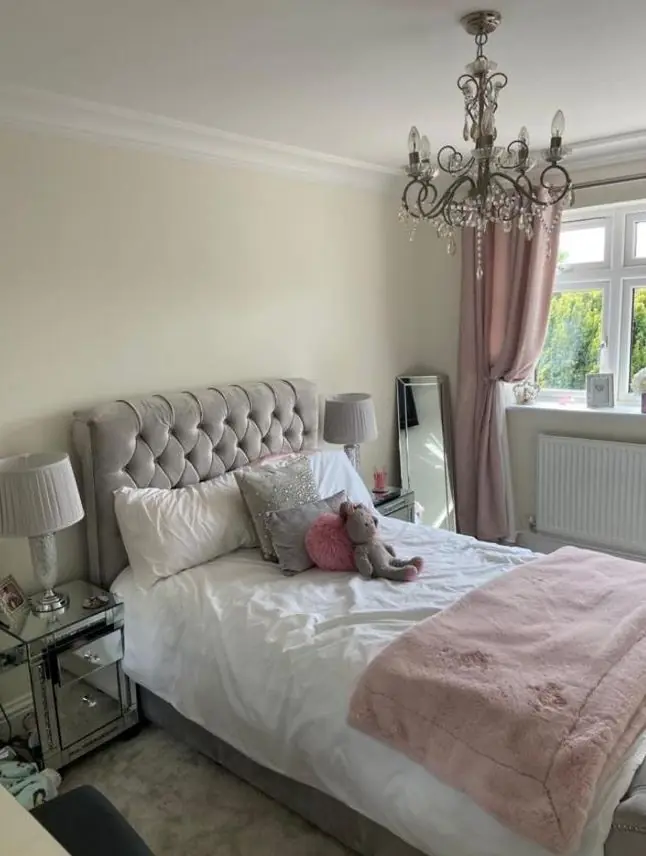
Dean paints interiors in Creaton, a ridge-top village in NN6 that is 7.8 miles north of Northampton's town centre. That covers walls, ceilings and woodwork in the cob and ironstone cottages around The Green and High Street and in the newer houses that spread out from Brixworth Road after 1950, with the paint chosen to suit each wall.
Cob, ironstone or post-war: what your walls are made of decides the paint
Creaton is a small village, about 196 homes at the 2011 census, but its interiors vary far more than its size suggests. The old part of the village, round The Green and along High Street, was built between the 17th and 19th centuries from local ironstone, orange/red brick and, in a handful of places, cob. Cob is earth walling, and the recorded examples include the Grade II pair at 10 and 12 The Green and three High Street cottages, one of them aptly named Cob Cottage. The housing added from 1950 onwards, starting on Brixworth Road, has ordinary modern walls.
Before quoting, Dean works out which of those three you live in, because the right coating for one is wrong for another. Our main interior painting page covers the general process; this page is about how it applies here.
Why a cob room should never get vinyl emulsion
Cob holds and releases moisture all the time. Seal its inside face with a standard vinyl silk or matt and that moisture has nowhere to go, so it collects behind the paint film. The usual signs are paint lifting in sheets, a chalky bloom near the floor and plaster softening where the wall meets a window reveal. In a cob cottage we would normally:
- Find out what is already on the walls. Decades of vinyl over earth or lime plaster sometimes have to come off before anything breathable will work.
- Use limewash or a vapour-permeable mineral or clay paint, which lets the wall dry out through the room.
- Repair cracks with a soft lime-based filler, not gypsum, which is harder than the wall around it and tends to part company with it.
- Keep to a flat finish. Cob walls are rarely straight, and any sheen picks out every bump.
If the house is listed, as 10 and 12 The Green are, switching from one kind of finish to another may need listed building consent. Like-for-like materials are the safe route, and we would raise that with you before any work starts.
Ironstone cottages and the tall former farmhouses
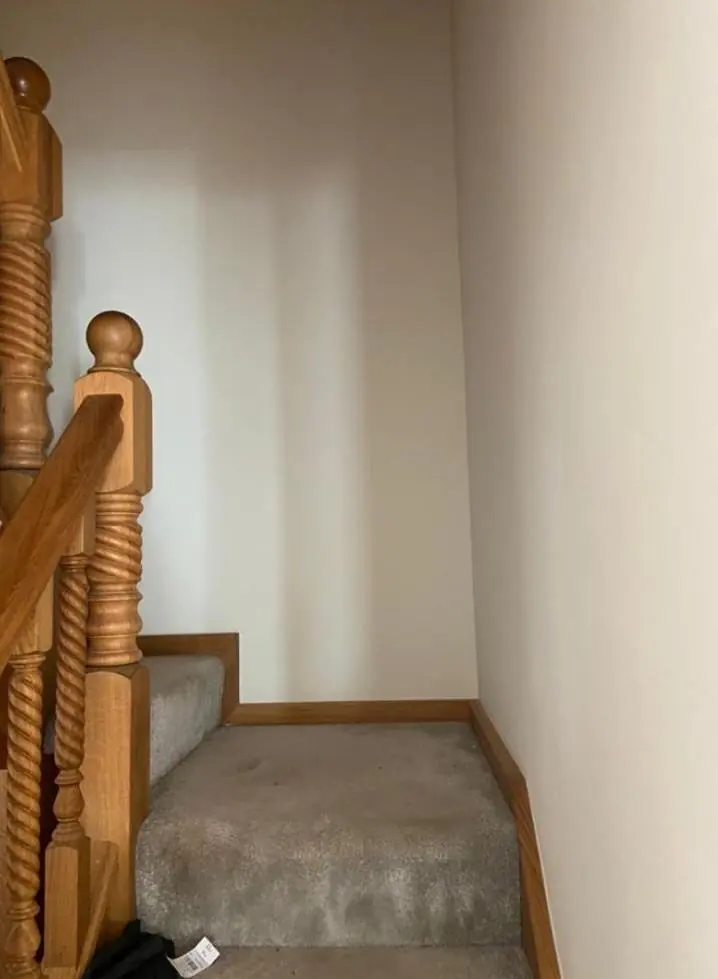
The ironstone houses tend to have solid walls, often patched or re-faced in orange/red brick made at Creaton’s own brickworks in the 19th century. Inside, the same breathability rule usually applies wherever old lime plaster survives. Some former farmhouses, Green Farm and Church House among them, rise to three storeys. Higher ceilings and a third floor mean more cutting-in and proper access on the stairs, which we plan for in the quote instead of finding out on the day.
Some of these houses have Georgian or Victorian sashes and panelled doors. We paint the inside faces of sashes so they keep running, and keep paint off the cords and parting beads.
The newer houses: Brixworth Road, The Jetty, Court House Close
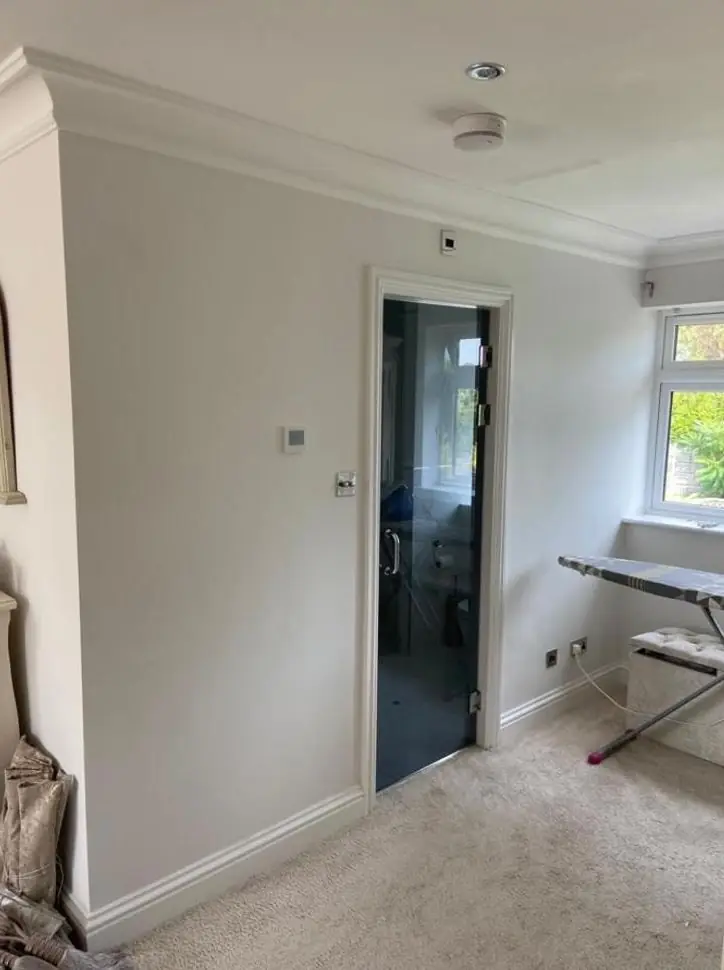
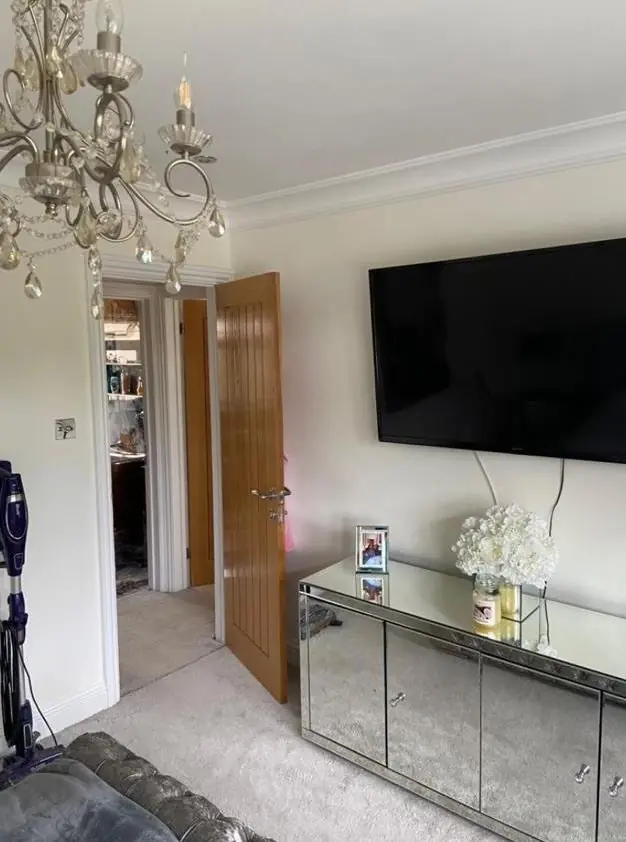
Houses built after 1950, and the 1980s terrace at 1 to 9 Home Farm Close, are a simpler job. Walls are usually plaster on block or plasterboard, standard emulsions work well, and the work is about good preparation: filling settlement cracks, sanding, spot-priming repairs and two full coats. Durable washable matts suit hallways and kitchens in family homes. Recent infill such as 1 to 3 Litchfield Lane may still have fairly new plaster, which needs a mist coat first.
Getting a van and dust sheets into the village
Only the A5199 is a proper through road; the rest are narrow lanes, and the appraisal itself flags how little off-road parking there is on High Street, where the terraces front the pavement. For interior work that mostly affects unloading. We agree where to park and how materials come in before the first day, and keep sheets and kit tidy in houses where the front door opens straight off the street.
We cover Creaton from our Northampton base. See the Creaton area page for the other work we do in the village, or the cost guide for what affects a quote.
Last updated by Dean, DH Painter & Decorator.