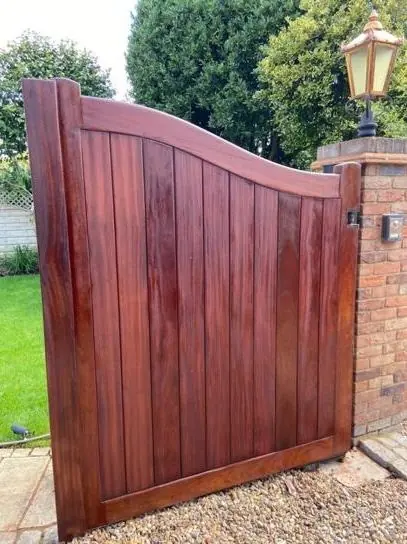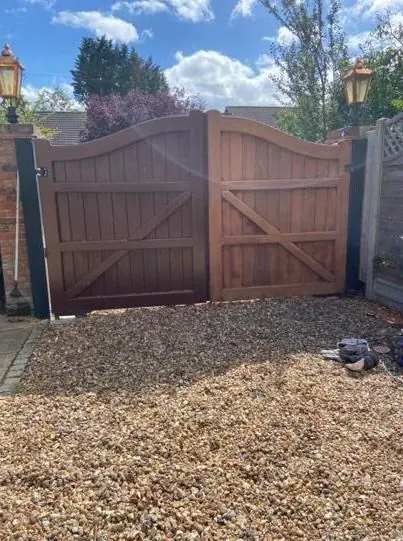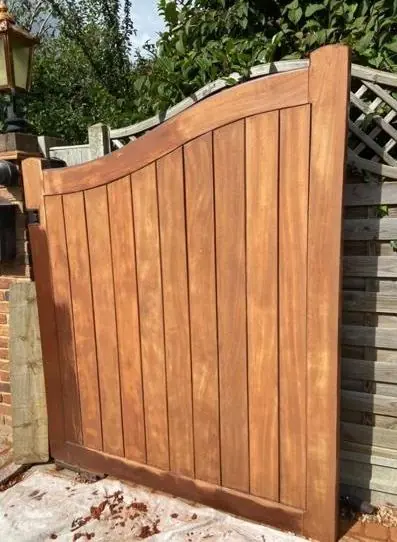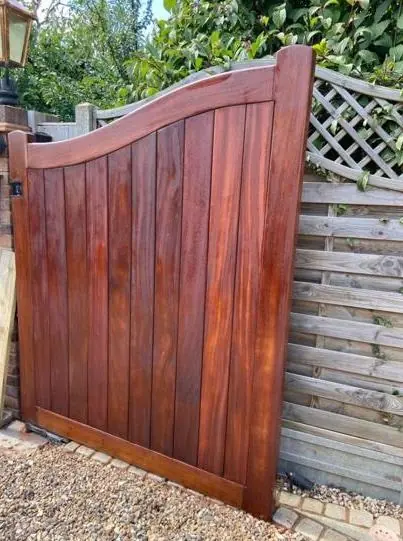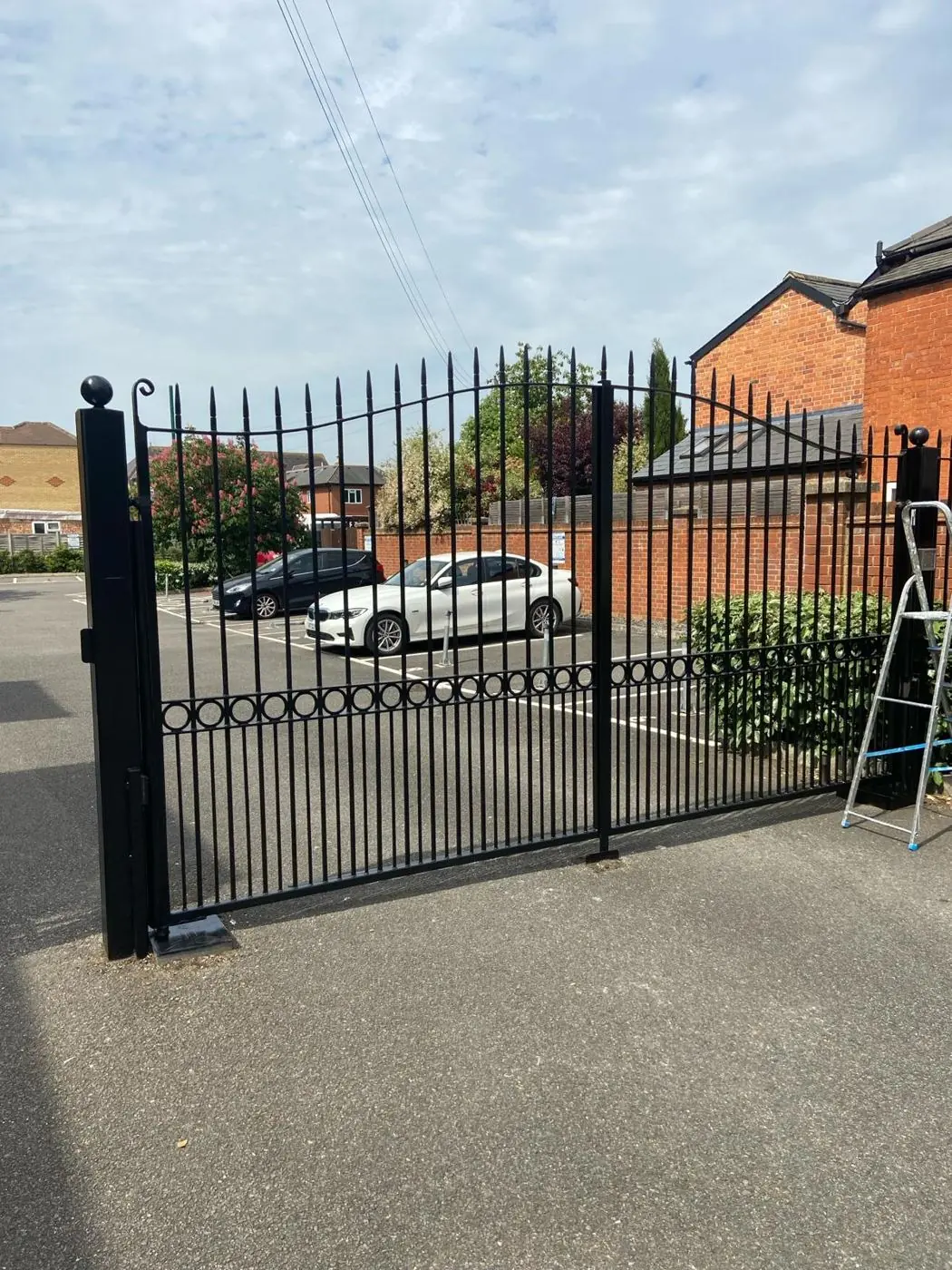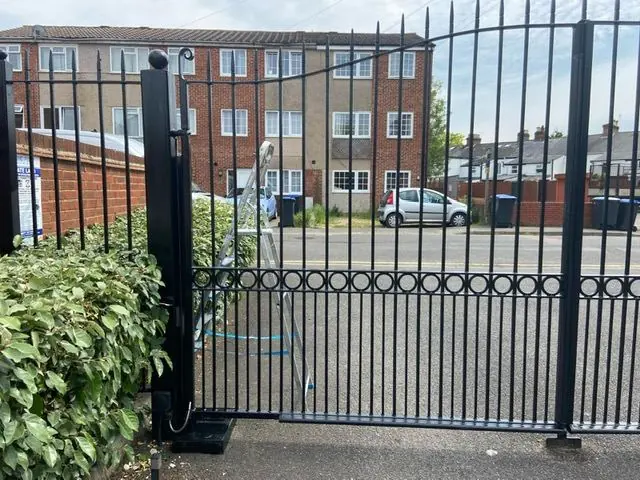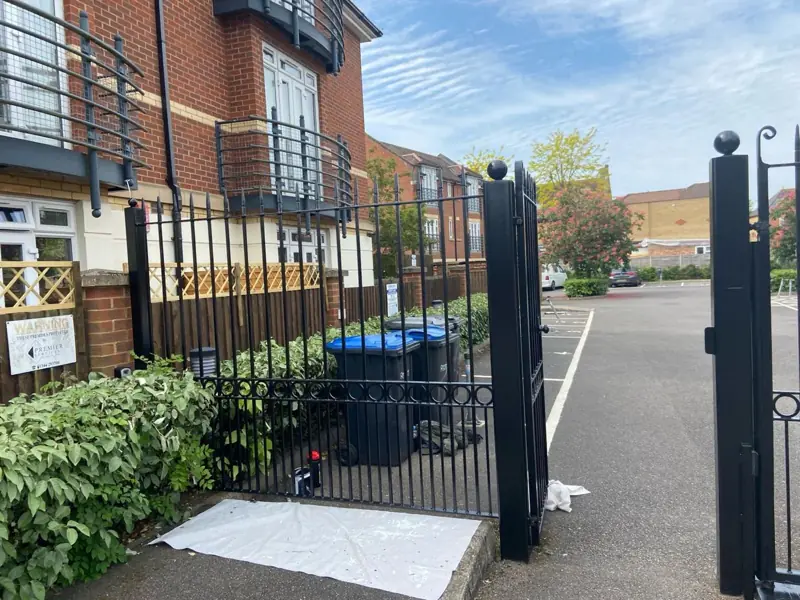
DH Painter & Decorator stains and paints garden fences, posts and timber gates in Brixworth, 6.5 miles north of Northampton on the A508. Most jobs are on the larger gardens of the post-1960s estates, with some front gates in the old village. Dean quotes for free after seeing the timber.
Long boundary runs on the post-1960s estates
From the 1960s Brixworth grew mainly on fields south of the original village, and building in the south and east has gone on through the late 20th and 21st centuries. Those houses tend to have bigger plots than the cottages in the old core, so fence lines are long: lap panels or feather-edge on both sides, a back boundary, gravel boards and a side gate onto the drive. On a typical run, the preparation and the number of linear metres matter far more than the colour.
We start by walking the fence with you to agree what is in scope. Neighbours often share a boundary, and it is worth knowing which side is yours to treat before a brush goes near it. Loose boards, rotten posts and missing gravel boards are pointed out at that stage, since stain will not fix a structural problem.
What the old village’s front gates need
In the Brixworth Village Conservation Area, the Article 4(1) direction of October 2019 brings the building or demolition of front gates, fences and walls on the named properties under planning control. Staining or treating timber that is already there is maintenance, so an existing front gate on one of the named Newlands or High Street houses can be looked after without an application. Replacing it, or adding a new one, is a different matter and needs checking first.
Older gates in the core are often oak or a softwood that has had paint, oil and stain at different times. We test what is on there, take loose coatings back, and match the existing finish where we can, since a sudden change from a natural oak tone to a strong opaque colour on a frontage would be at odds with the 2017 appraisal’s emphasis on sensitive colours.
Tree shade, damp and green timber
With about 59 protected trees and 9 TPO groups in and near the conservation area, plus the mature planting around Brixworth Hall Park and the lake there, many gardens sit in shade for much of the day. Timber in shade stays damp, turns green and grows lichen at the base. We use a fungicidal wash and let it work, then wait for the boards to dry before staining, because stain will not soak into wet wood. You cannot prune protected branches to let light in, so these fences should be booked for a dry, settled spell, ideally late spring or early summer once the ground has warmed.
Stain or paint for an open, westerly garden
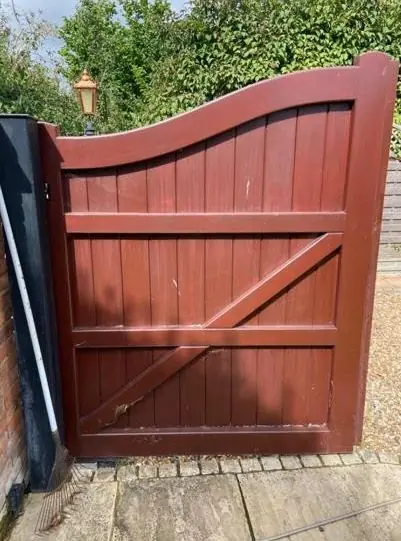
Gardens on the western edge of the village look west over open country designated as a Special Landscape Area, and the land is high, so fences there take more sun and wind than sheltered plots near the church. A penetrating stain wears back slowly in that exposure and is easy to recoat; an opaque fence paint gives a solid colour over silvered timber but will need more preparation when it eventually fails. We explain the difference on site rather than pushing one, and if you are weighing up the outlay, the cost guide sets out what pushes outdoor prices up or down.
New pressure-treated timber, such as a fence put in after a house extension, usually needs time to dry before it will accept a finish. The main fence and gate staining service page covers timber types and products. If you also want windows or walls done, the Brixworth area page lists everything we cover locally.
Last updated by Dean, DH Painter & Decorator.