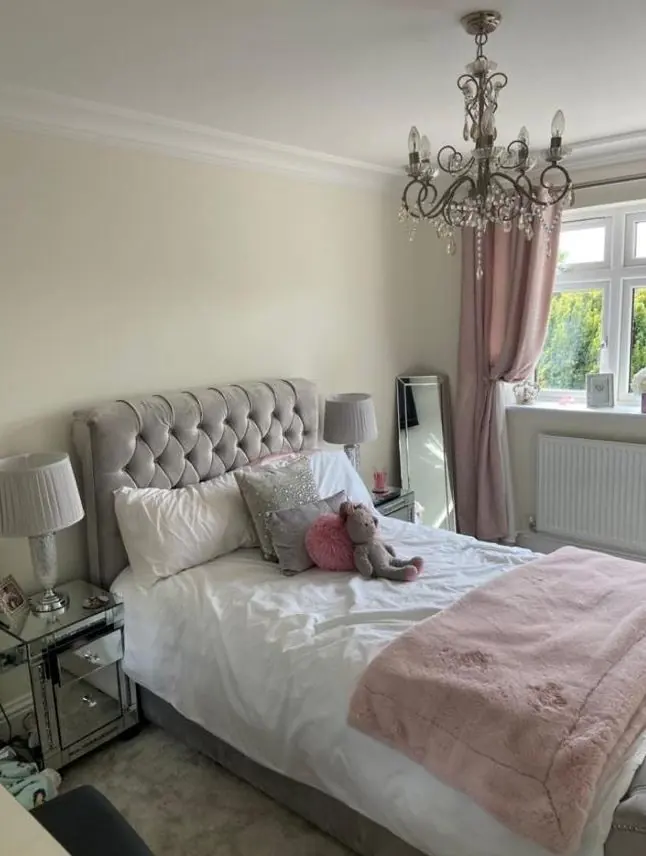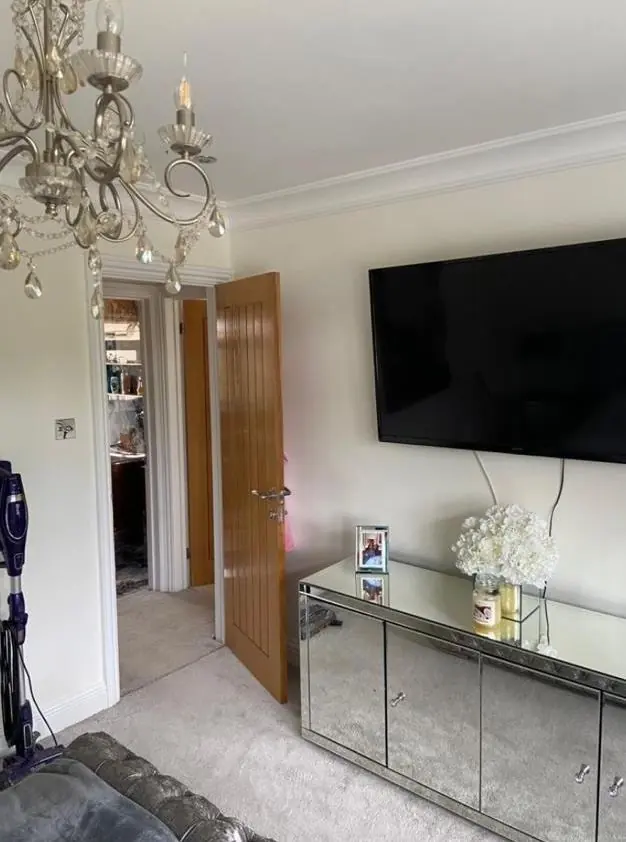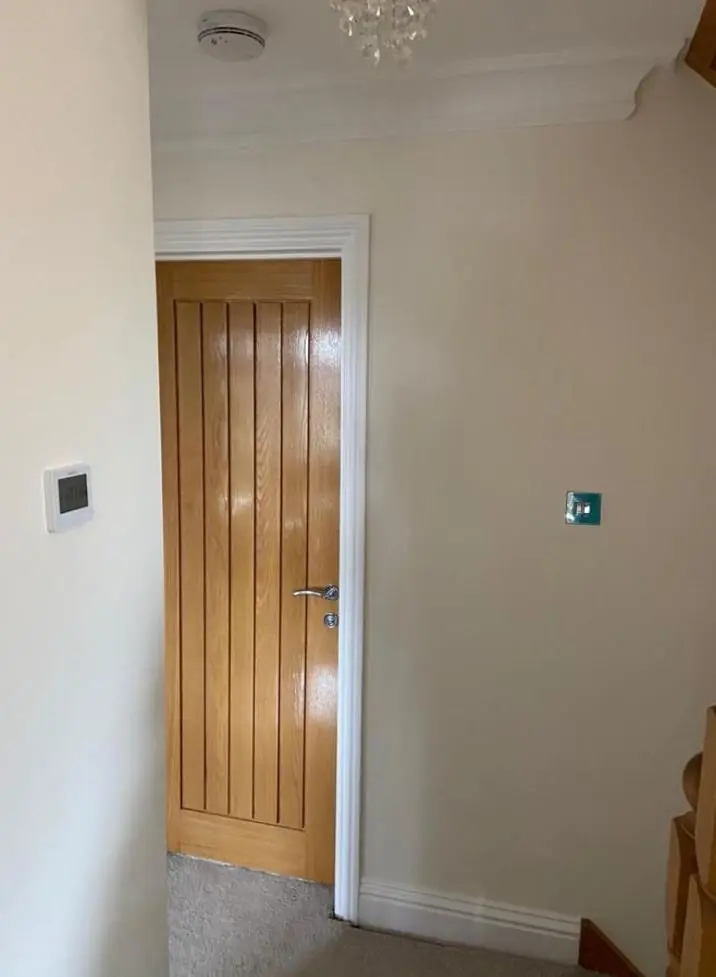
DH Painter & Decorator paints interiors in Pitsford, a village about 4.7 miles north of Northampton up the A508. Dean matches the paint to the wall: breathable finishes on solid stone and lime plaster in the old core, standard emulsions in the post-war and modern houses.
Which Pitsford are you living in?
Pitsford is small, with 671 residents at the 2011 census, but its houses fall into very different groups once you step inside. The historic core, a conservation area since 1990, is mostly 17th to early 19th century former farmhouses, barns and cottages in coursed Pendle rubblestone pointed in lime mortar. Around them sit 19th century cottages on Manor Road and Moulton Road that may have been built for quarry workers, inter-war houses along High Street, and the post-war and modern estates at Drummond Close, Broadlands and Glebe Lane. We cover the village from our Northampton base, about 4.7 miles south down the A508, and our Pitsford area page sets out everything else we do here.
The step-by-step method we follow in any room is on our interior painting page. Below is what changes inside a Pitsford house.
Solid stone walls and the paint they will tolerate
A wall of Pendle stone laid in lime mortar has no cavity. It takes on moisture and gives it back, and the plaster on its inner face in an older cottage is often lime too. Close that surface off with a vinyl emulsion and the moisture has nowhere to go, so it comes out as blistering, flaking or a tide mark along the skirting. On these walls we test what is already there, then use a breathable mineral or clay paint, or limewash where the plaster is lime and the owner wants that look. Where a previous decorator has already sealed a lime wall in vinyl, we talk through whether to strip a problem area or leave a sound one alone.
The village sits on high ground ringed by springs, and many plots are heavily shaded by protected trees and hedges grown over the boundary walls. Rooms facing into that greenery get little sun, and the north corners of solid-walled houses are where mould shows first. We treat any growth and let the wall dry before painting. If a damp patch still has an active source, we flag it rather than paint over it.
Low ceilings, deep reveals and small panes
Cottage rooms in the old core tend to be low, with deep window reveals cut through thick walls and small-paned timber casements. That changes the order of work more than the materials. Reveals get as much attention as the walls, because they catch the light from the window. Beams and uneven ceiling lines are cut in by hand, since masking tape will not seal against rough plaster. Each glazing bar on the casements needs cutting in separately, which is slow work and is worth booking alongside the walls rather than squeezing in at the end.
Elm Cottage on Manor Road has stone mullion windows, and some of the village’s early 20th century buildings use stone mullion and transom windows with ashlar dressings. Where stone mullions show inside, they stay as stone: we mask them, we do not paint them.
Subdivided houses and the post-war estates
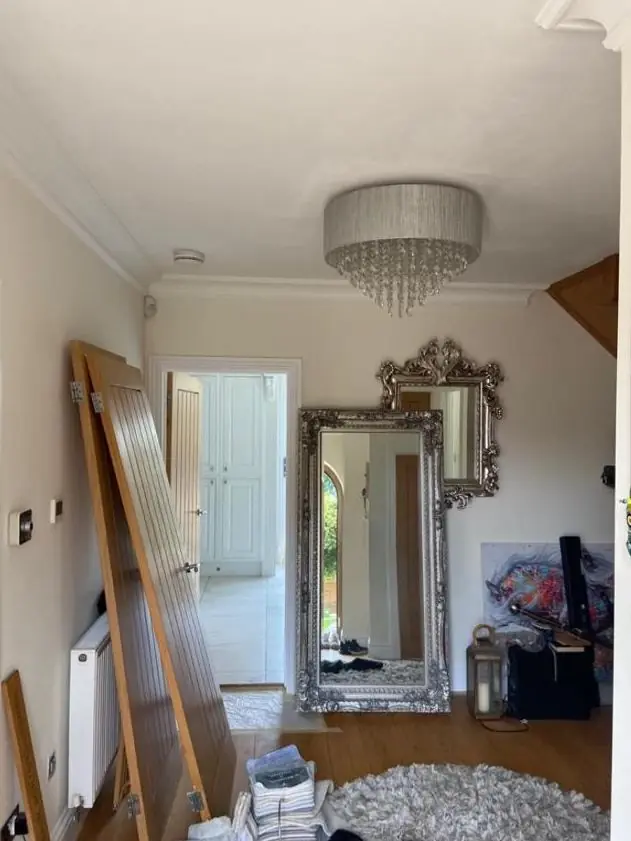
Pitsford House and Middlesex House have both been split into separate homes. The private rooms are yours to decorate, but entrance halls, stairwells and landings may be shared, so it pays to agree colours and timing with the other owners before we start. Tall rooms in houses of this kind need a tower or platform for ceilings and cornice, which we build into the quote.
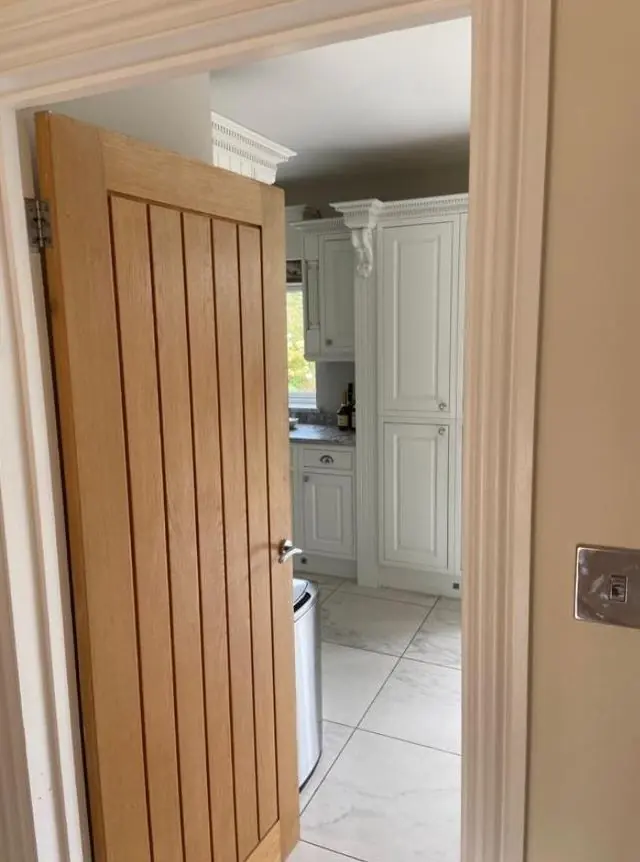
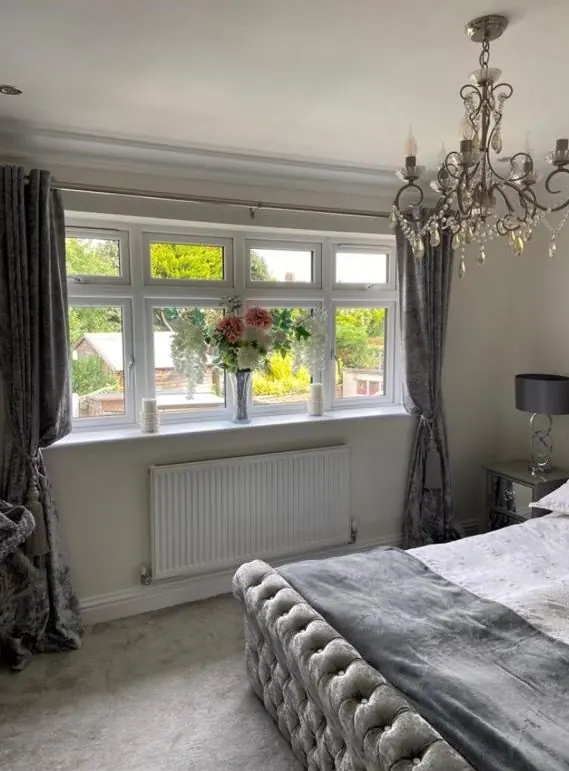
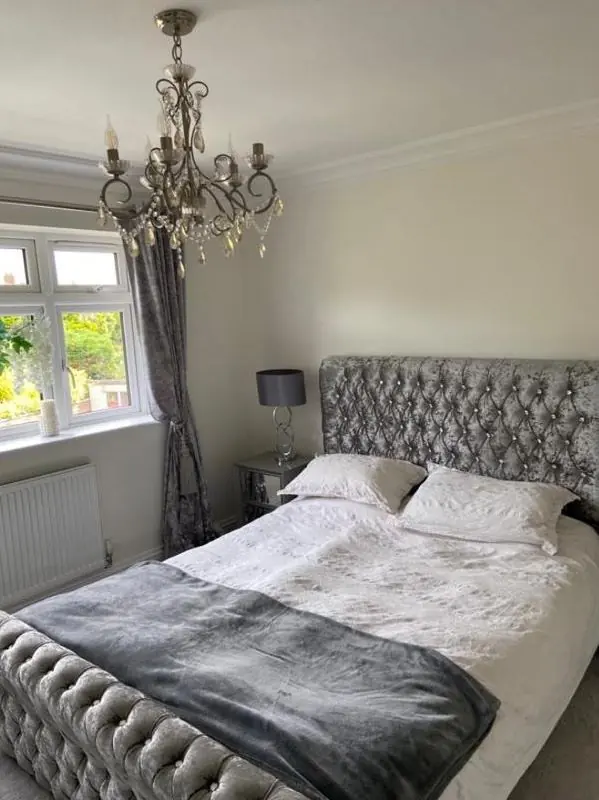
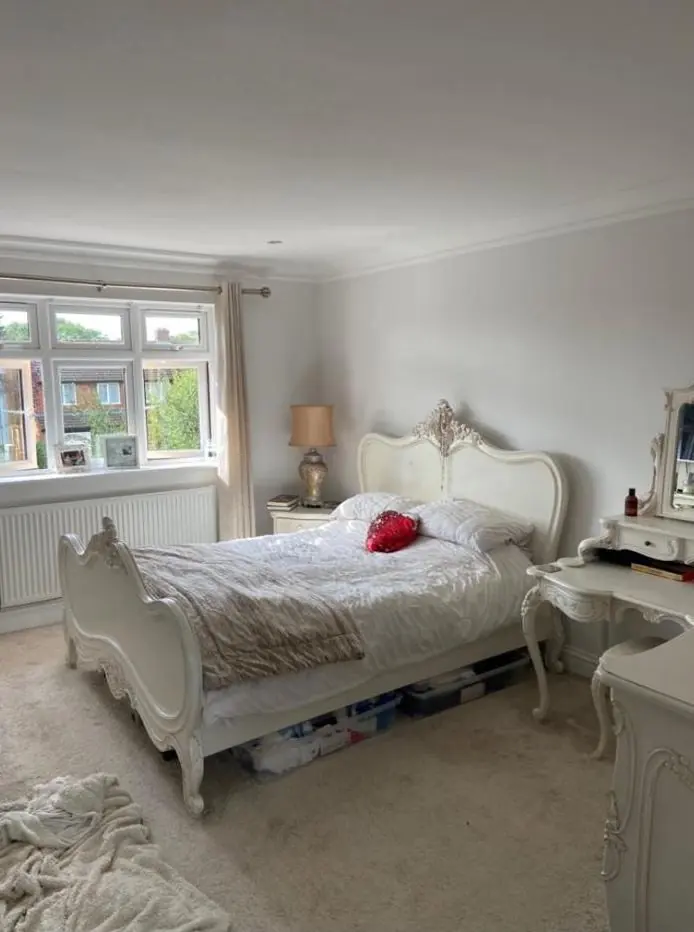
On Drummond Close, Broadlands and Glebe Lane the houses are brick, lined with gypsum plaster or plasterboard. Standard emulsions and acrylic eggshells are the right choice here, and the work is about crisp lines, filling settlement cracks and finishes that wipe clean in kitchens, halls and children’s rooms. None of the heritage considerations that shape the old core apply indoors on these streets.
Getting dust sheets and steps to your door
Parking matters more for indoor work than people expect, because sheets, steps and paint go in and out all day. Manor Road is very narrow in places and climbs a short hill, Church Lane runs between high stone retaining walls, and many historic doorways open almost straight onto the road with no front garden to stage kit in. We work out where to unload when we come to look at the rooms. For a written quote, call Dean on 07539 779 036; our cost guide explains what affects the price of a job.
Last updated by Dean, DH Painter & Decorator.