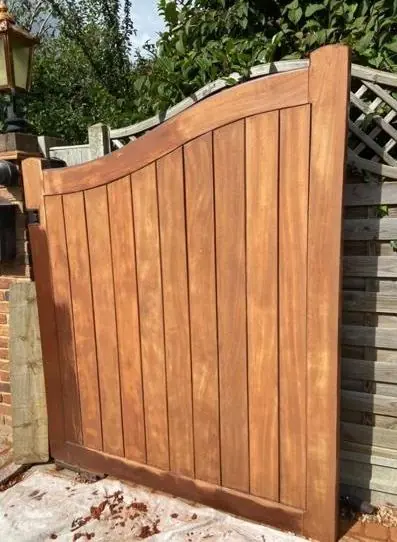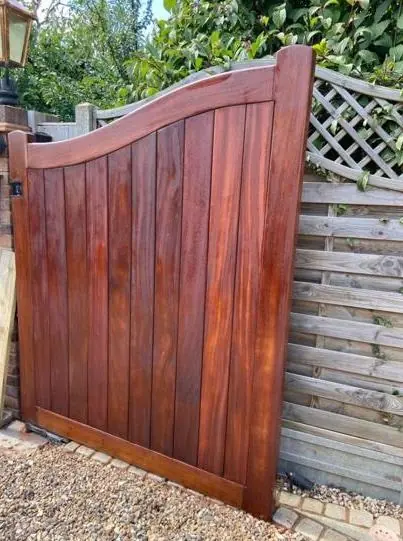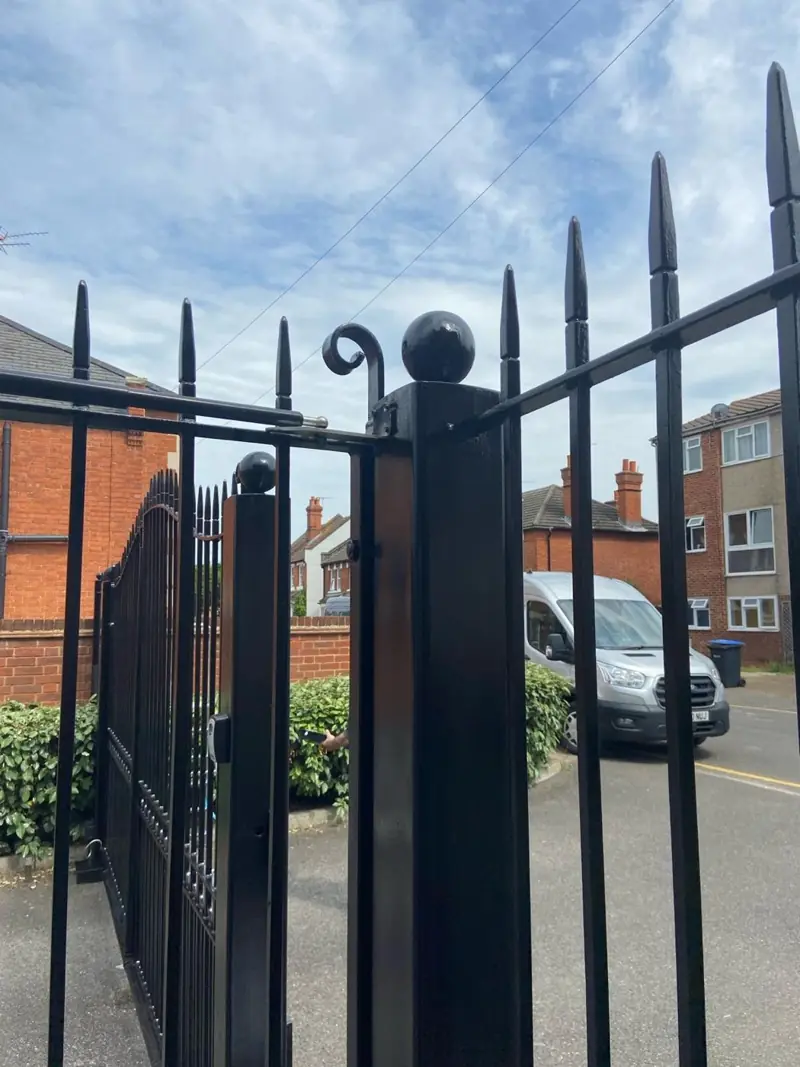
DH Painter & Decorator paints metal gates and railings in Hardingstone, NN4, south of the A45 and 1.8 miles from the town centre. Most of the metalwork here belongs to individual homes rather than historic street ironwork, and Dean deals with the rust, primes for the metal and finishes each piece to suit the house.
What metalwork Hardingstone actually has
It helps to be honest about this village. The council’s 2009 conservation area appraisal records few historic metal features in the core, and it describes the street railings outside 34-38 High Street as unsympathetic. Hardingstone’s boundaries are mostly tall stone and brick walls with traditional copings, not rows of cast-iron railings like some Victorian parts of Northampton. So you will not find much heritage ironwork here to restore.
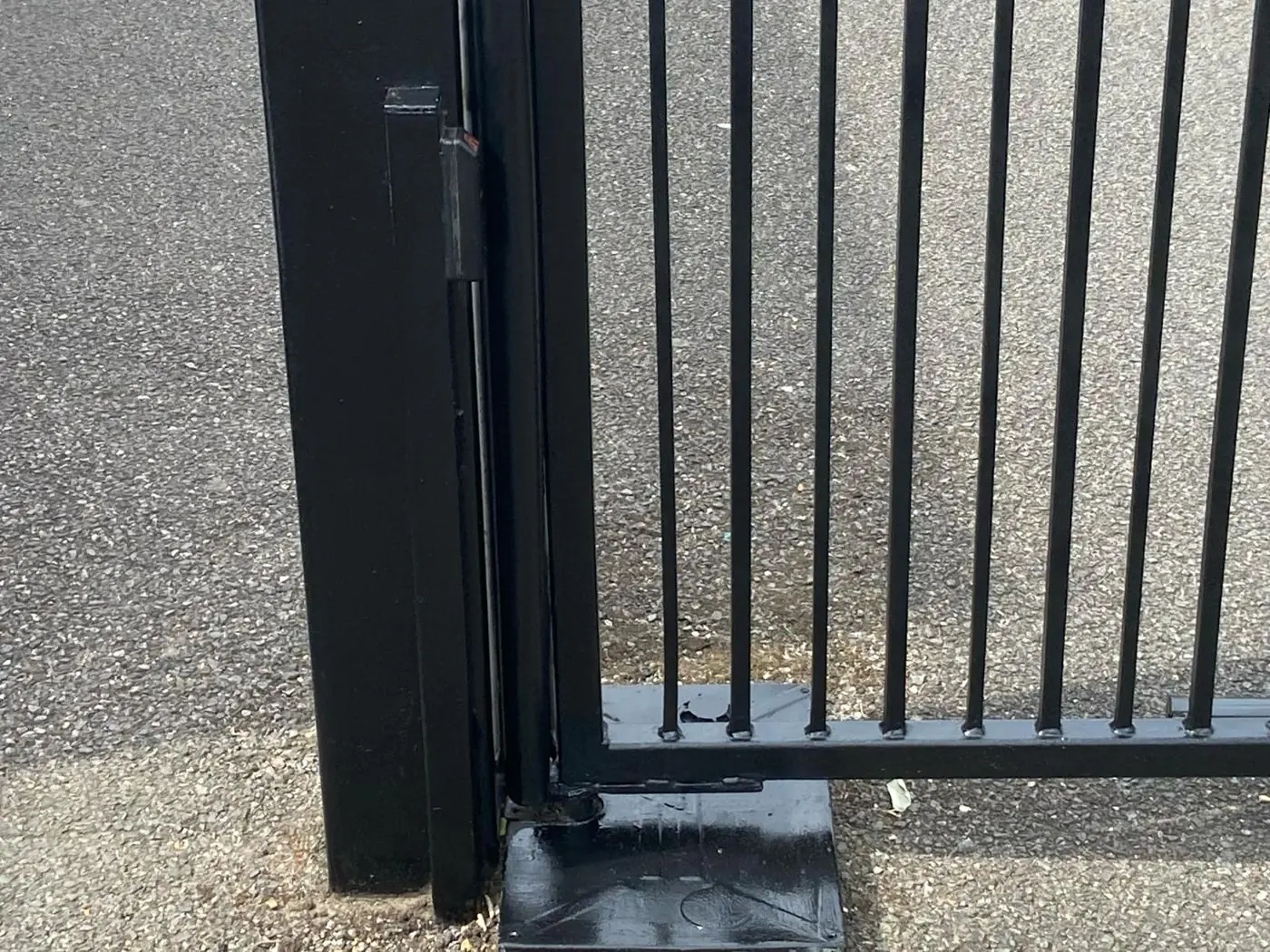
The metalwork here belongs to individual homes. Typical examples would be a wrought or mild steel gate between stone piers on Back Lane, a pair of driveway gates in front of a 1930s semi on the western High Street, a low railing on top of a garden wall, or galvanised gates and balustrades on the newer houses south of the core. Each is small on its own, but each needs the right preparation, or the rust is back within a couple of winters.
Galvanised gates on the newer homes need a primer made for zinc, because ordinary metal primer can peel away from a smooth galvanised surface. Older steel and wrought iron gates are taken back to firm metal, any remaining rust treated, and then primed with a rust-inhibiting primer before the topcoats.
Where iron meets ironstone
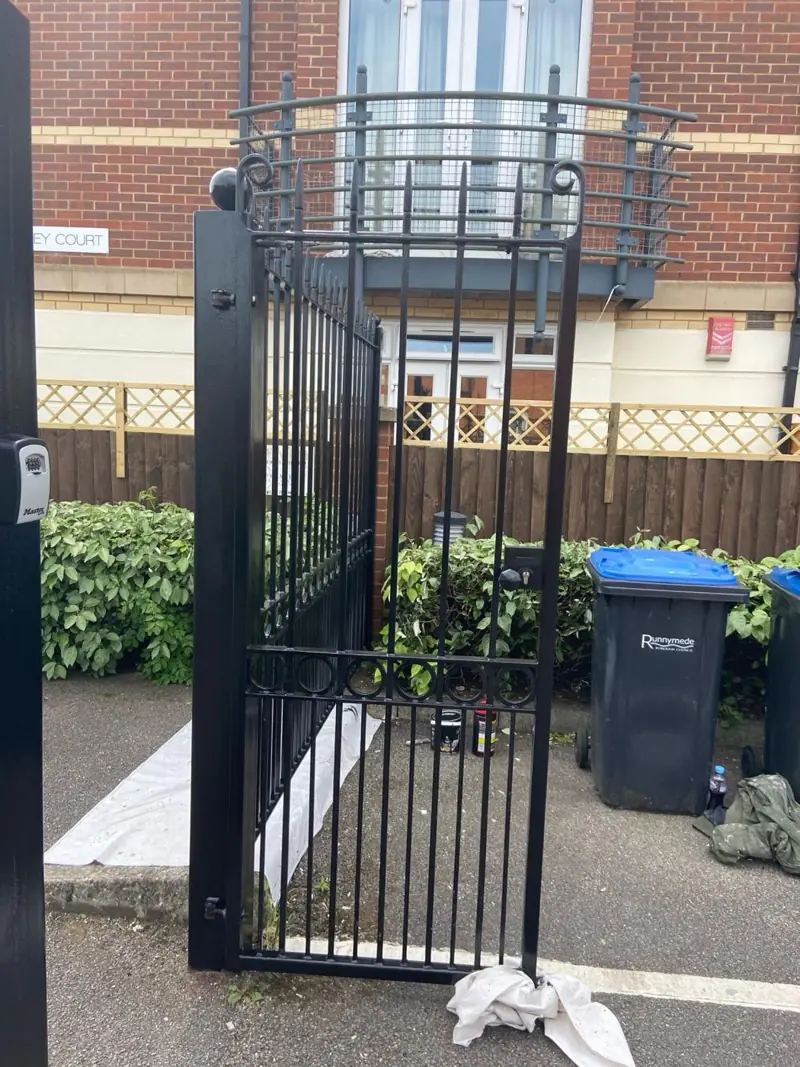
In the older part of the village, a gate or railing may be fixed straight into stone, with hinge pins set in piers or bars leaded into the coping of a boundary wall. Rust at those fixings expands and can split the stone around it. We clean the fixing points by hand, treat the rust and seal the joint with paint so water stops collecting there, and if the stone is already cracked we say so, as that needs a mason rather than a painter.
The walls themselves stay bare. The appraisal singles them out as part of the village’s character, and most cannot be demolished without consent, so we take care not to mark them:
- wire brushing and scraping close to stone is done by hand, so no grinder throws rust and old paint across the wall;
- copings and piers are masked and sheeted before any primer goes on;
- paint goes on by brush, never sprayed, anywhere near the stone.
Colour choices in the conservation area
Against the brown ironstone, pale limestone and red brick of the old core, darker traditional colours look most at home on metalwork: black, very dark green or a deep grey. Bright or pale colours tend to draw attention to a gate in a historic street. On a listed house, ask West Northamptonshire Council before changing the colour, since material alterations to a listed building can need consent. On the 1930s and 1950s homes and the newer estates you have a freer hand.
Working at the footway
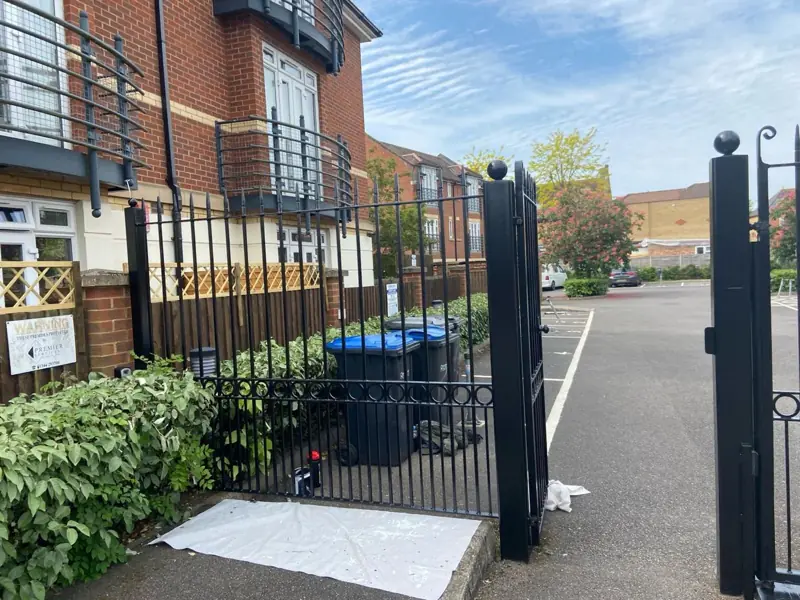
Gates on the old High Street often open almost straight onto a narrow footway, with parked cars along the eastern end and double yellow lines in the core. We keep the work area tight, put out a barrier and wet paint signs, and plan things so the gate can be closed and used between coats.
The step-by-step method for each type of metal is on our main metal gate and railing painting page, the factors that affect price are covered in our cost guide, and the Hardingstone area page describes the village’s buildings.
Last updated by Dean, DH Painter & Decorator.