Dean hangs wallpaper and lining paper in Hardingstone, NN4, a village 1.8 miles out from Northampton town centre. In the village's old stone cottages that means lining and careful pattern choice for walls that are rarely flat; in the modern homes south of the core it is mostly feature walls on smooth board.
Paper on walls that were never square
The cottages along Back Lane and around The Green go back as far as the 16th and 17th centuries, built in coursed rubble of brown Northampton sandstone and finished inside with lime plaster. After several hundred years of settling, their walls bow, lean and meet ceilings at angles no spirit level agrees with. Paper shows all of that. A drop hung dead plumb beside a door can open a wedge-shaped gap against a leaning corner, and a pattern that meets neatly at the skirting may drift by a centimetre or more at the ceiling line.
So in these houses we start by deciding where the eye will judge the room. Usually that is the main window wall or the chimney breast. We set the first drop there, let small corrections hide in the darker corners behind doors, and trim to the ceiling by eye where a straight cut would look crooked against a sloping line.
Lining first, then the paper you chose
Lime plaster in old village houses is rarely smooth enough to take a good paper directly. Old repairs, hairline cracks and patched areas all telegraph through. Hanging lining paper first, cross-lined horizontally so its joints do not line up with the finish paper, gives an even, absorbent base and helps the top paper hold to soft plaster. It also adds a little forgiveness where the wall has small movements.
Pattern choice matters more here than in a new house. A busy, small-scale or irregular design hides the wall’s wandering. A bold vertical stripe or tight geometric shows every degree a wall is out of plumb. If you have your heart set on a stripe in an old room, we will show you where it will drift before you buy the rolls.
Keep vinyl off the damp ground floors
Hardingstone sits on the spring line, and Coldstream Lane takes its name from the springs that still run beneath the village. Ground-floor walls in the oldest cottages can hold moisture and salts near the floor. A vinyl paper acts like a plastic sheet over that: the wall cannot dry, the paste stays damp, and the paper lifts or grows mould behind it. On those walls we recommend traditional pulp or other breathable papers, and we leave the lowest stretch of an obviously wet wall alone until the cause is looked at.
In any of the village’s 41 listed buildings, check before stripping very old layers: consent rules for listed buildings reach indoors as well, and historic finishes can matter to the council.
The estates south of the village core
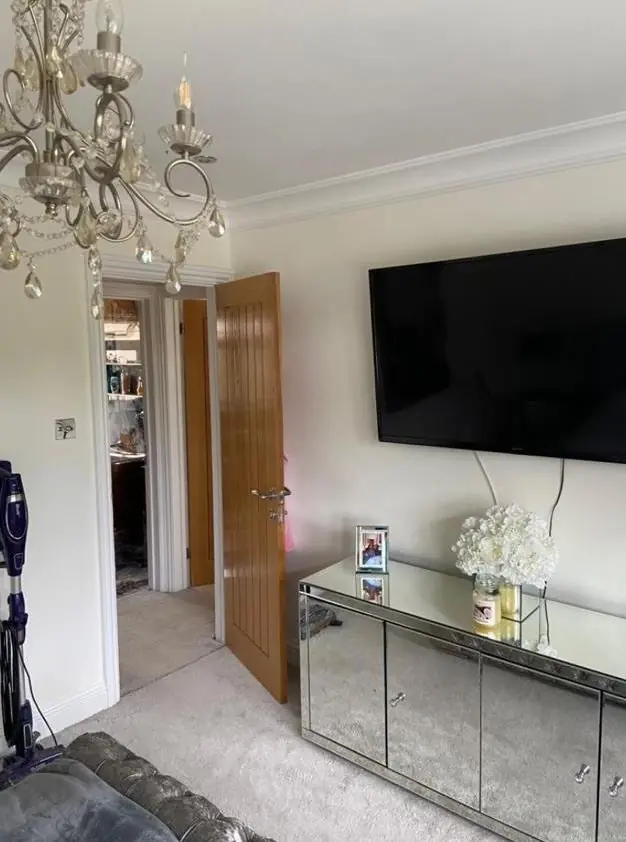
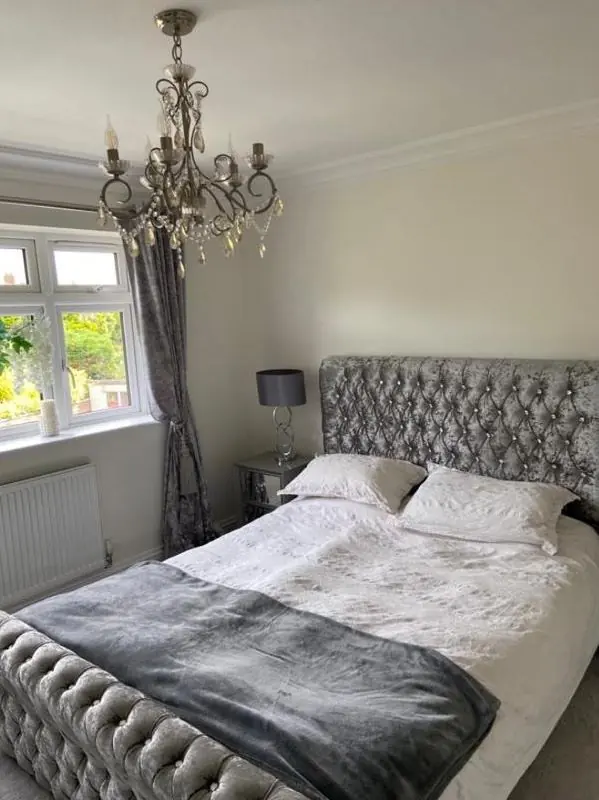
Homes on Bay Willow Crescent, Tawny Owl Drive, Glebe Way and the other newer streets are a different job. Plasterboard walls are flat and corners true, so a statement paper on a chimney breast, behind a bed or across a dining wall goes up cleanly with little lining. The thing to watch is fresh plaster or board that has never been sealed: it needs sizing or a suitable primer first, or the paper will be hard to remove when you next redecorate. Glebe Avenue’s 1930s and 1950s houses sit between the two, often with older papers to strip and plaster that needs filling first.
How we strip, prepare and hang paper in general is on our main wallpaper hanging service page, and the Hardingstone area page covers the village’s housing as a whole. If you want walls painted alongside the paper, see our interior painting page. Call Dean on 07539 779 036 to arrange a free quote.
Last updated by Dean, DH Painter & Decorator.