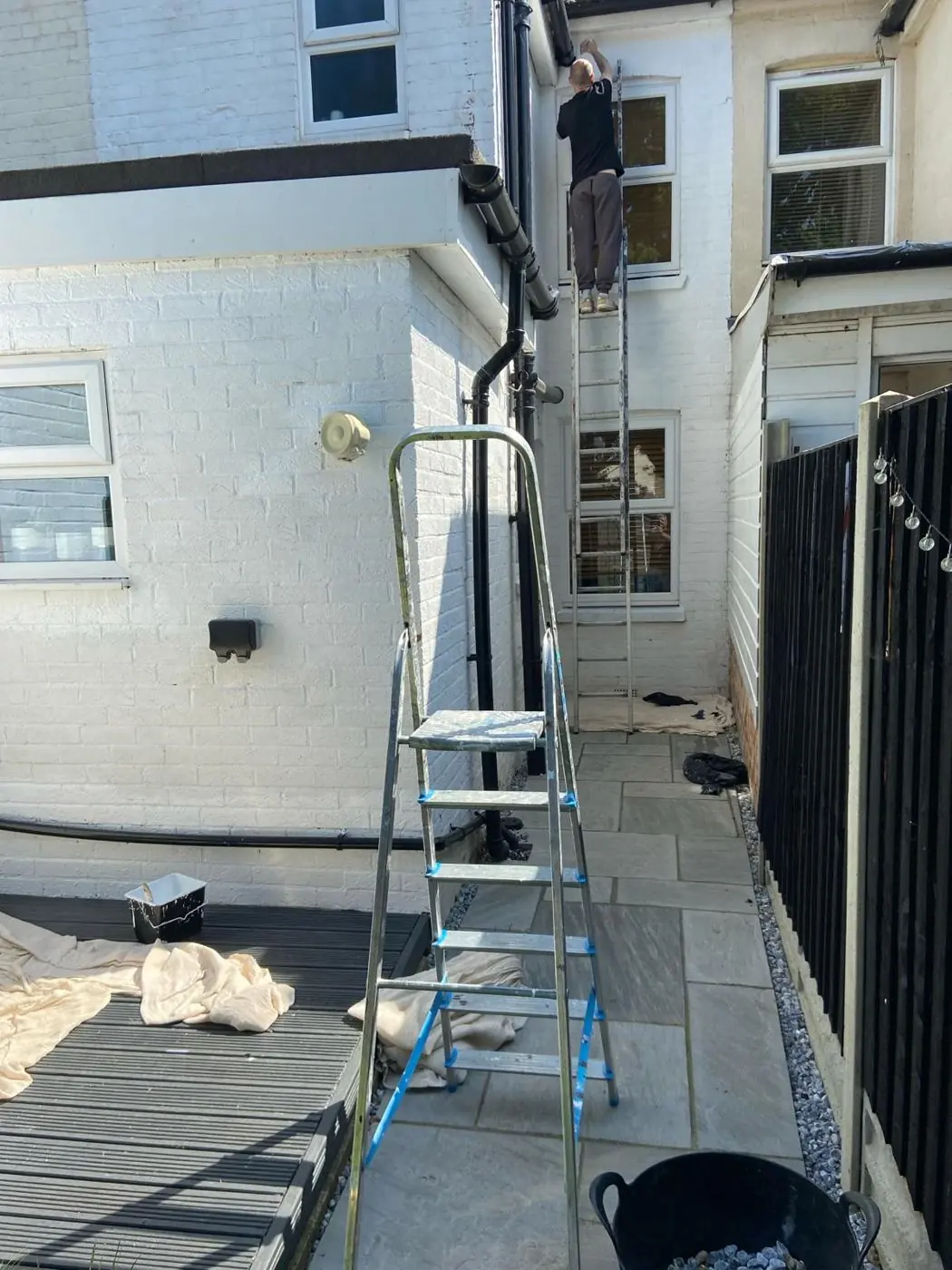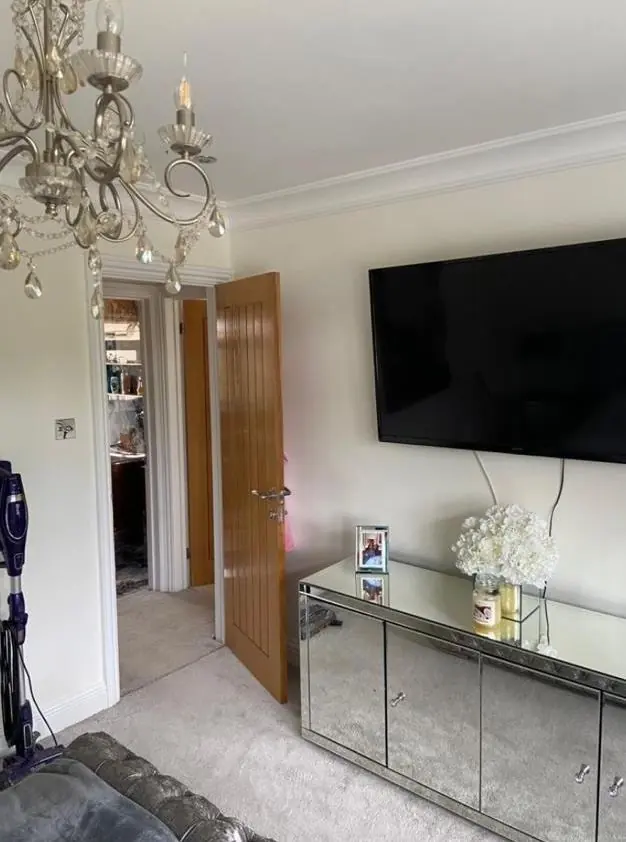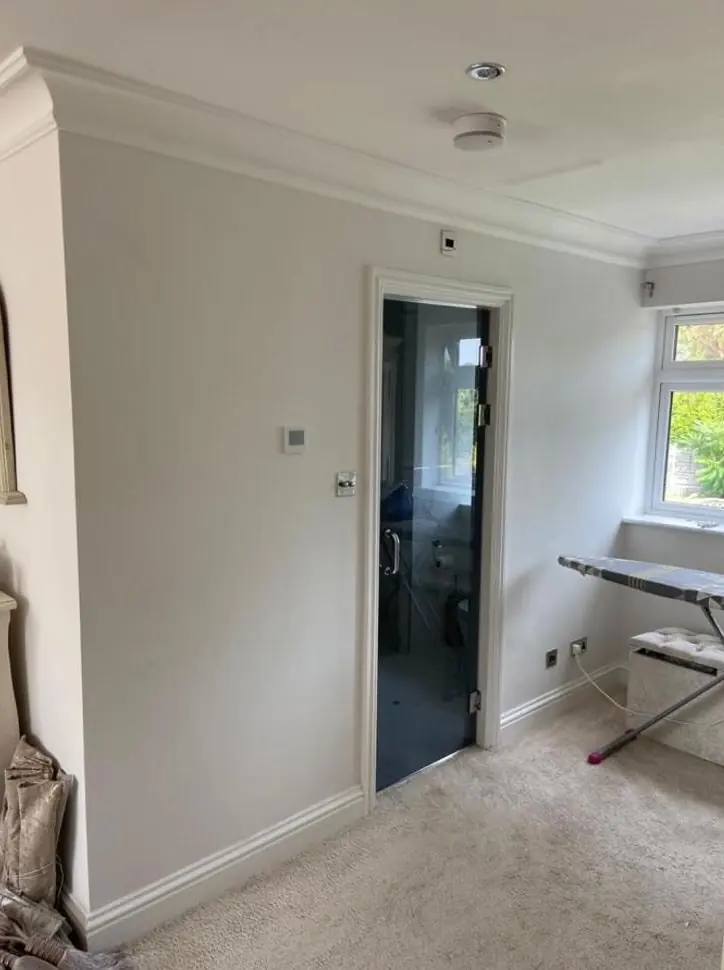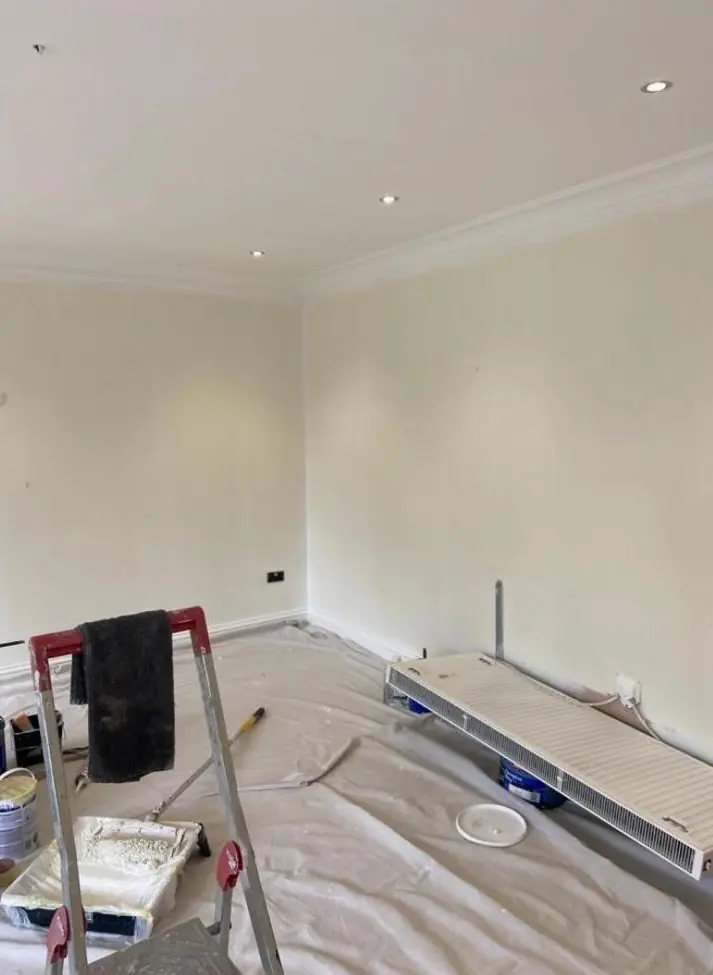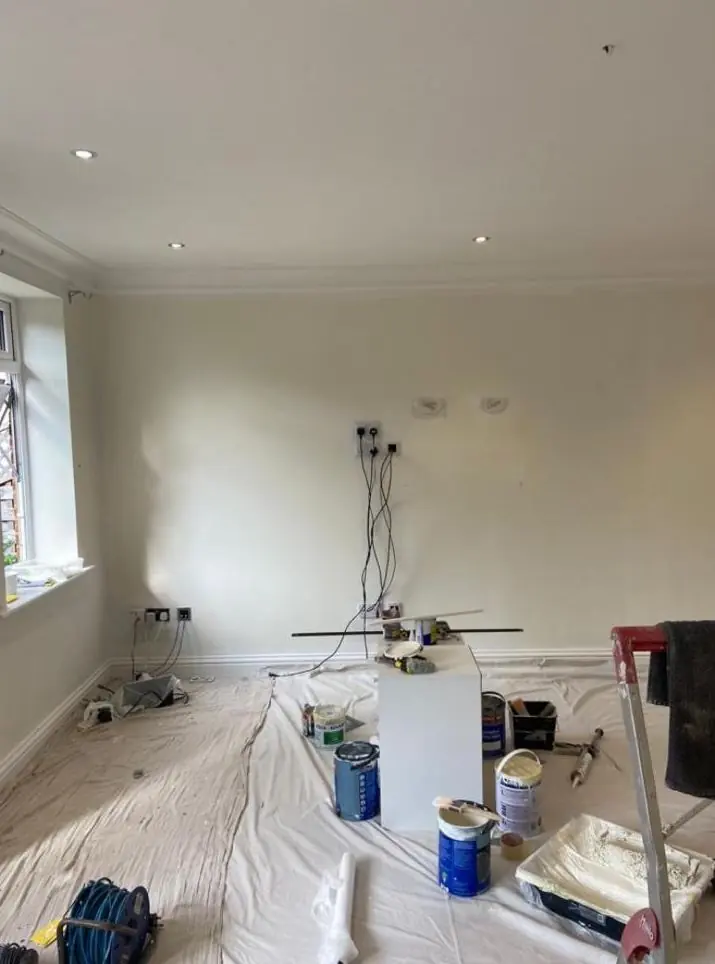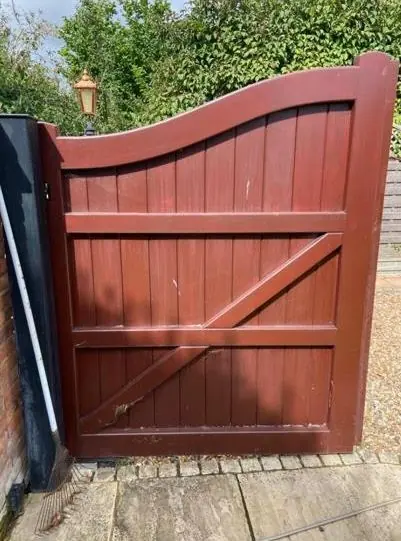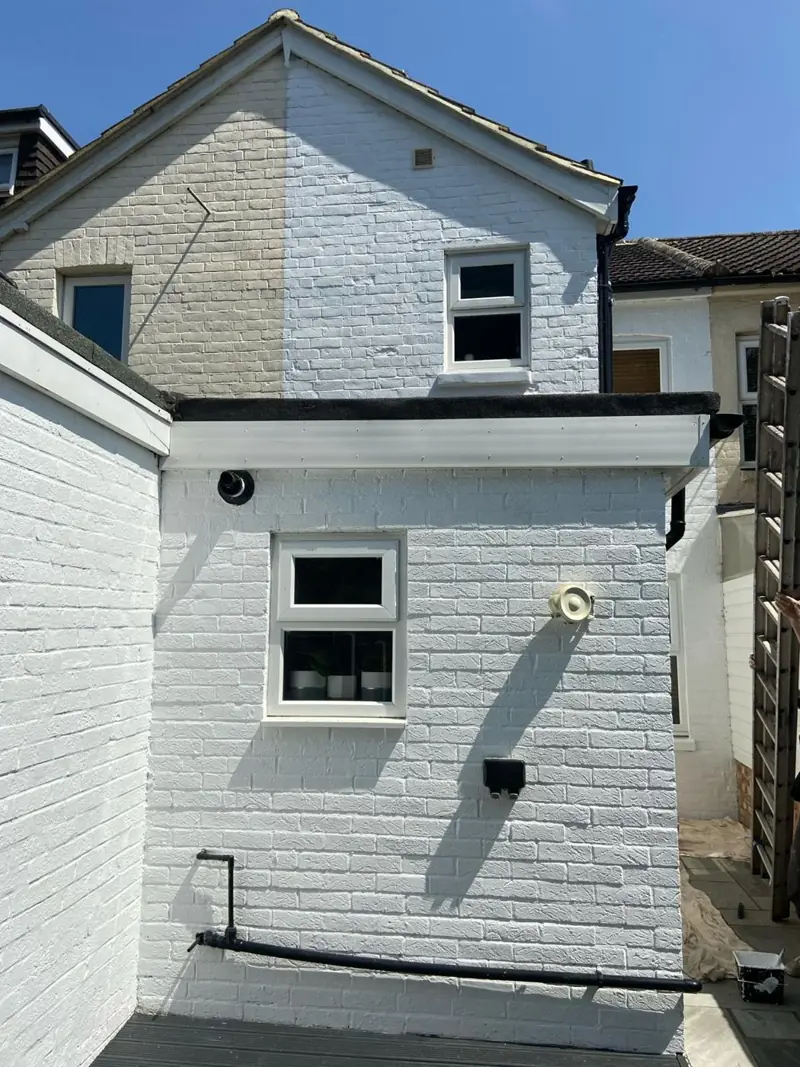
DH Painter & Decorator covers Hardingstone from our Northampton base, about 1.8 miles south of the town centre in NN4. Dean, with over 30 years in the trade, takes on work across the village: listed stone cottages, stucco houses, 1930s and 1950s homes, modern estate houses and commercial premises.
A village that kept its own character
Hardingstone was absorbed into the borough of Northampton in 1974, yet the council’s 2009 appraisal found it “remains a separate entity from the town and retains the character of a village”. The A45 runs along its west and north sides, the B526 Newport Pagnell Road separates it from Wootton, and Delapre Abbey borders the parish. It is still its own civil parish, with 2,225 residents at the 2021 census. From the town centre it is about 1.8 miles south, so it is close for us, but the buildings are very unlike the Victorian terraces of Far Cotton or the 1980s and 1990s estates of East Hunsbury.
For a decorator, Hardingstone is really several places in one: a historic stone core, a ring of 20th-century houses, modern estates to the south, and commercial sites from converted barns to warehouses on Brackmills. Each needs a different approach, and this page sets out what they are.
The conservation core: ironstone, thatch and stucco
The streets around The Green, High Street, Back Lane and Coldstream Lane form the Hardingstone Conservation Area, first designated in April 1976 and extended after a 2008-09 reappraisal. It contains 41 listed buildings under 33 list entries. The oldest houses are 16th to early 18th-century cottages and farmhouses in coursed rubble of brown, iron-rich Northampton sandstone, roofed with steep pantiles or thatch. Only four thatched roofs remain, including Cobbler’s Cottage at 80 High Street and The Hermitage at 37 Back Lane.
The 18th and early 19th centuries added village houses and Neo-classical houses, many built straight up to the footway. Fronts here are coursed brown or yellow stone, ashlar, stucco or roughcast, and early brick in Flemish bond. The Grade II* houses at 26 and 28 Back Lane are stucco under Welsh slate; 14 to 16 Back Lane is roughcast; Church House on High Street is stucco; Mulberry House at 32 The Green is red brick with painted stone quoins.
What this means for painting:
- Painted masonry on soft stone and lime mortar needs breathable mineral or limewash-compatible finishes. Acrylic masonry paint traps moisture.
- Stucco and roughcast fronts need lime-compatible paint and careful patch repairs, not a heavy plastic coating. Our render and masonry painting page explains the options.
- Bare stone and brick that has never been painted should stay bare, and so should the tall stone and brick boundary walls that front many properties.
- Where original timber sashes and casements survive, the appraisal favours repair over replacement, which means splice repairs and oil or linseed-based paints. Our woodwork and door painting service goes into that in more depth.
- Near thatched eaves, heat guns and open-flame stripping are ruled out. We strip chemically or mechanically instead.
For any listed building, listed building consent covers material alterations inside and out, so a change of exterior colour or stripping historic joinery should be checked with West Northamptonshire Council first. We are glad to put the planned work in writing for that conversation.
Inside the older houses
Hardingstone sits on the spring line at about the 100m contour, and springs still run underground. Coldstream Lane is named after them. Ground-floor walls in old cottages can hold damp and salts near the floor, so we use breathable paints and avoid vinyl papers that seal the wall. Lime plaster is uneven by nature, so we fill what needs filling and leave the character alone. Stairs in cottages built as pairs or altered from back-entry layouts tend to be steep and compact, needing proper stair access equipment and extra preparation. More on this is on our interior painting page.
1930s and 1950s homes, and the newer estates
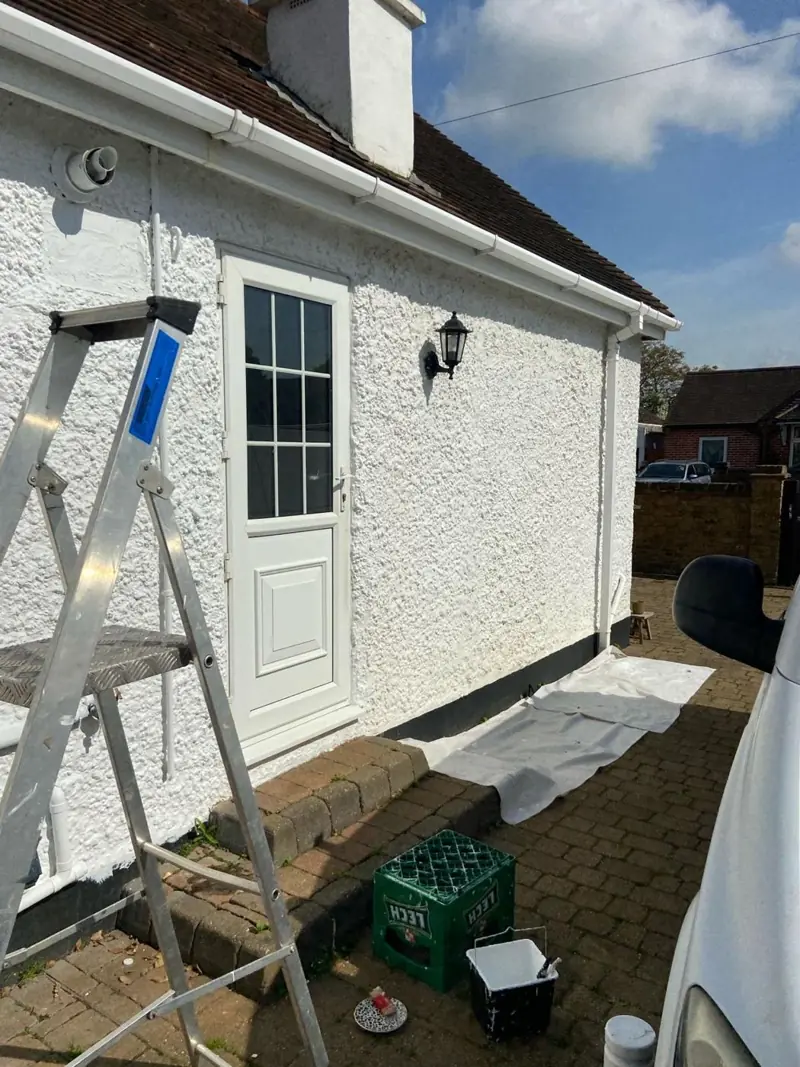
The western end of High Street, the approach to Coldstream Lane and Glebe Avenue have 1930s and 1950s detached and semi-detached houses and bungalows set behind front gardens. These are conventional brick and render homes: standard masonry paints and modern woodwork systems suit them, and the front gardens make ladder work easier than in the core.
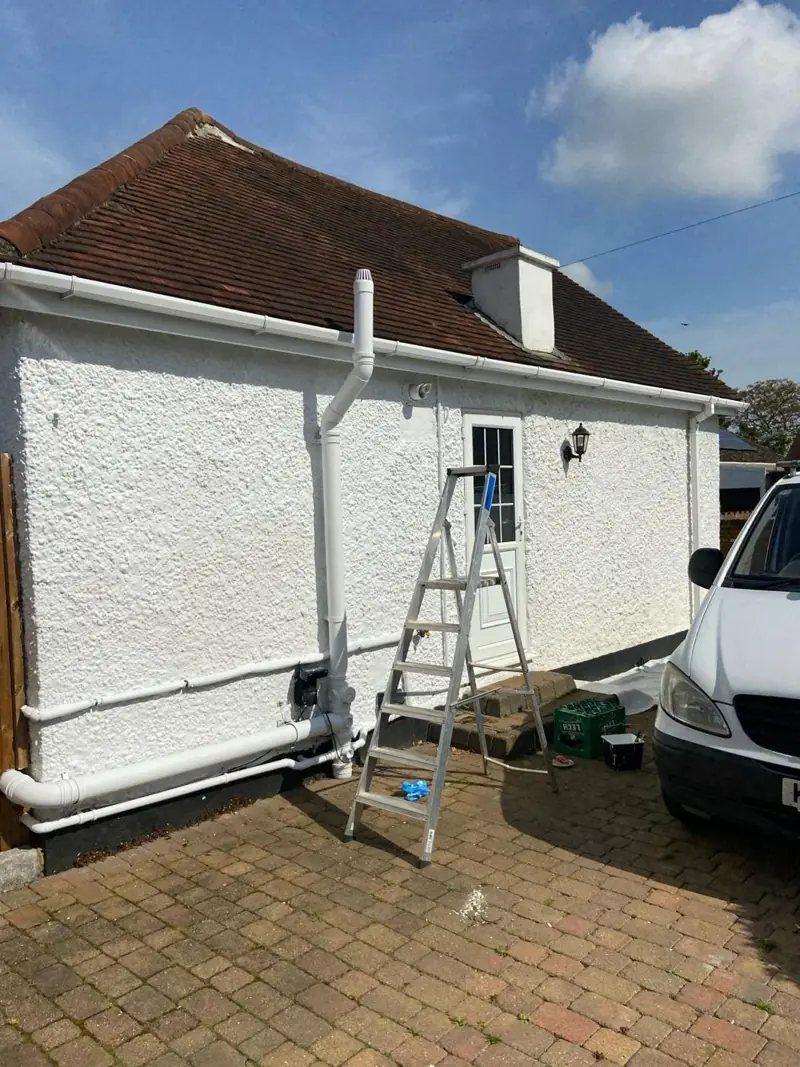
South of the old village, modern development includes streets such as Bouverie Road, Glebe Way, Tate Grove, Middle Greeve, Bay Willow Crescent, Elm Tree Drive, Gardeners View, Falcon Way, Sparrowhawk Crescent, Tawny Owl Drive and Ilex Close. Work there is a different trade altogether: mist coats on new plaster, smooth plasterboard, and uPVC or factory-finished fascias that usually need cleaning rather than paint. Our guide to painting new plaster covers the first step for new homes and extensions.
Shops, pubs and business premises
Hardingstone has a small village centre rather than a parade: the Londis shop, a post office, a corner shop, several hairdressers, and two pubs, The Crown and The Sun. These sit in or near the conservation area, so shopfront colours should respect the historic street. The Hardingstone Small Business Centre occupies converted farm buildings and a former garage on High Street, also inside the conservation area. Part of Brackmills Industrial Estate lies within the parish to the north-east, with large warehouse units including an Asda warehouse. Repaints there are planned around operating hours. Our commercial painting page covers that side of the work.
Access, trees and weather
The historic streets are tight. Many early houses stand right on the footway with no front garden for a ladder or tower, High Street between the church and Coldstream Lane has narrow or no footways, and overhead power lines run along High Street, The Green and Back Lane. There are double yellow lines in the core and parking on The Green’s verge is discouraged. We plan ladder and tower positions, pedestrian protection and deliveries around all of that before work starts.
Mature trees overhang much of the village, many protected by Tree Preservation Orders: pines and holm oaks on Back Lane, Scots pines on The Warren, limes and yews in St Edmund’s churchyard. They drop sap and debris and keep walls shaded, so exterior work needs a fungicidal wash to clear green growth and longer drying windows. On the most shaded frontages that usually means booking the work for late spring or summer.
We also cover the neighbouring areas of Delapre, Far Cotton, Wootton, East Hunsbury, Great Houghton and Grange Park. To talk through a job in Hardingstone, call Dean on 07539 779 036 for a free quote.
Last updated by Dean, DH Painter & Decorator.