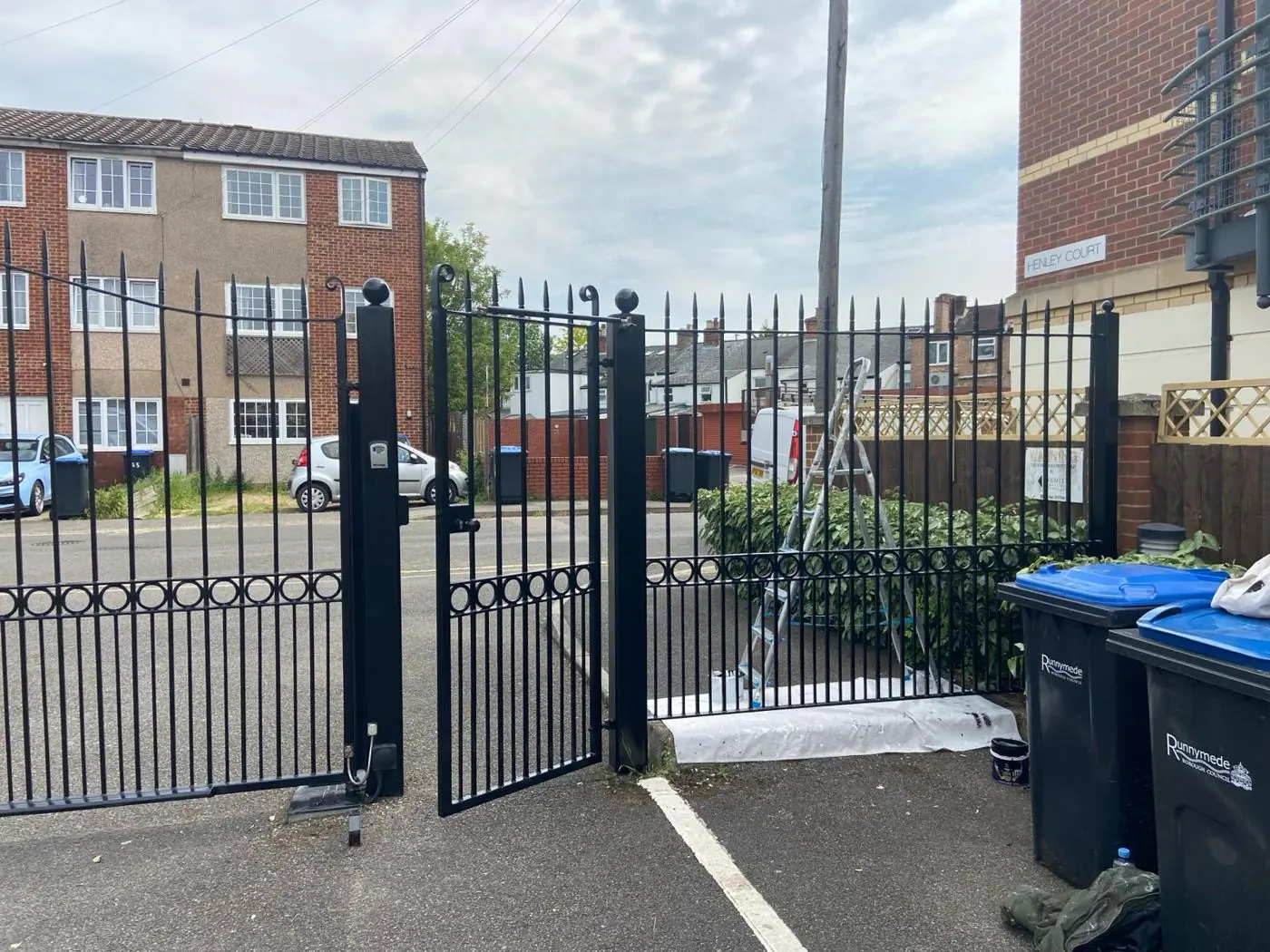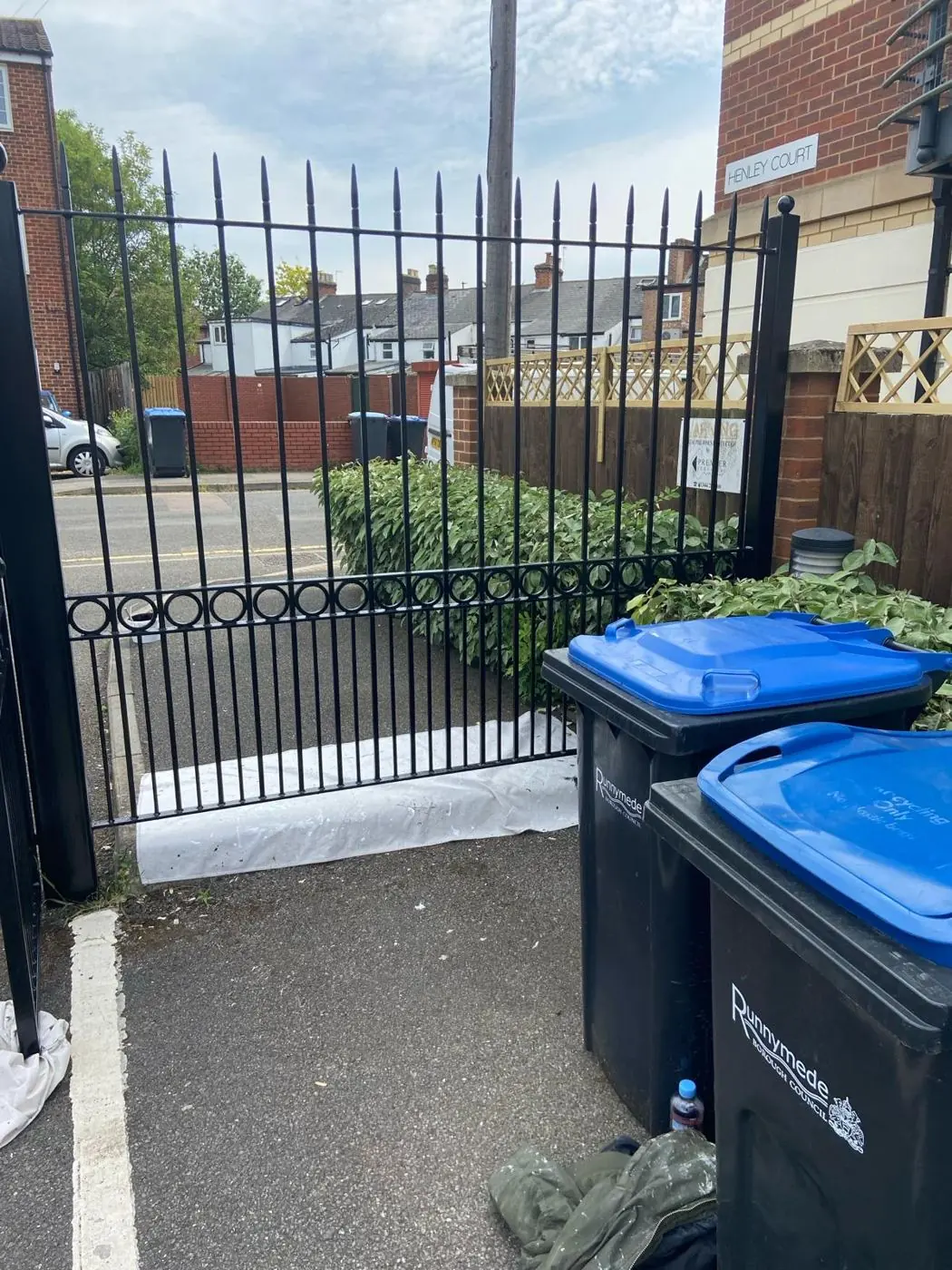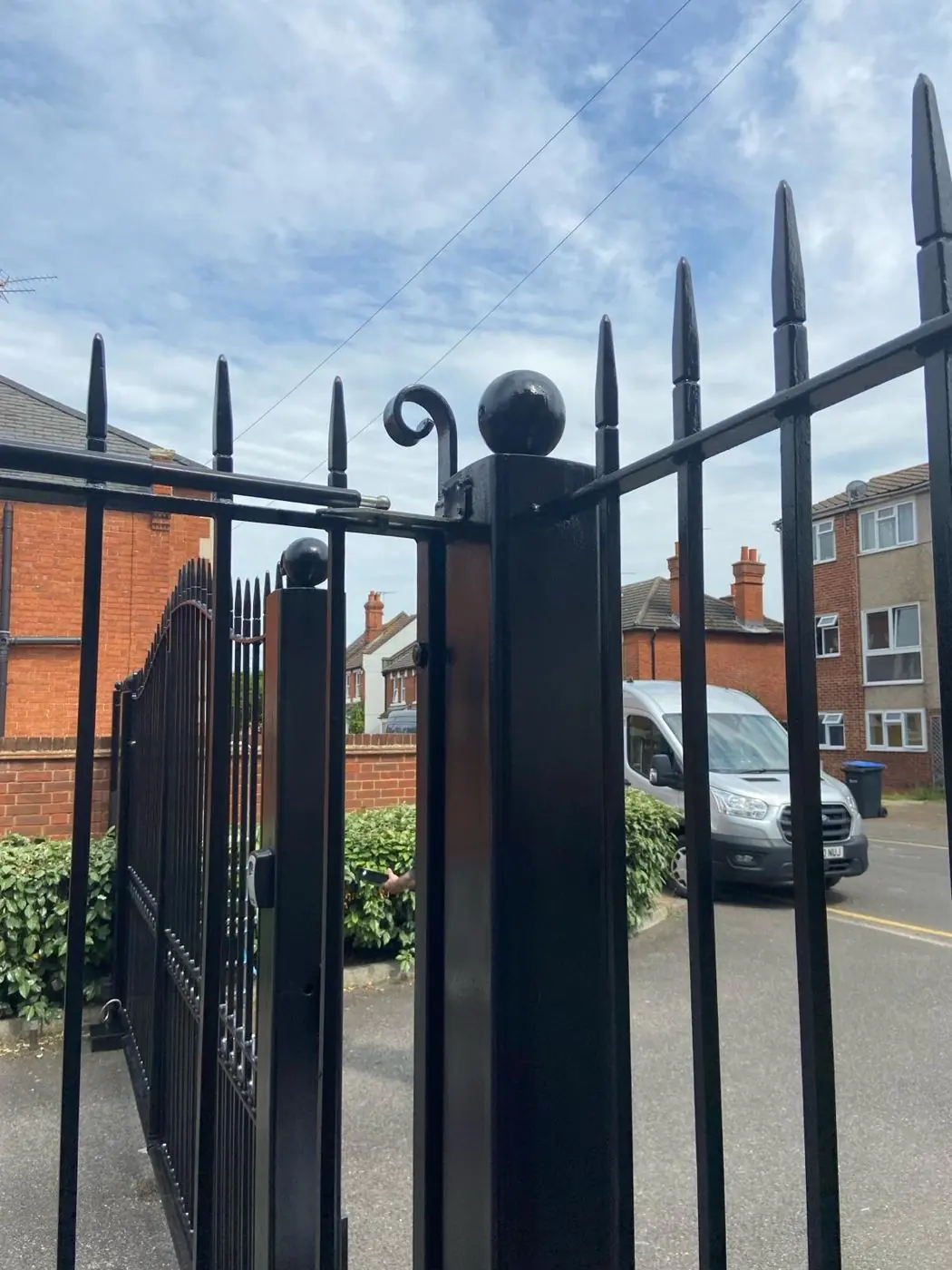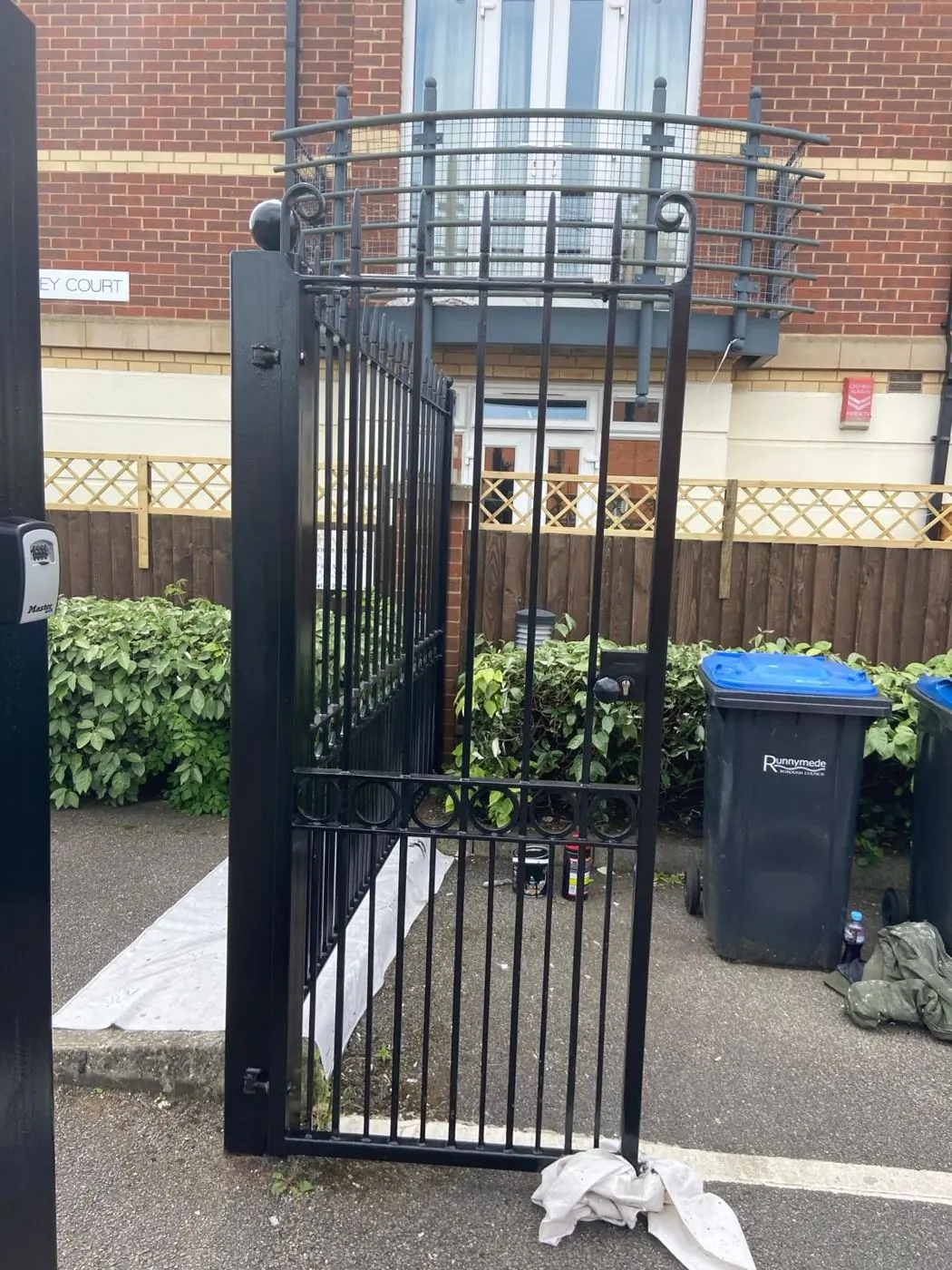
DH Painter & Decorator stains and paints fences and gates across Hardingstone in NN4, just under two miles south of Northampton's centre. Most fence work is on the 1930s homes and the newer streets south of the core; in the old village, tall stone walls stand where fences would be, so there the job is usually the gate.
Back-garden fences on the newer streets
The detached and semi-detached houses south of the historic core, on streets such as Bouverie Road, Glebe Way, Middle Greeve, Gardeners View and Tawny Owl Drive, are where most of Hardingstone’s garden fencing is. Lap panels, feather-edge boards, posts and gravel boards all take stain or exterior paint, and the choice depends on the look you want and what is on there now. A fence that has been painted cannot go back to a translucent stain without stripping, so we check before quoting. Bare or never-treated panels soak up the first coat, so we allow an extra coat on new timber and give the posts extra attention at ground level, where wear starts.
When a stone wall stands where a fence would be
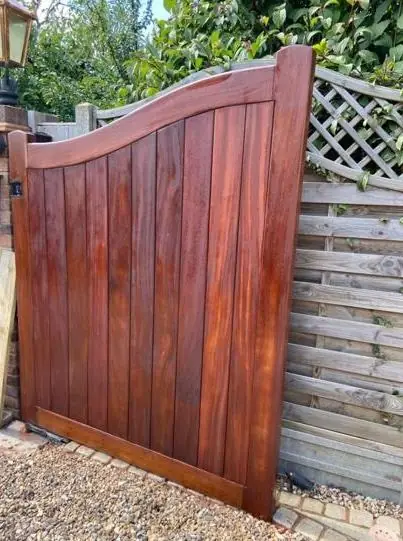
In the conservation area, tall stone and brick boundary walls with traditional copings front many properties. The council’s appraisal counts them among the village’s defining features, demolishing most of them needs Conservation Area Consent, and they are meant to stay bare. So the timber we treat there is the gate set into the wall, whether a boarded door between stone piers or a side gate into a yard. Where a house in the core is built straight onto the footway, a side gate may be the only way through to the back garden, so it is opened constantly and its bottom rail and hinges take the wear. That is where we look first for soft timber and loose joints.
Staining next to soft ironstone needs care. Stain soaks into porous stone and is very hard to get out, so we mask the piers, hold drip trays under the gate, and apply by brush only, never by spray. If the gate is heavy and its hinges are fixed into the stonework, we take the weight off while working rather than risk loosening the fixings. Dark stains also show far more on pale yellow limestone than on brown ironstone, so on lighter walls we take extra care at every edge. Where a gate looks rotten at the bottom rail, we tell you before staining it, because a coat of stain will not hold it together.
Front gates on the 1930s and 1950s houses
The semis and bungalows on the western end of High Street, the Coldstream Lane approach and Glebe Avenue sit behind front gardens and boundary walls, often with a timber front gate and sometimes a side gate to the back. These are often painted rather than stained, and they get handled every day, so the top rail and latch side wear first. A refresh here is mostly cleaning, sanding back loose coating, spot-priming bare wood and two coats, with the hinges and latch protected rather than painted shut.
Damp ground and shaded gardens
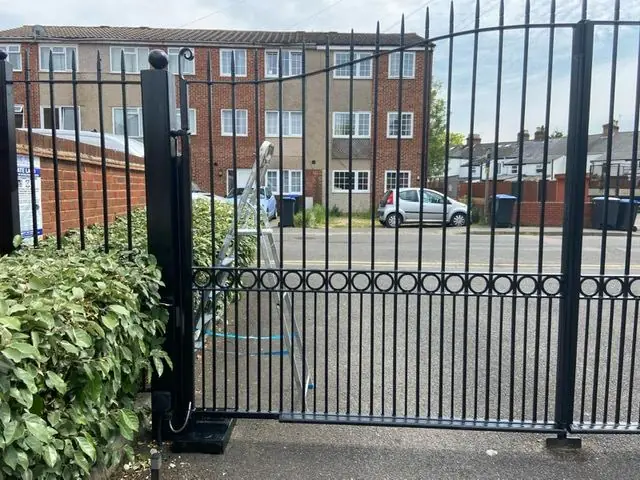
Hardingstone sits on the spring line, with Upper Lias clay on the lower slopes and springs still running below ground. Fence posts and gravel boards in those gardens stay wet at the base for long periods, and gardens beneath the village’s protected trees see little direct sun. Green growth builds up, and stain applied over it, or onto damp timber, soon fails. We wash down with a fungicidal treatment first, let the boards dry out fully, and book shaded runs of fencing for the drier months. Our guide on timing outdoor painting in the UK explains why.
For the products and method we use, see our main fence and gate staining page, and our Hardingstone area page for an overview of the village.
Last updated by Dean, DH Painter & Decorator.