Dean from DH Painter & Decorator gives colour and finish advice to Hartwell homeowners, about 6.5 miles south of Northampton town centre in NN7. It covers heritage-appropriate shades for the listed limestone and thatched cottages, rooms shaded by Salcey Forest and the freer choices open to estate homes.
Choosing colours beside limestone and thatch
The older part of Hartwell, along Park Road and Forest Road on what was Hartwell Green, is built of coursed limestone with roofs of thatch or slate. Some of those walls are bare stone and some, like Old Forge Cottage at 41 Park Road, are painted rubble. Whatever goes on the woodwork, porches or painted walls is seen against warm, buff stone and the dull straw-brown of thatch, so the colours that sit well are soft and earthy: off-whites with a little yellow or grey in them, muted greens, stone shades and quiet blues. Bright whites and saturated colours tend to look harsh next to old limestone.
The Grafton estate cottages of about 1840 at 4 and 6 Forest Road add Gothick iron casements, and the eight cottage ornee houses on Ashton Road, described as new in 1875, carry timber porches and projecting wood eaves. On buildings like these, picking the right colour for the joinery and ironwork does more for the look of the house than the walls do.
Listed buildings and colour changes
No conservation area is recorded for Hartwell, so an unlisted house in the village can generally be repainted in a new colour without planning consent. Listed buildings are different. The parish has 12 of them, including 52 Park Road, Old Forge Cottage, Hartwell End House and Hartwell Park Farmhouse, and changing the exterior colour or the type of paint on a listed building can need listed building consent from West Northamptonshire Council.
For those houses, our first suggestion is a colour close to what is already there, in a compatible breathable system. If you want something different, Dean will tell you so you can ask the council before any paint is bought. He also checks what is on painted stone now, limewash or modern masonry paint, since that limits the products and colours available.
Light under the trees of Salcey Forest
Salcey Forest lies along the north-east side of the parish, and homes near it get shade and filtered light for much of the day. Light that has come through leaves has a green-grey cast, and it pulls cool colours further towards grey. A pale grey that looks crisp on a sample card can look flat and cold on the forest-facing wall of a Hartwell living room. Warmer undertones, a touch of red or yellow in an off-white or a greige, hold up better in those rooms.
The old cottages have their own problem: small leaded or casement windows set in thick walls let in little light, and the deep reveals cast shadows. Lighter, warm colours and a flat matt that hides wall undulations usually work better there than deep shades with a sheen, which pick out every bump in a lime-plastered wall.
Freer choices on Hartwell’s estates
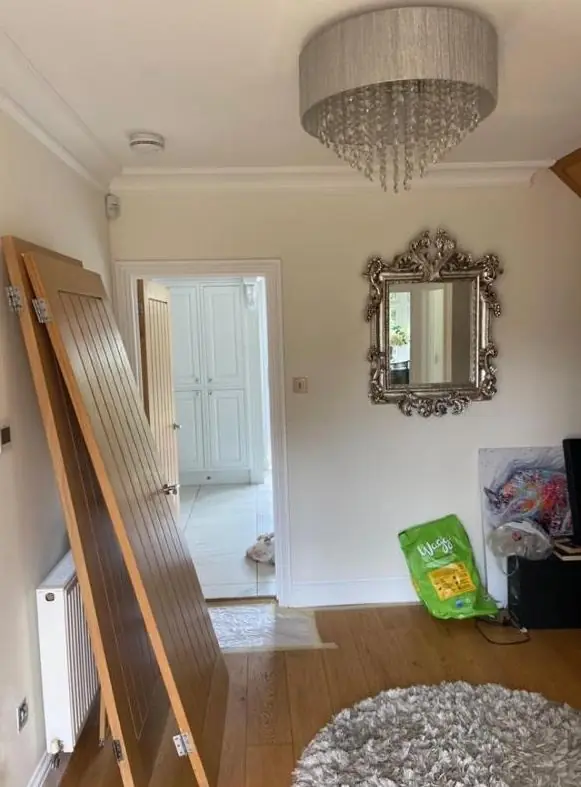
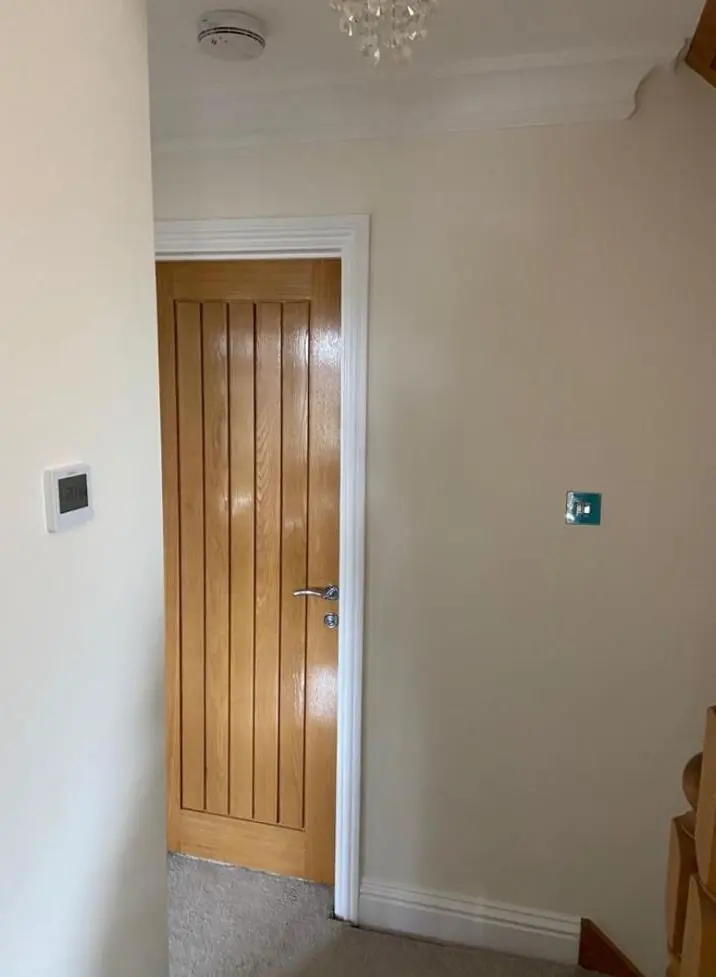
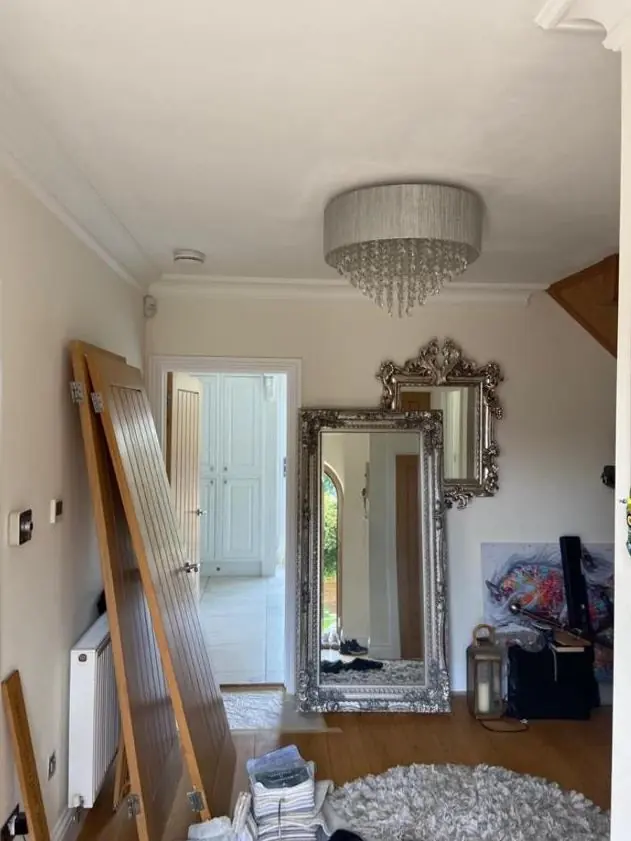
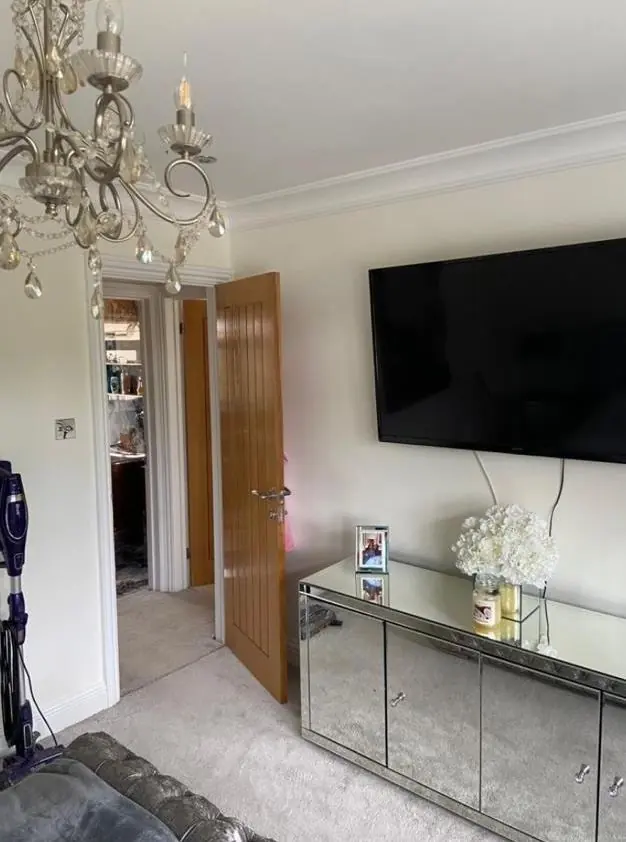
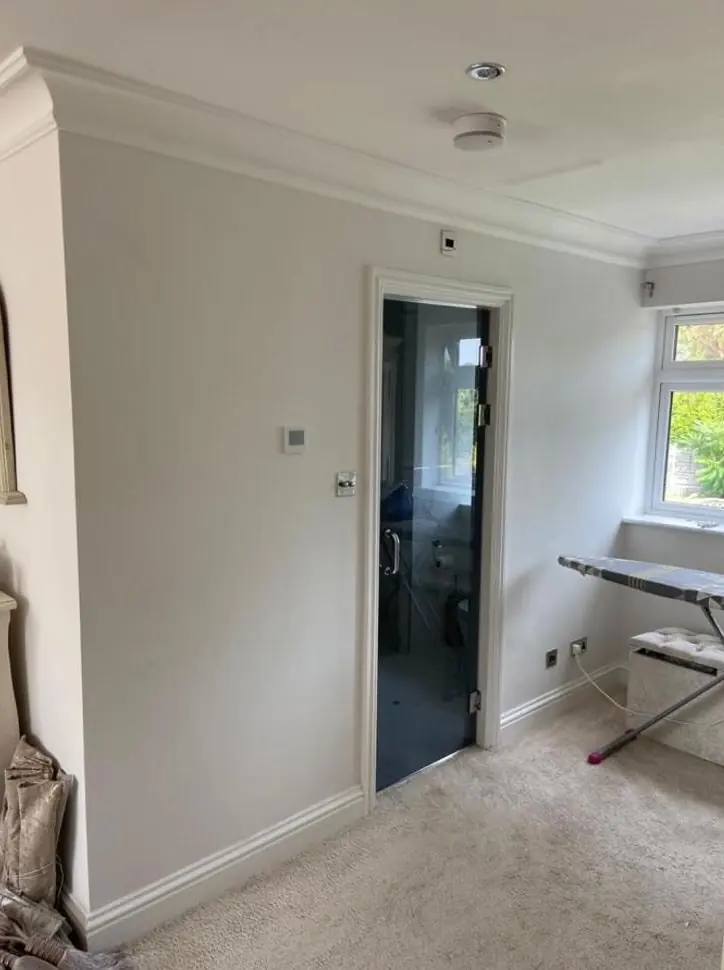
The 1930s council houses, the post-war Salcey Avenue and Salcey Close homes and the 1960s-70s houses at Lower End and south-east of the main street are neither listed nor in a conservation area, so front doors, fascias and interiors can take any colour you like. Here the useful advice is more about finish than shade:
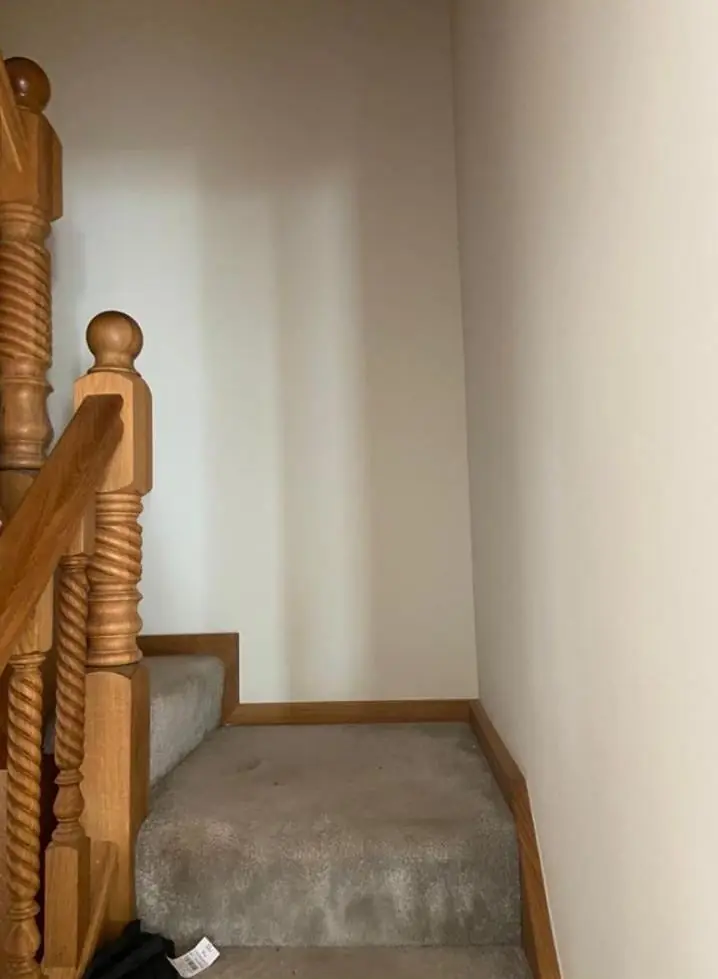
- Wipeable matt or eggshell for family hallways and stairs
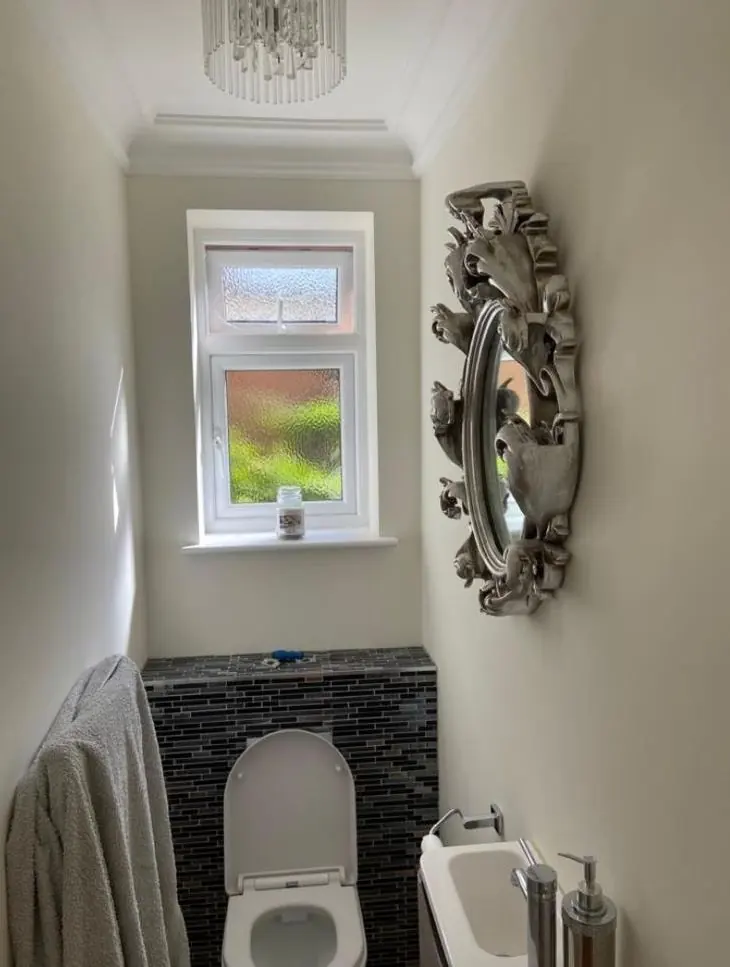
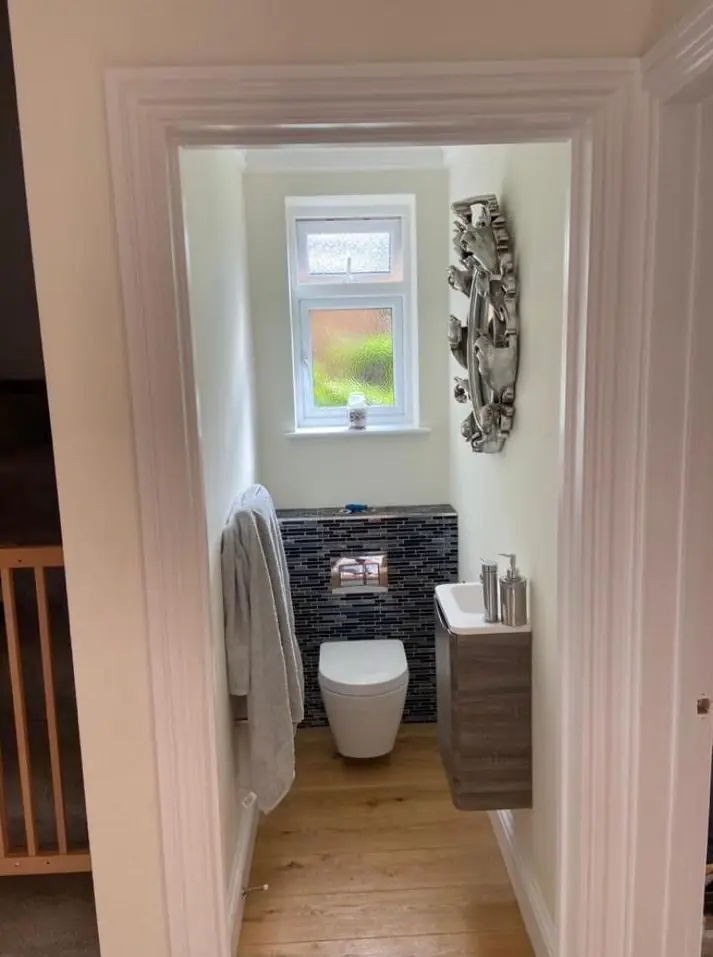
- Kitchen and bathroom emulsions where steam and grease build up
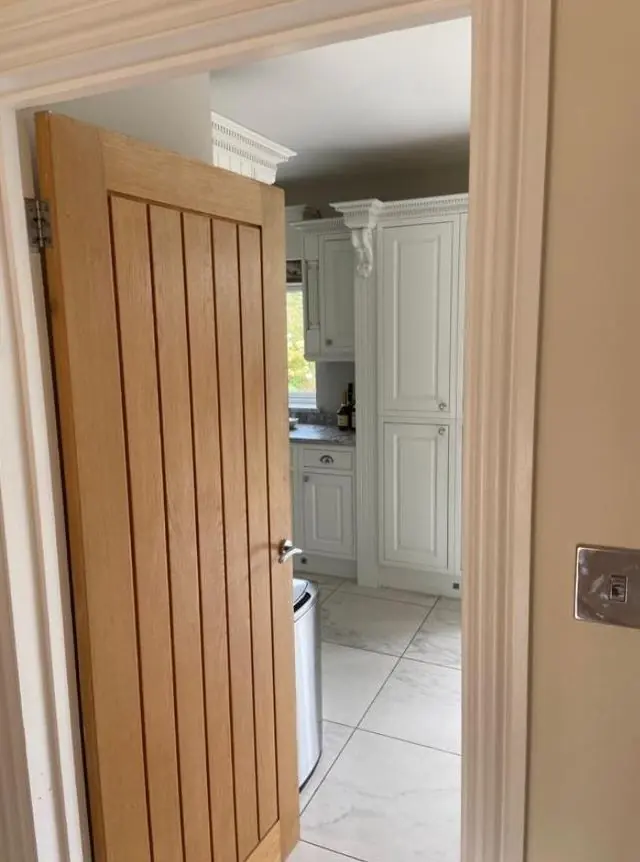
- Satin rather than high gloss on woodwork, which shows less brush texture
- Exterior front-door colours that still read well against the village’s stone and brick
Advice comes as part of booking a decorating job, so sample patches go up on your own walls and get looked at in your own light. More detail is on our colour and finish advice page, and the Hartwell area page covers the painting work that usually follows.
Last updated by Dean, DH Painter & Decorator.