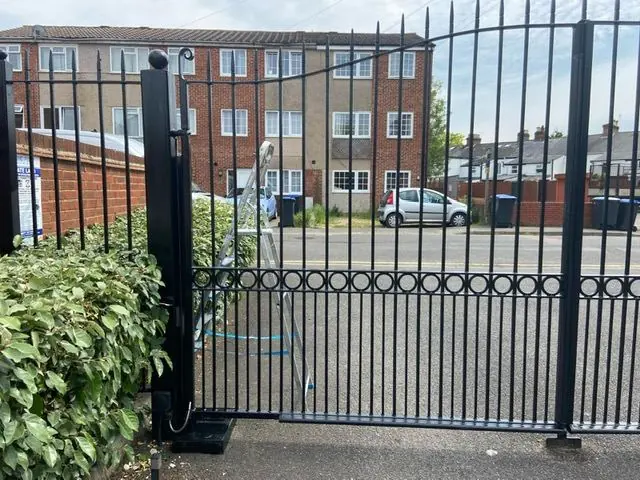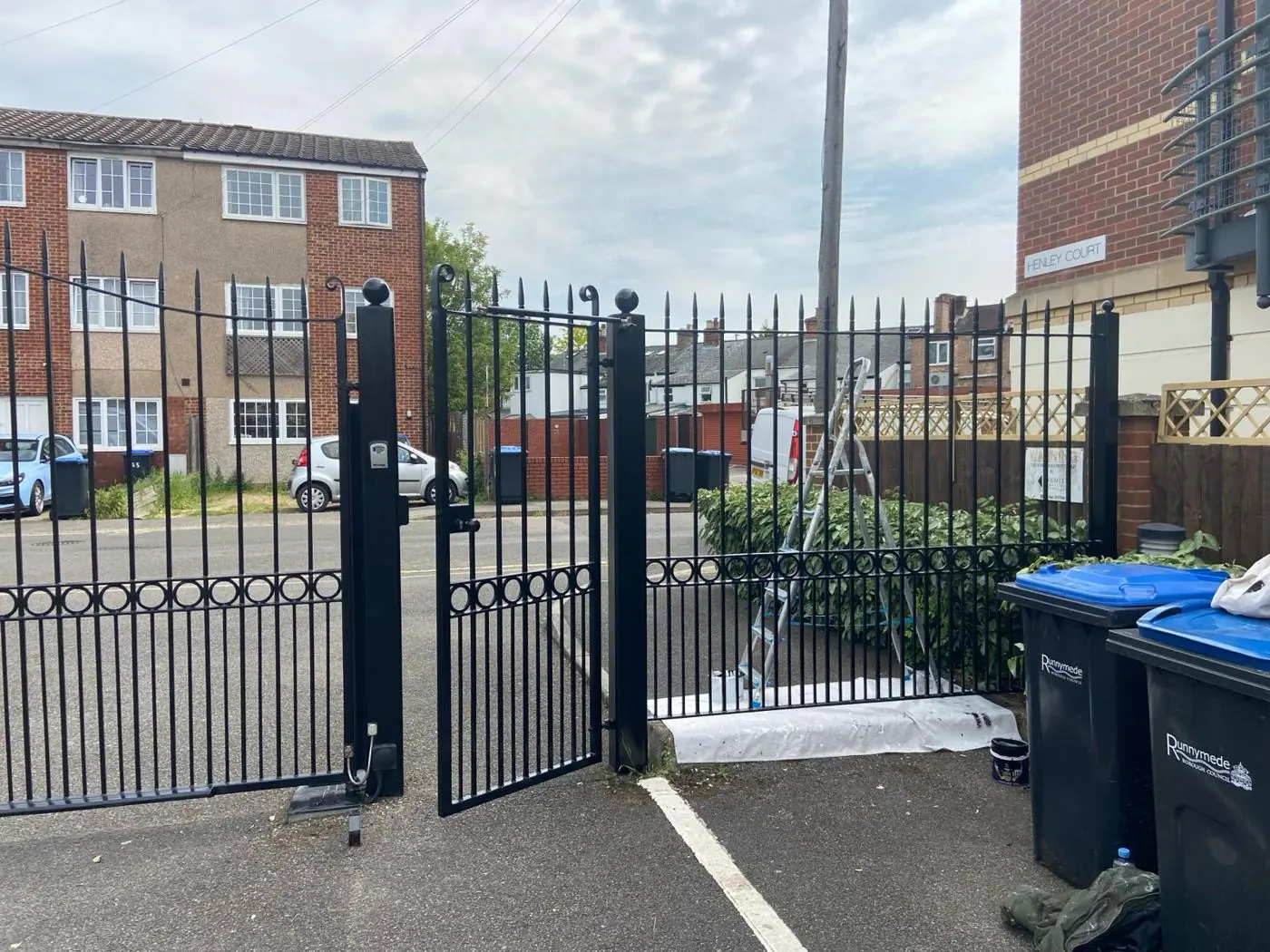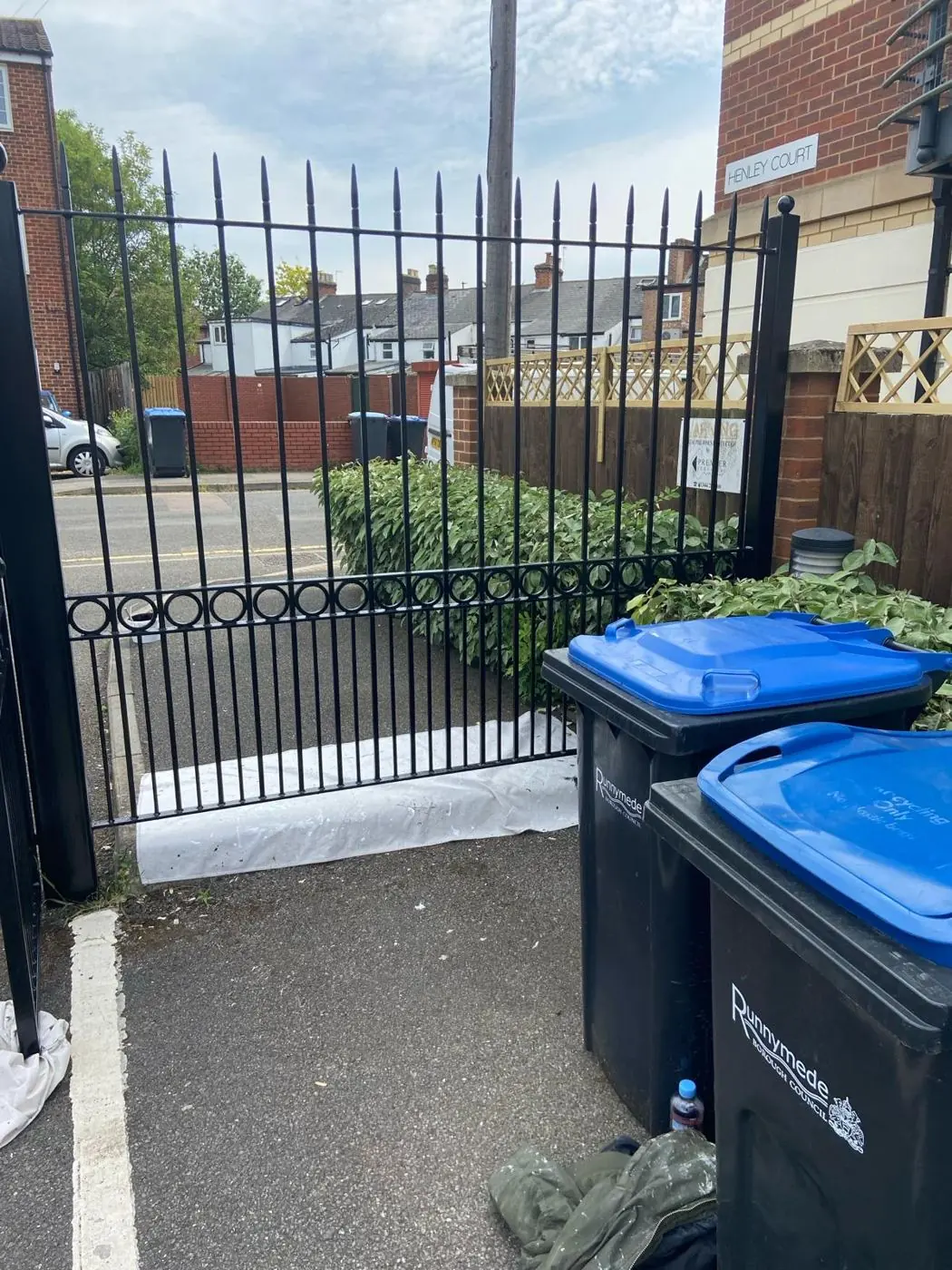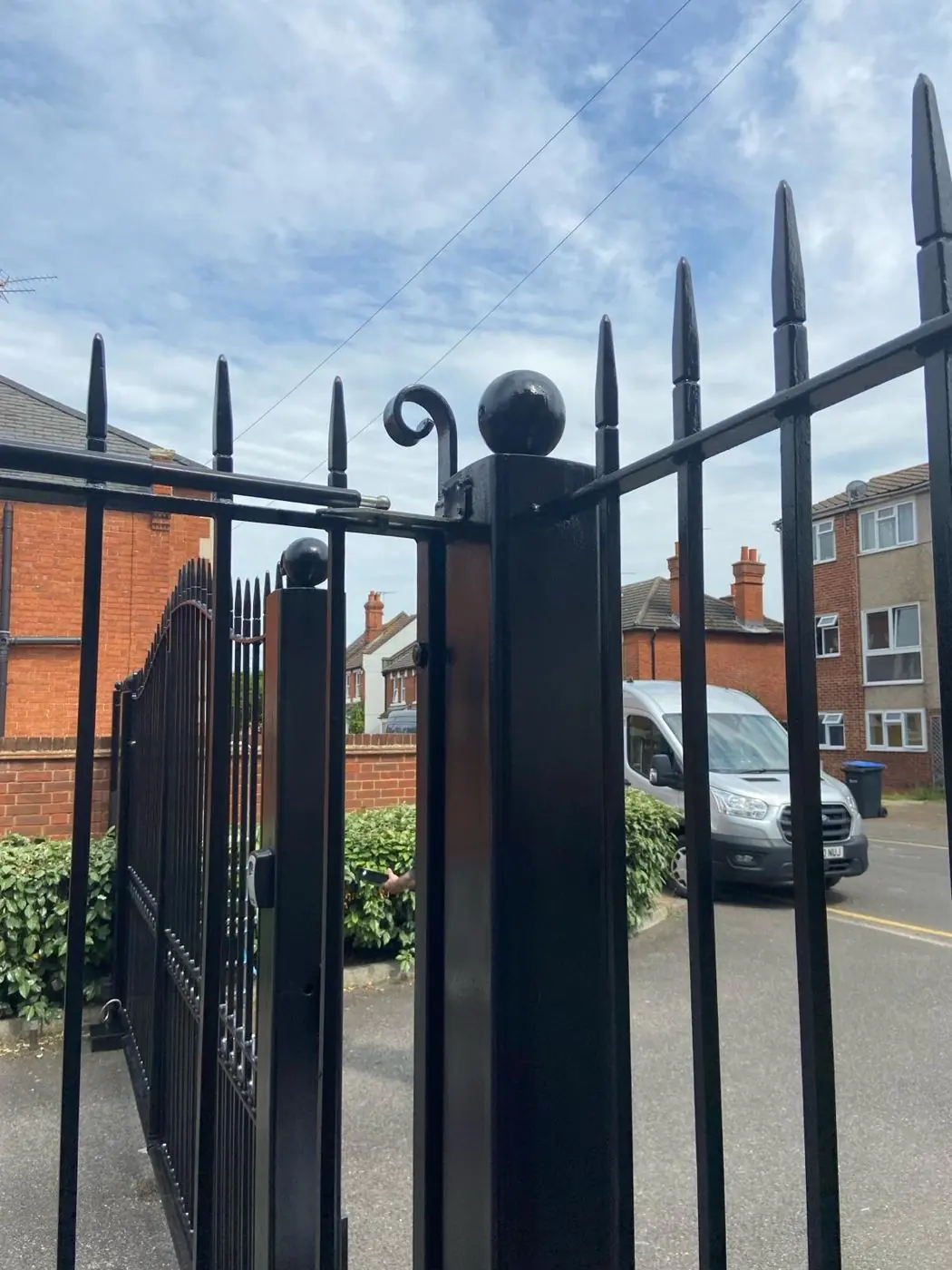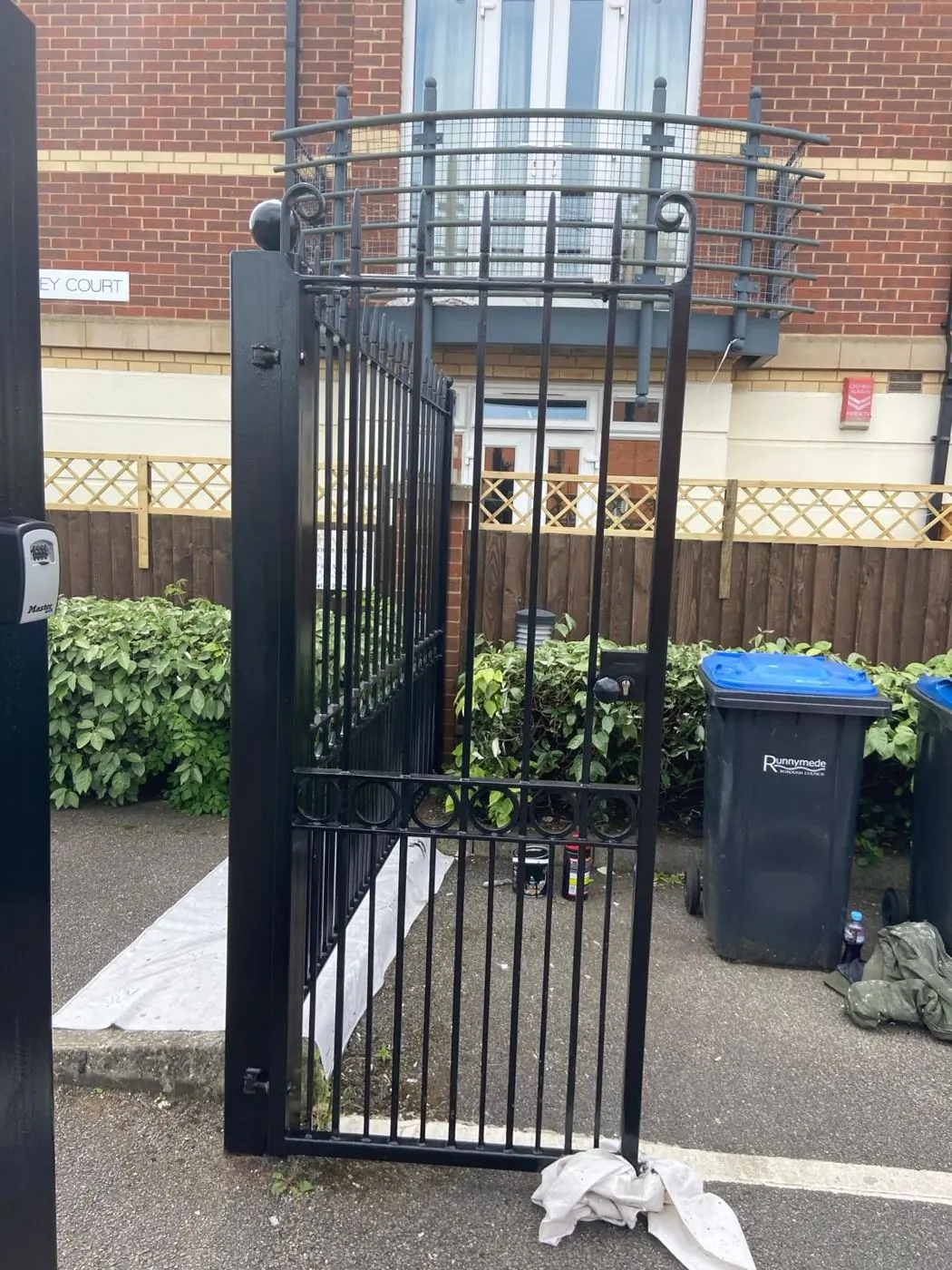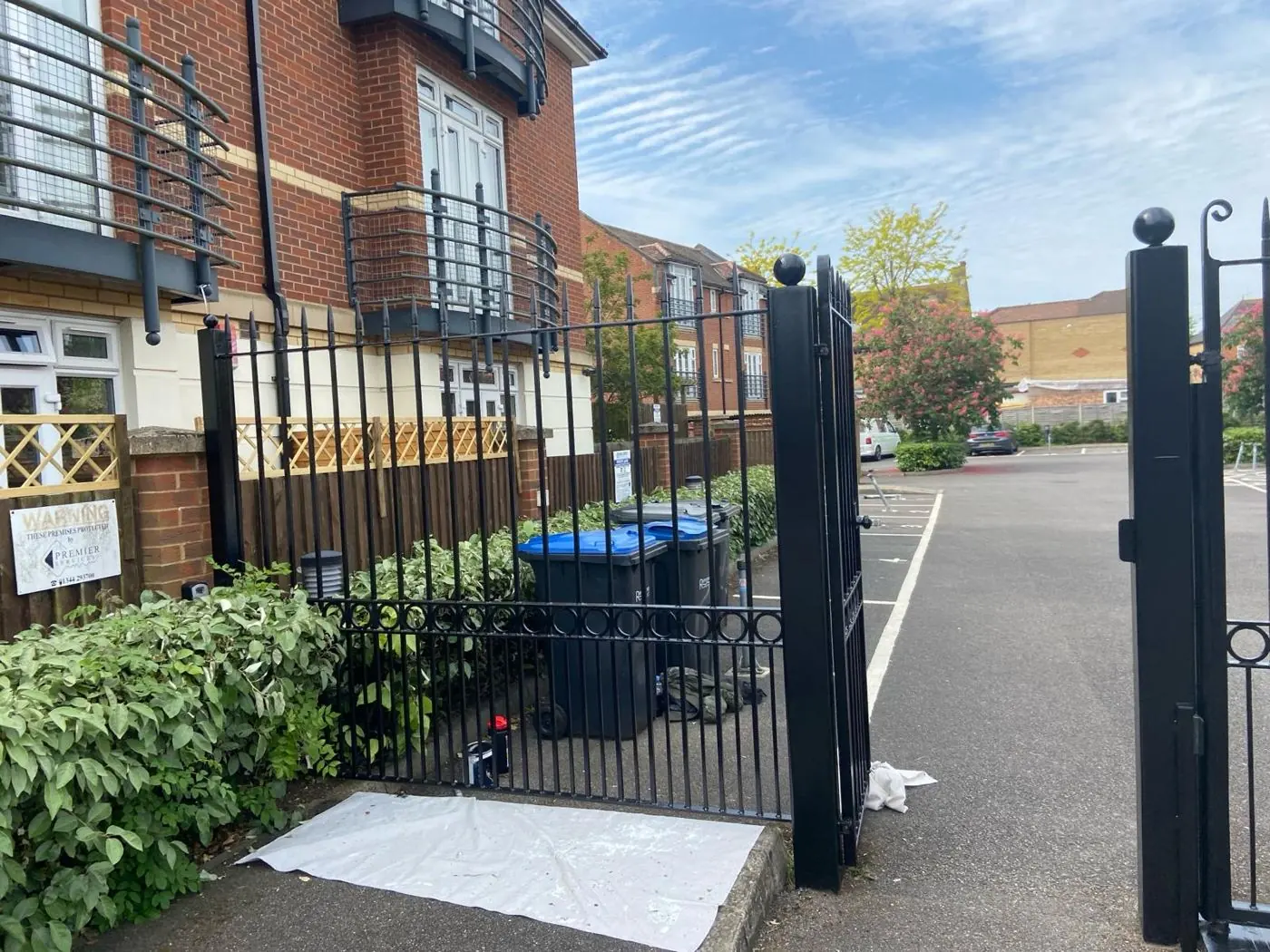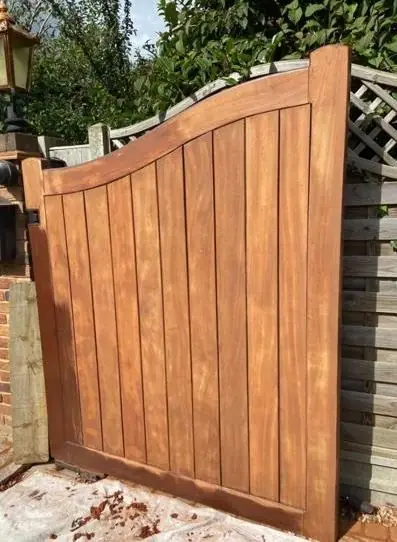
Dean stains and paints fences, gates and other garden timber in Hartwell, NN7, around 6.5 miles south of Northampton town centre. Next to Salcey Forest, shade and damp mean timber here needs a fungicidal clean first and recoating more often than in open, sunny gardens.
A village with a lot of wood around it
Timber has always been part of Hartwell. Two sawmills ran in the village for much of the 20th century, D. Chapman & Sons from about 1922 to 1963 and E. Whatton & Sons from 1916 to 1982, and Salcey Forest still covers the north-east of the parish. Today that shows up in the gardens: close-board and lap fences, side and driveway gates, timber porches on older cottages, sheds and outbuildings.
All of that wood ages at the same pace as the setting allows, and in Hartwell the setting is shady and damp. Our Hartwell area page gives more background on the village and its houses.
What shade and leaf litter do to garden timber
On properties close to the forest, and in any garden under big trees, fences rarely dry out completely between showers. Leaves pile up against gravel boards and the bottom of gates, keeping the wood wet where it meets the ground. The result is familiar:
- Green algae and black mould across the face of shaded panels.
- Stain that fades unevenly, staying dark in the shade and bleaching where the sun reaches.
- Soft or split rails and gate bottoms where moisture has been sitting.
- Gate joints that open up and drop as the timber swells and shrinks.
Staining straight over growth just seals it in. Each job starts with clearing leaf litter from the base, a fungicidal wash left to work, a scrub-down and enough dry days for the timber to lose its moisture before any finish goes on.
Porches and outbuildings need the same thinking. The timber porches on Hartwell’s 19th-century estate cottages are usually painted rather than stained, and their posts and thresholds sit close to the ground where splash-back and leaf litter keep them wet. Sheds and outbuildings near the forest edge often have a north side that barely sees the sun, which is where a finish breaks down first and where preparation time pays off most.
Choosing stain or paint for a shaded fence
Most garden fences are treated softwood, and the choice between a penetrating stain and an opaque fence paint depends on the timber’s condition and how much light it gets. On damp, shaded runs, a breathable stain that soaks in and wears away gradually usually performs better than a film-forming coating, which can lift if moisture gets behind it. Older, greyed timber with patchy colour sometimes suits an opaque finish that evens it out.
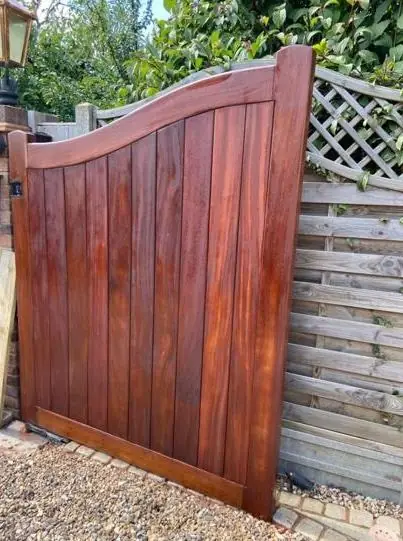
A hardwood gate under the trees gets the same fungicidal clean, a light sand where the grain has lifted, then an oil or stain made for hardwood, with extra attention to the end grain at the base, where leaf litter piles up and holds the wet.
How often does Hartwell timber need recoating?
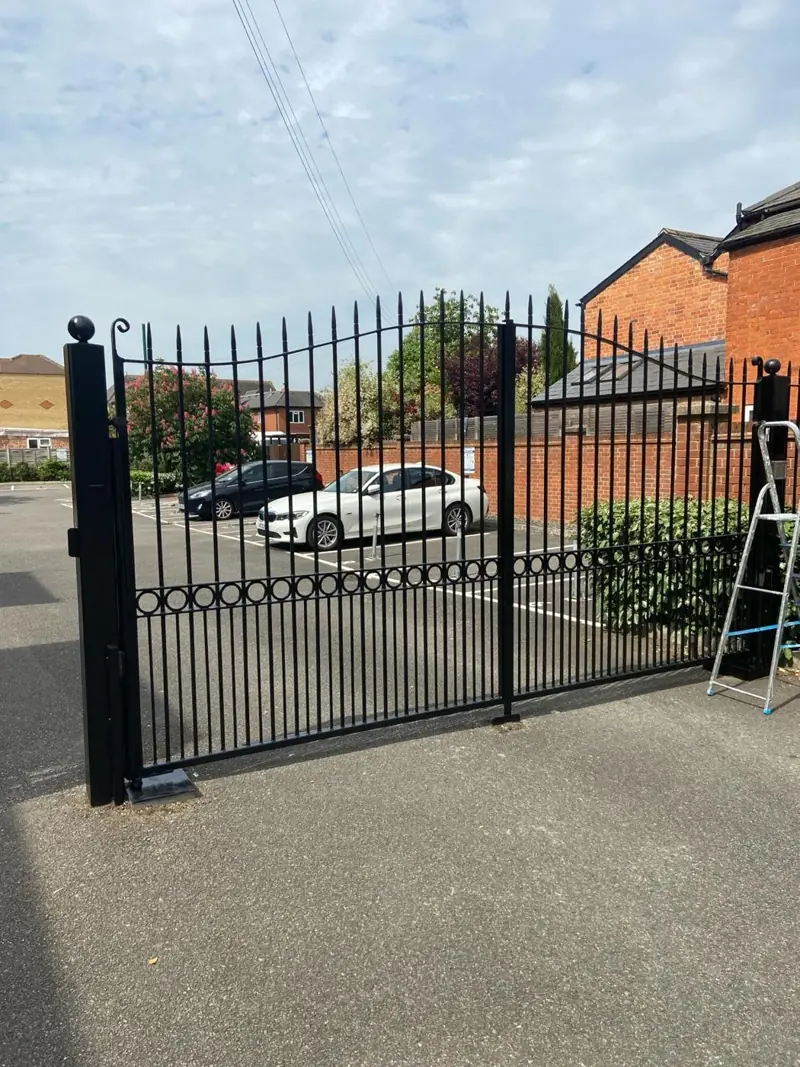
In open, sunny gardens a well-applied fence stain can last several years. On the forest side of Hartwell, or under heavy tree cover, expect to look at it sooner, especially the lower boards and any north-facing runs. A quick wash each spring and keeping leaves off the base will stretch the interval.
Because drying is slow here, staining is usually booked for late spring and summer. Hartwell is a drive out of Northampton by road, so we usually group fences, gates and any porch or shed timber into one visit. Our main fence and gate staining service covers the process and products in more detail, and our seasonal guide to outdoor painting explains why weather matters so much for this work.
Last updated by Dean, DH Painter & Decorator.