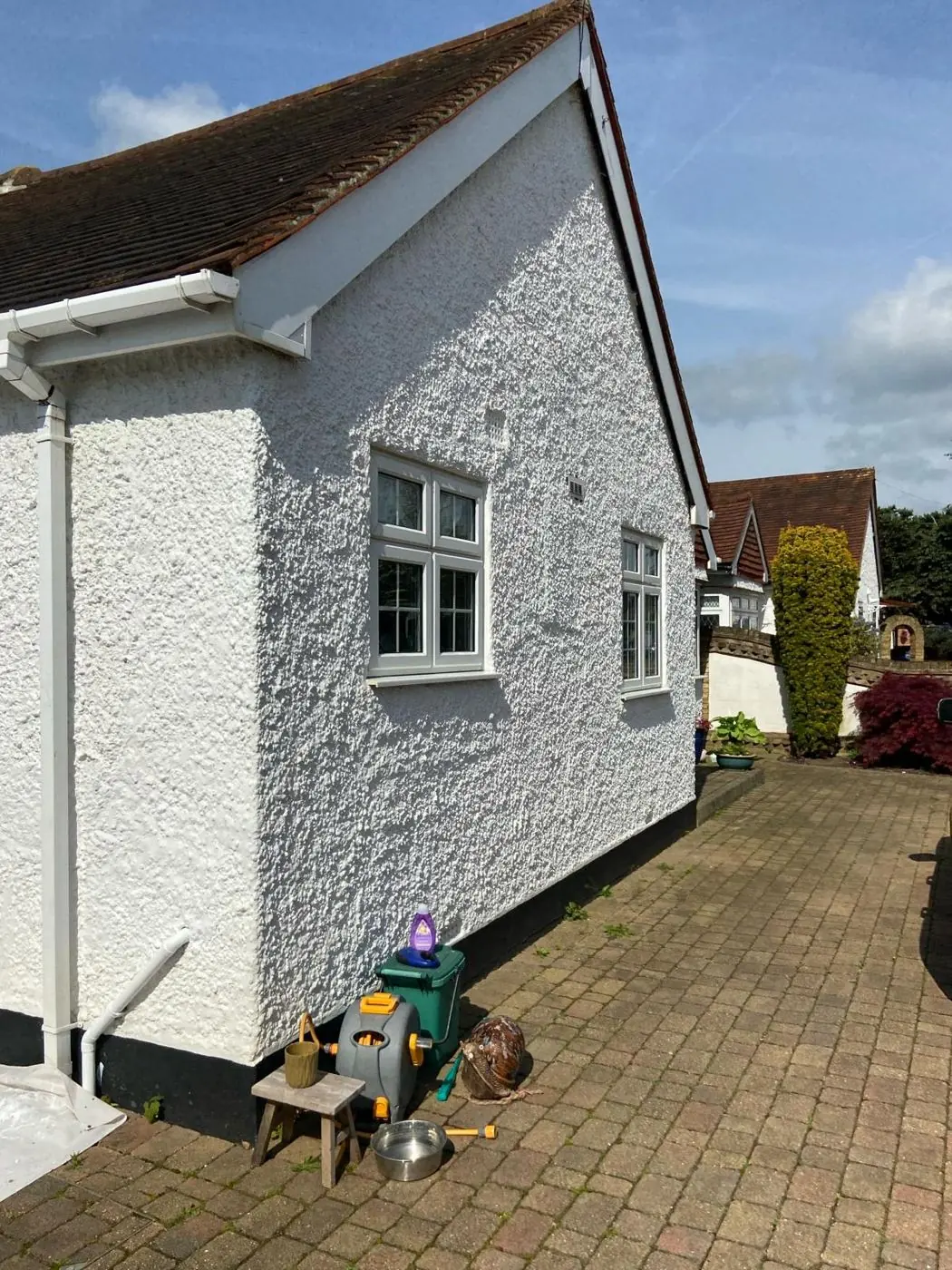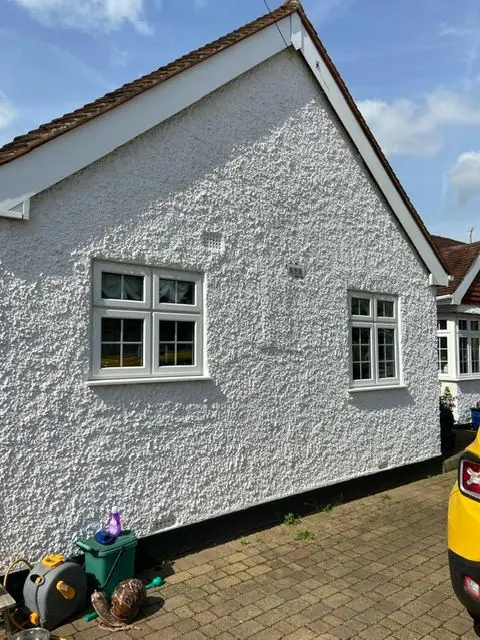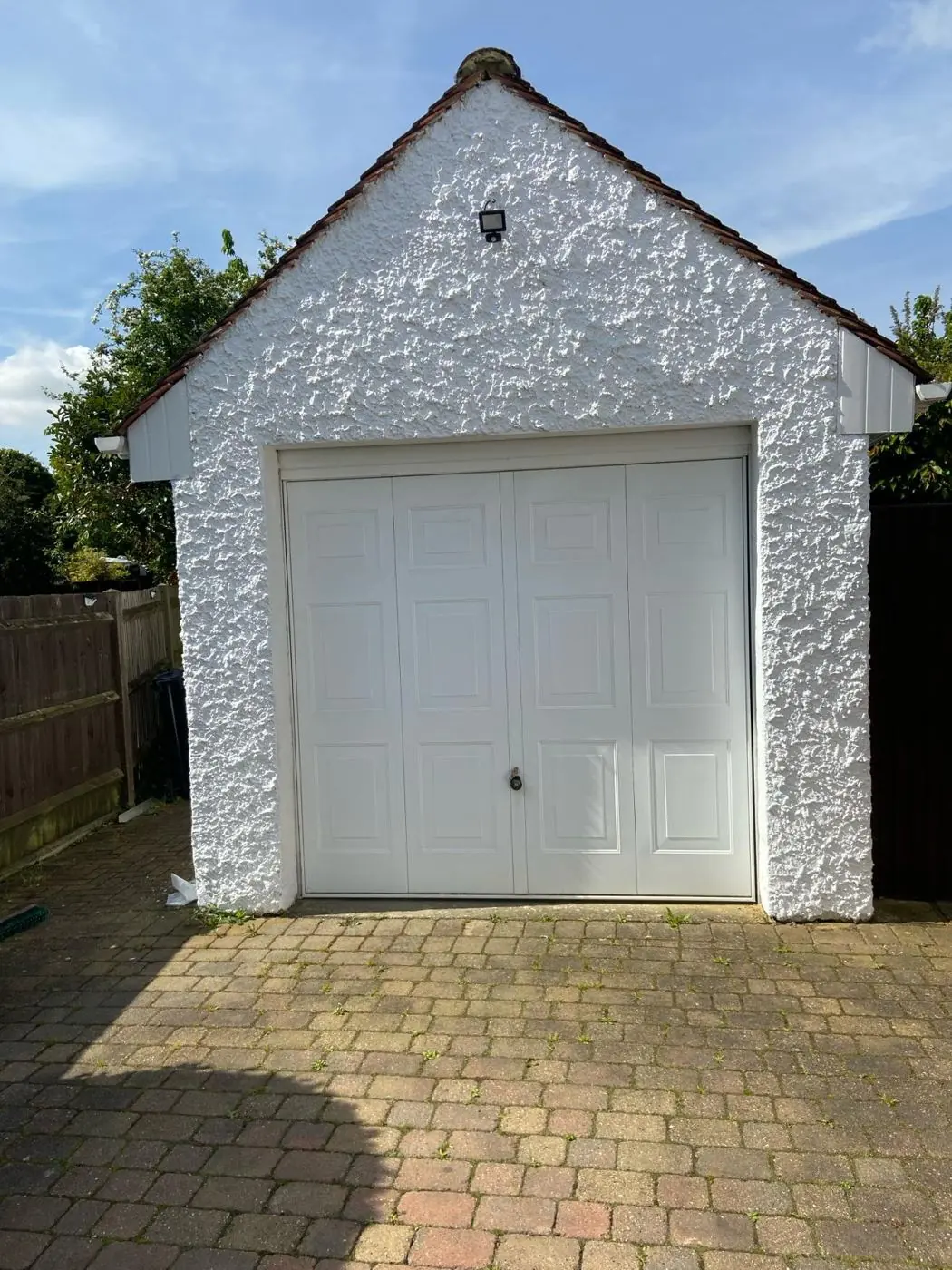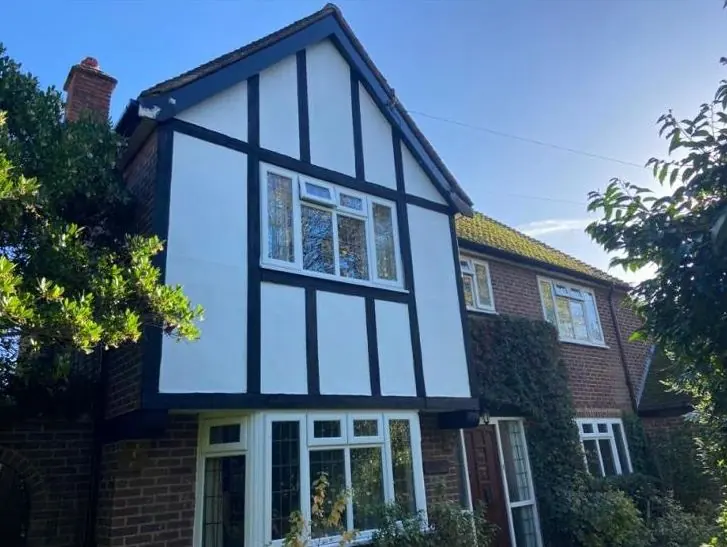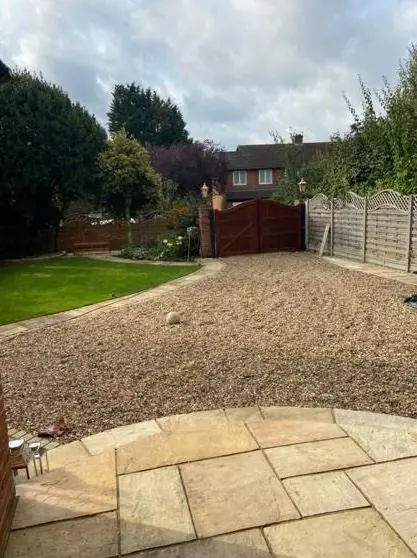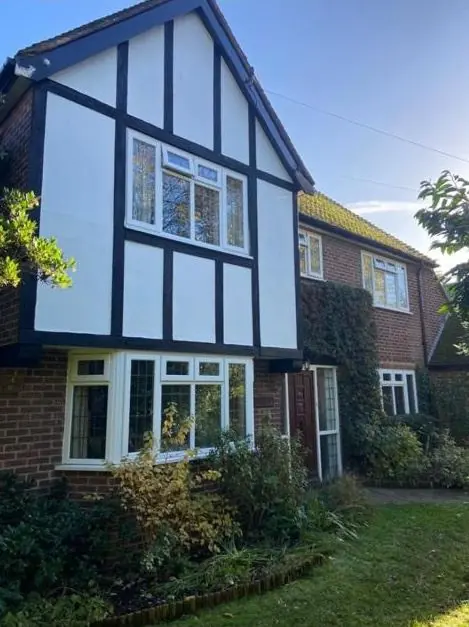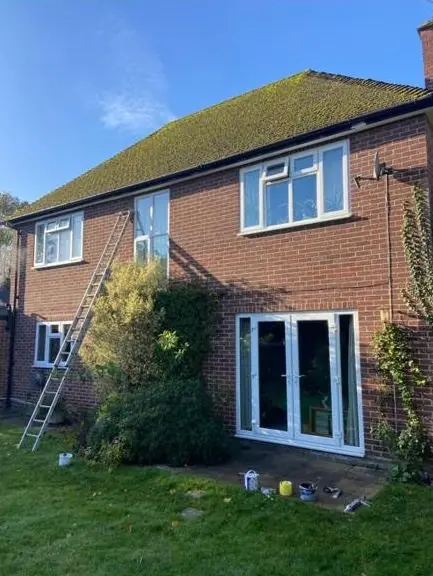
Dean paints house exteriors across Hunsbury Meadows, NN4, on the south-west edge of Northampton about 2.2 miles from the town centre. Most homes here are late-1990s detached houses now 25 to 30 years past their first coats, alongside the newer Pineham Lock streets (2012-15) by the Grand Union Canal.
Two building phases, two different starting points
Hunsbury Meadows was built in two goes, and the outside of a house usually shows which one it belongs to. The core estate off Banbury Lane went up between 1996 and 2001, street by street from Ashpole Spinney and Whitesands Way through to Lynmore Close and Samwell Way, and nearly all of those homes are detached. The Pineham Lock phase beside the canal followed between 2012 and 2015, with a more mixed run of detached, semi-detached and terraced houses plus flats and maisonettes on Narrowboat Lane. Those two ages call for different amounts of preparation.
| Phase | Age of the paintwork | What the outside usually needs |
|---|---|---|
| Core estate, 1996-2001 | 25-30 years since the builder’s coats | Thorough preparation of any painted timber fascias, bargeboards, porches, window and door joinery; garage doors; painted panels |
| Pineham Lock, 2012-2015 | Around 10-13 years | First proper repaint of exterior joinery and doors; canal-facing walls cleaned first; flats checked with the management company |
Four sides to every house
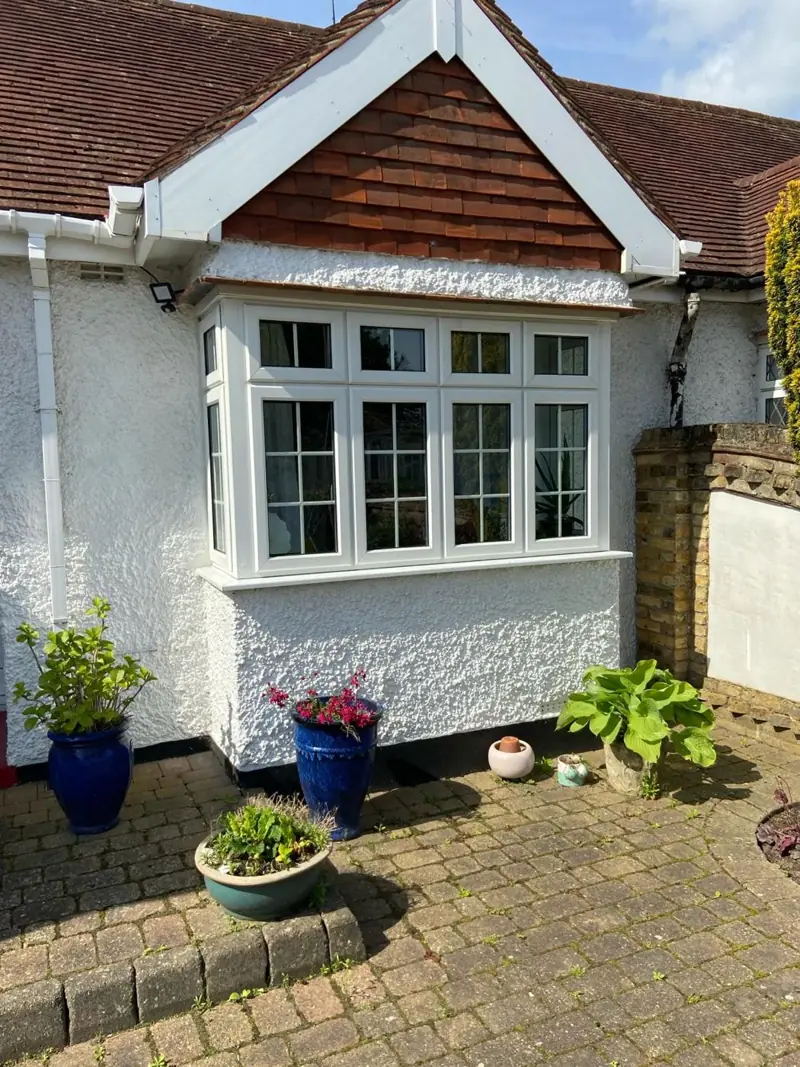
On a terraced street the outside of a house means a front and a back. A detached home on Dapplestone Close or Brindlestone Close has four exposed elevations, and the two-storey gable ends need taller ladders or a tower than most terraces do. That shapes the quote: each elevation is priced by its height and what is on it, and we note which sides face north or out towards the meadow, because those stay damp the longest and wear first.
The late-1990s houses also carry more exterior woodwork than the brick suggests. Depending on the house, that can include timber porches, fascias and bargeboards, timber French doors (one listing on the estate mentions both timber and uPVC ones) and the doors of single or double garages. After 25 years, original finishes on that timber have usually been patched once or not at all. Bare end grain, open joints and cracked glazing putty get dealt with before any topcoat goes on, following the method on our main exterior painting page.
The canal side of the estate
Homes on Towpath Avenue, Lockgate Road and Narrowboat Lane back onto or face the Northampton Arm of the Grand Union Canal, with the Wildflower Meadow and open grass beyond. It is a pleasant outlook but a damp, sheltered one, with plants growing close to the walls. Green algae turns up on north-facing timber and painted surfaces there within a few seasons, and paint laid over it lets go. So canal-side jobs start with a wash and a biocide treatment, then enough dry days for everything to dry out before the first coat. Our guide to the exterior painting season explains why late spring to early autumn suits this kind of work.
The flats and maisonettes on Narrowboat Lane are a separate case. Outside walls, communal doors and shared railings are often the responsibility of a management company or freeholder, so we check who has to sign off before quoting a leaseholder for anything beyond their own front door.
Parking, shared drives and block paving
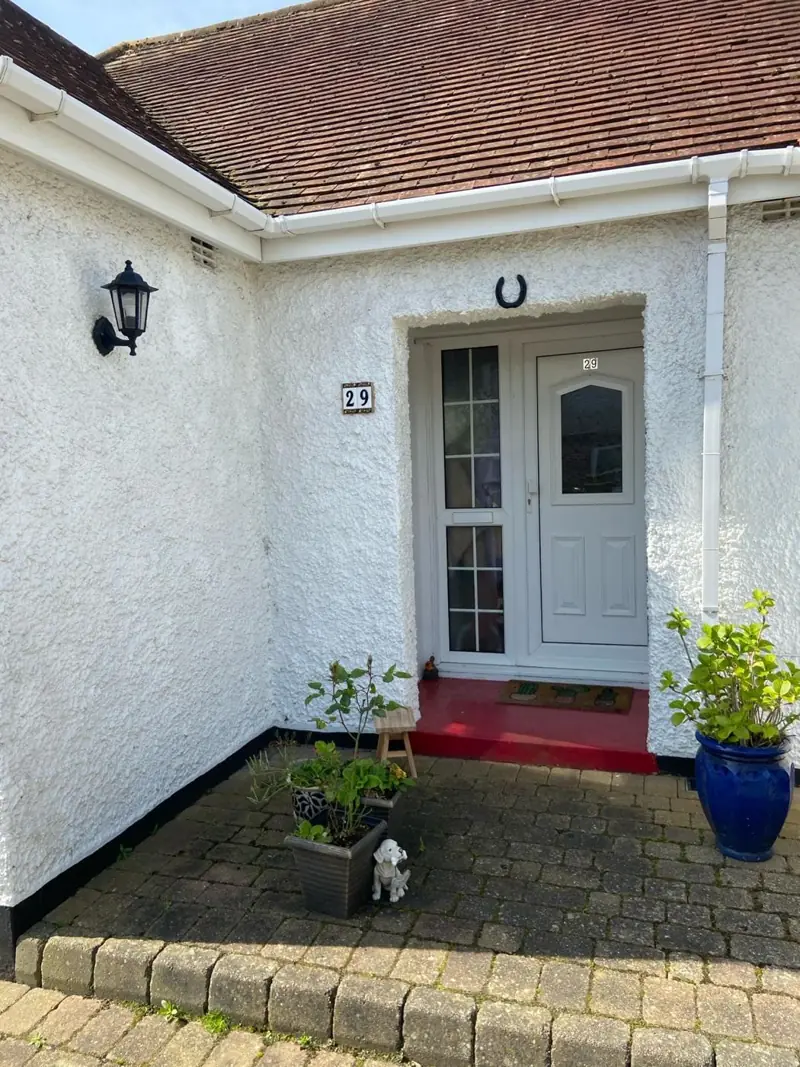
Much of the estate is closes and shared-surface lanes. Ashpole Spinney, Cobblestone Court, Millstone Close, Hassocks Hedge and Indmere Close are among those laid out as living streets, and at least one Ashpole Spinney house sits on a private drive shared by three homes. On jobs like that we agree where the van goes and keep the shared drive passable during the day. Riverstone Way is different again: the parish council has raised pavement parking there as a problem, so on that road we arrive early or use your drive for unloading ladders and sheets.
Most homes have block-paved drives and open-plan front gardens. Paint dropped on block paving soaks into the joints and is very hard to get out, so drives and paths under each elevation are sheeted before any tin is opened. With no conservation area or listed building on the estate, modern masonry paints, microporous woodstains and trim paints need no consent. For a wider look at the estate’s houses, see our Hunsbury Meadows area page.
Last updated by Dean, DH Painter & Decorator.