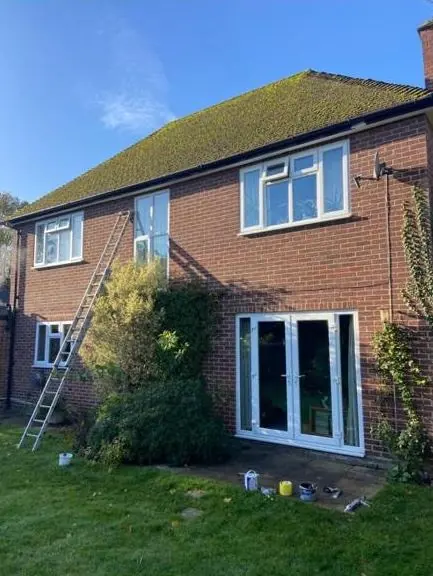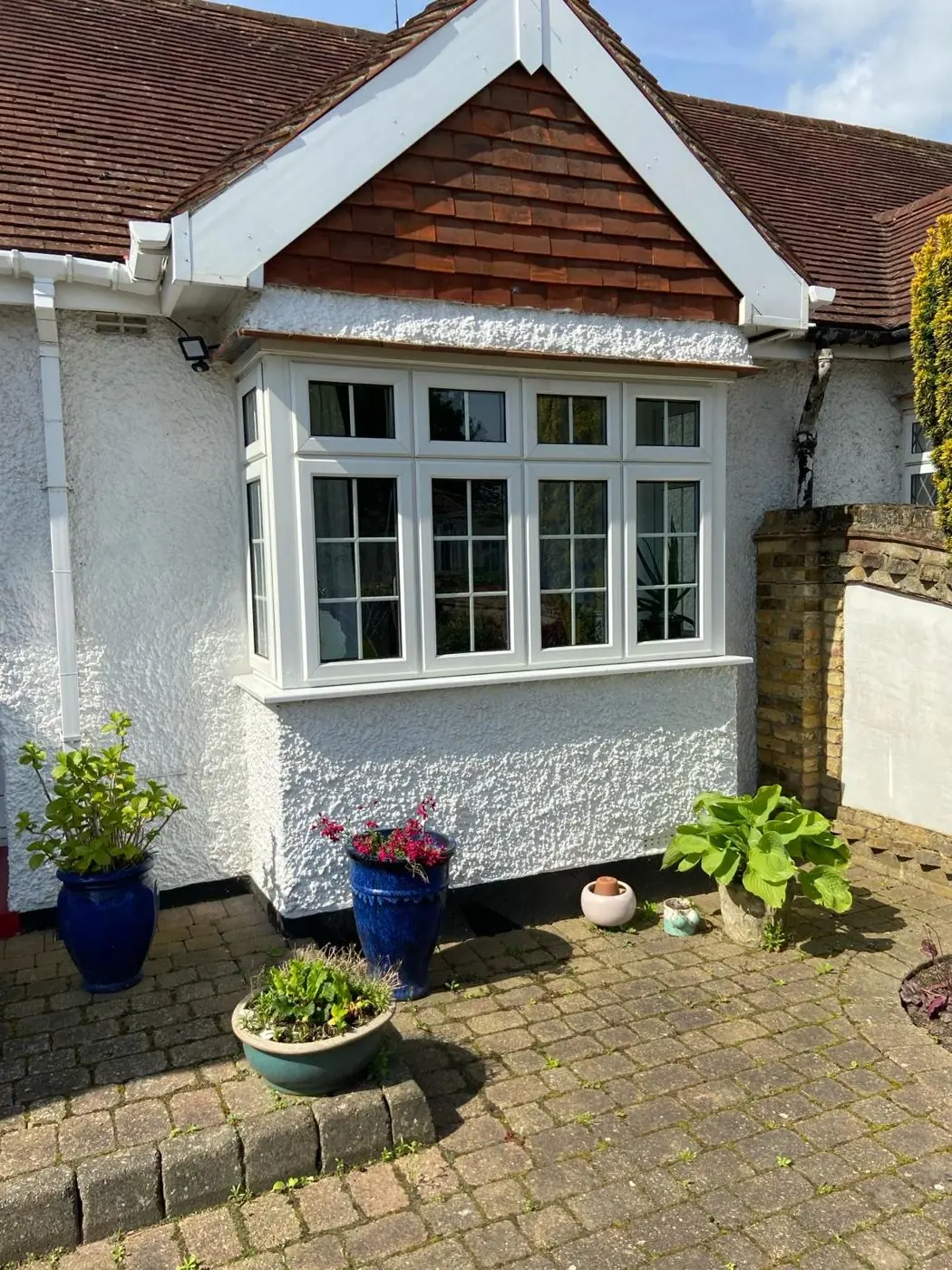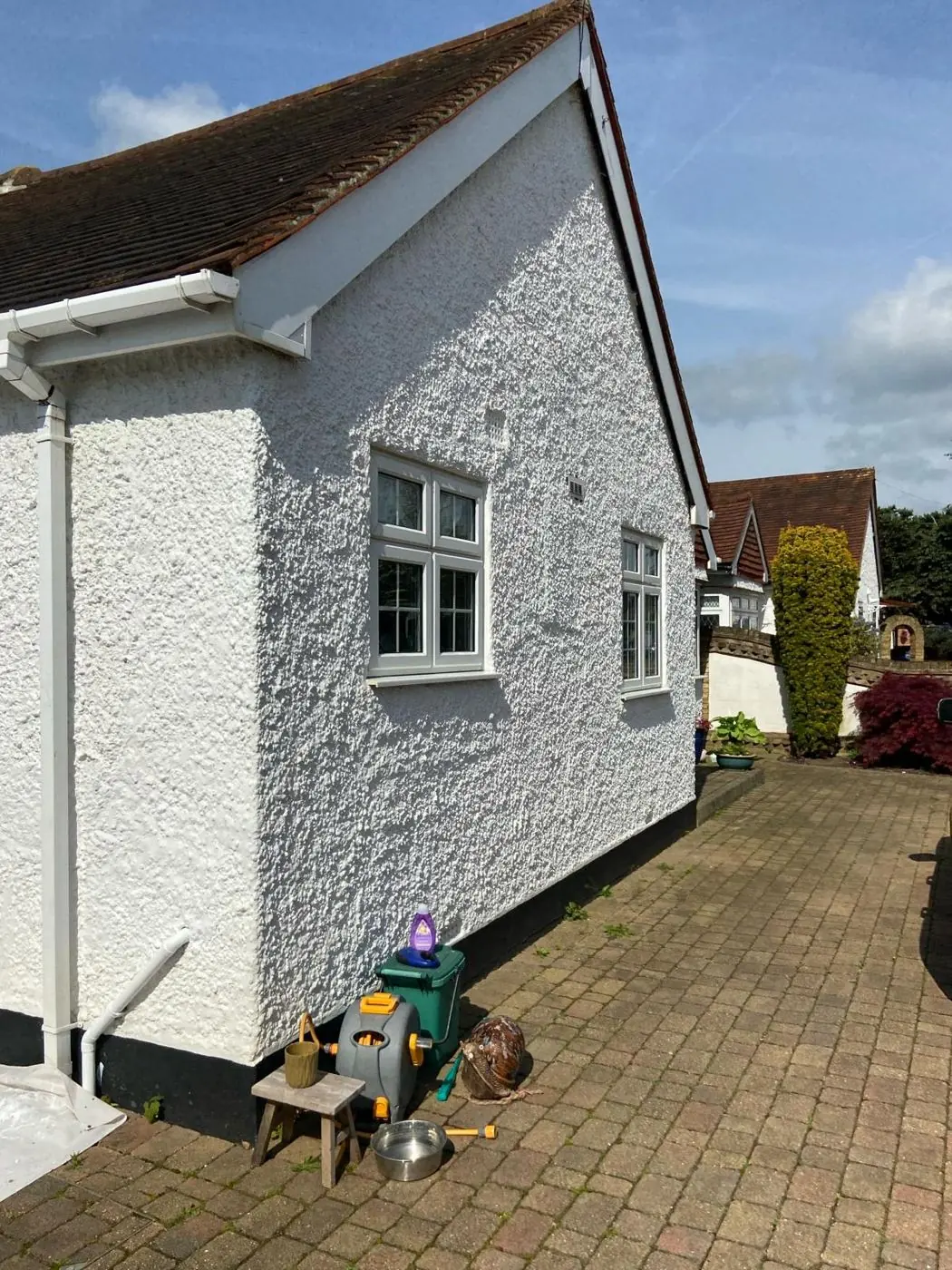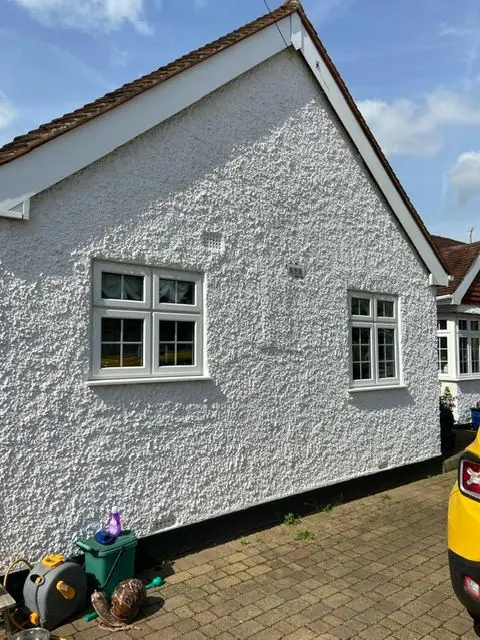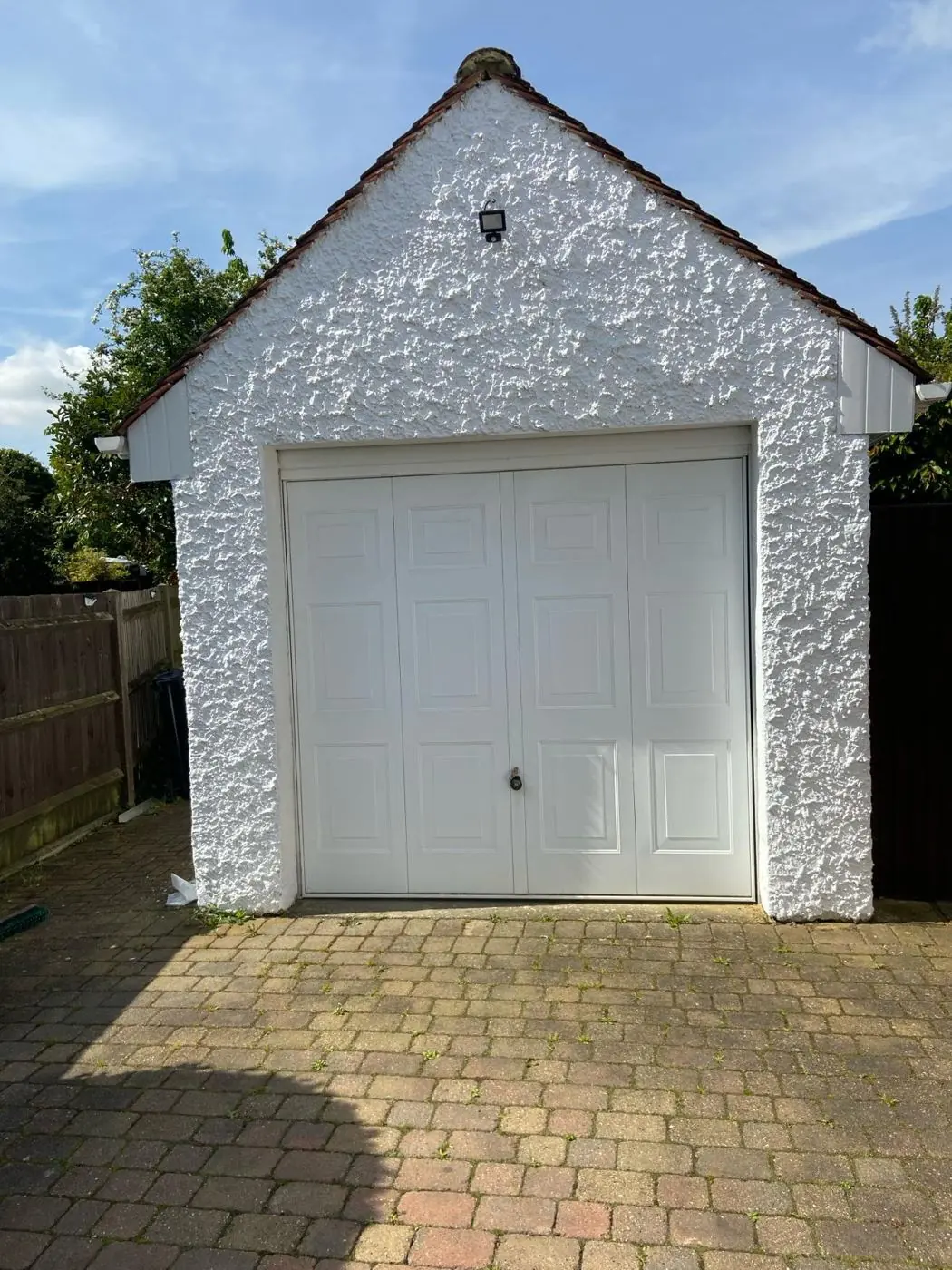
DH Painter & Decorator covers Kingsley from our Northampton base, about 1.5 miles north-east of the town centre on the east side of the Racecourse. Dean, with over 30 years in the trade, paints inside and out across the district's conservation-area villas, Victorian terraces and Kettering Road premises.
A Victorian suburb on the edge of the Racecourse
Kingsley grew up around the eastern edge of the Racecourse, the 117-acre former Northampton Heath and Freemen’s Common where horses raced from at least 1652 until 1904. By the 1880s terraces had been built around the park, some apparently laid out to take in the view, and a 1974 survey of the town’s datestones found more dated late-Victorian houses at the park’s eastern end than anywhere else, mostly from 1873 to 1891. The survey noted the diamond-shaped date plaque as one of the most common types on the town’s terraces.
Today the district has three distinct kinds of property for a decorator: the grand red-brick and stucco villas and terraces on East Park Parade, Kingsley Road and St George’s Avenue; plainer two-bedroom Victorian terraces such as Junction Road behind them; and the shops, pubs and surgeries along Kettering Road, called Kingsley Park Terrace on one stretch. Each needs a different approach, and this page sets out what that means in practice.
The conservation area and the Article 4 frontages
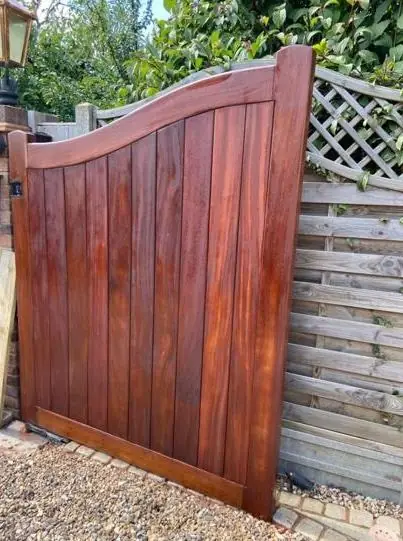
The Kingsley conservation area was designated on 24 April 1991 and takes in the Racecourse and the Victorian frontages of St George’s Avenue, Kingsley Road and East Park Parade. Records note how little the front elevations have changed over the years, and a stricter control helps keep it that way. The Kingsley Road Area Article 4 Direction, made in 1990 and approved on 20 March 1991, covers Nos 1 to 58 East Park Parade, Nos 2 to 84 (evens) Kingsley Road and Nos 78 to 140 (evens) St George’s Avenue. On the front, and on sides seen from the front, it removes permitted development rights for alterations to doors, windows and porches, roof coverings, satellite dishes, and the maintenance or alteration of gates, fences, walls and other enclosures.
For painting, the sensible reading is to repaint like for like. Keep doors, sashes, porches and railings in the scheme they already have, and check with West Northamptonshire Council before changing a window or door type, a porch detail or a boundary, because the approved direction carries modifications that are not in the published text. Red brick that has never been painted should stay that way. Dean will flag anything that might need the council’s view before work is booked. Listed buildings nearby, such as the Grade II Racecourse Pavilion with its cast-iron stairs and colonnettes, and the Grade II Kingsley Park Methodist Church on Kettering Road, have their own consent rules.
Painting the Racecourse villas outside
The fronts of the bigger houses are where most exterior effort goes. They combine red brick with stucco or stone bay fronts, ornate entrance porches, decorated gables, corbelling, columns, pilasters and capitals, wrought-iron balconies and, on some Gothic-style houses, lancet windows with stained glass. That is a lot of hand-brushed detail, and none of it can be hurried with a roller or sprayer.
- Stucco and rendered bays: cracks are cut out and filled, and old lime-based render gets a breathable masonry coating rather than a heavy sealing one. See our render and masonry painting page and the guide to painting render and roughcast.
- Ironwork: balconies and railings are derusted, primed with a metal primer and finished in gloss, kept to their existing design. Our metal gate and railing painting page has more.
- Sashes and frames: old timber is checked for rot and repaired with resin or new timber before painting.
- Gables, fascias and upper sashes: these usually need scaffold or a tower.
Exposure is the other factor. These houses face open parkland with no buildings in front of them, so south- and west-facing joinery and render weather faster than on an enclosed street, and the repaint cycle should be planned around that. The exterior painting page explains how we schedule outside work through the year.
Inside the larger houses
The principal rooms in the villas are tall, with cornices and ceiling roses that need cutting in by hand and old lime plaster that has often cracked. The tall stairwells need a platform or tower to reach the upper landing walls safely. Walls that are going to be papered usually get lining paper first. Our interior painting page covers the general process.
Junction Road terraces and rented homes
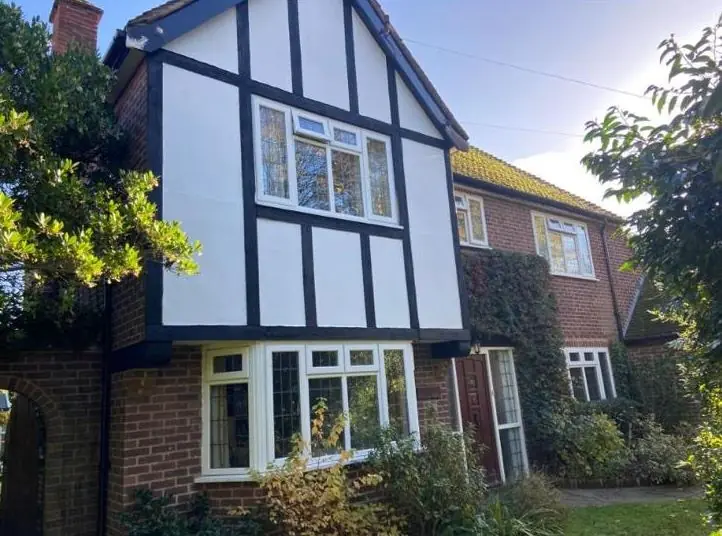
Behind Kettering Road, terraces such as Junction Road are two-bedroom Victorian mid-terraces with a front sitting and dining room, a rear kitchen and an enclosed back garden, many already fitted with uPVC double glazing. They suit compact refreshes of a day or two per area. Parking is on the street, and rear access is not something we assume, so materials come through the front door with the hall protected first.
Kingsley ward also falls inside the 2012 Northampton North and Central HMO Article 4 Direction, under which converting a family house into a small HMO needs planning permission. Houses that are let, as shared homes or single lets, need hard-wearing wipeable finishes and quick turnarounds between tenancies. The landlord and letting agent decorating page explains how we work with owners and agents.
Kettering Road shops and premises
Kingsley Park Terrace on Kettering Road has a run of shops, pharmacies, a convenience store, pubs and a working men’s club, and the dental practices and optician on Kingsley Road sit just off it. Frontages on the busy main road pick up traffic grime, and any work on them is planned around opening hours so trading carries on. See our shopfront painting page for how we approach those jobs.
Trees, traffic and getting the job done
St George’s Avenue, Kingsley Road and East Park Parade are tree-lined, and the Racecourse has mature avenues planted in the early 1900s, the 1920s and 1953. Sap, leaves and shade leave algae and green staining on render and sills, so exterior prep often includes a biocidal wash. In a conservation area, tree work needs six weeks’ notice to the council, so we work around branches rather than expect them to be cut back. Ladder and scaffold work on the busy roads in front of the villas needs careful planning for traffic and pedestrians.
For a sense of costs before Dean visits, see the painter and decorator cost guide. We are fully insured, and every job starts with a visit and a written quote.
Last updated by Dean, DH Painter & Decorator.