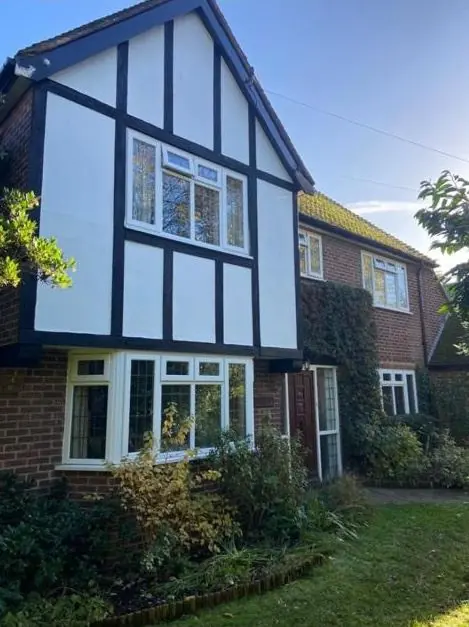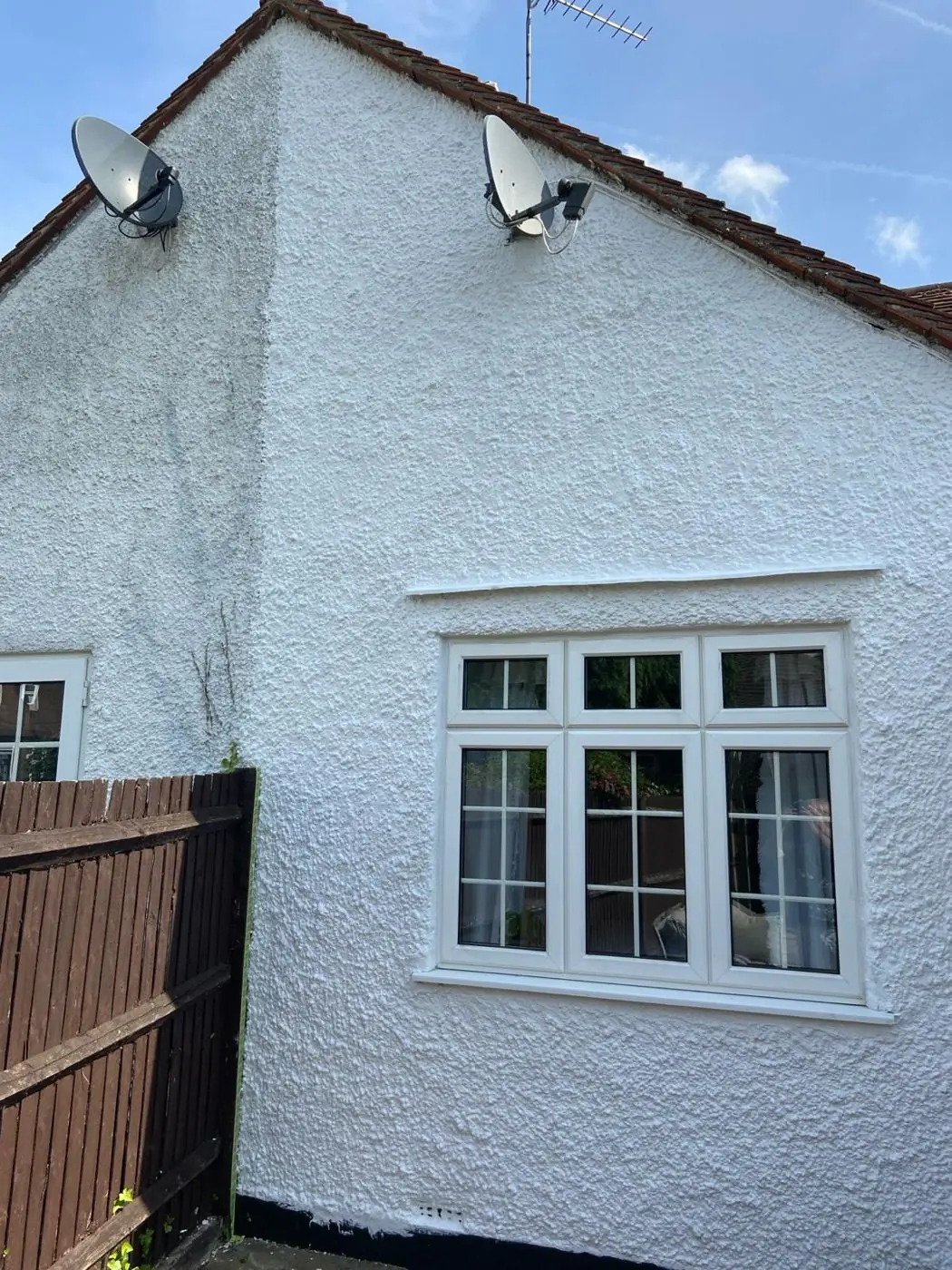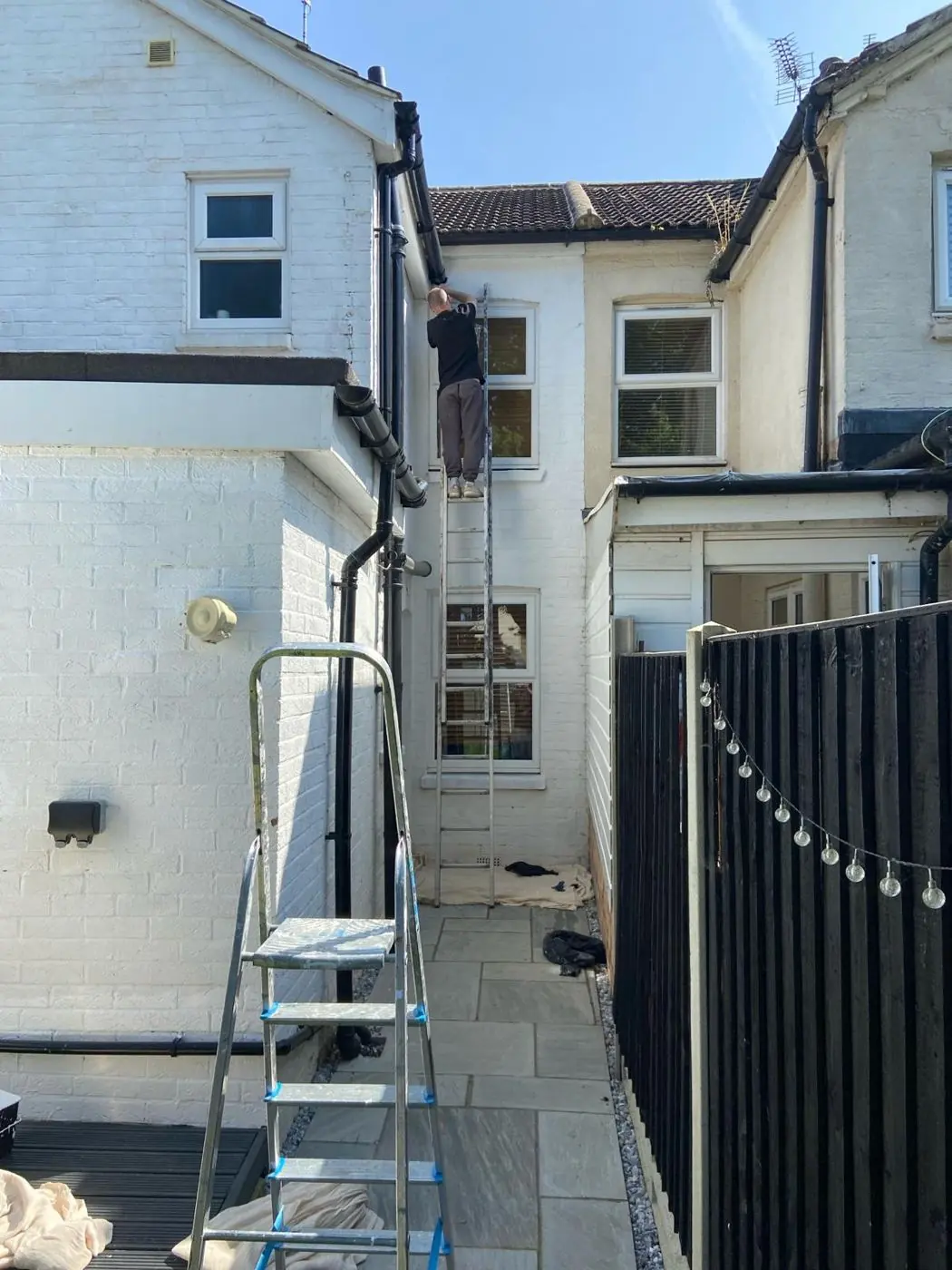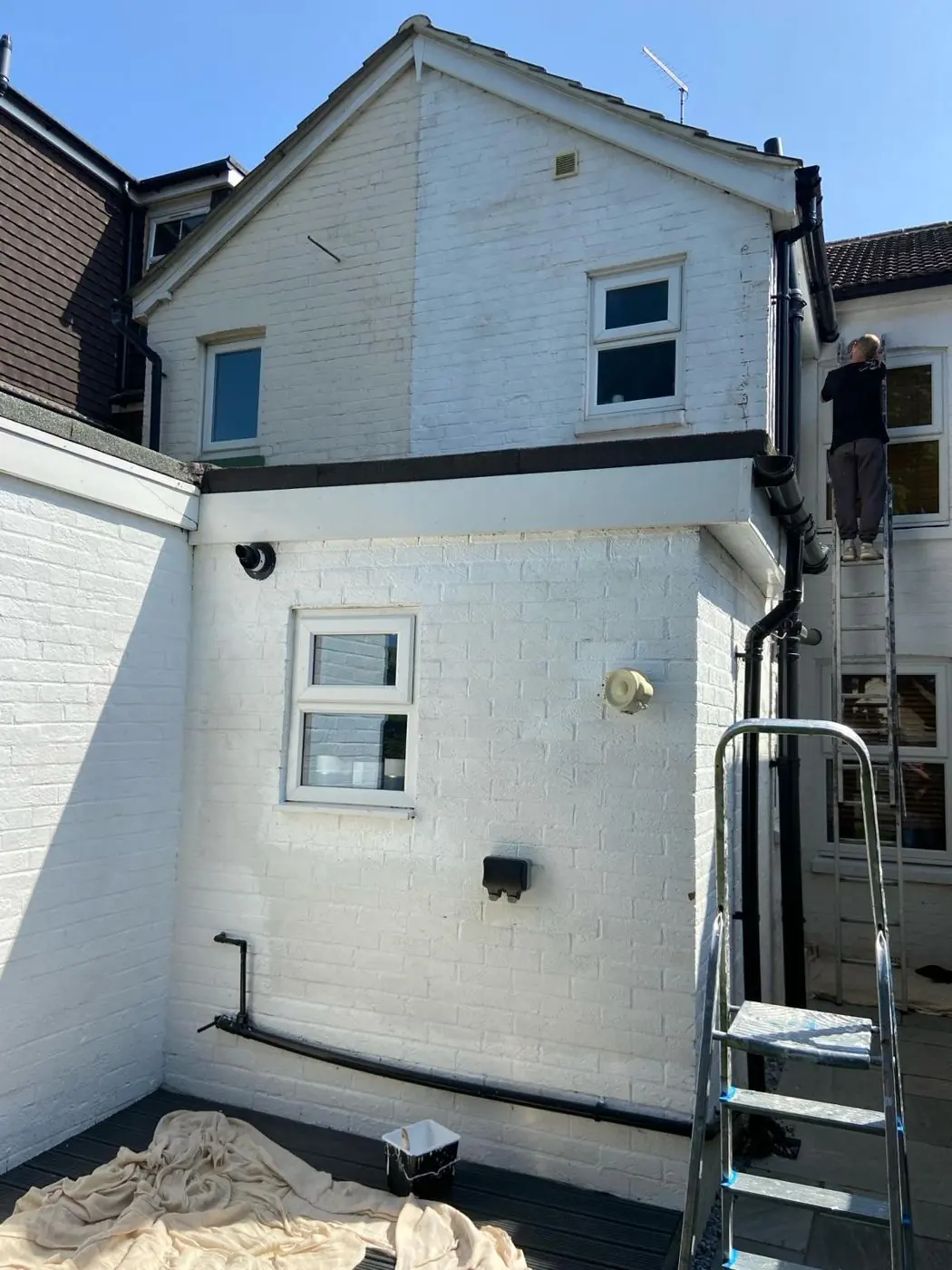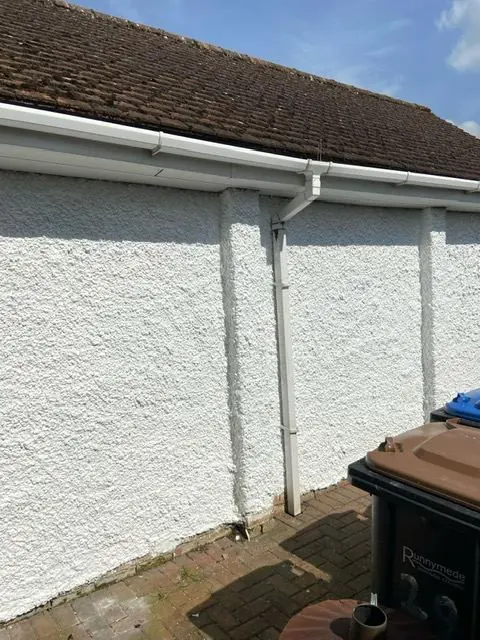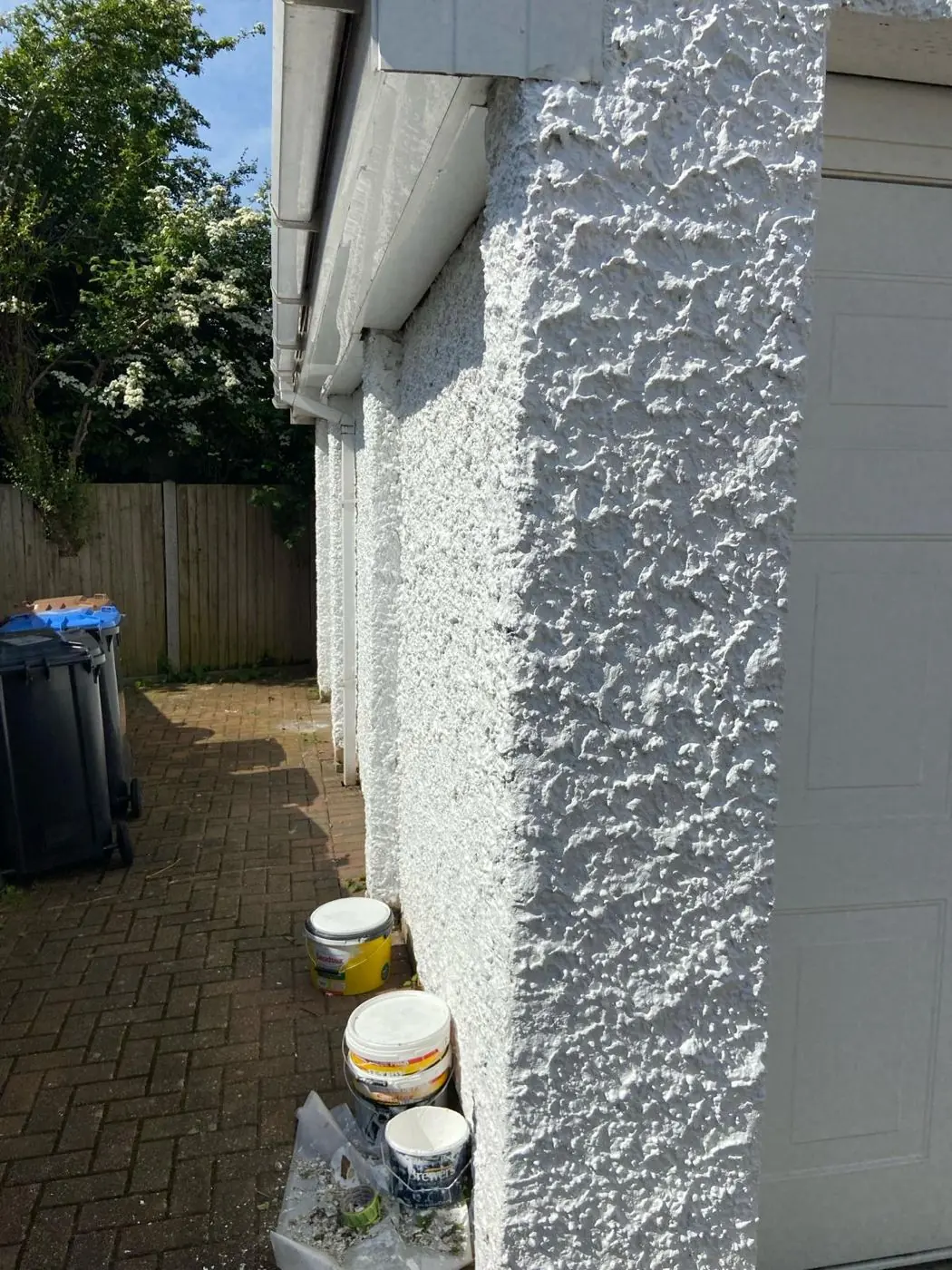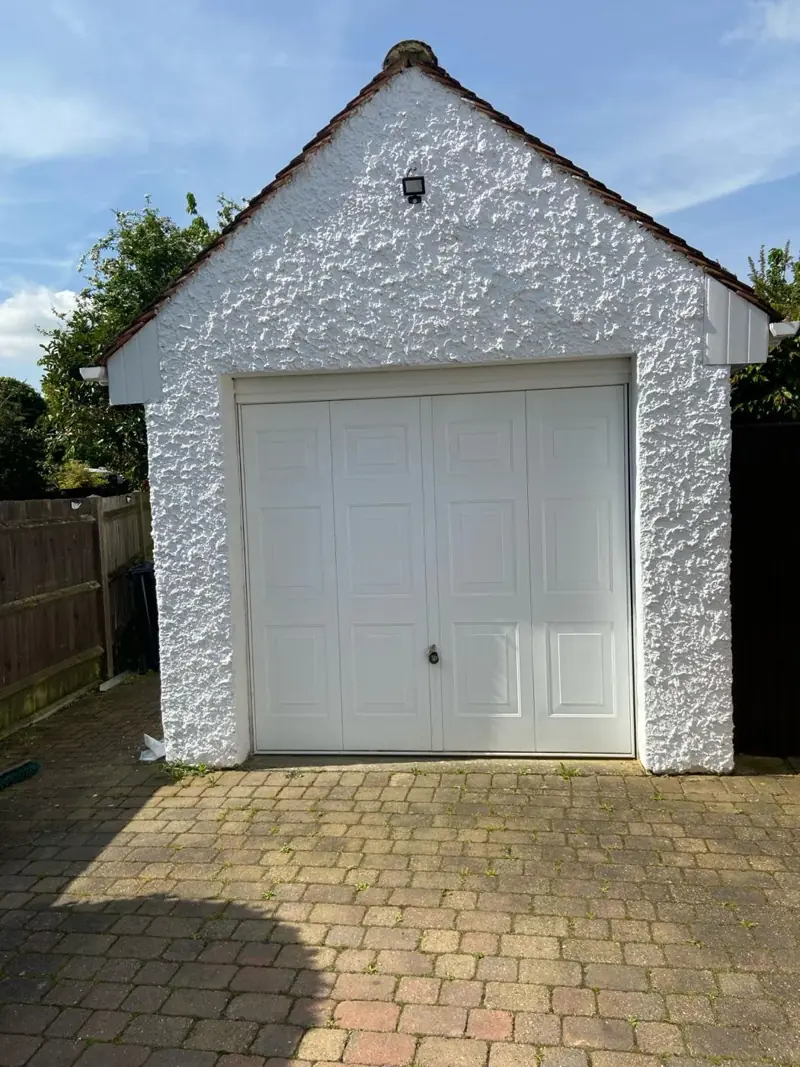
DH Painter & Decorator paints the outside of houses in St James (NN5), the district about 0.6 miles west of Northampton town centre across the River Nene. Main-road grime, on-street parking and match-day traffic shape how Dean, with over 30 years in the trade, books and preps each job here.
Why outside paint gets dirty quicker in Jimmy’s End
St James End, still called Jimmy’s End by plenty of locals, sits on the arterial roads that feed M1 junction 16. Weedon Road and St James’ Road are inside an Air Quality Management Area, declared because nitrogen dioxide there exceeds the annual mean objective. For a house painter that has a plain, practical meaning: the soot and traffic film that settles on front sills, door surrounds and window heads along those roads builds up faster than on a quiet side street, and fresh paint will not hold to it.
So on a main-road frontage the first day is often spent washing and degreasing rather than painting. Sills and the tops of bay windows collect the most, because the film sits on horizontal surfaces and gets damp. Once the surface is clean and dry, we look at finishes that shed dirt better, such as harder-wearing exterior gloss on woodwork and dirt-resistant masonry paint where a front is already painted. Streets set back from the traffic usually need far less of this.
Three kinds of house, three different jobs
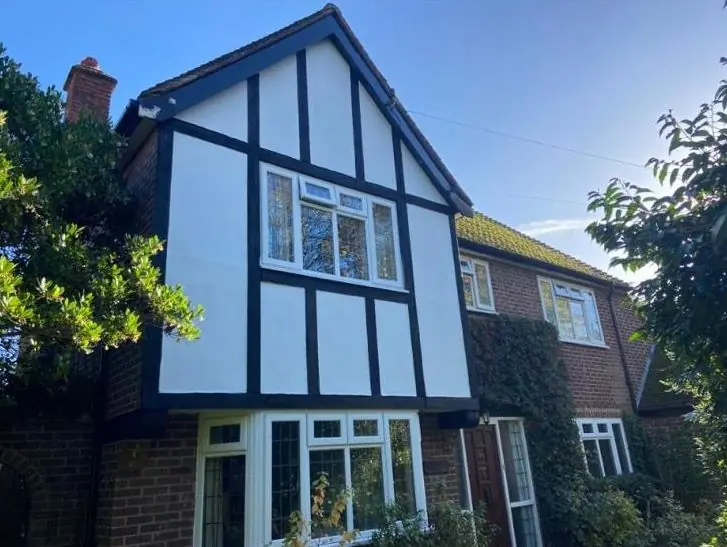
Most homes in the district fall into one of three groups, and the outside work differs for each.
- Victorian terraces, built from the mid to late 1800s for shoe and engineering workers, such as those on Wimbledon Street and Althorp Road. Mainly brick, with timber sash or replacement windows and, on some streets, bay fronts with timber and lead detailing that needs careful scraping and priming.
- The 1999-2000 houses on the former Express Lift Abbey Works site around the National Lift Tower. At roughly 25 years old, the original factory finishes on their timber are reaching the point where a first full repaint is due.
- Modern infill on streets such as Bruce Street, Ross Road and Countess Road, where the outside painting tends to be doors, timber details and the fences and gates along shared rear parking courts.
Roofline boards and walls have their own pages, but most St James exteriors combine both, and the full process is laid out on our main exterior painting service page.
Scaffold towers, ladders and parking on busy streets
Victorian terraces here are parked on the street, and where a front sits close to the pavement there is little room for a ladder footprint, and on the main roads there is passing traffic close by. We plan where the van can go before we start, keep the pavement passable and set out the access equipment so pedestrians can get past safely.
Match days add another layer. Franklin’s Gardens, home of the Saints, sits on lower Weedon Road, and Sixfields Stadium is at the top. When either ground has a fixture, parking and traffic along Weedon Road change for the day. We check the fixture lists when booking outside work on that corridor and avoid ladder work on those days where we can.
Colour freedom, with a few exceptions
No conservation area covers St James, and none of the heritage Article 4 directions in Northampton apply here, so homeowners are free to choose front door and woodwork colours without the restrictions found in places like Derngate or the Billing Road area. The borough-wide HMO Article 4 direction controls changes of use, not paint. A terraced row still reads as a group from the street, so many owners pick colours that sit comfortably with the neighbours.
The exceptions are the listed buildings: St James’ Church, the National Lift Tower and the 1930s tram depot office. Work on those needs listed building consent before any change of finish. For homes, the timing of the job matters more than permission, and our guide to exterior painting weather and seasons covers the conditions paint needs. For the wider picture of decorating in the district, see the St James area page.
Last updated by Dean, DH Painter & Decorator.