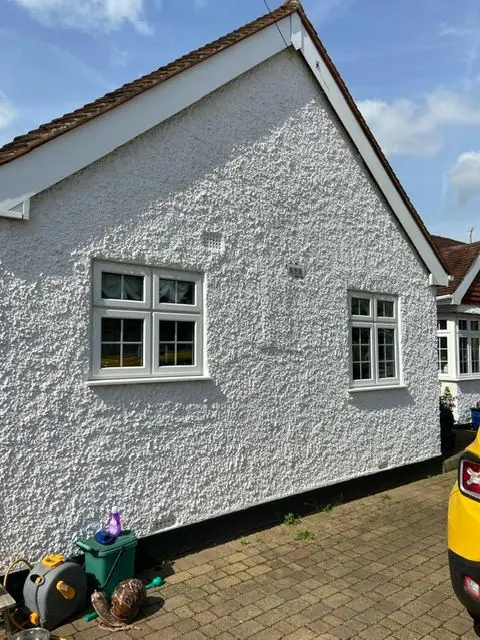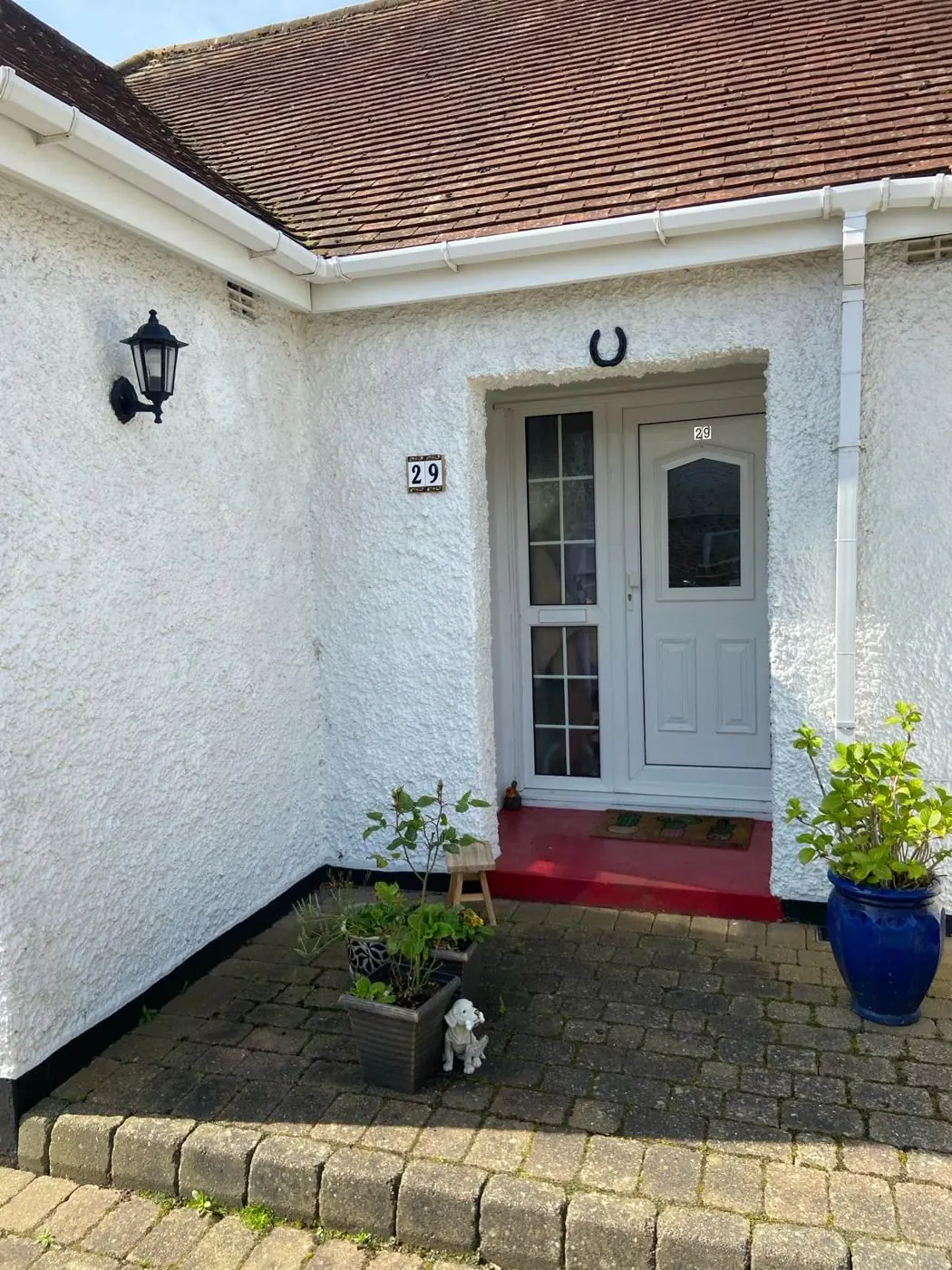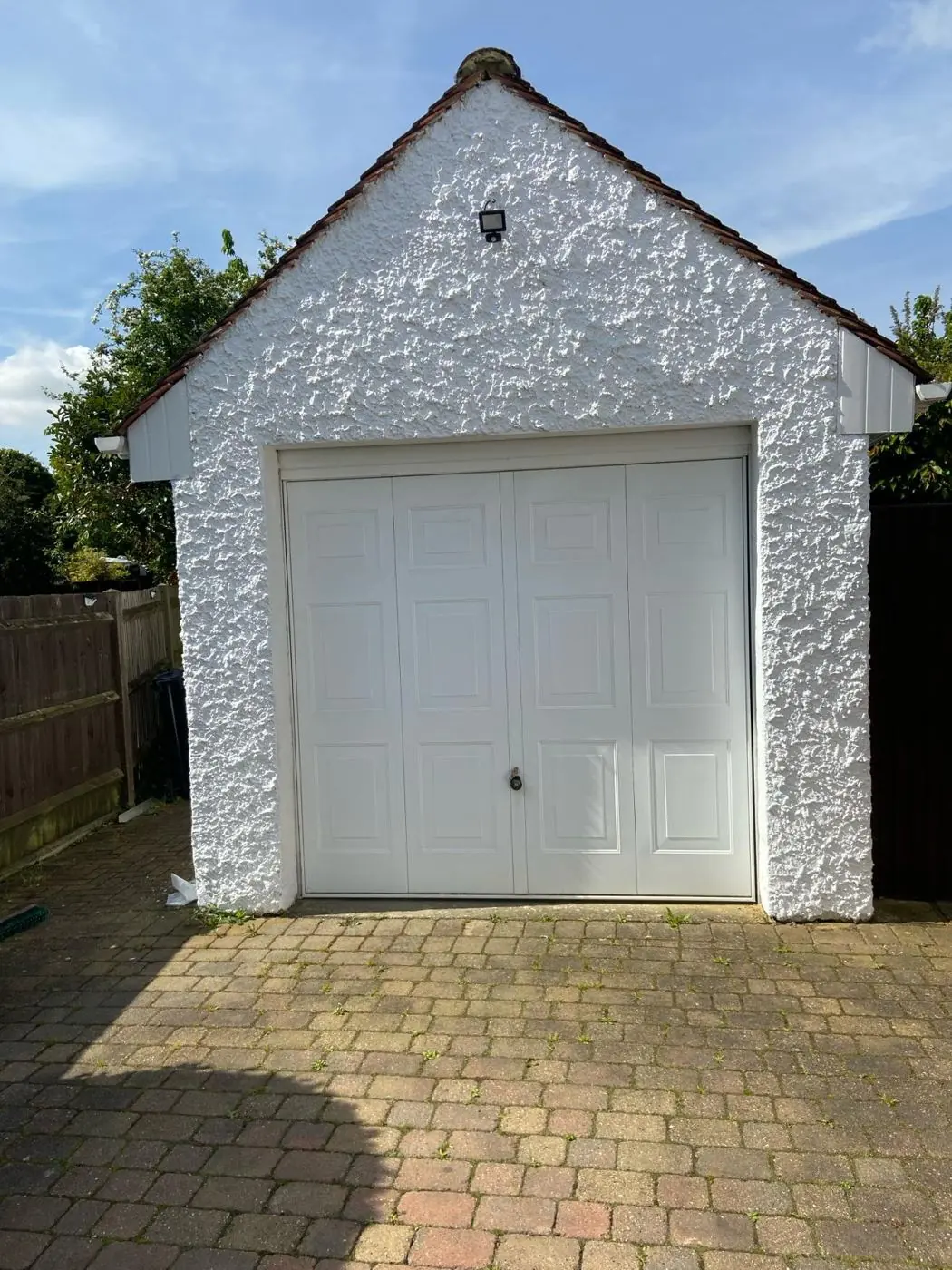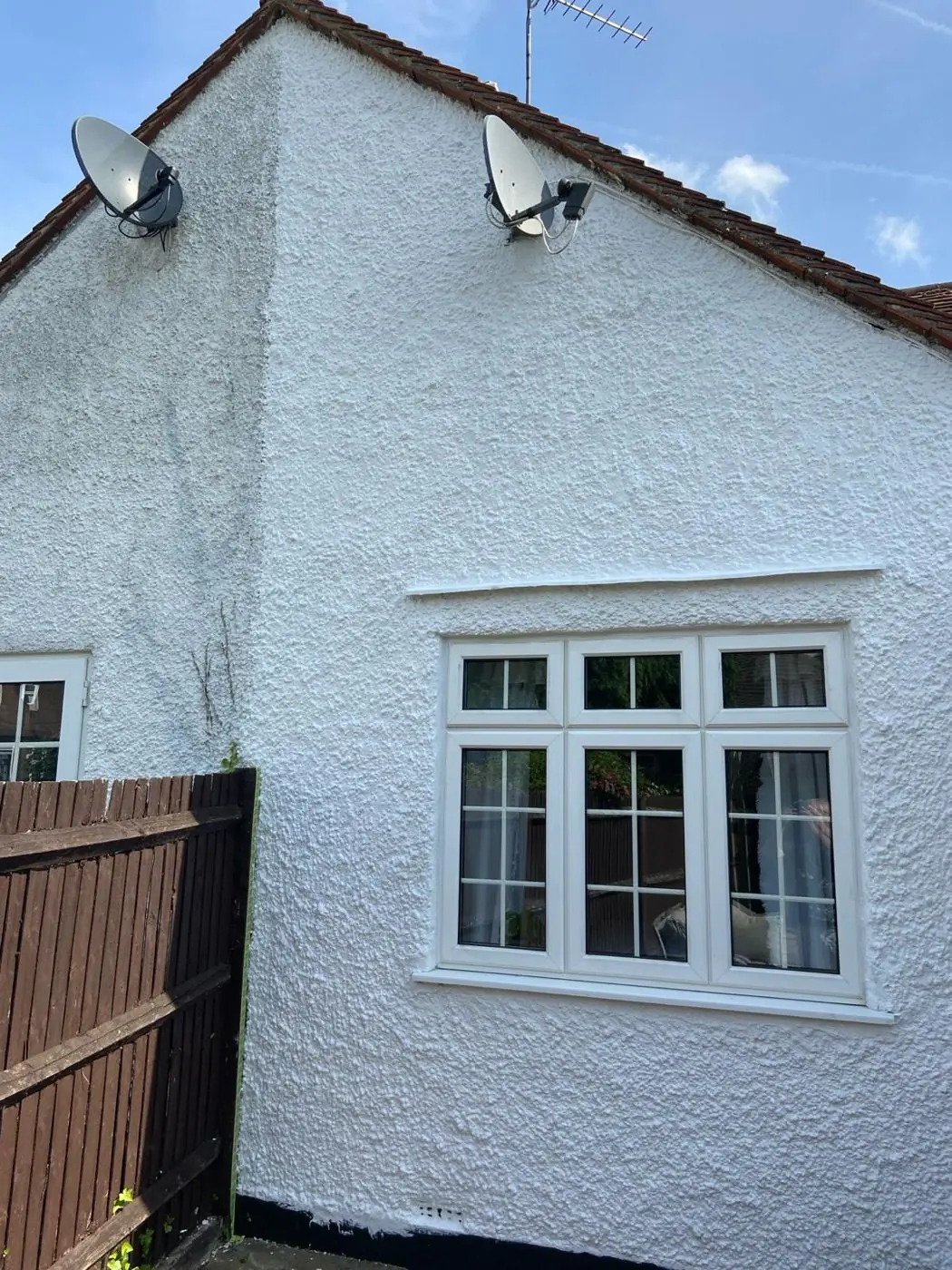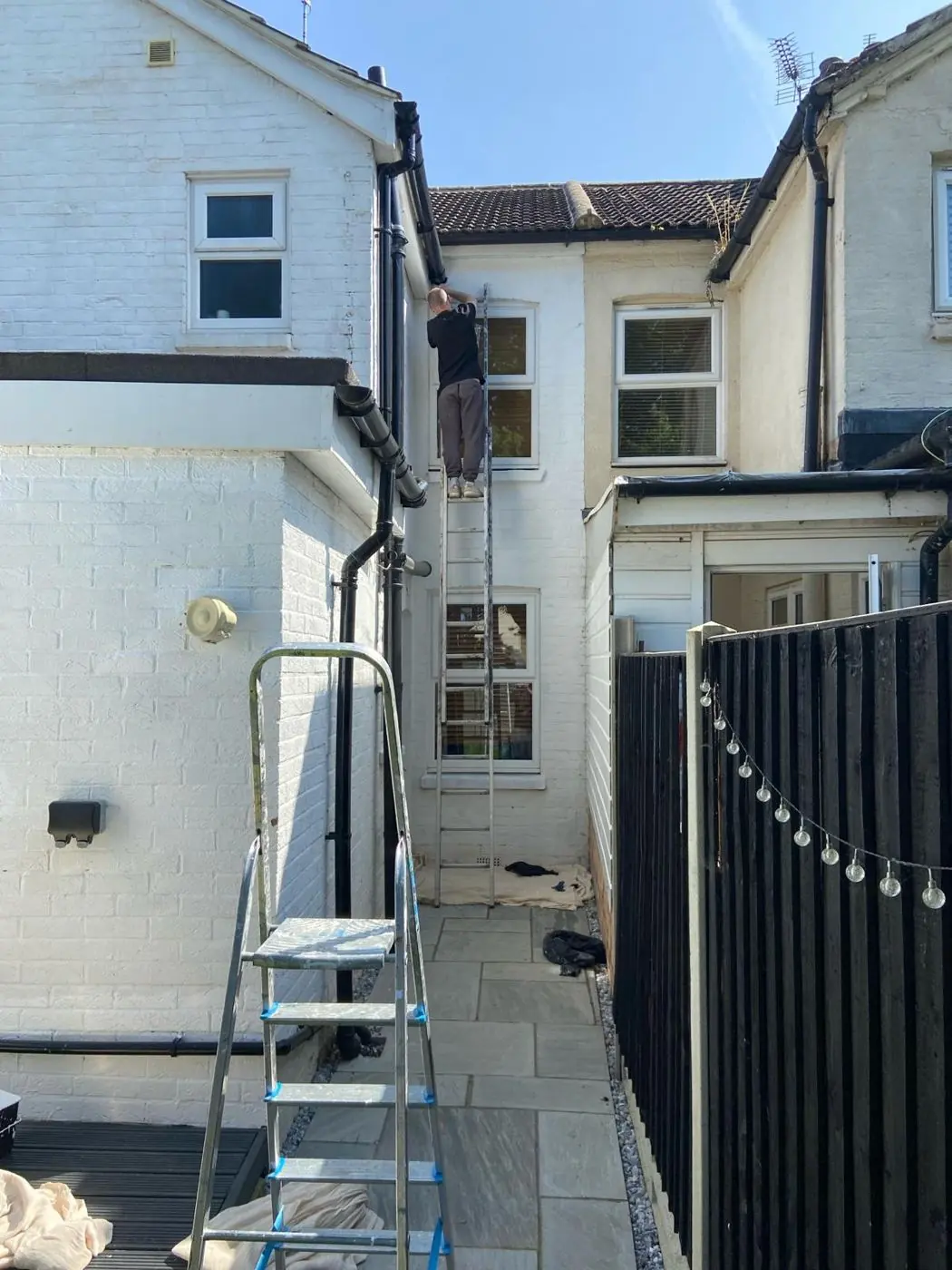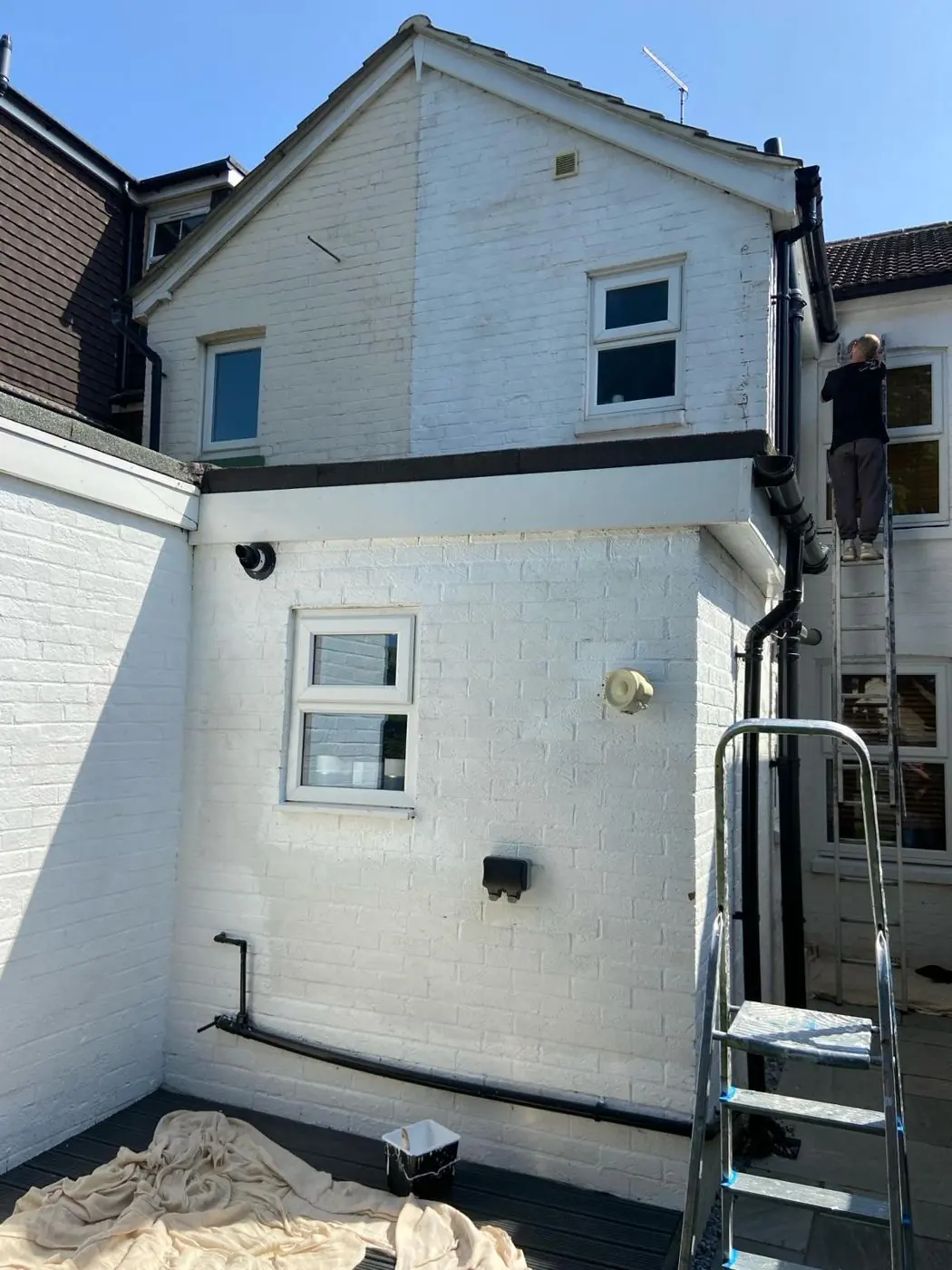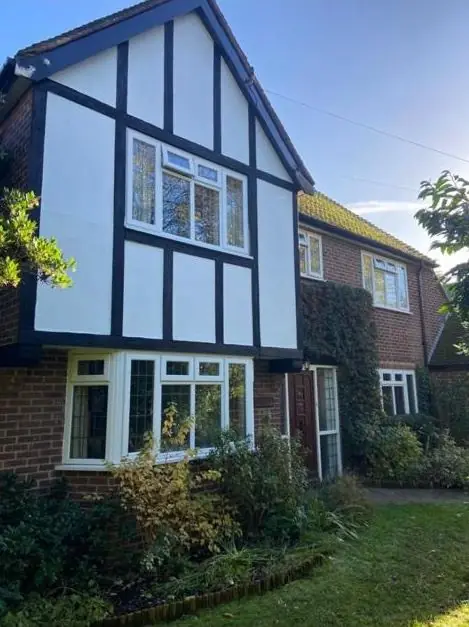
Dean at DH Painter & Decorator paints render, brick and stone walls in St James, NN5, about 0.6 miles west of Northampton town centre. Most fronts here are Victorian brick, so the work usually centres on cleaning off traffic grime, choosing a coating that lets the wall breathe and sorting out any damp first.
A brick district with stone underneath
St James grew up in the second half of the nineteenth century, and its older building fabric tells you a lot about what a wall will tolerate. Cottages excavated on the St James’ Road frontage, shown on the 1885 Ordnance Survey map, were built of local ironstone and limestone with some brick in the foundations. Later Victorian terraces across the district are mostly brick. Some fronts have since been rendered or painted, and where older stone or lime-mortared walling survives, it needs different treatment.
That mix matters because the two families of material behave differently. Ironstone, limestone and lime mortar need to release moisture. Seal them under a plastic-type masonry paint and water gets trapped behind the film, which leads to blistering, flaking and soft, crumbling joints. On those walls we use breathable mineral or lime-compatible coatings. Where a front is plain cement render or previously painted brick in good order, a quality breathable masonry paint is usually right.
The church shows what paint has always done here
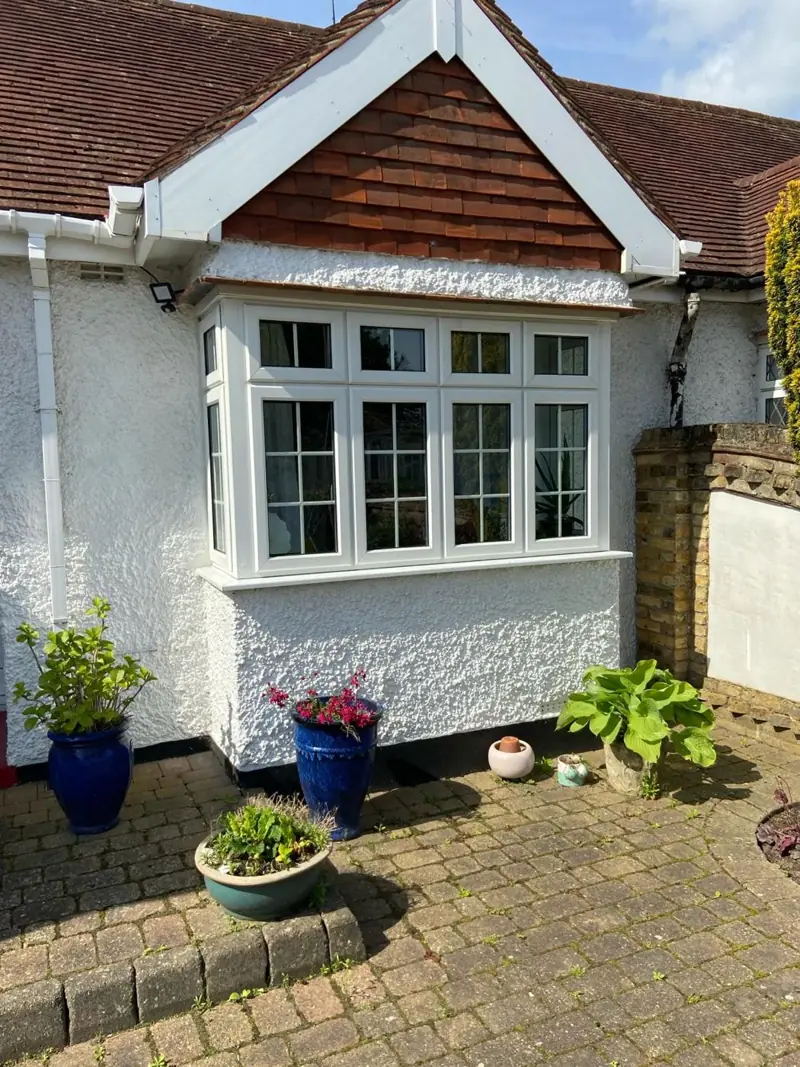
St James’ Church on St James’ Road, listed Grade II and built in 1868-71, is red brick with bands of ironstone and black brick. According to its listing, the black bricks are actually red bricks that have been painted. It is a useful reminder that painted masonry is nothing new in the district, and that how a painted brick weathers depends on what is underneath. Being a listed building, the church itself would need listed building consent before any change to its finishes; ordinary houses in St James do not, because there is no conservation area here.
Main-road grime and floodplain damp
Two local conditions shape almost every masonry job in the district.
| Condition | Where it shows | What we do about it |
|---|---|---|
| Traffic pollution | Fronts on Weedon Road and St James’ Road, both in the Air Quality Management Area | Wash down and degrease, let the wall dry, then use a dirt-resistant masonry finish |
| Rising and residual damp | Low-lying parts of St James Road, Harlestone Road and Weedon Road in the Nene floodplain | Find the cause, let salts come out and brush them off, use breathable coatings only |
| Older stone or lime mortar | Any surviving early walls | Mineral or lime-compatible paint, never a sealing coat |
The floodplain point deserves a sentence of its own. Residents along those roads were evacuated in the Good Friday flood of April 1998, and the river banks have since been raised. Low walls and ground-floor brickwork in that zone can still hold moisture and push out white salt deposits. Painting over efflorescence just pushes the problem through the new coat, so we wait until the wall is dry and the salts have been brushed off.
Preparing a St James wall for paint
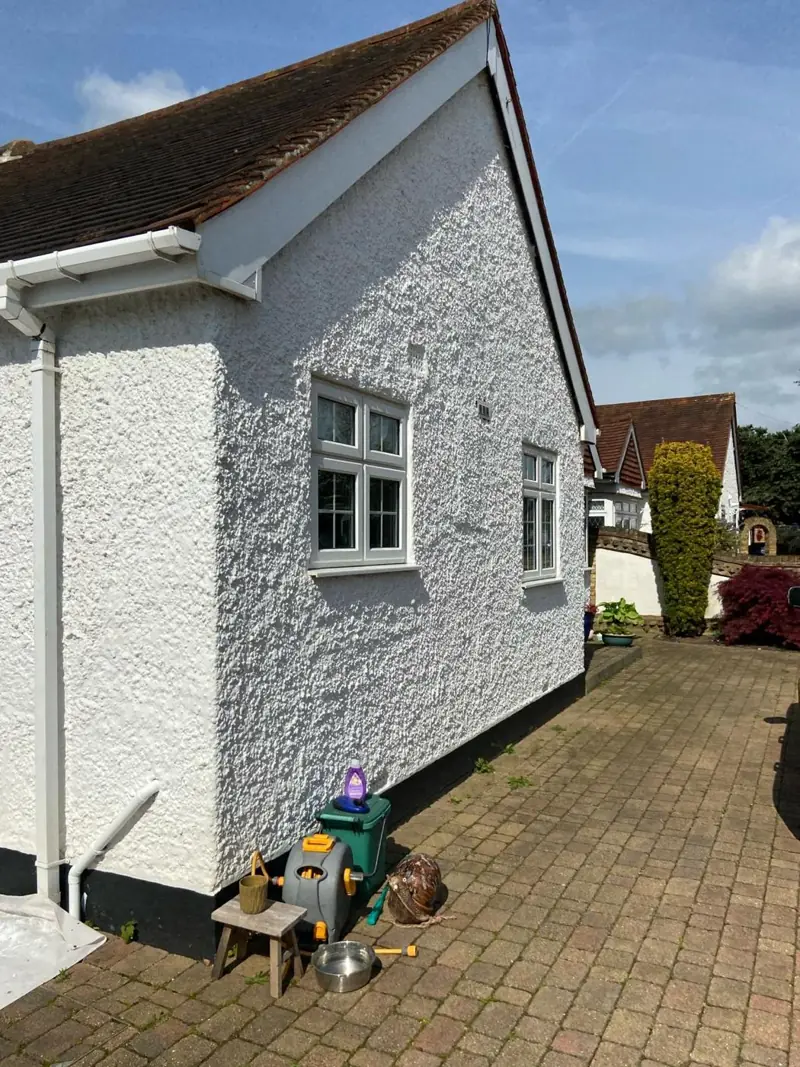
On a typical job we inspect for loose render, cracks and failing pointing, wash off grime and any green growth, stabilise chalky surfaces, fill cracks and then apply two coats. Our render and masonry painting page sets out that process in full, and the guide to painting render and roughcast explains the products. If a wall turns out to need repointing or render repair beyond filling, we will tell you before painting rather than cover it up.
Because terraced fronts in St James face onto the pavement and residents park on the street, masking off the footway and keeping it passable is part of the plan from day one. More on how the area’s housing affects decorating is on our St James area page.
Last updated by Dean, DH Painter & Decorator.