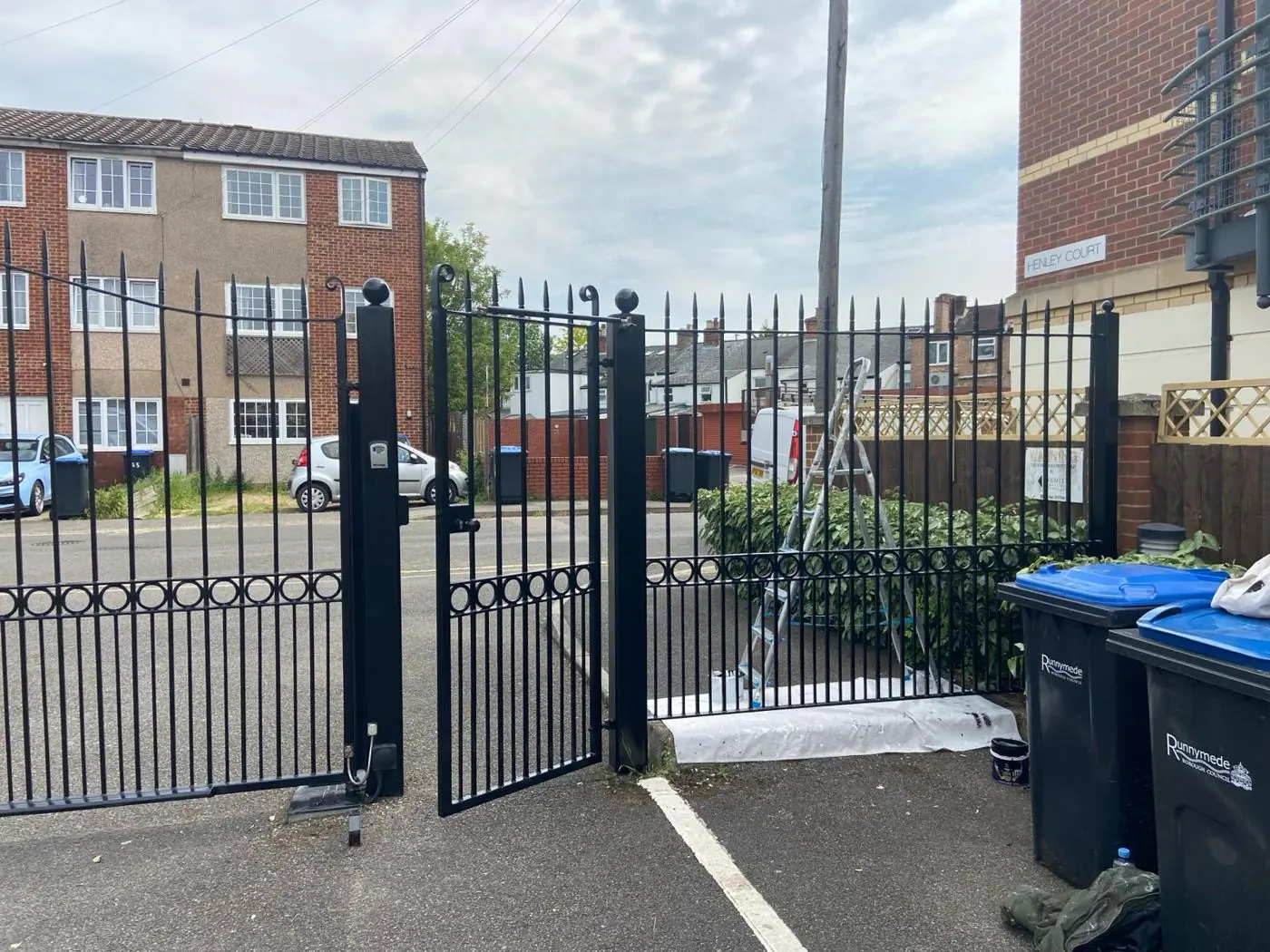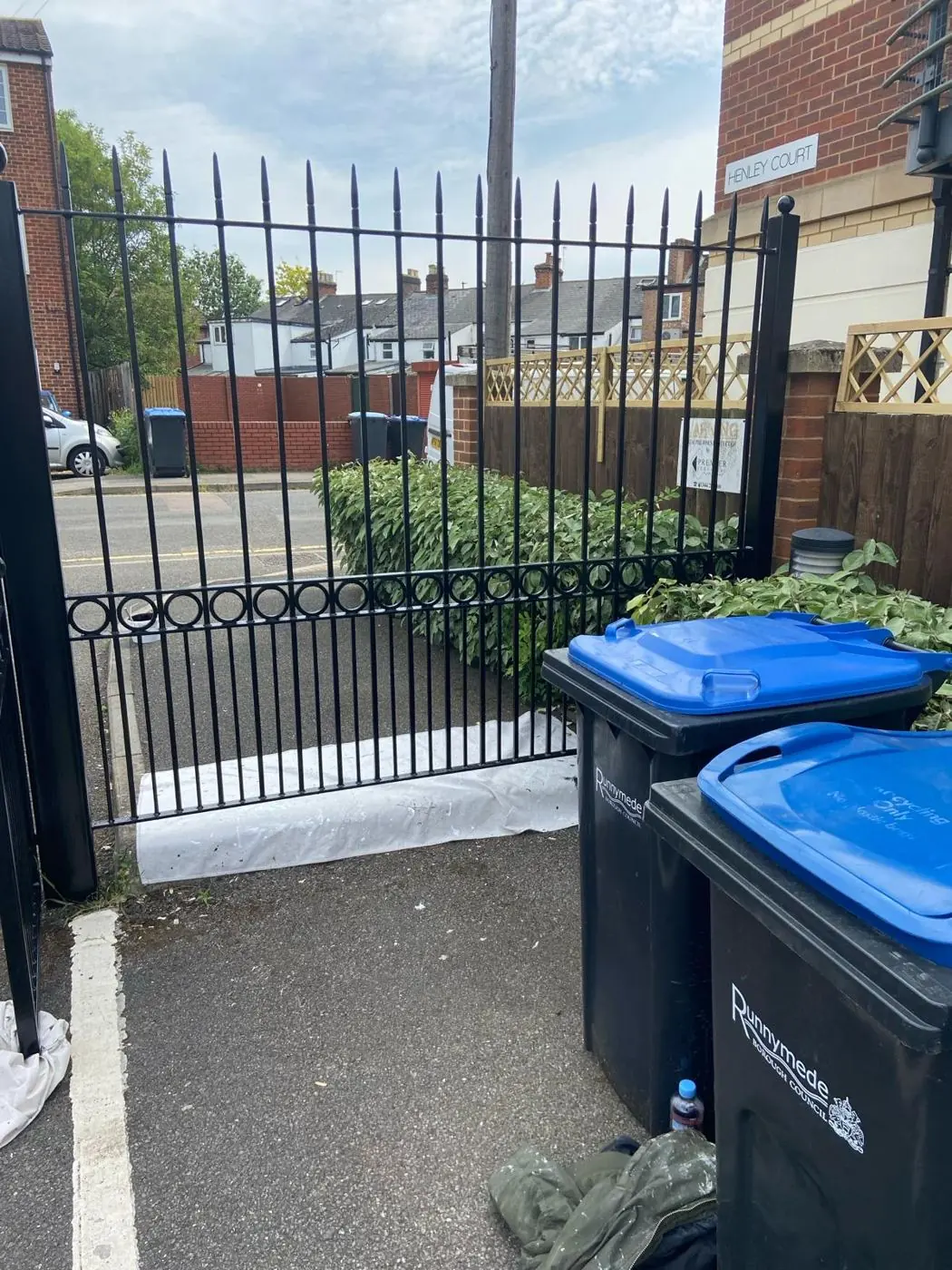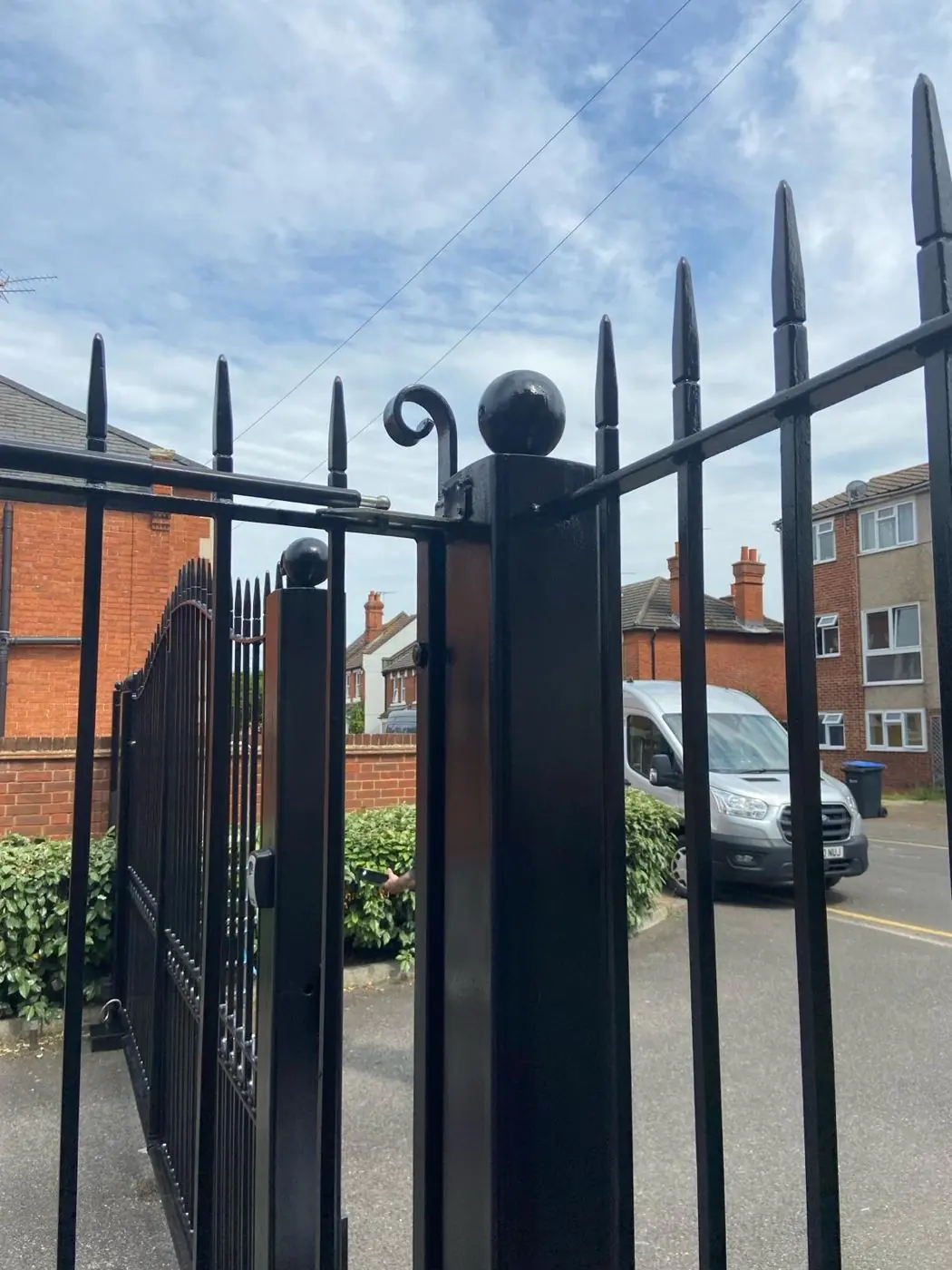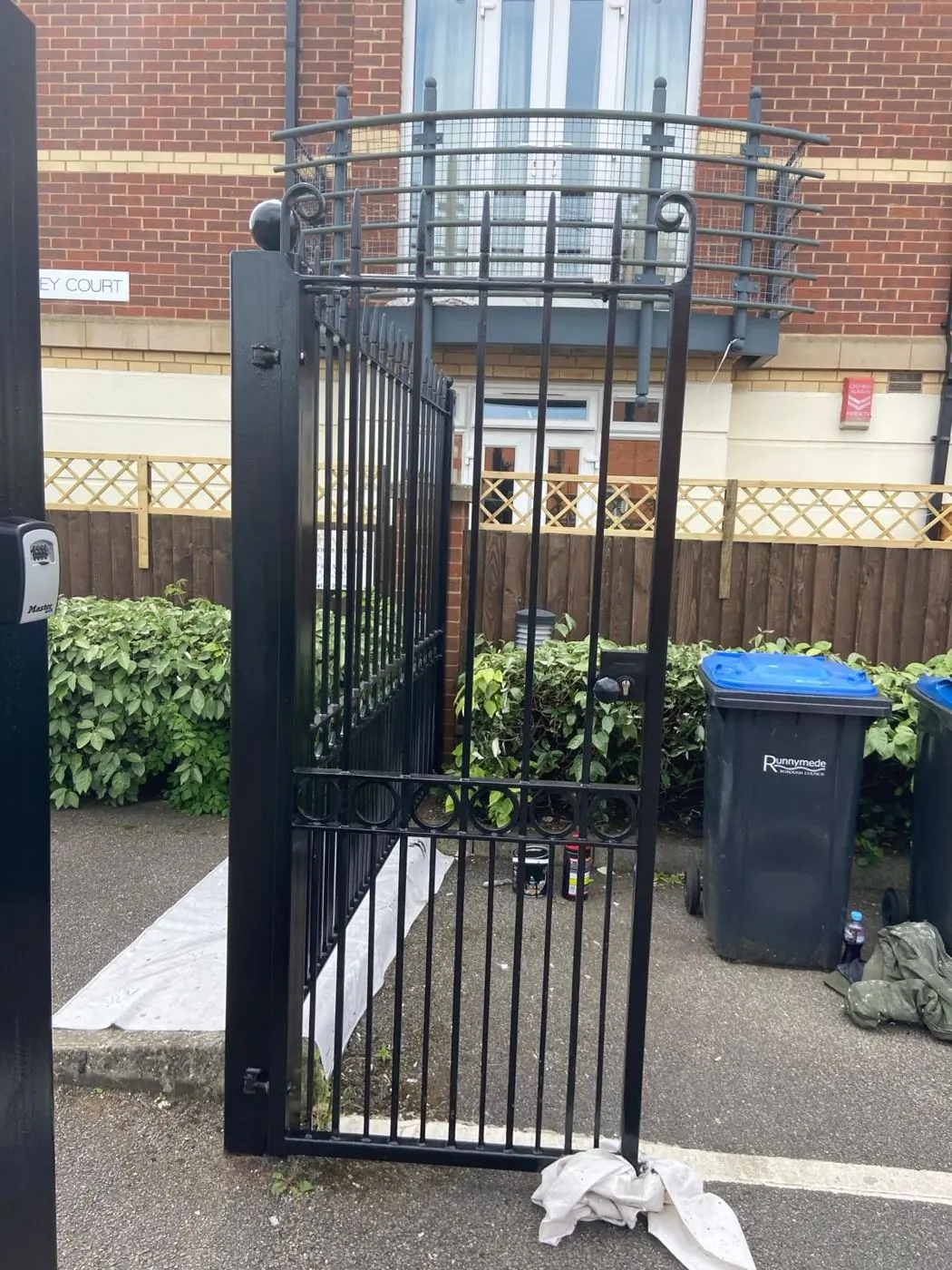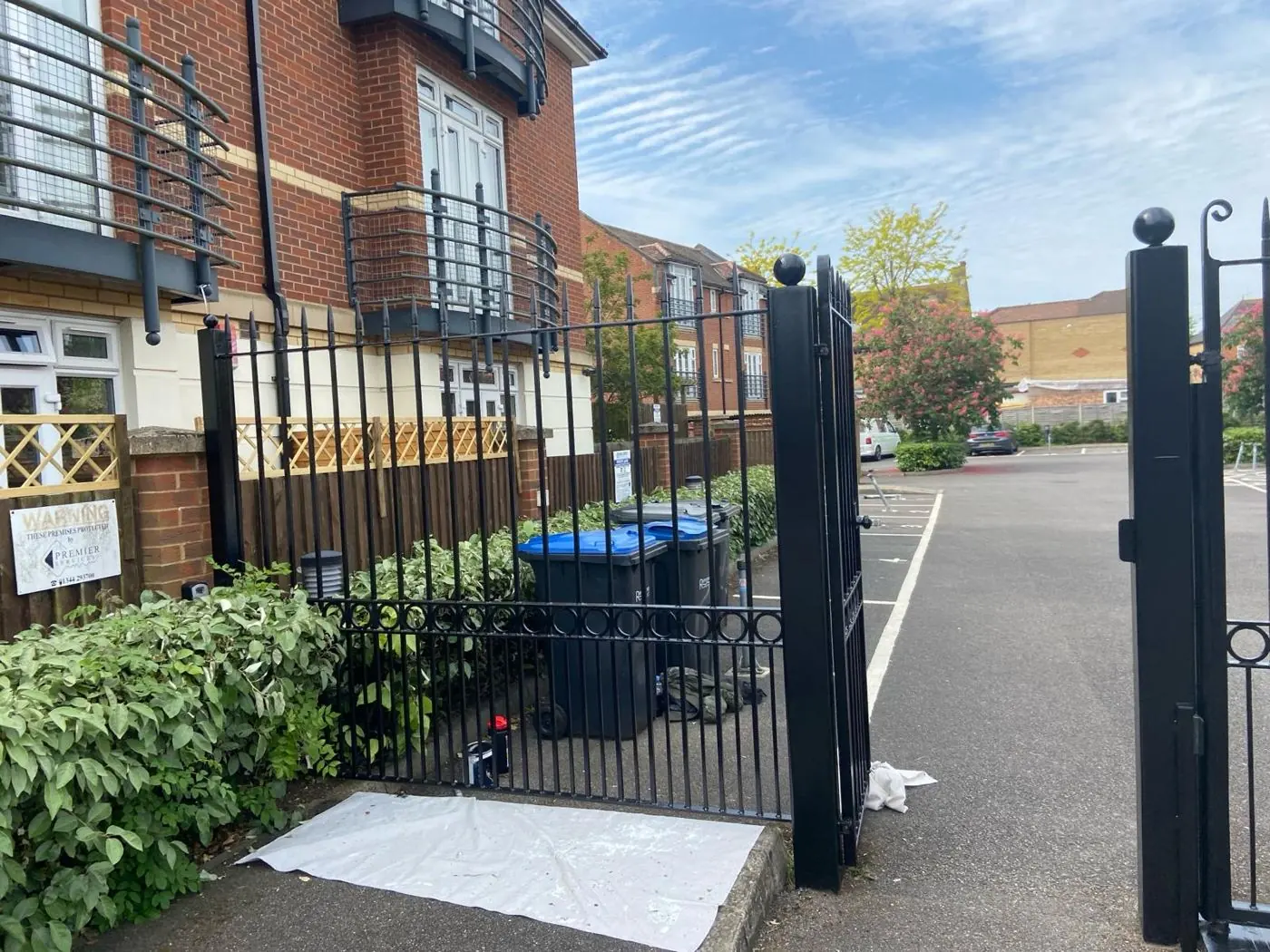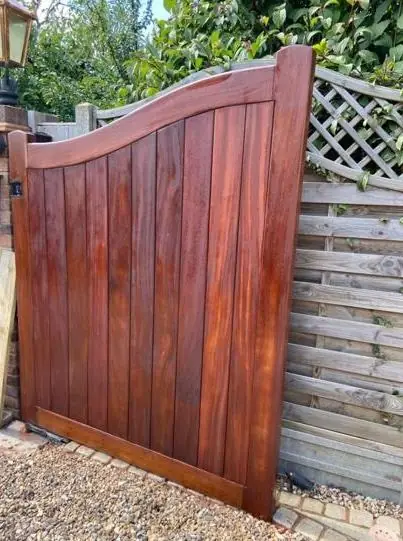
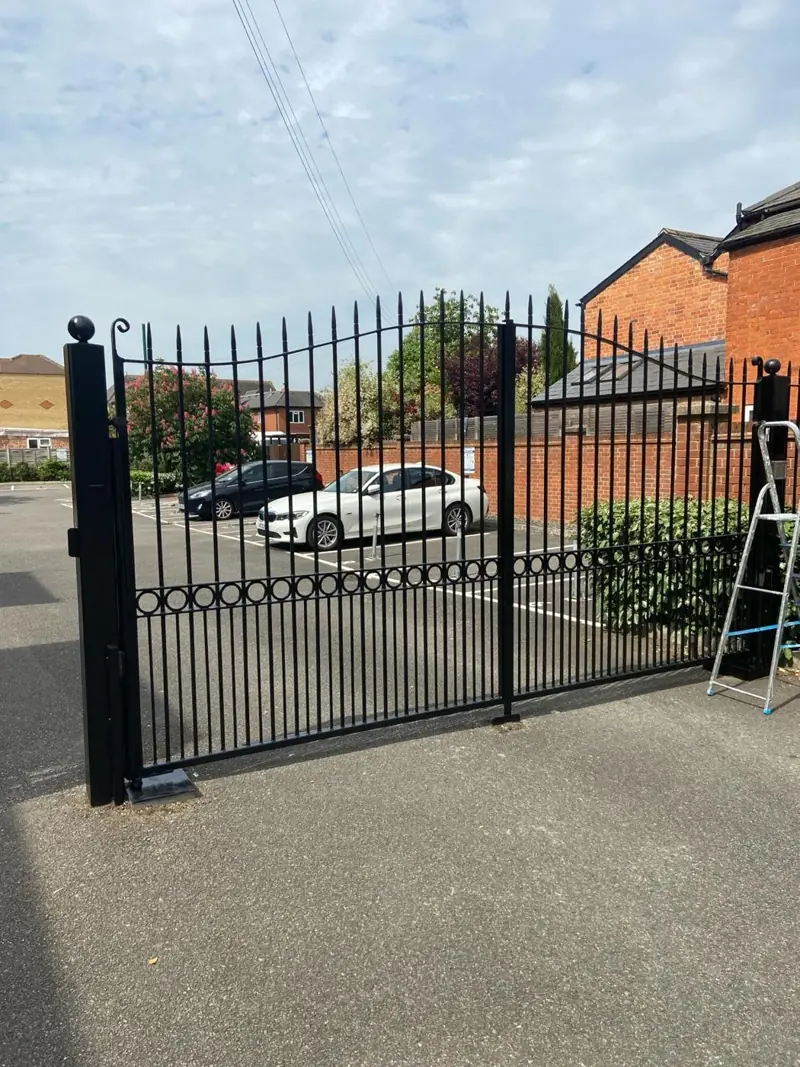
We stain and paint garden fences, posts and timber gates in Pitsford, about 4.7 miles north of Northampton. Most fence work is on Drummond Close, Broadlands, Glebe Lane and modern infill, while the historic core has timber gates set into tall stone walls.
Hedges, stone walls and the timber in between
Pitsford’s boundaries are mostly stone. The historic plots are enclosed by tall Pendle stone walls, over 3m along the Pitsford Hall boundary, and the conservation area appraisal notes that privet, laurel, conifer and leylandii hedges often grow over the tops of them. Long runs of panel fencing are therefore unusual in the old village. Timber fences belong mainly to the post-war and modern housing at Drummond Close, Broadlands and Glebe Lane, and to modern infill plots on Manor Road and Grange Lane. That is where most fence staining in the village happens: lap and feather-edge panels between back gardens, gravel boards and posts, and side gates beside garages.
Where timber does appear in the historic core, it is usually a gate hung in an opening in a stone wall or between piers, opening onto one of the village’s walled plots. A gate like that sits in full view against old masonry, so it deserves more care than a fence panel.
Algae and green growth under protected trees
With about fifty Tree Preservation Orders and TPO groups in and around the village, including mature cedars and protected woodland around The Wickets and in the grounds of Pitsford House, a lot of garden timber spends the year in shade. Shade plus the springs that surround the hilltop gives damp timber, and damp timber grows algae and moss. Stain applied over green growth will not soak in and peels or blotches within a year. So every job starts with a fungicidal wash, left to work, then a scrub and a rinse. The fence then has to dry properly before any finish goes on, which on a shaded run can take longer than on an open one.
Because protected trees cannot be cut back without notice (work on trees over 75mm diameter needs six weeks’ notice to the council), we do not prune overhanging branches to make access easier. Panels hard up against hedges are worked carefully with brushes to avoid stain on leaves.
Gates in old walls: what changes
A gate in a stone wall sits right against lime-pointed masonry. Stain or paint splashed on Pendle stone is very hard to remove from its porous surface, so the stone is masked or sheeted before work starts. Iron hinges, latches and strap work are masked or taken off, not painted over. Bottom rails and the lower ends of boards usually take most of the damp and need extra preparation and a generous second coat. For a gate on a listed property, or any gate seen from the street in the conservation area, keep to a conventional colour; dark stains, natural oak tones and traditional painted finishes sit well against the stone.
Stain or paint on the estates
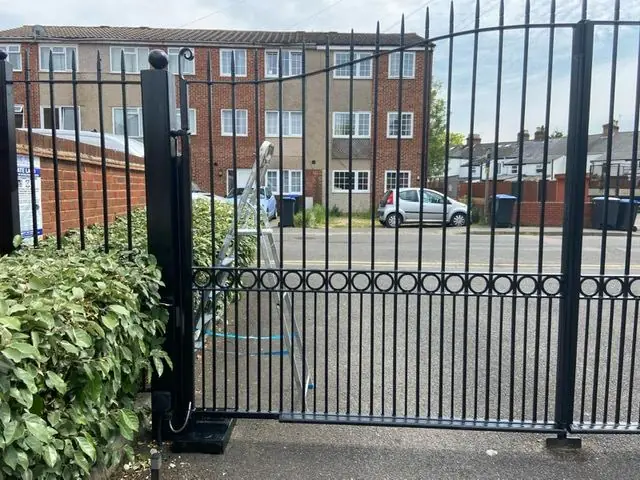
For estate fences on Drummond Close, Broadlands and Glebe Lane, there are no heritage constraints, so the choice comes down to the timber and how exposed it is. A penetrating stain shows the grain and weathers away gradually; an opaque fence paint covers grey, weathered wood well and gives a solid colour. New pressure-treated panels usually need time to dry out before they will accept a finish. Dean will recommend one after seeing the fence. The full process is on our fence and gate staining page, and our Pitsford overview covers the village’s other houses.
Last updated by Dean, DH Painter & Decorator.