We hang wallpaper in Towcester, a drive of just over 8 miles south-west from Northampton. In the older houses of the conservation area, walls are rarely flat or square, so lining paper and careful setting out come first. In the newer homes south and west of the centre, papers can usually go straight onto sealed plaster.
Why old Towcester walls fight a patterned paper
Plenty of Towcester town houses are older than they look. A good number of central buildings are older houses refaced in Georgian style, and the timber-framed structure behind often survives. Behind a straight front you can find rooms with walls that bow, corners that are not square and ceilings that change height from one room to the next. Those are exactly the conditions that show up the faults in wallpaper.
A paper with a strong vertical stripe or a tight geometric repeat makes a leaning wall look worse, because the eye compares the pattern with the ceiling line and the door frame. A broad, loose pattern or a textured plain is far more forgiving. Where a client has their heart set on a stripe, we set out from the most visible vertical in the room, often a chimney breast or the window reveal, and hide the inevitable mismatch in the least-seen corner.
Lining first: what we hang under the paper
On lime plaster and old, patched walls, lining paper does two jobs. It evens out small undulations and gives the decorative paper an even, absorbent surface to bond to. Older lime walls also move a little with the seasons, and a lining layer helps stop that movement from opening the joints of the finished paper.
| Wall found in Towcester | What usually goes on first |
|---|---|
| Lime plaster in a timber-framed or refronted house in the centre | Fill and flexibly patch, size, then lining paper hung horizontally (cross-lined) |
| Victorian brick terrace on Richmond, Queens or Pomfret Road with old plaster repairs | Strip old layers, fill, then lining paper where the patching is uneven |
| Modern plaster or plasterboard in a newer home | Mist coat or size on new plaster, then paper straight on if the surface is flat |
| Wall near the River Tove with a history of damp staining | Damp source sorted first, staining sealed, and a paste with fungicide |
Cross-lining means the lining runs horizontally so its joints never line up with the joints of the vertical paper on top. It takes longer, but it’s the right method on walls of this age. Our wallpaper hanging service page explains stripping, pasting methods and pattern types in more detail.
Matching the pattern when the ceiling height changes
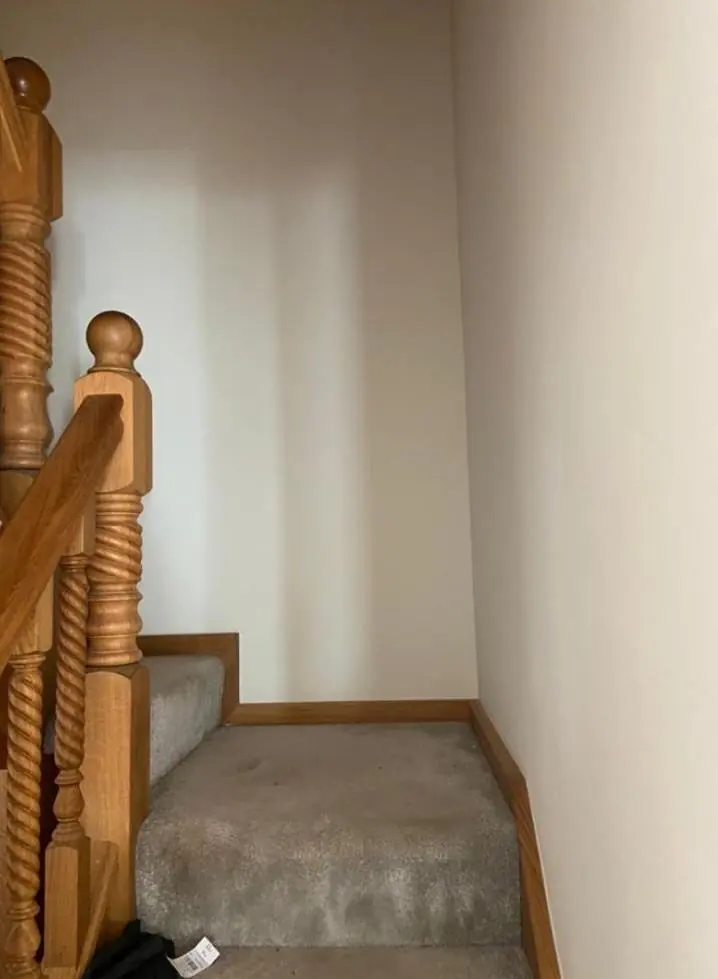
Towcester’s three-storey Georgian houses often have tall ground-floor rooms and lower rooms higher up, and some older buildings have winder stairs that turn as they climb. On a staircase, one drop can be twice the length of the next, and the pattern has to stay level as it climbs. We work out the drops before cutting, allow extra on a large repeat, and hang from a plumb line rather than trusting the ceiling or a stair string to be straight.
Ordering enough paper from one batch matters more on these houses than on a modern box room, because the extra waste on a long drop adds up. We’ll give you a roll count at the quote visit so you can order once and avoid a second batch with a slightly different shade.
Papering the newer estates south and west of the town
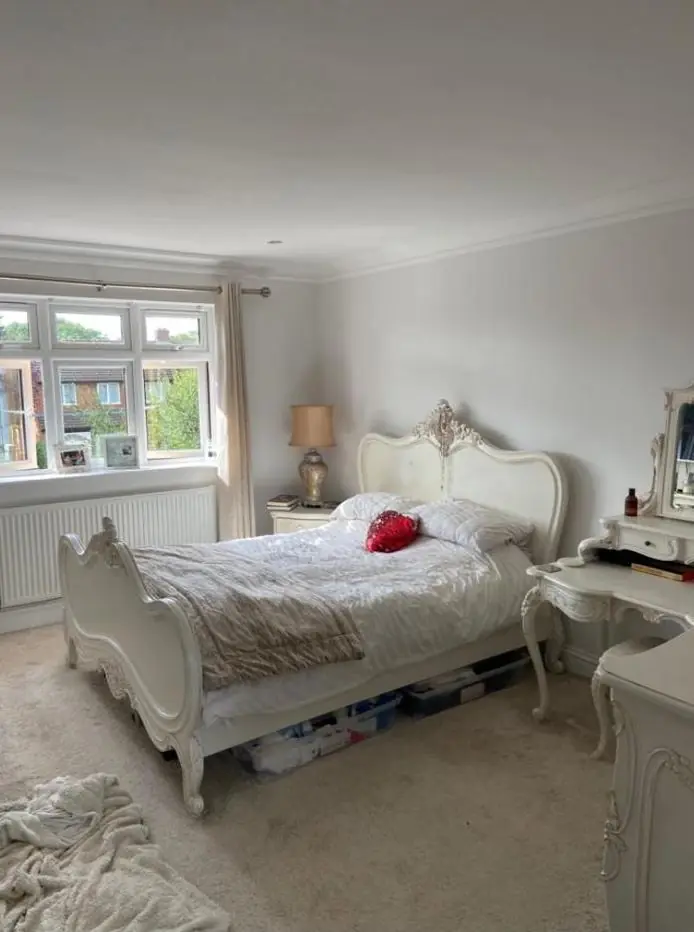
Most of Towcester’s 20th and 21st-century housing lies to the south and west of the old centre. Here the plaster is usually flat and the corners square, so feature walls and full rooms in heavier papers can go up quickly once the surface is sealed. The main thing to watch in new homes is fresh plaster: it must be fully dry and sealed before paste goes on, otherwise the paper can pull away or show bubbles as moisture escapes.
Our Towcester page covers the town’s other house types and services.
Last updated by Dean, DH Painter & Decorator.