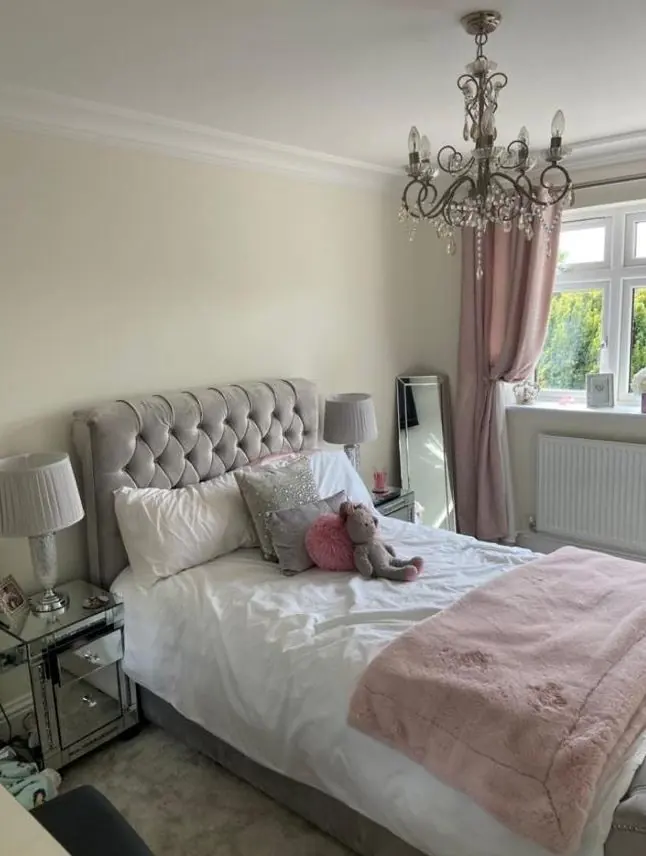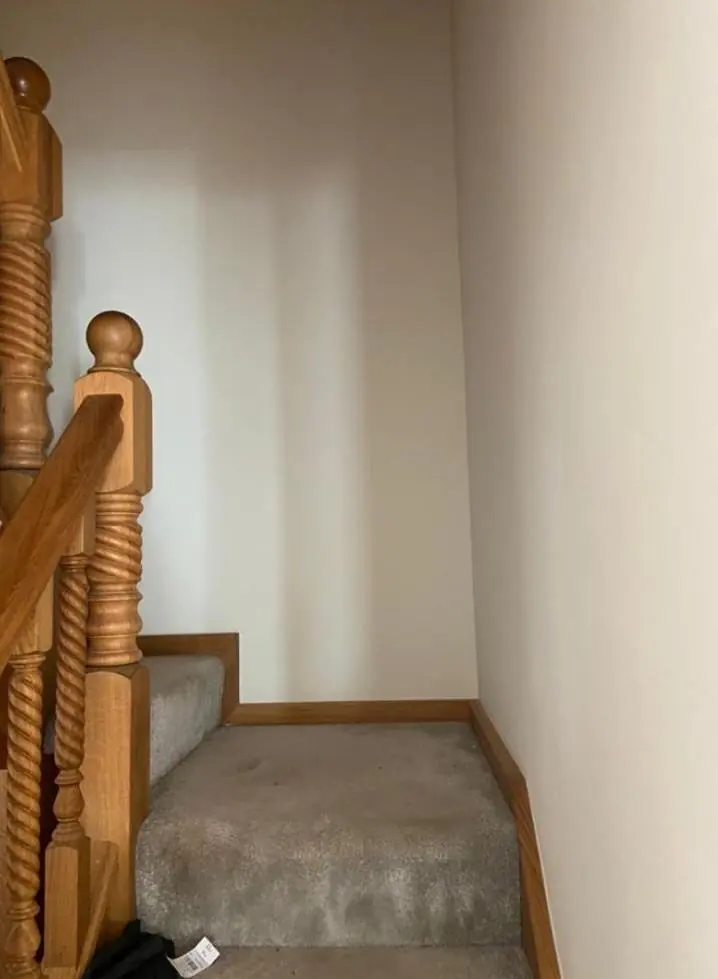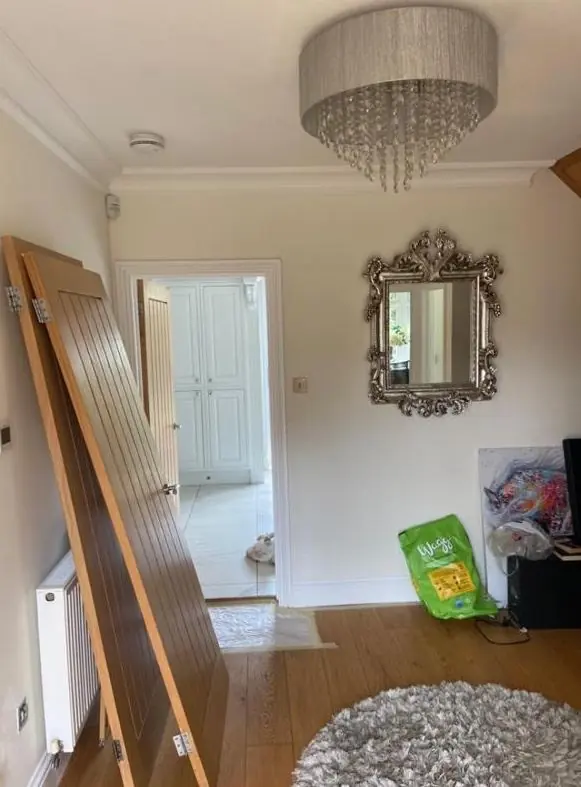
Dean hangs wallpaper and lining paper in Stoke Bruerne, about 6.6 miles south of Northampton in NN12. The old limestone cottages usually need lining paper and forgiving small patterns, while the converted barns and post-war houses can take larger feature designs.
Matching the paper to the house
Stoke Bruerne’s houses span nearly four centuries, and the walls inside them behave very differently once paper goes on. Here is how the main types compare:
| House type in the village | Typical wall | What hangs well |
|---|---|---|
| 17th- and 18th-century cottages on the green, Mill Lane, Chapel Lane and Rookery Lane | Solid limestone rubble, often with old lime plaster that bows and dips | Lining paper first, then small repeats, florals or textured papers that hide the wall’s movement |
| Larger farmhouses such as those on Rookery Lane and Manor Farm | Stone, with taller rooms and bigger windows | Mid-size patterns, with careful planning around sash windows and reveals |
| Converted barns and outbuildings | A mix of original stone and new plaster | Paper on the new plaster sections, paint on the old stone |
| Wentworth Way, Chapel Lane and later infill houses | Modern plaster or plasterboard | Bold feature papers, large repeats and non-woven designs |
Lining paper on the oldest cottages
In a cottage like Old Dower House, dated 1636, or the thatched houses around the green, the walls are rarely flat, the corners are rarely square and a ceiling line can drop several centimetres across one wall. Hung straight onto that, a strong geometric paper shows every wave. We hang lining paper first, cross-lined where the wall needs it, to give an even base and stop the finish paper pulling on weak old plaster. A small, busy repeat or a textured design then lets the eye accept a slightly uneven room instead of fighting it.
Solid stone walls also need to breathe. On a wall known to hold moisture we suggest paint rather than paper, or a breathable paper with a suitable paste, so damp doesn’t build up behind a vinyl surface. Deep window reveals, low beams and lobby-entry layouts with a central chimney stack add more cuts and corners than a modern room, so the work takes longer per roll, and the quote reflects that.
Feature walls in the conversions and modern homes
The model farm buildings on Rookery Lane, built 1839 to 1844 for the Grafton Estate and now four homes, often have freshly plastered walls next to retained stone. The plastered walls are a good surface for a feature paper, with the stone left as it is or painted in a breathable finish alongside. In the houses on Wentworth Way and the newer infill around the village the walls are flatter still, so large-scale patterns, murals and heavier non-woven papers hang well. New plaster must be fully dry and sized before any paper goes on.
Guesthouse rooms and planning around the canal season
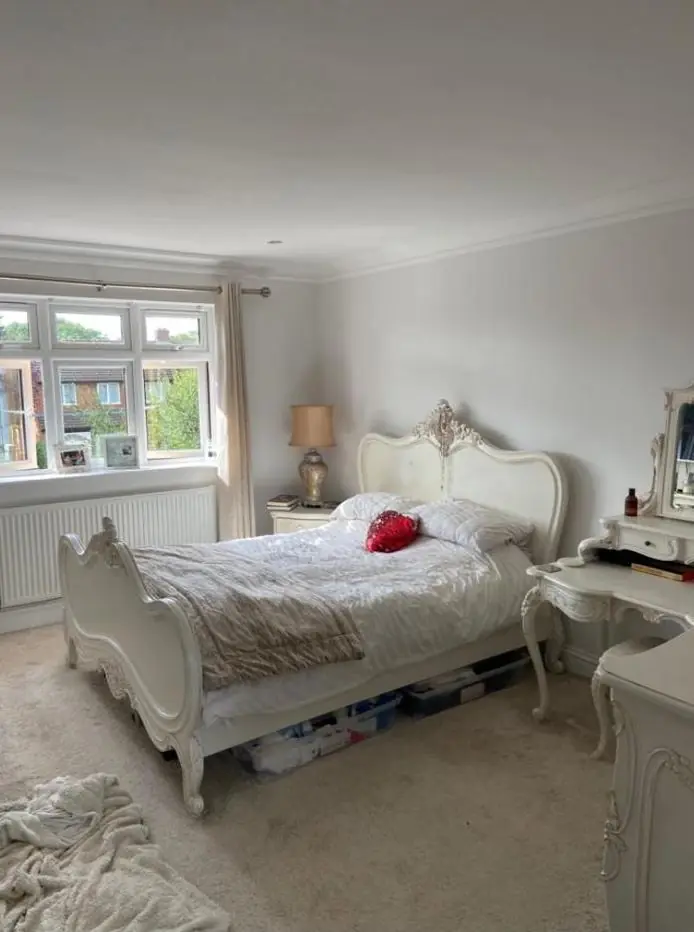
The two B&B guesthouses by the top lock are busiest from spring through summer. Papering guest bedrooms over the quieter months avoids losing bookings at peak time, and it also helps with access, because visitor traffic and parking pressure on the canalside ease off outside summer. For homes on the narrow Lanes, where plots have no rear access and the double yellow lines are enforced, we plan where the van goes and bring rolls, paste table and stepladders through the front door.
Stripping, wall repairs and the papers we hang are covered on our main wallpaper hanging page, and the cost guide explains why a lined cottage room takes longer to quote than a flat modern one. Our Stoke Bruerne page covers the rest of our work in the village, which we reach from our Northampton base.
Last updated by Dean, DH Painter & Decorator.