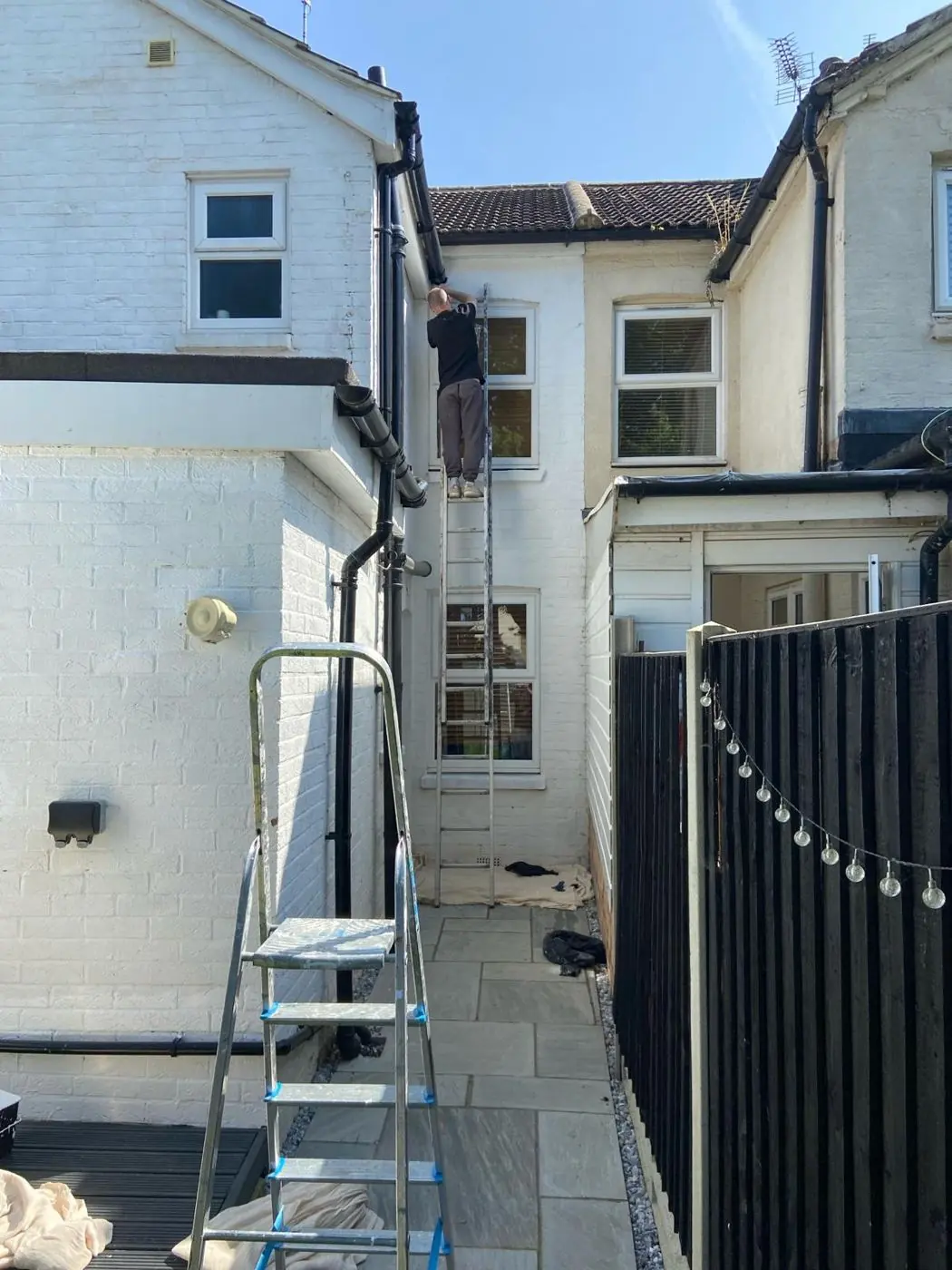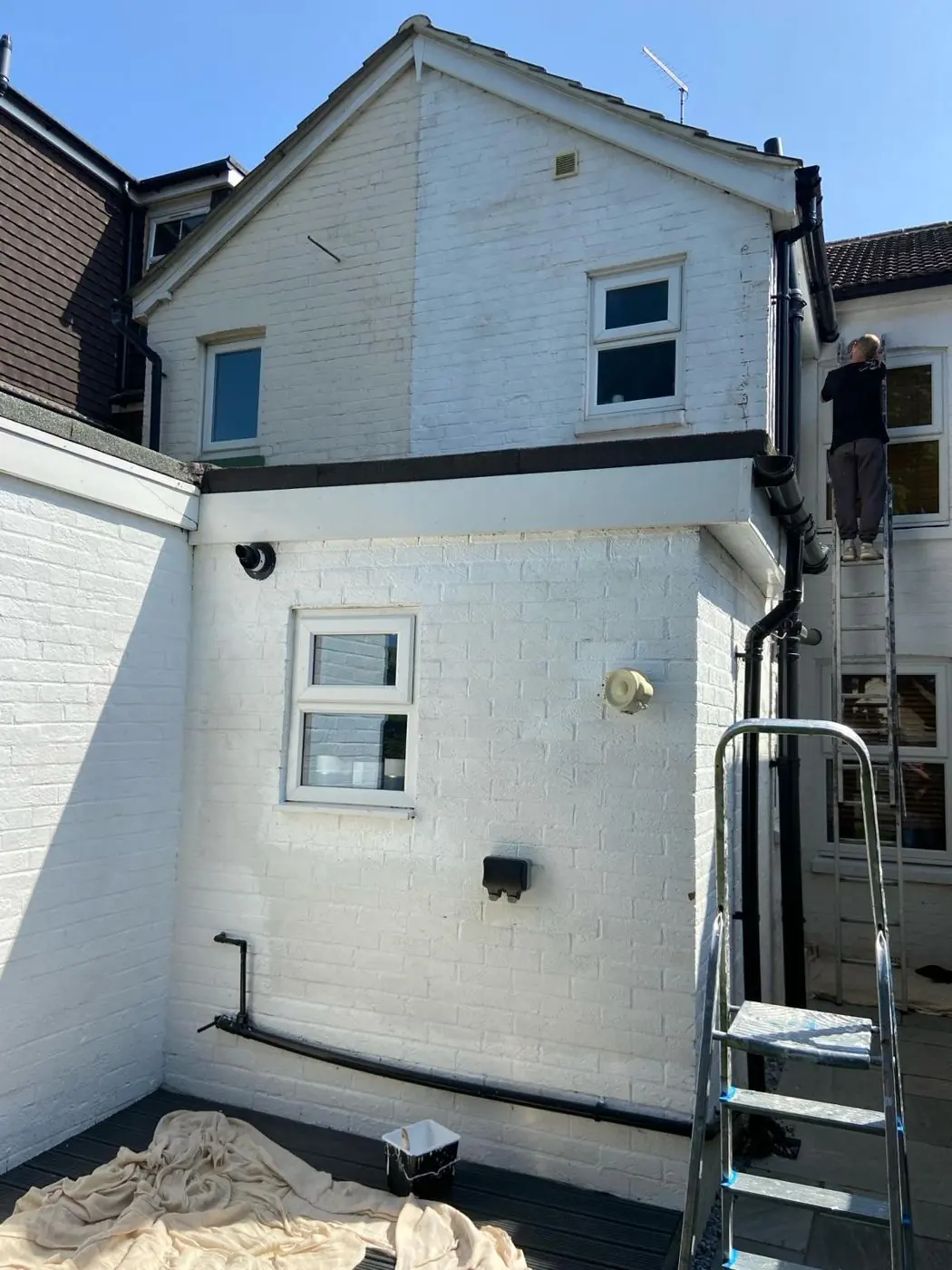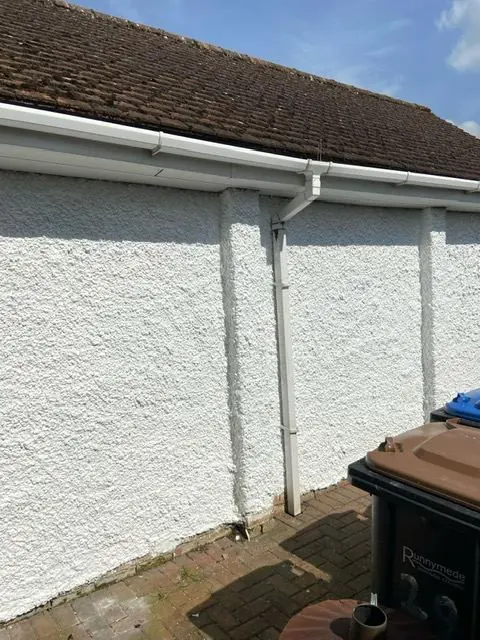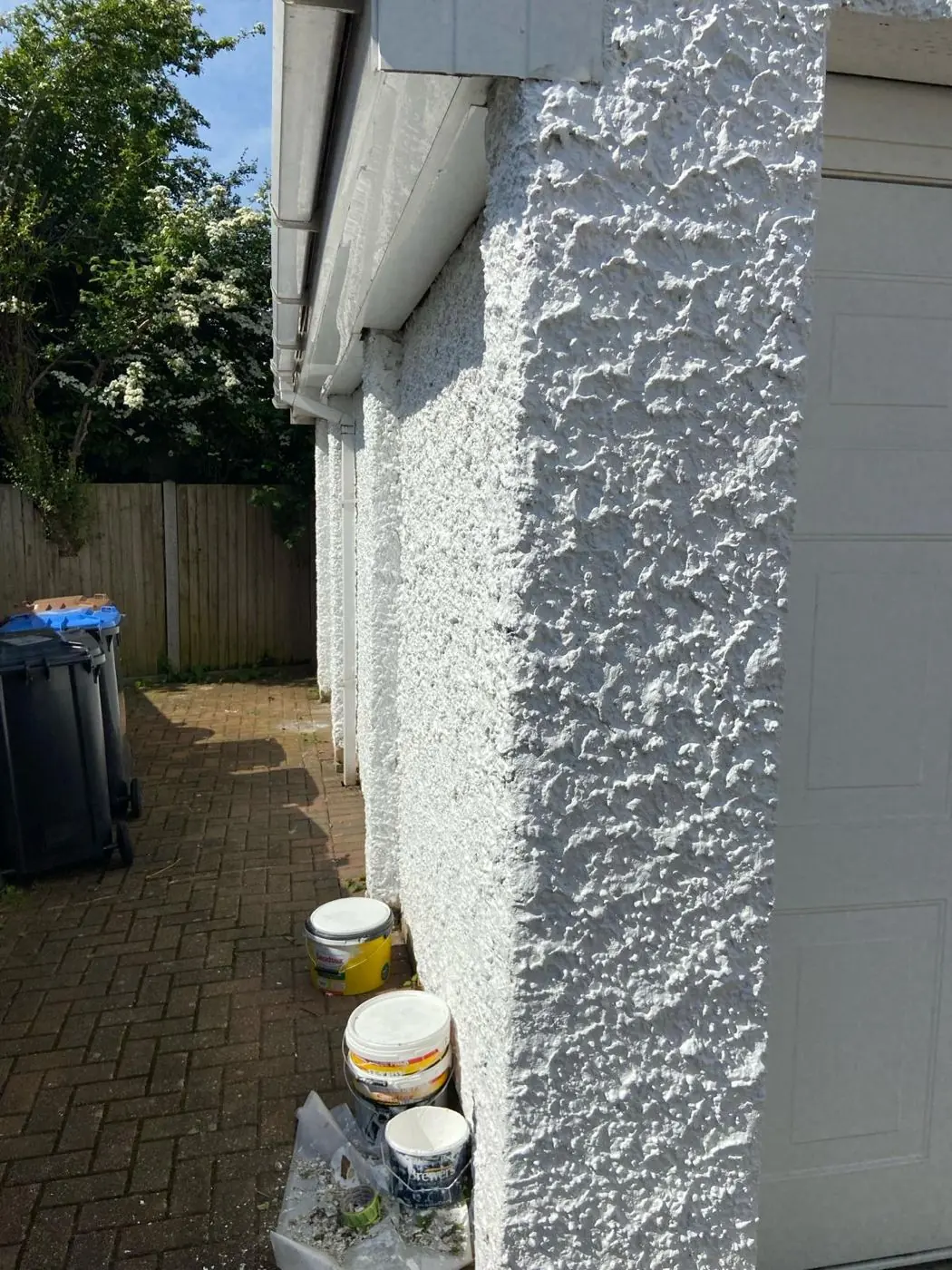
DH Painter & Decorator paints render and masonry in Upton, the NN5 neighbourhood about 2.1 miles west of Northampton town centre. Upton's post-2005 homes are mostly brick and stone with little render, so Dean starts each enquiry by checking what the wall really is and whether it should be painted at all.
Less render than most of Northampton
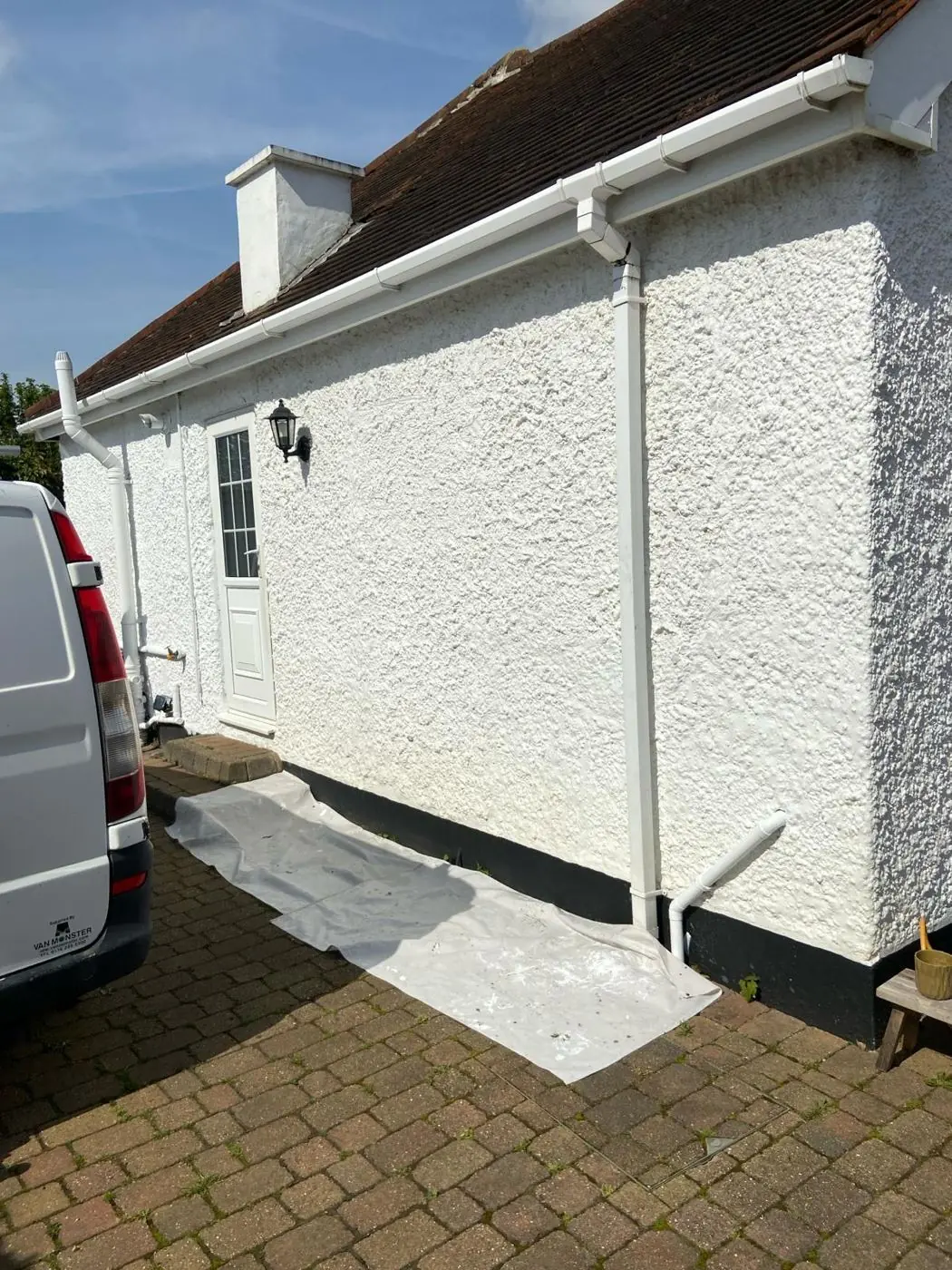
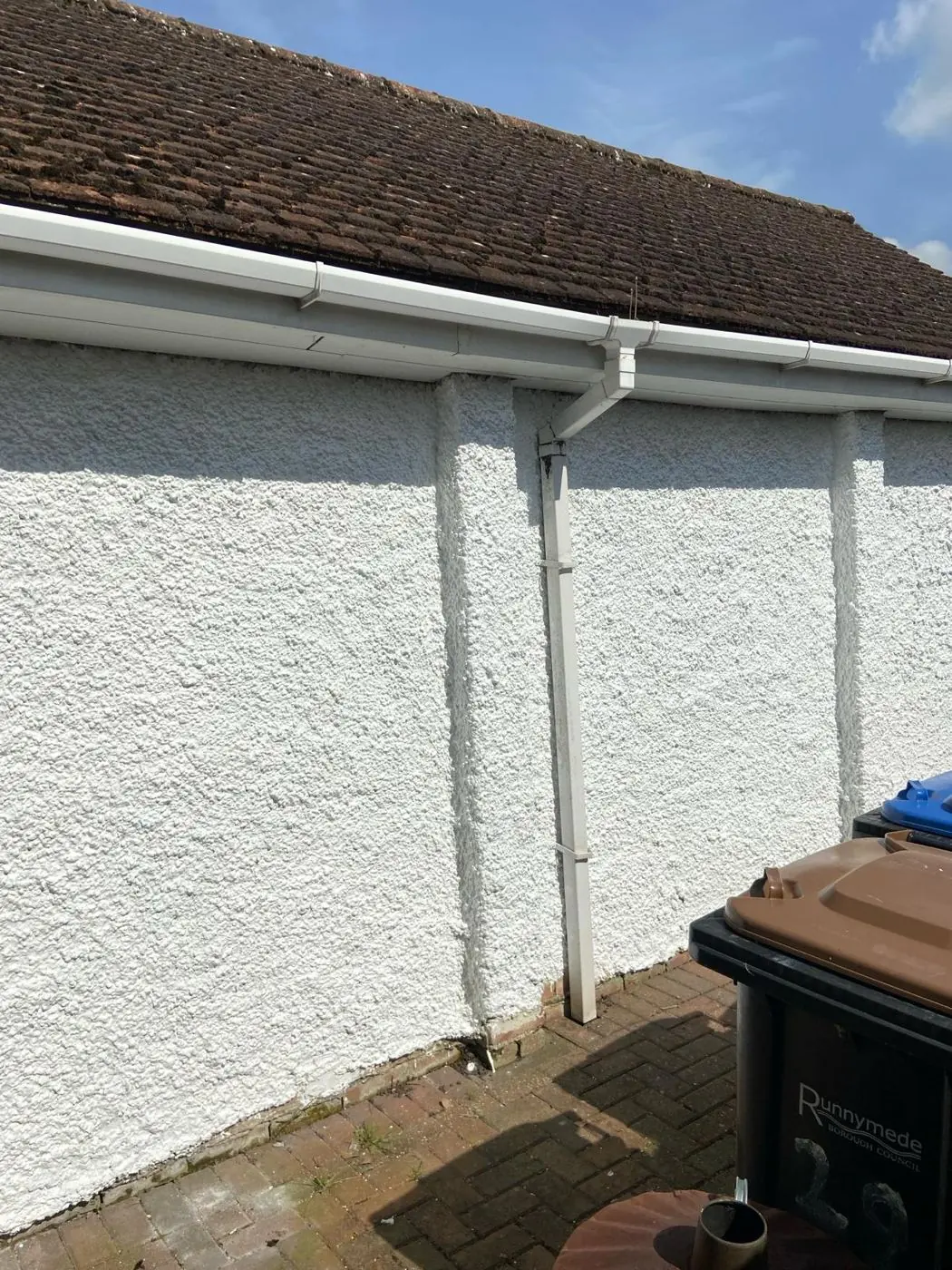
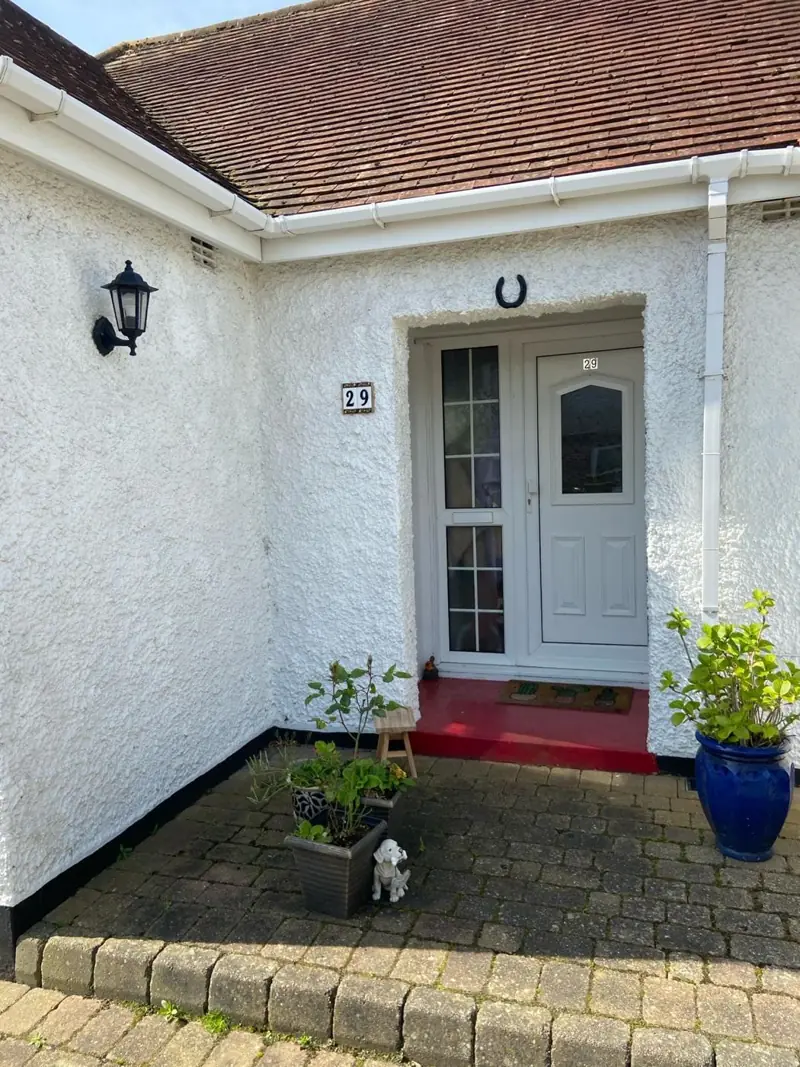
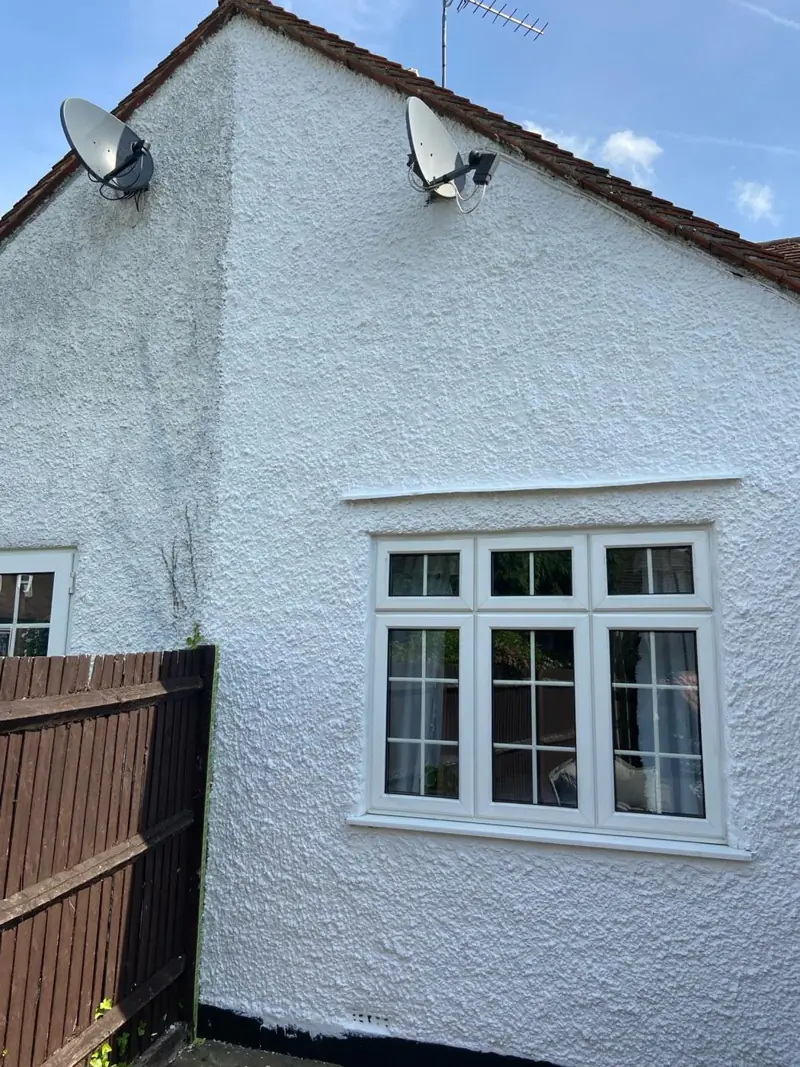
On an interwar estate in Northampton, masonry painting usually means pebbledash or roughcast that has been coated several times already. Upton is a different case. The neighbourhood has been built since 2005 under the Upton Design Code, which drew on local stone and clay, and brick and stone buildings are typical here. Published sources do not record render on most phases. In practice that means fewer whole-house masonry jobs and more targeted ones: a rendered panel or band on one elevation, a painted plinth, a garden wall, or a stretch of terrace where render was used for contrast.
So the first thing Dean does on an Upton enquiry is look. If the wall is painted render or a painted panel, we quote to repaint it. If it is facing brick or stone, our advice is usually to leave it bare.
Why we rarely recommend painting new brick here
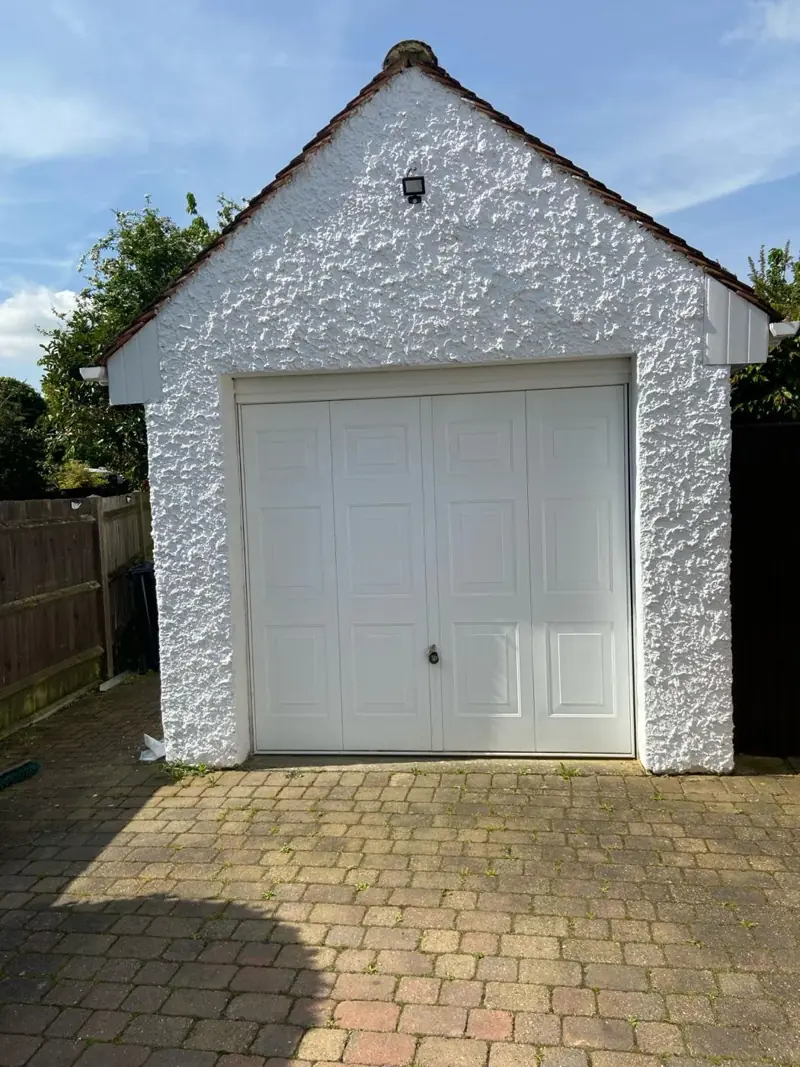
Facing brick on a house of ten to twenty years old is made to weather without a coating. Once painted, it has to be repainted for good, and a film on the wrong kind of brick can hold moisture behind it. There is the street to think about too. The design code kept phases consistent, and the mixed-tenure layout was planned so affordable and private homes match from outside. One painted brick house in a plain brick row will look out of step for as long as the paint lasts. If the brick is stained or green, a careful clean is usually what it needs.
Damp air from the Nene and the swales
Where Upton does have painted render, its main enemy is moisture. The River Nene runs along the southern edge of the old parish, the country park and meadows run down to it, and a network of swales carries storm water through the estate as planted green corridors. Ashby Wood and Marina Wood add shade along some edges. North-facing render near any of these grows algae and green streaks faster than on an open, dry street.
Our process on that kind of wall:
- Brush off loose growth, apply a biocide and leave it to work before rinsing.
- Keep rinse water and wash-off out of gullies and swale channels, which carry storm water through the estate.
- Look for hairline cracks around openings, common on young render as a building settles, and fill them with a flexible exterior filler.
- Finish with a breathable masonry paint that carries a fungicide, so growth is slower to return.
Our guide to painting render and roughcast covers product choice in more depth.
Upton Hall and St Michael’s: specialist territory
The two oldest buildings in the parish are another matter. Upton Hall, now Quinton House School, is Grade I listed and built of red brick with ironstone and stone dressings. St Michael’s Church on Weedon Road, also Grade I, is coursed limestone rubble with limestone and ironstone dressings, looked after by the Churches Conservation Trust. Masonry like this needs listed building consent, and the materials have to let the stone and brick breathe, typically lime-based. It is not a domestic repaint, and whoever is responsible for either building should involve their conservation advisers before anything is specified.
Sun, traffic and height
Painted panels facing south across the country park take strong sun, so we choose colours and masonry paints that hold up to UV. Walls facing the A45 Upton Way or the A4500 carry road grime and are washed before any coat goes on. Three-storey townhouses on narrow mews often mean a tower is the safe way to reach upper panels, and we agree with you and your neighbours where it stands. For the rest of what we cover locally, see painting and decorating in Upton, and for the method in general, our render and masonry painting service.
Last updated by Dean, DH Painter & Decorator.