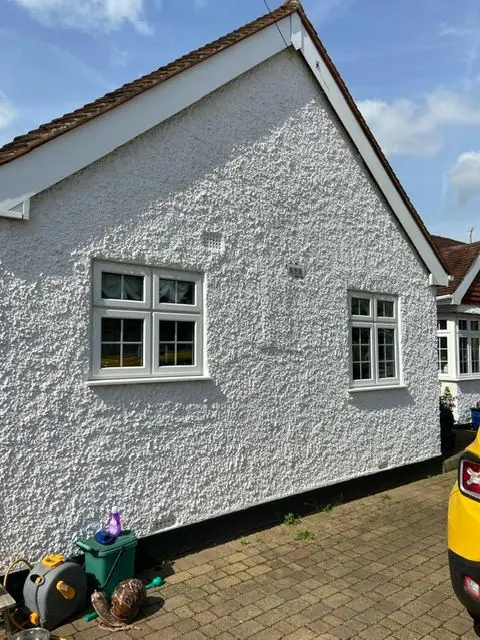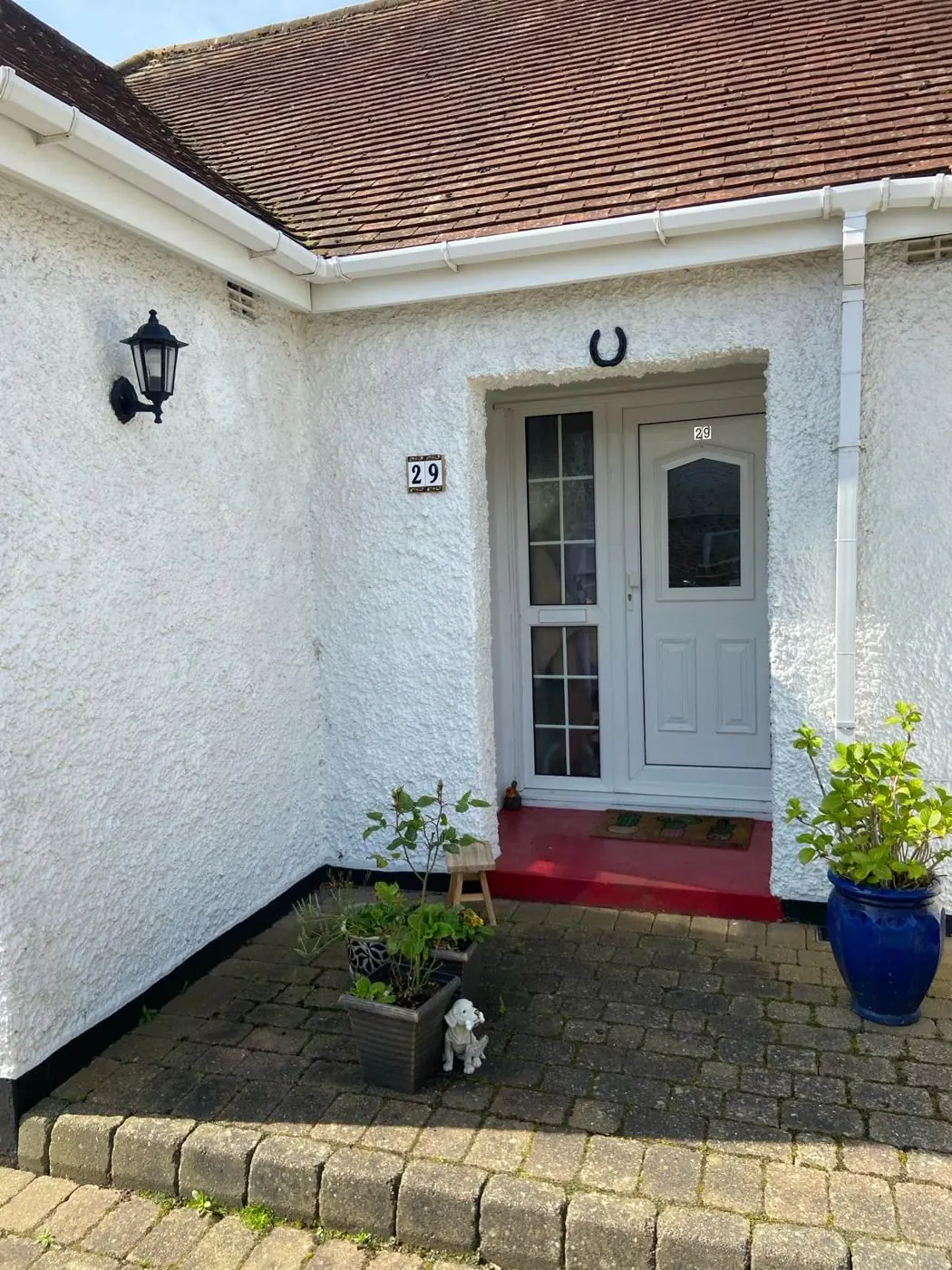
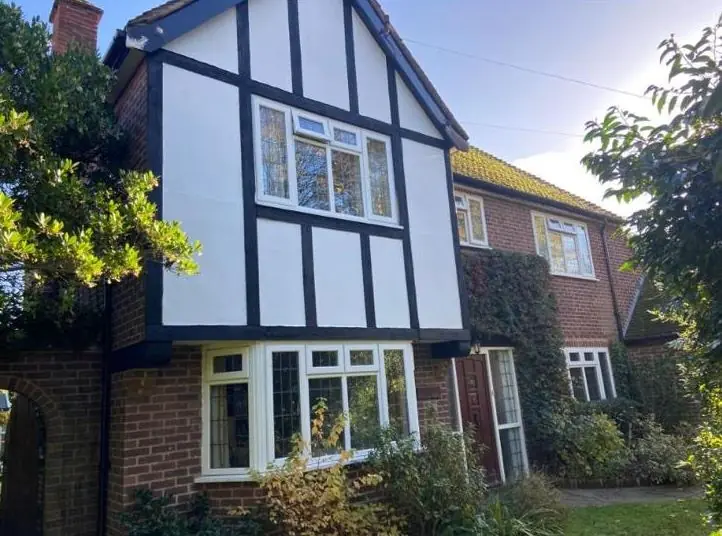
Dean paints rendered walls and panels on homes in St Crispin, the conservation-area neighbourhood on the former St Crispin's Hospital site, about 2.6 miles west of Northampton town centre. On the surviving Victorian buildings, the right advice is often to leave the masonry unpainted.
Most of St Crispin’s masonry should not see a brush
A masonry page for this neighbourhood has to start with what not to paint. The Victorian hospital buildings that survive near the clock tower, reached from Berrywood Road and Berrywood Close, are red brick laid in Flemish bond, picked out with blue, buff and white brick, Bath stone and limestone dressings and terracotta mouldings. That polychrome brickwork is the point of the buildings. Coating it would hide the detail, trap moisture in old soft brick and stone, and sit badly in the St Crispin’s Conservation Area, which has covered the whole former asylum complex since 1996.
The Grade II listed chapel on Upton Berrywood Road is built of rock-faced ironstone in small rectangular blocks. Ironstone is soft and porous. An acrylic masonry paint would seal moisture in and push it out through the face of the stone. Any work on it would need listed building consent and a breathable mineral or lime-compatible product, and it is specialist conservation work rather than a decorating job.
Where render work actually comes up
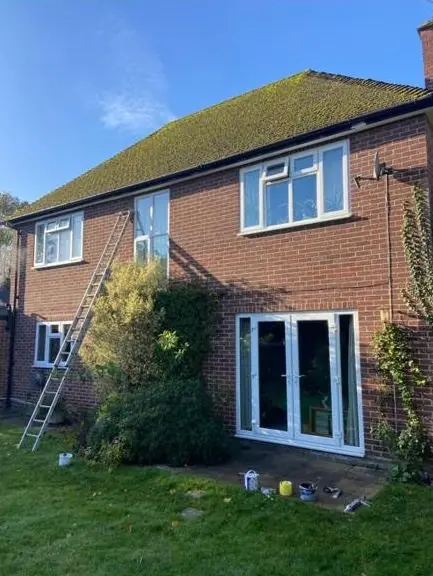
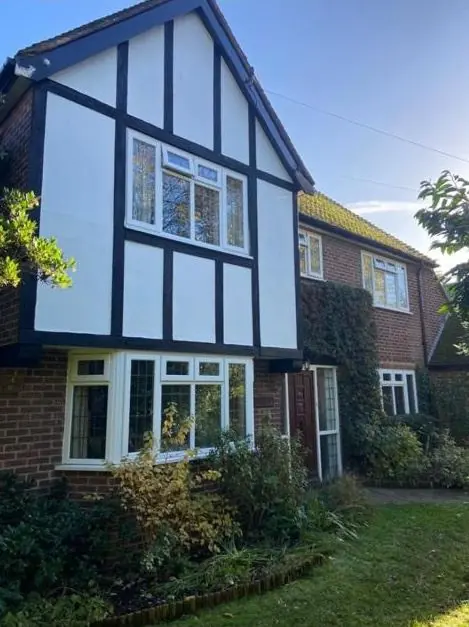
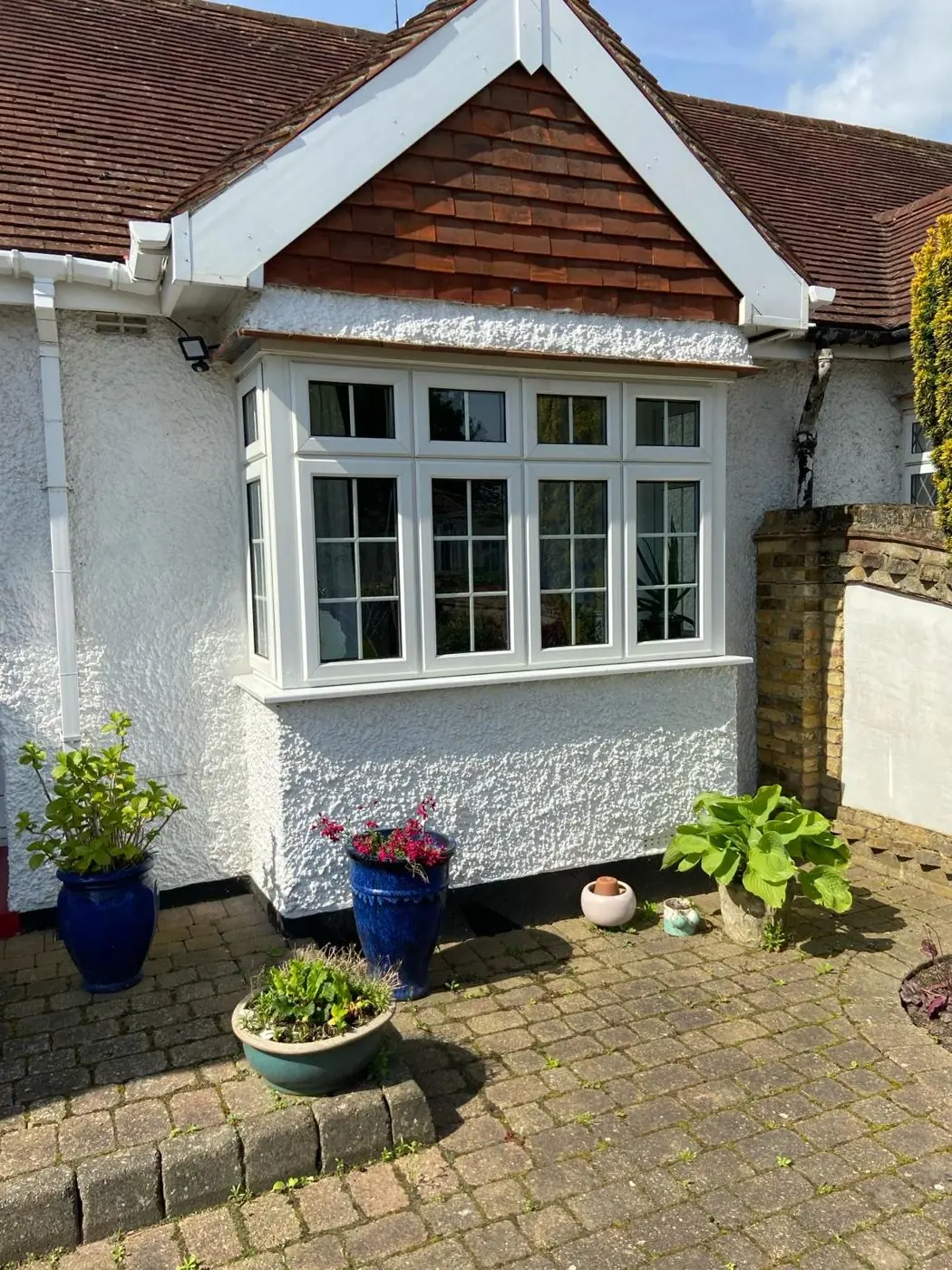
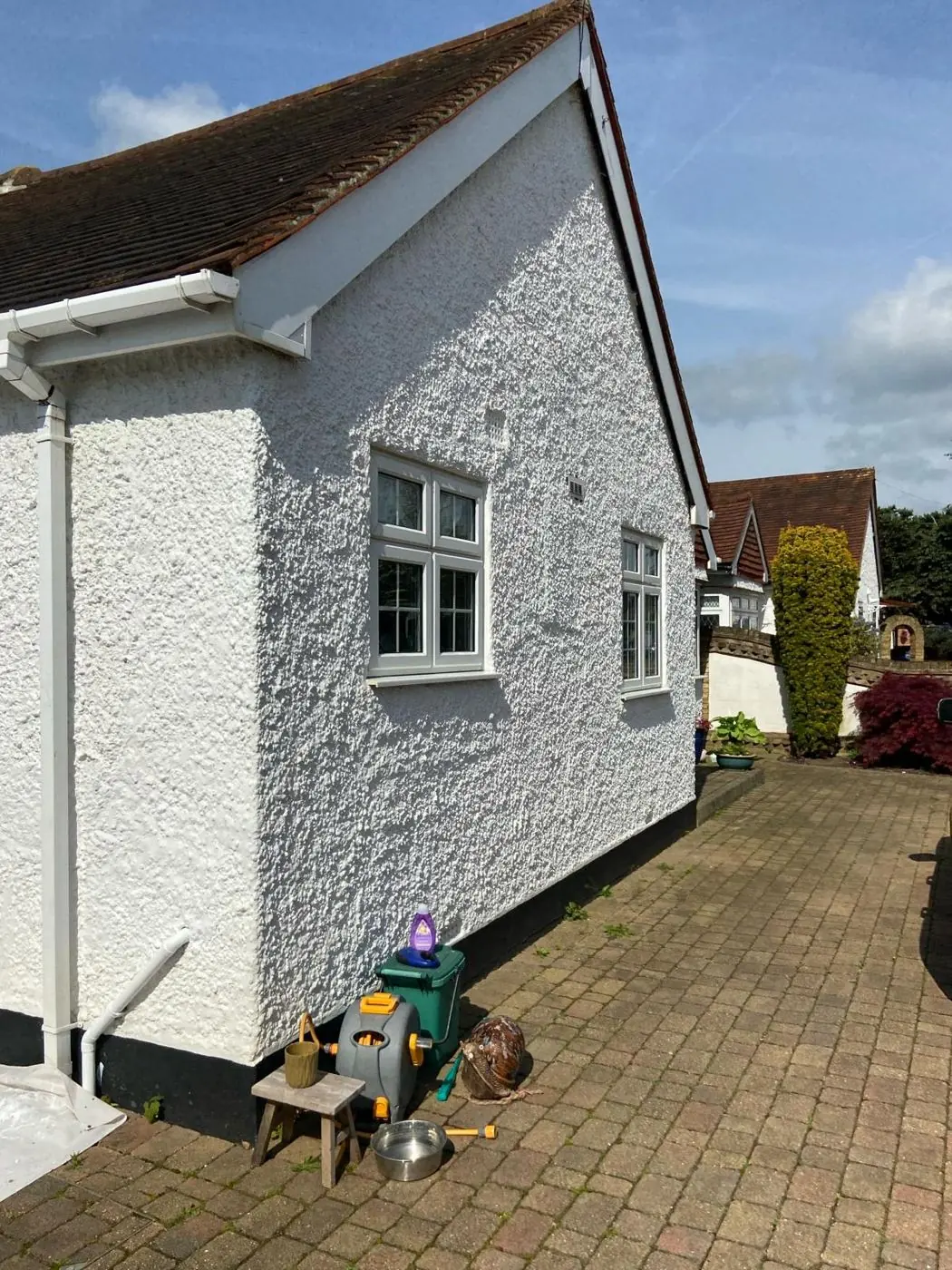
The painting work on masonry here is mainly on the post-1995 estate: rendered or boarded panels on townhouses and apartment blocks across the post-1995 streets. These are modern finishes on modern walls, so a good quality breathable masonry paint suits them. The questions are about condition and location, not about heritage.
- Panels high on a three-storey front need a tower or ladder stand, often set up from a communal parking court, so we confirm access before booking.
- Hairline cracks appear as newer houses settle and dry out. We rake and fill them before painting so they do not show through the new coat.
- Chalky render on west and south faces gets a stabilising primer first, or the new paint will not bond.
Green stains from Berry Wood and the parkland
Berry Wood is a historic woodland directly north of the neighbourhood, and the former hospital grounds keep their mature trees. Render facing north, or sitting under branches, stays damp for longer and turns green or black with algae. Painting straight over that growth is a waste of money because it keeps living under the film and lifts it. We apply a fungicidal wash, leave it to work, brush off the dead growth and let the wall dry fully. Overhanging leaves also block gutters, and an overflowing gutter will stain a fresh render panel within one winter, so we check them at the quote and suggest clearing them first.
Exposure on the hill
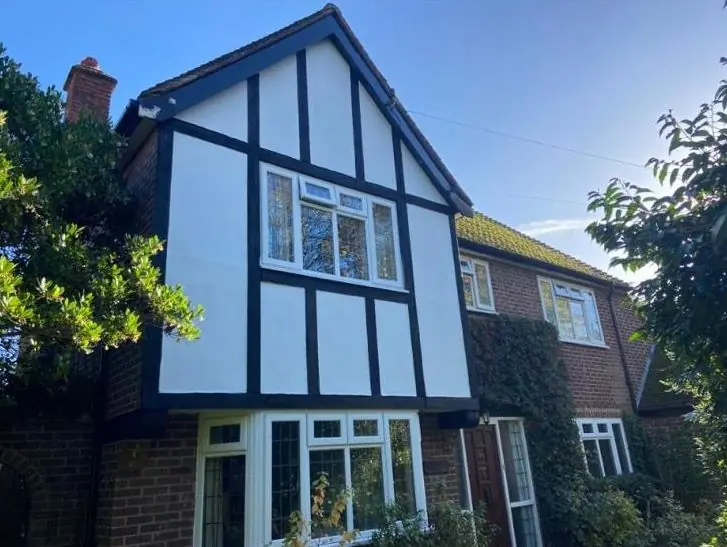
The site is elevated, with views over the Nene valley to the south and west. Render on those sides takes wind-driven rain, which makes surface preparation and dry weather more important than usual. We would rather wait for a settled spell than paint render that has just been soaked. Our guide to painting render and roughcast covers the drying times, and the full method is on our render and masonry painting service page.
If your home is one of the conversions in the old hospital buildings, the flat’s walls are almost certainly part of the historic shell and the freeholder or managing agent controls them. In that case we can still advise, but any exterior masonry decision is theirs and may need consent from West Northamptonshire Council. Upton Parish Council actively encourages sympathetic restoration of historic features on the site. For other work we cover in the neighbourhood, see our St Crispin area page.
Last updated by Dean, DH Painter & Decorator.