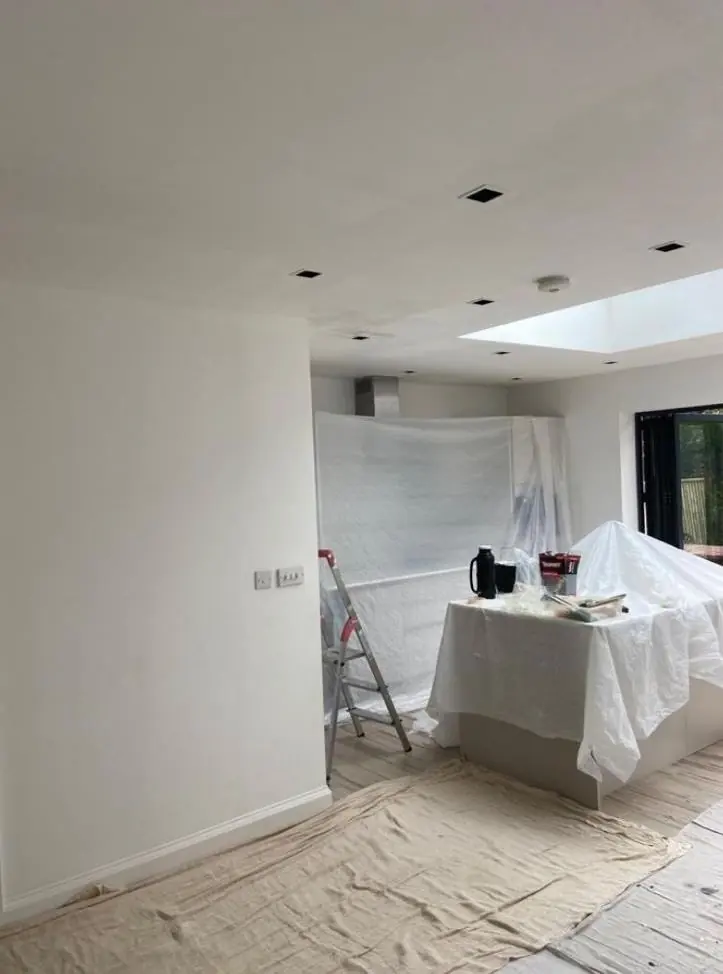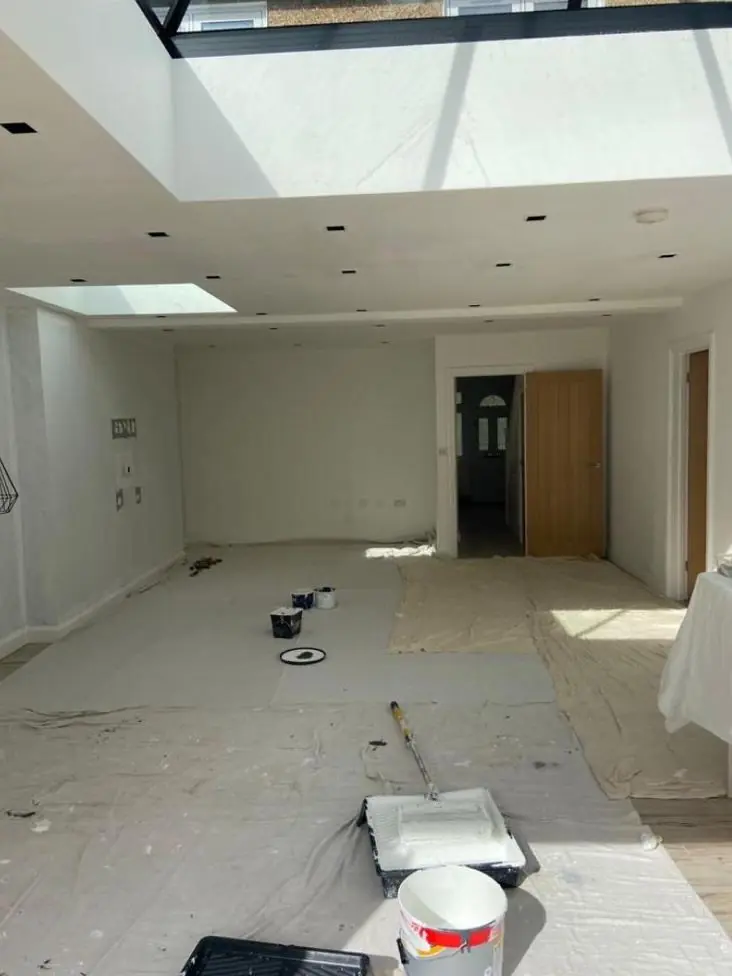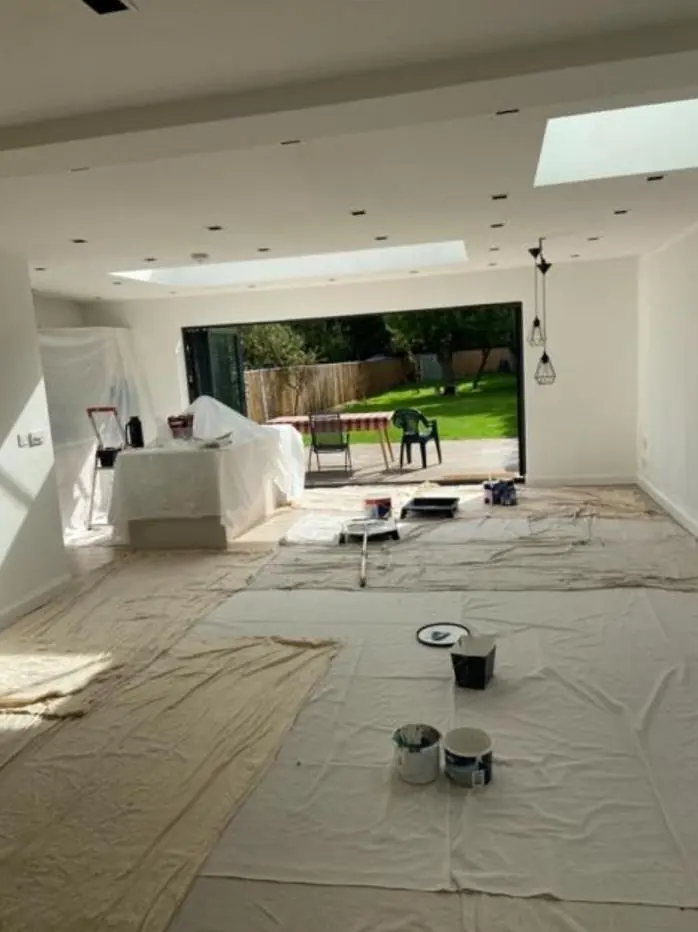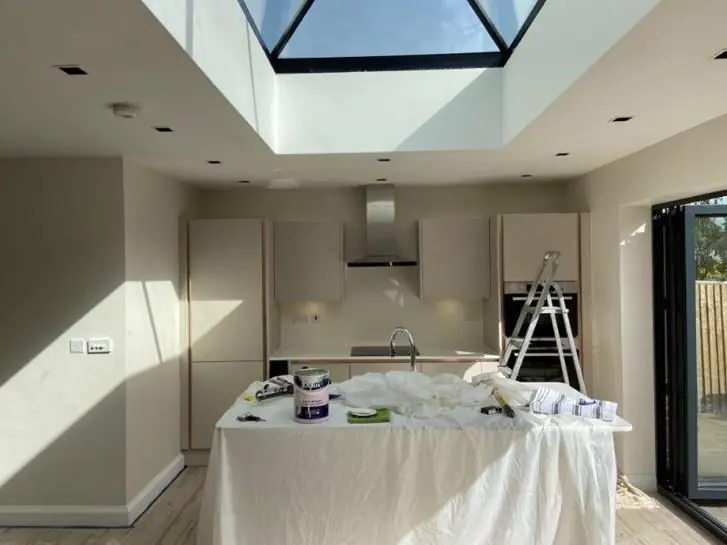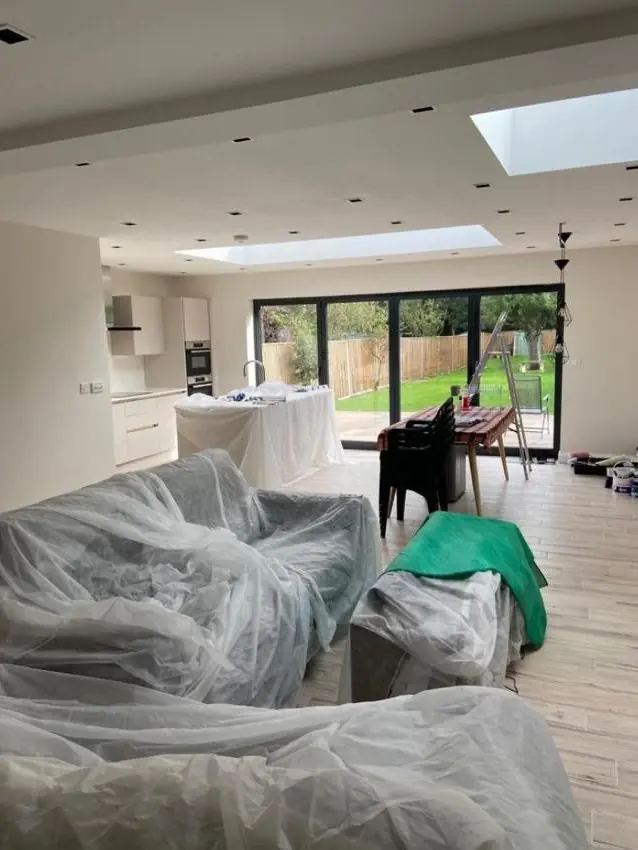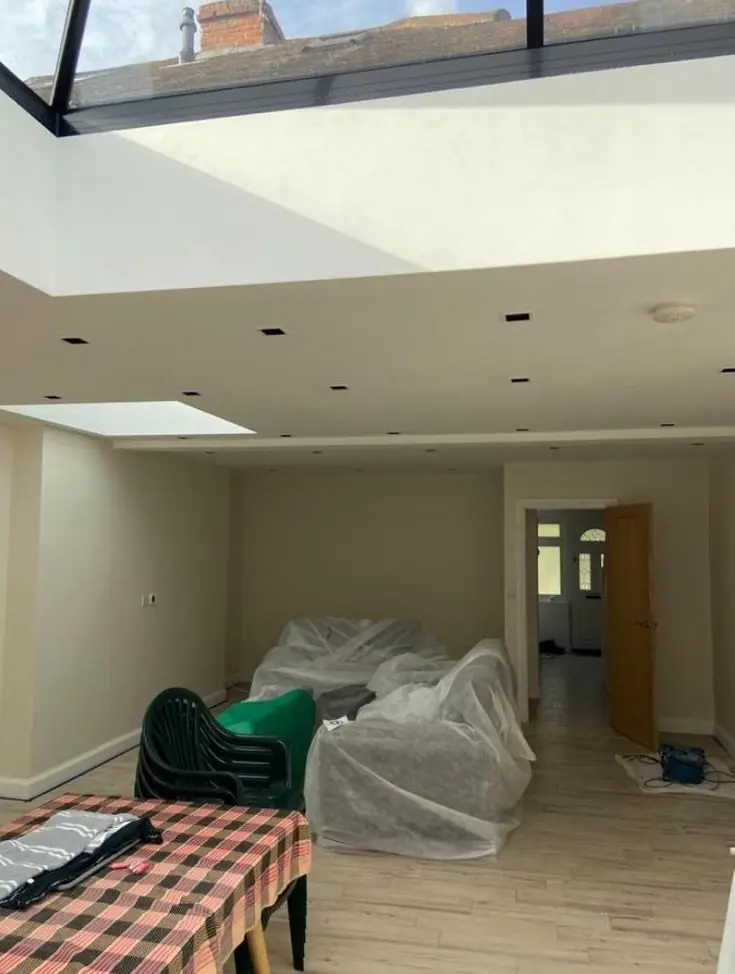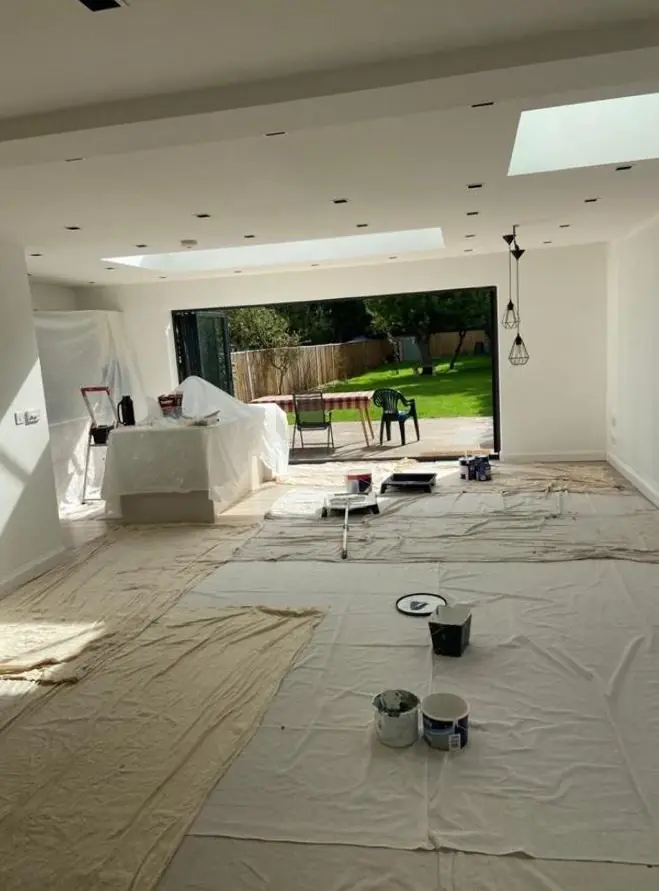
We repaint rental properties in Walgrave for landlords and letting agents, mainly between tenancies. Walgrave is a village about 7.9 miles north-east of Northampton, and Dean plans these jobs as full-day visits with all materials brought in, so empty weeks are kept short.
Letting in a small rural village
We could not find published figures on how many homes in Walgrave are rented, so we will not pretend to know the local lettings market. What we can say is what a rental property here is likely to be: a cottage in the stone core or in one of the late 19th-century shoe-workers’ rows, or a house on one of the 20th-century streets such as Jubilee Drive, Springfield Road or Amber Drive. Each brings its own decorating priorities between tenants.
A rural let also tends to take more wear at ground level. Tenants in a farmland village come in with muddy boots and dogs, and garden and field tracks put grit on hallway walls and skirtings. That points towards scrubbable finishes in halls and kitchens rather than the cheapest contract matt. It is also worth remembering that a tenant in a village eight miles out cannot pop to a shop for touch-up paint, so leaving a labelled tin of each colour at the property saves a call later.
Cottages: character, but more care
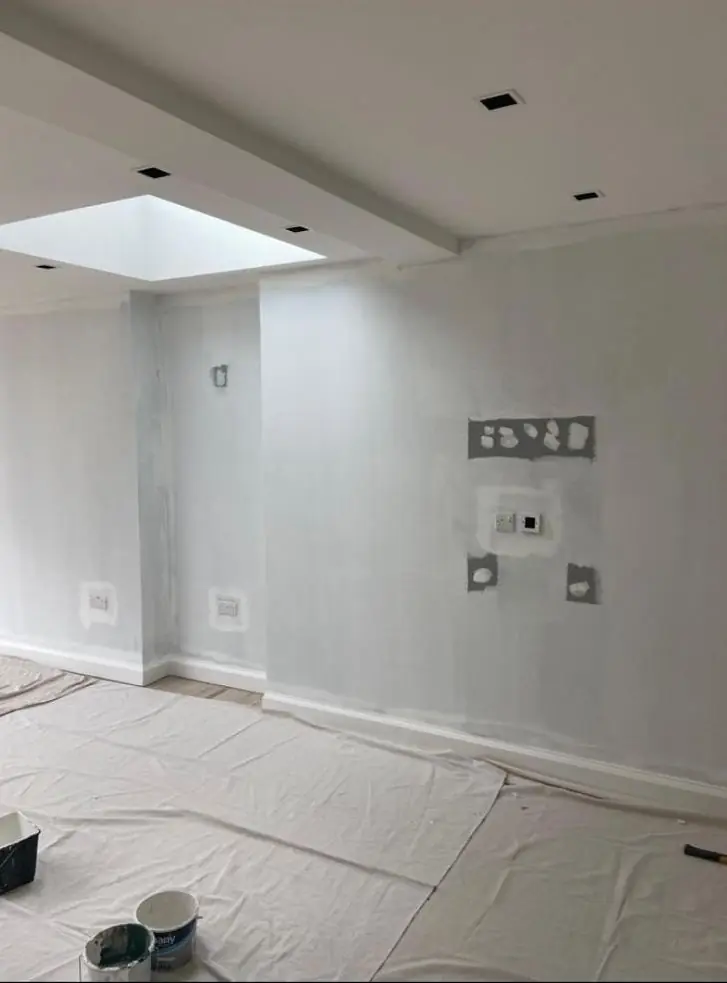
Older Walgrave cottages are attractive to tenants but less forgiving to decorate. Walls are often uneven, plaster may be lime rather than gypsum, and the joinery has many layers of old paint, some of which may contain lead. For a landlord, that changes a few decisions:
- On lime plaster, a breathable paint avoids the blistering that a cheap vinyl emulsion causes, which would otherwise show up as a deposit dispute a year later.
- Old gloss on doors and skirtings is prepared by wet abrading, not dry sanding, which matters with tenants moving in soon after.
- Standard magnolia on crooked walls highlights every bump. A soft off-white in a flatter sheen hides more and is easy to touch up.
If the property is one of the 18 listed entries in the parish, keep repainting like for like. Changing colours or finishes on a listed building can need consent, and that is the landlord’s responsibility rather than the tenant’s.
Estate houses: quick, consistent turnarounds
Houses on Amber Drive and in the 1970s to 1990s closes such as Walker’s Acre and Church View are usually simpler to turn round, typically with gypsum plaster and softwood or MDF joinery. Here a between-tenancy job is about speed and consistency. Keeping one neutral wall colour and one woodwork colour across the house means future touch-ups match, and we can note the exact paints on the invoice so the next repaint is straightforward.
Turnaround eight miles from town
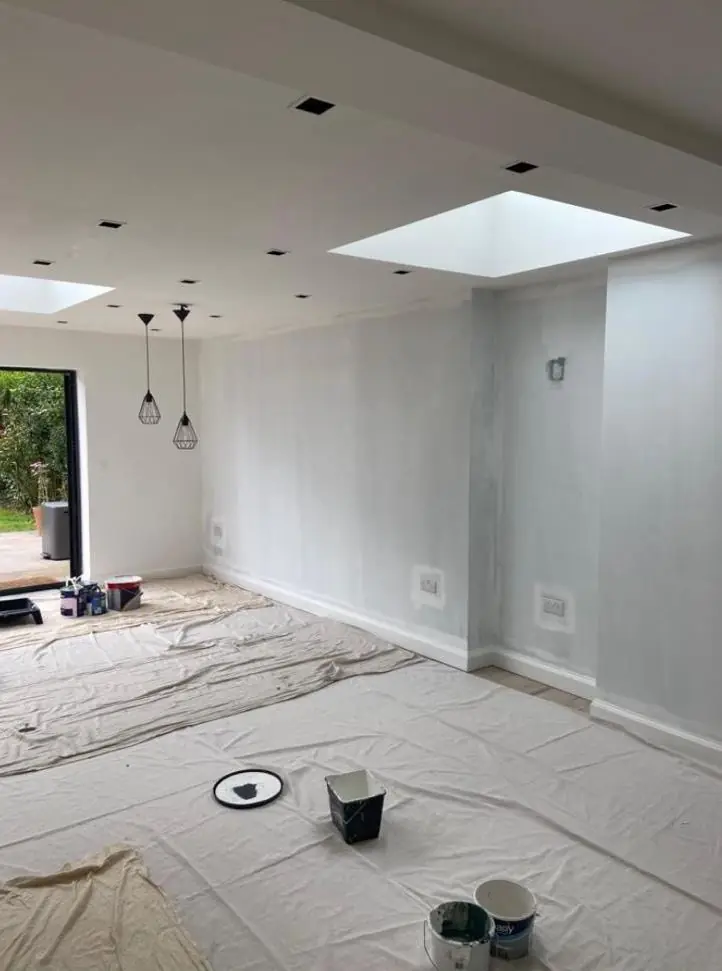
Walgrave has no trade supplier, so a missing tin cannot be fetched in ten minutes. We survey before the tenant leaves where possible, agree which rooms need full coats and which need only touching up, and arrive with everything for the whole job. Working full days rather than odd hours shortens the empty period between tenancies.
| Before the check-out | On the job | At handover |
|---|---|---|
| Agent or landlord sends photos or arranges access for a survey | Filling, washing down, walls, ceilings and woodwork room by room | Rooms left clean with a list of colours and paints used |
Letting agents can arrange key collection and access directly with us. More on how we work with rentals is on our main landlord and letting agent decorating page, the factors that affect price are in our cost guide, and the Walgrave area page covers our other work in the village.
Last updated by Dean, DH Painter & Decorator.