DH Painter & Decorator hangs wallpaper in West Hunsbury (NN4), roughly two miles out of Northampton town centre towards the M1. Dean prepares and seals the modern plasterboard walls these 1970s to 2000s houses were built with, then hangs feature walls, full rooms and lining paper with matched patterns.
Why plasterboard comes first
Almost every house in West Hunsbury dates from 1970 or later, and many from the 1980s and 1990s. Internal walls from that period are usually plasterboard, either dry-lined or skimmed, rather than solid lime plaster. That changes how we hang paper. Bare or thinly painted plasterboard soaks paste unevenly and, worse, bonds so tightly to the paper’s backing that the next person to strip it tears the board’s paper face off with it.
So before any roll is cut, we size the wall or apply a wallpaper primer. That does two jobs: it gives the paste even slip so the pattern can be slid into line, and it means the paper can come off cleanly years later without the wall having to be patched. Where the previous owner has already stripped paper and left the board scuffed and furry, we seal it with a stabilising primer and fill the torn areas before going any further.
The rooms people choose to paper here
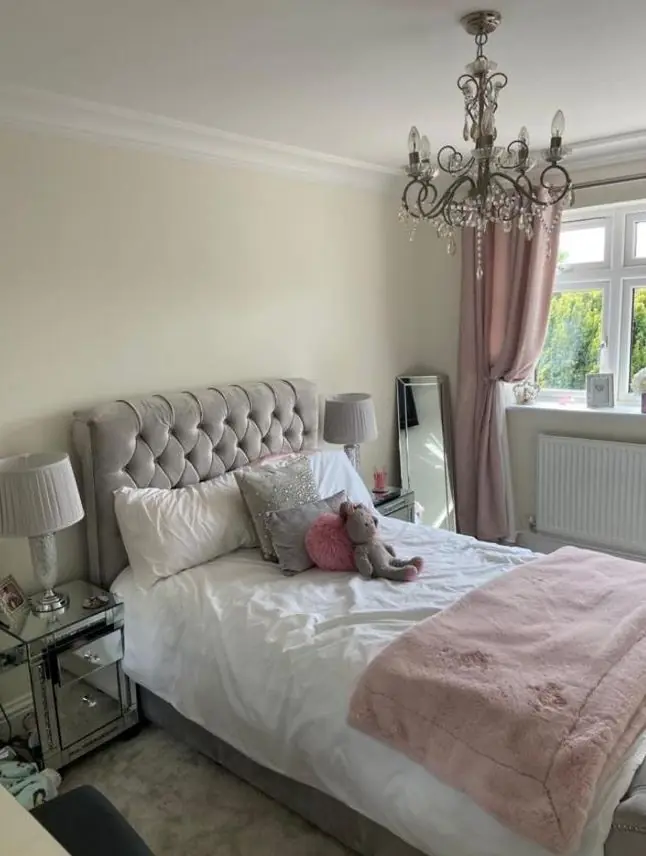
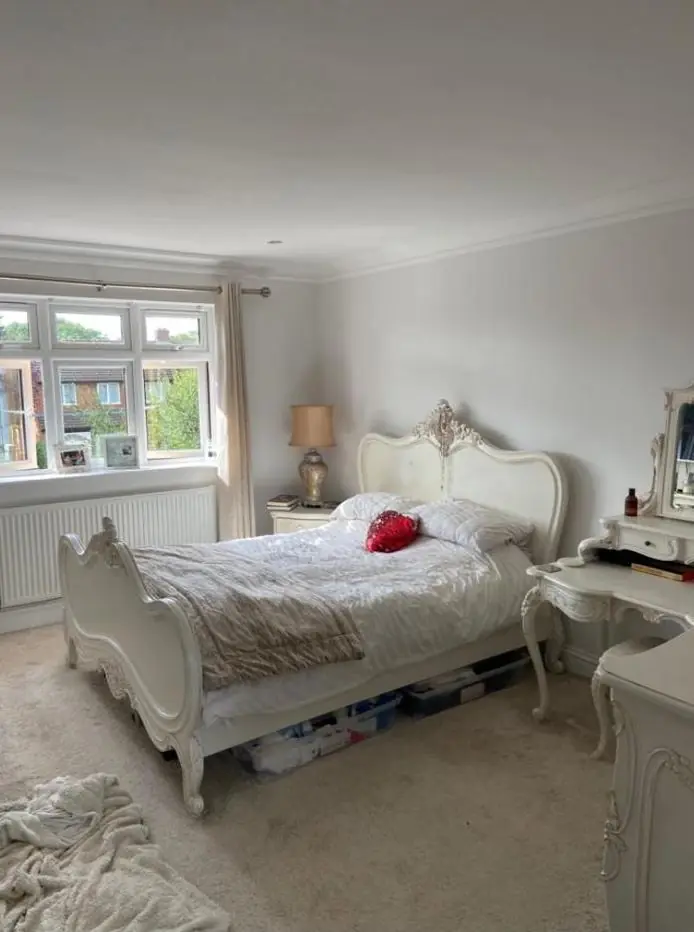
In a large detached family house, paper is rarely spread across every room. The likely jobs are a single feature wall in a long lounge, the wall behind the bed in a principal bedroom, or a full dining room in an extended house where it has become a room of its own. Each one asks for something different:
| Room | What usually matters |
|---|---|
| Long lounge feature wall | Centring the pattern on the chimney breast or TV wall so it reads symmetrically from the sofa |
| Principal bedroom | Starting the drop behind the bed so any part-width piece falls in a corner you don’t see |
| Dining room in an extension | Allowing extra drying time on newer plaster and checking the wall is truly flat before heavy or flocked papers go up |
| Annex or garden room | Choosing a washable, breathable paper where the room is used daily and heated irregularly |
Damp corners and wooded plots
Houses that back onto the country park, or sit on low ground towards Wootton Brook and Ladybridge Park, can have rooms that stay cool and slightly damp, especially on a north wall shaded by trees. Paper on a cold external wall is where mould shows first, as grey speckling at the seams or along the skirting. We check those walls with a moisture meter, recommend a paste with a fungicide in it, and steer away from vinyls with impermeable faces on walls that need to breathe. If a wall is too cold or damp to hold paper well, Dean will say so and suggest paint for that wall instead.
Before you order the rolls
It’s worth having Dean measure the room before you buy. Pattern repeats on large designer papers can add a whole roll or more to a long lounge, and ordering everything from the same batch number avoids a slight colour shift halfway along the wall. Light matters too: a wall facing a big window or the glazed doors of an extension shows every seam and paste mark, so we hang towards the light and wipe each seam as we go. He will also check whether an existing feature wall has been painted over old paper, which is common in houses that have changed hands a few times, because that layer has to come off before new paper can go on.
Most West Hunsbury houses have a driveway, which gives room for the van and the pasting table. The full stripping, lining and hanging process is explained on our wallpaper hanging in Northampton page. For other decorating in the area, see the West Hunsbury page.
Last updated by Dean, DH Painter & Decorator.