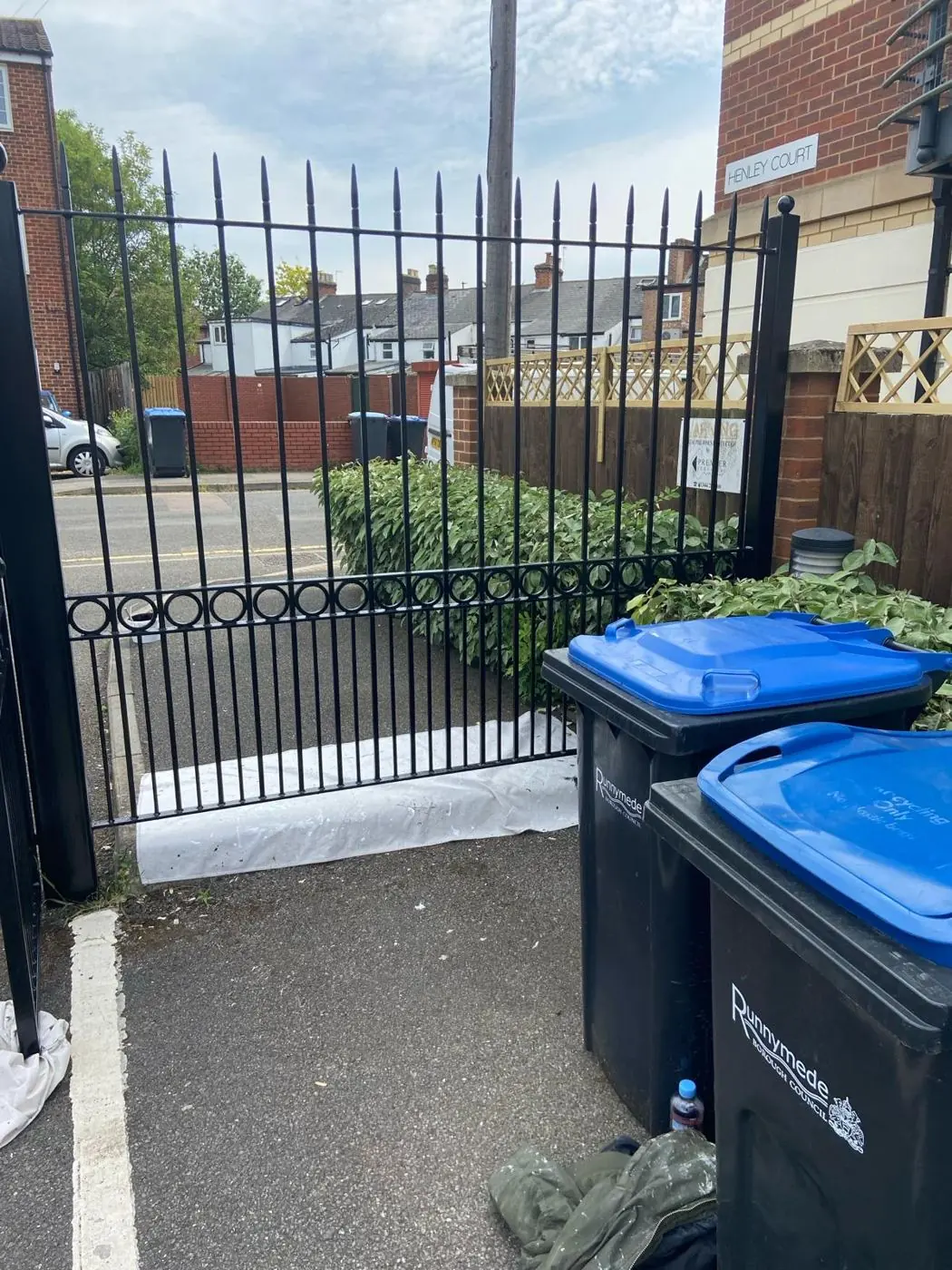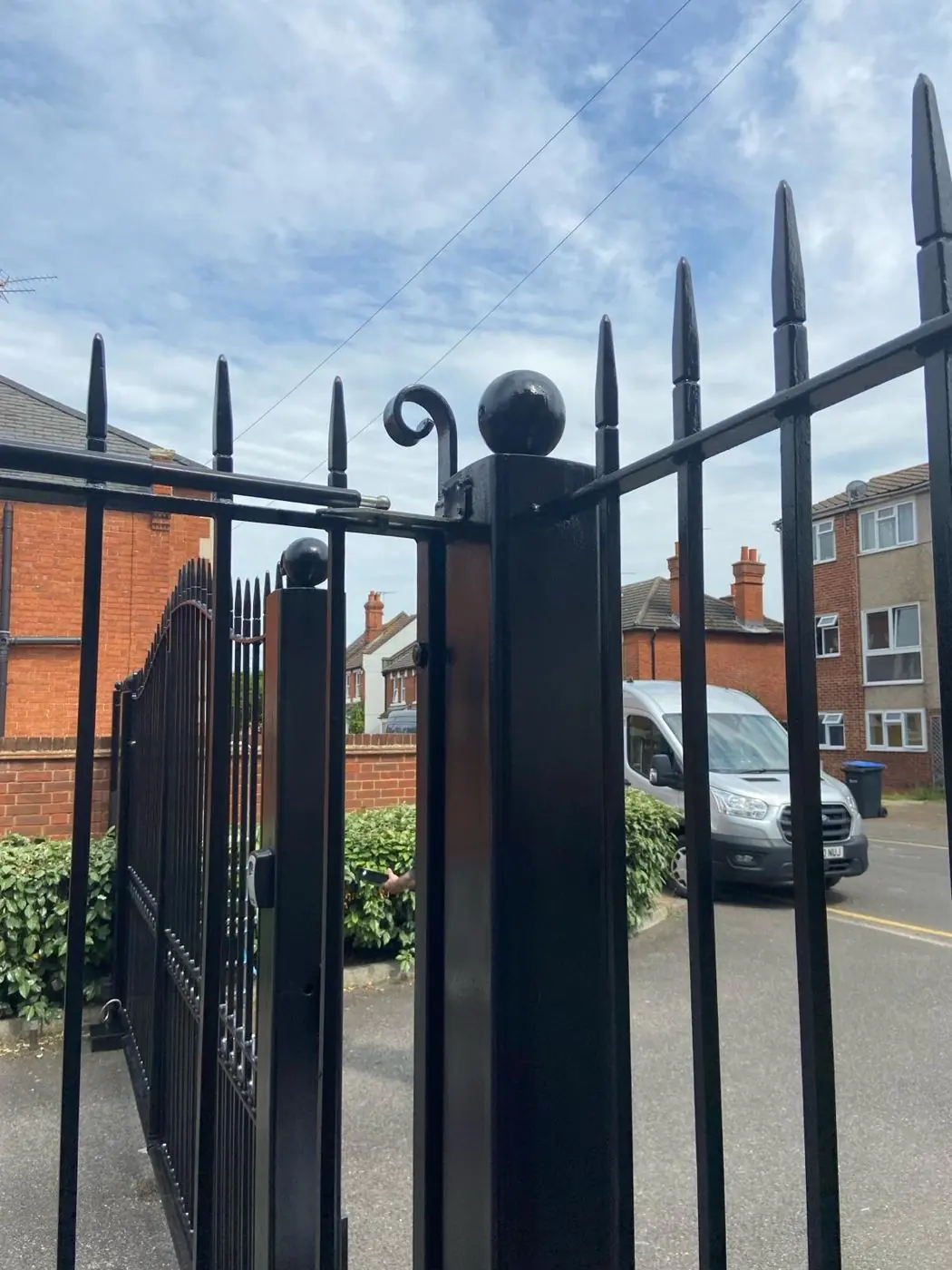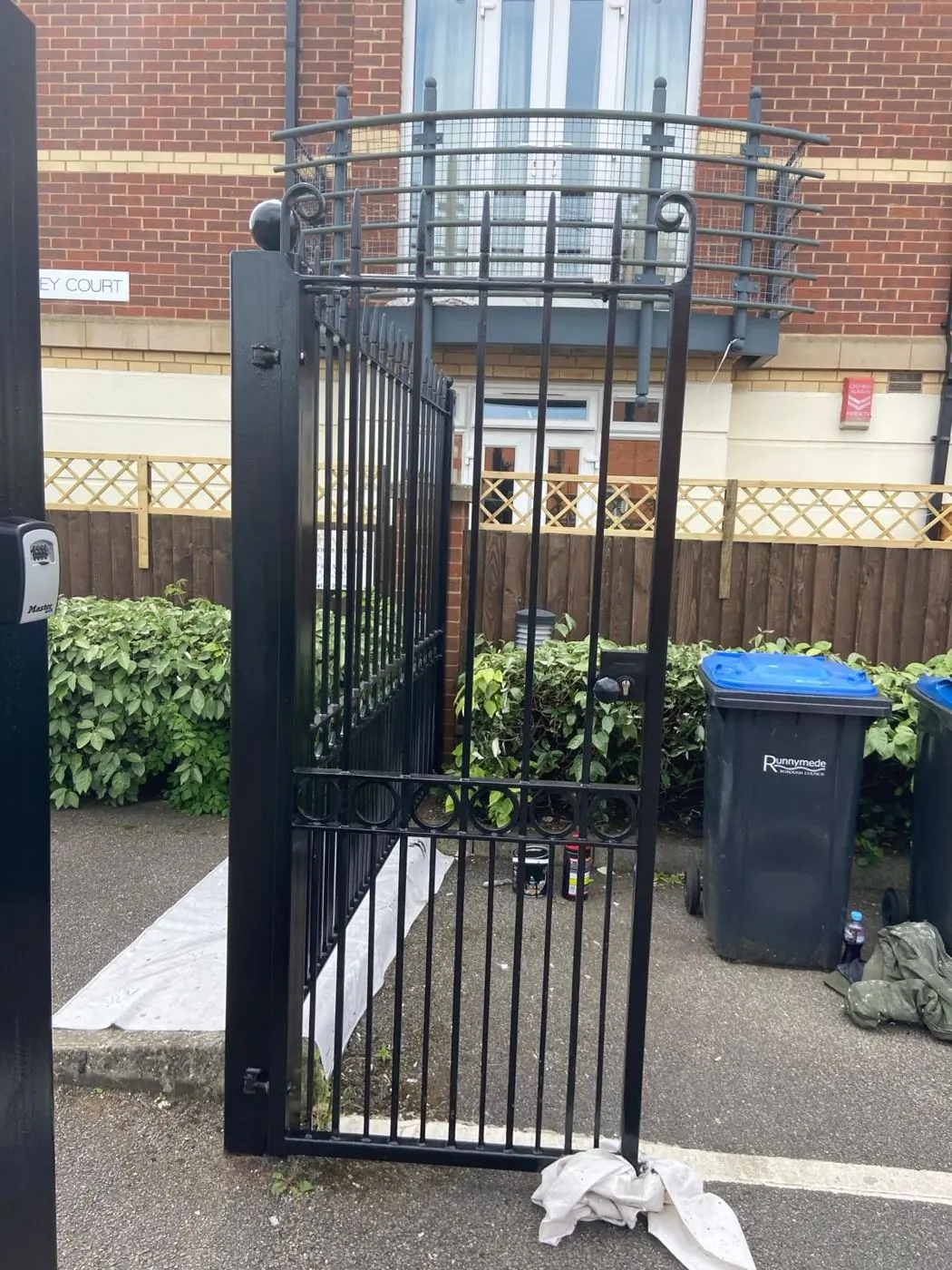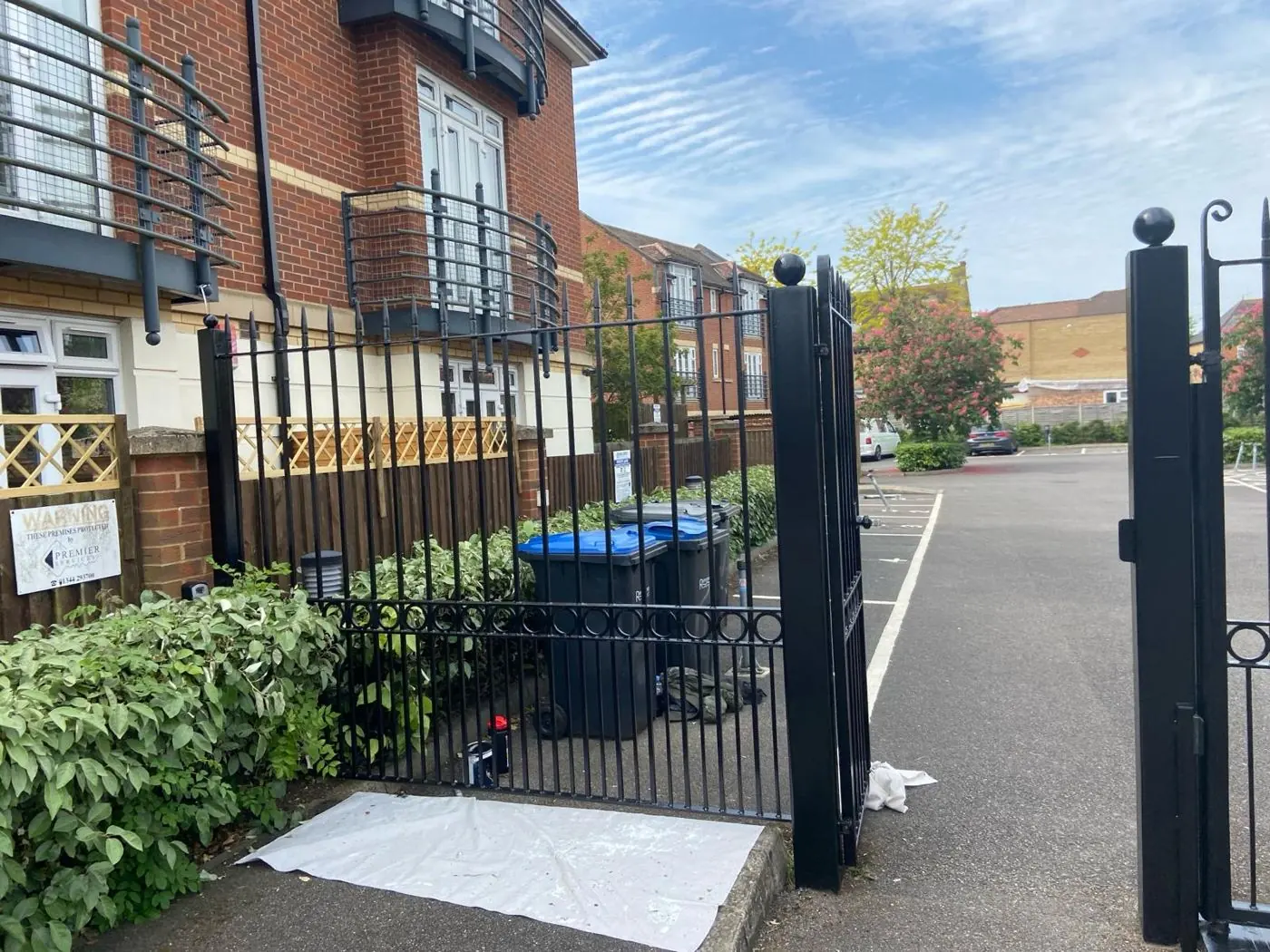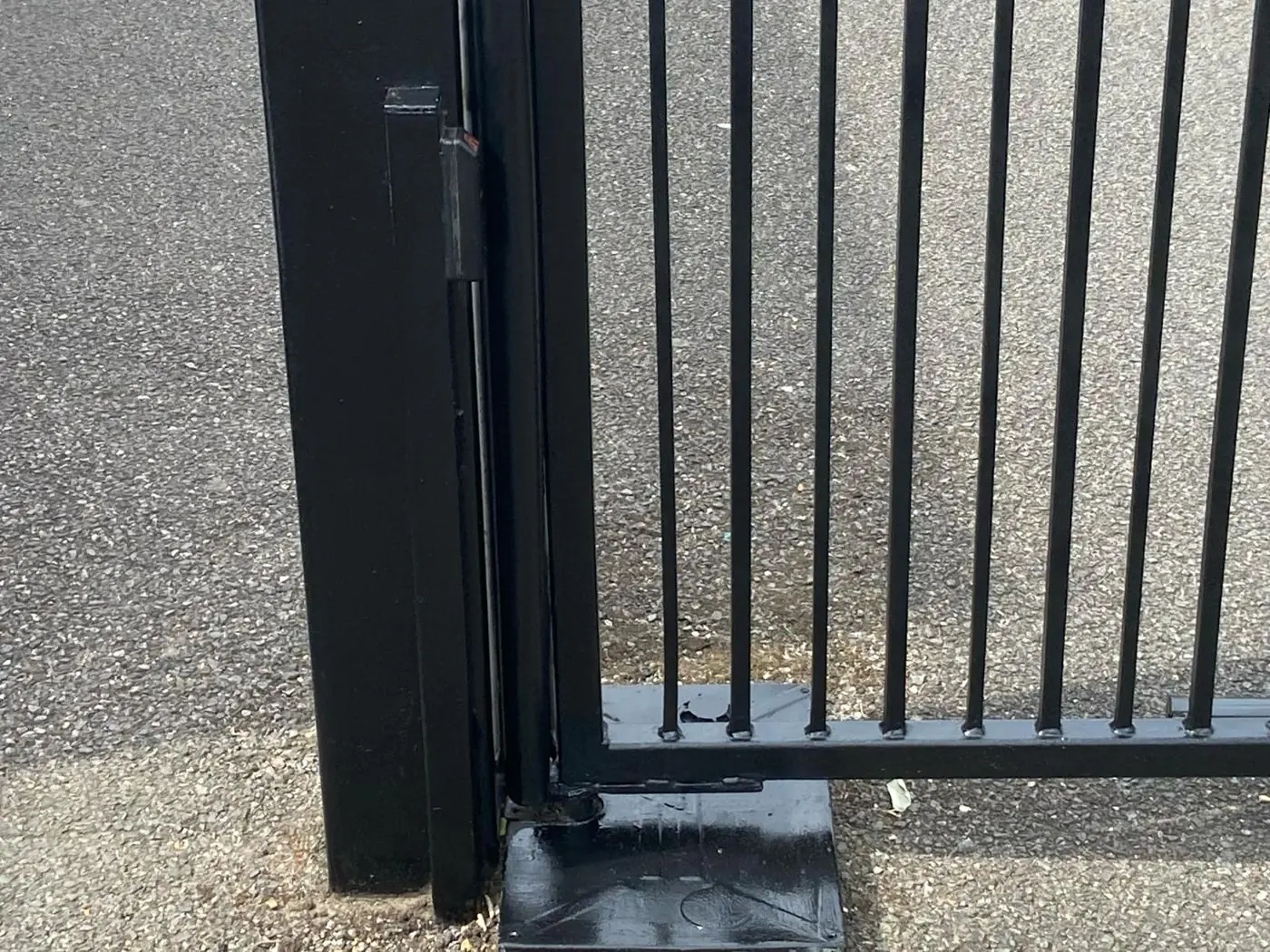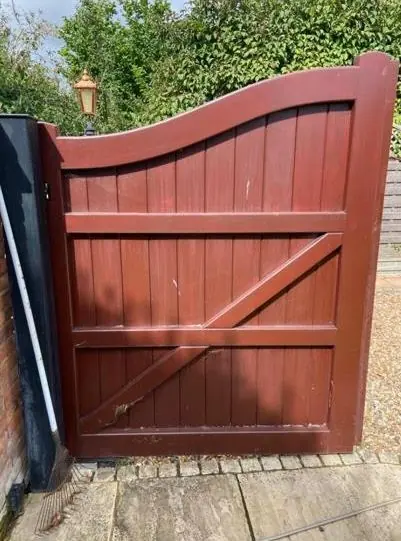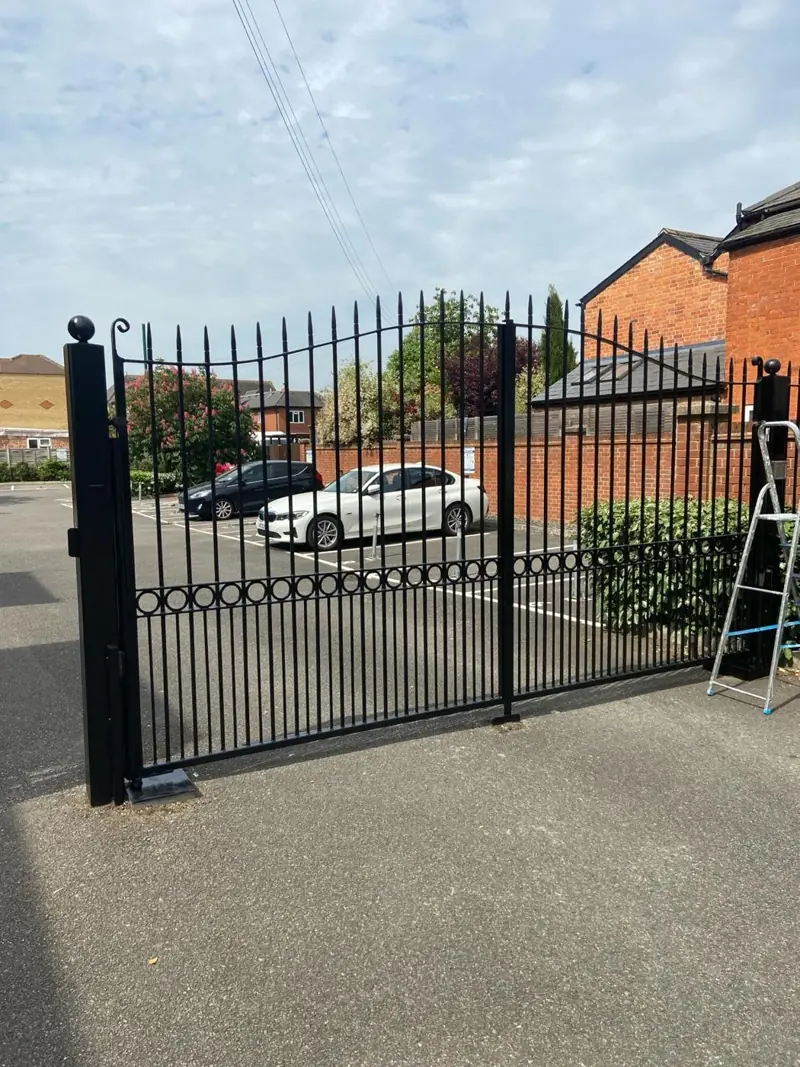
DH Painter & Decorator stains and treats timber fences and gates in West Hunsbury, NN4, the parkland estate 2.1 miles from Northampton town centre towards M1 junction 15A. Large and corner plots there mean long fence runs, so Dean measures each boundary and picks a stain to suit its shade and damp.
Big plots mean long boundaries
Fence staining is often treated as a small add-on, but in West Hunsbury it can be a job in its own right. The estate was laid out with generous gardens on many of its detached plots. One house on Reedhill sits on around a third of an acre, with views across the Swan Valley, and Aviemore Gardens appears in listings among the larger or corner plots, where fencing can run along a street side as well as the rear. Add a side gate, a timber bin store and a garage-side panel or two, and the total length of timber soon adds up.
We measure every run rather than guessing from the front. Then we split the quote by boundary, so you can see what the rear fence, the side return and the gates each involve. If you want to spread the cost, the most weathered sides can go first.
Boundaries that back onto parkland
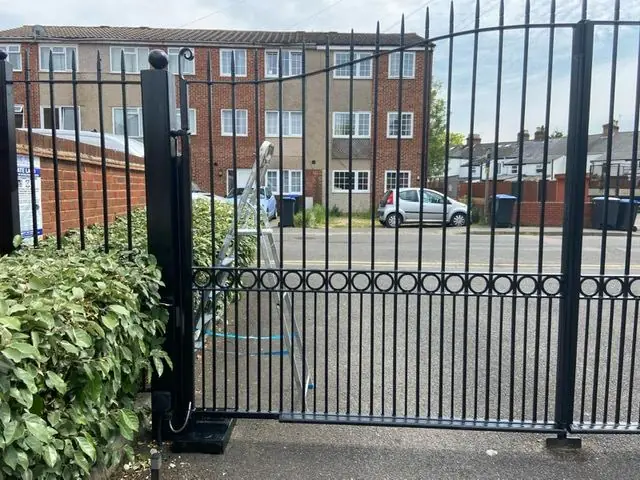
West Hunsbury has a lot of green space: Hunsbury Hill Country Park, Ladybridge Park, Wootton Brook Park and smaller open areas between the cul-de-sacs. Gardens that back onto them get shade, overhanging branches and leaf fall. Fences on those boundaries stay damp for longer and tend to grow green algae and black mould near the base and on the side facing away from the sun.
Stain will not hold on live growth, so these fences get a biocide wash first. The treatment is left to work, the dead growth is brushed off, and the timber is allowed to dry before anything goes on. For shaded boundaries we choose a stain with a mould inhibitor. Where you can reach it, cutting back the overhanging growth also helps the finish last.
The damp strip by Wootton Brook
Wootton Brook runs along the southern edge of the estate through Ladybridge Park, and there is an Environment Agency flood warning area for the brook. Low-lying gardens towards the brook stay wet for longer after rain, and the bottom rail and lower boards of a fence take most of that. On these plots we:
- stain the bottom edges and gravel boards first, while access is clear
- use a breathable, water-repellent product that lets moisture out instead of sealing it in
- wait for a longer dry spell, because damp timber will not take stain evenly
- leave longer between coats than we would on an exposed, sunny fence
Picking a shade that sits with the trees
On a street of 1980s and 1990s houses with a wooded country park behind, very bright fence colours can look out of place. Mid-browns, deep greens or soft greys tend to recede against the trees. If you are matching an existing stain, bring us the tin or a photo of the label, because brands vary a lot in colour. Our main fence and gate staining service explains the difference between oil-based and water-based stains, and our guide to exterior painting weather covers the weather we need.
Gates and access on the estate
Side gates on detached houses often take more knocks and more rain than the fence beside them, so we check the hinges, latch and bottom rail before staining. Because most plots have a driveway, we can usually park close to the boundary without blocking a cul-de-sac. See the West Hunsbury area page for other exterior work we do on the estate.
Last updated by Dean, DH Painter & Decorator.