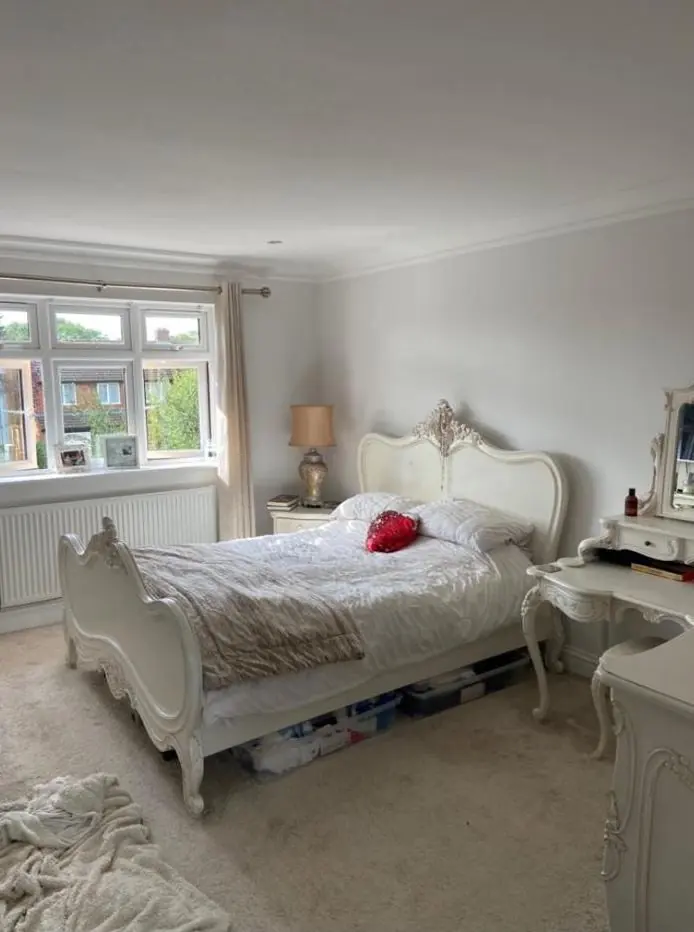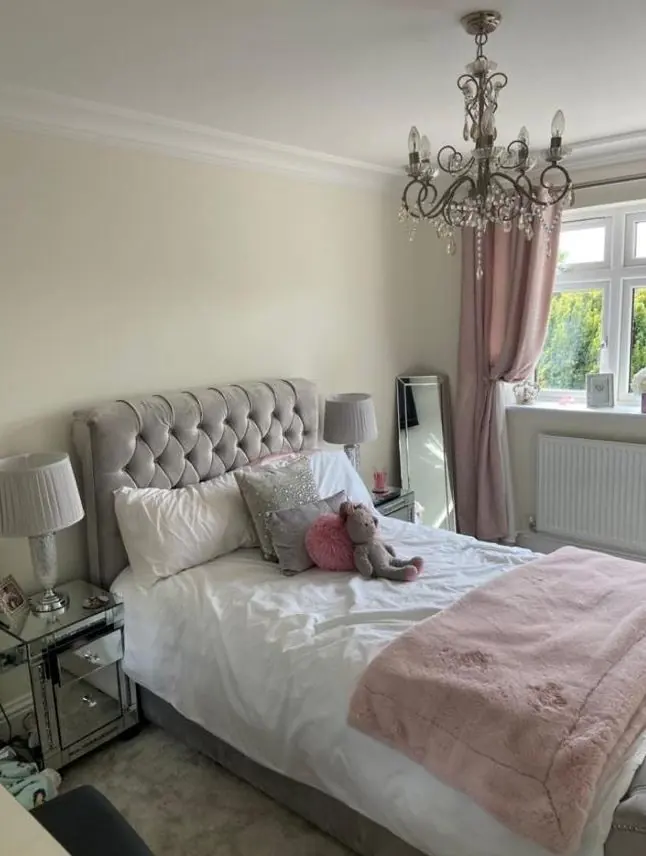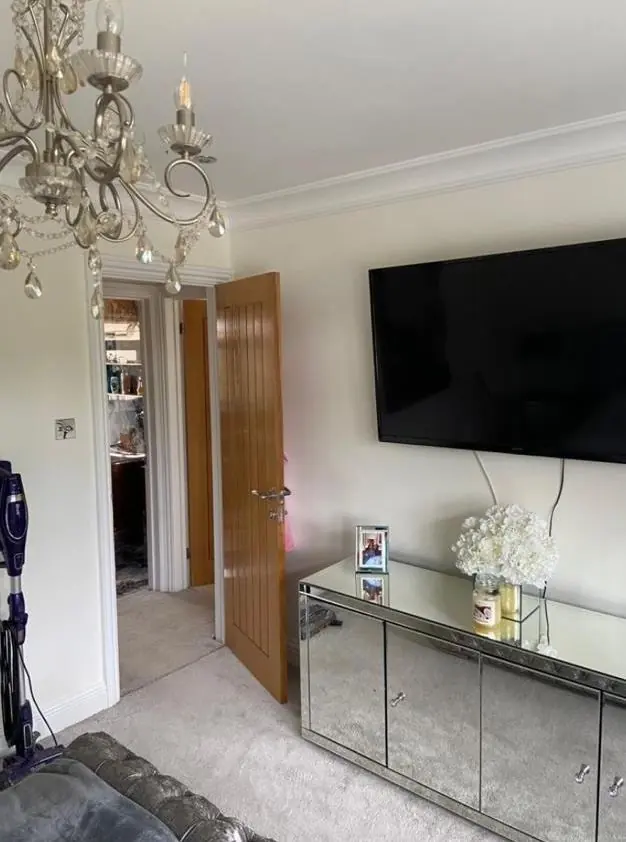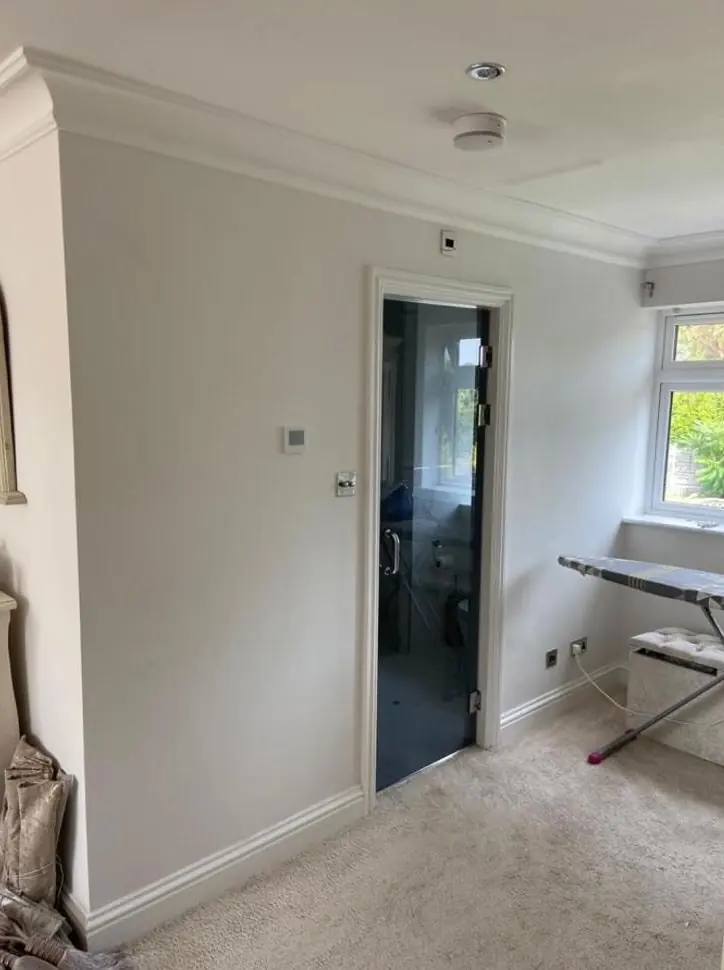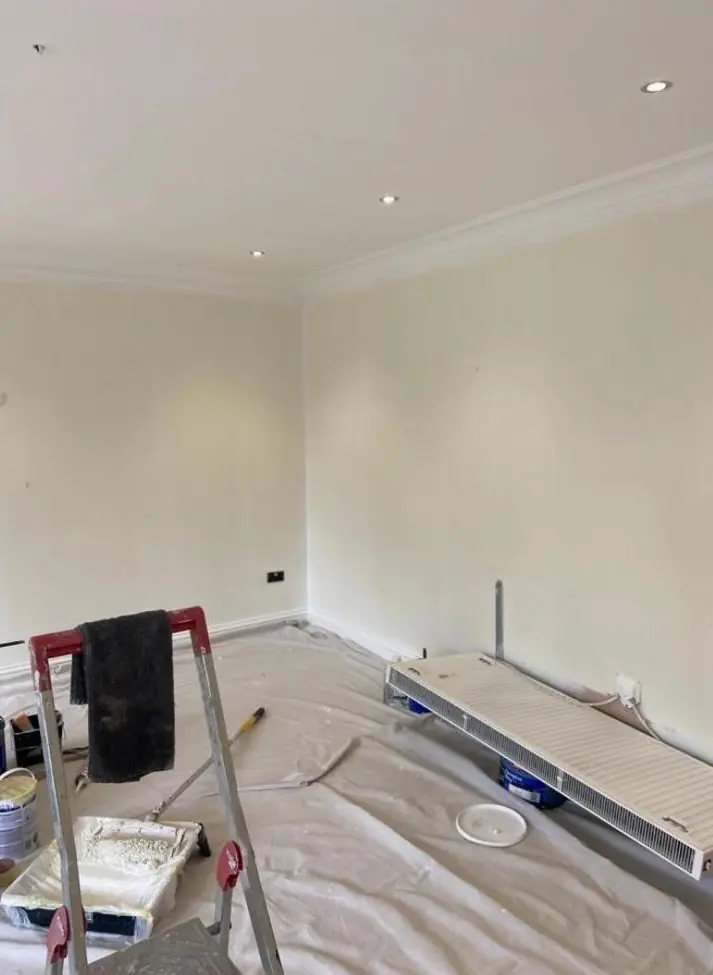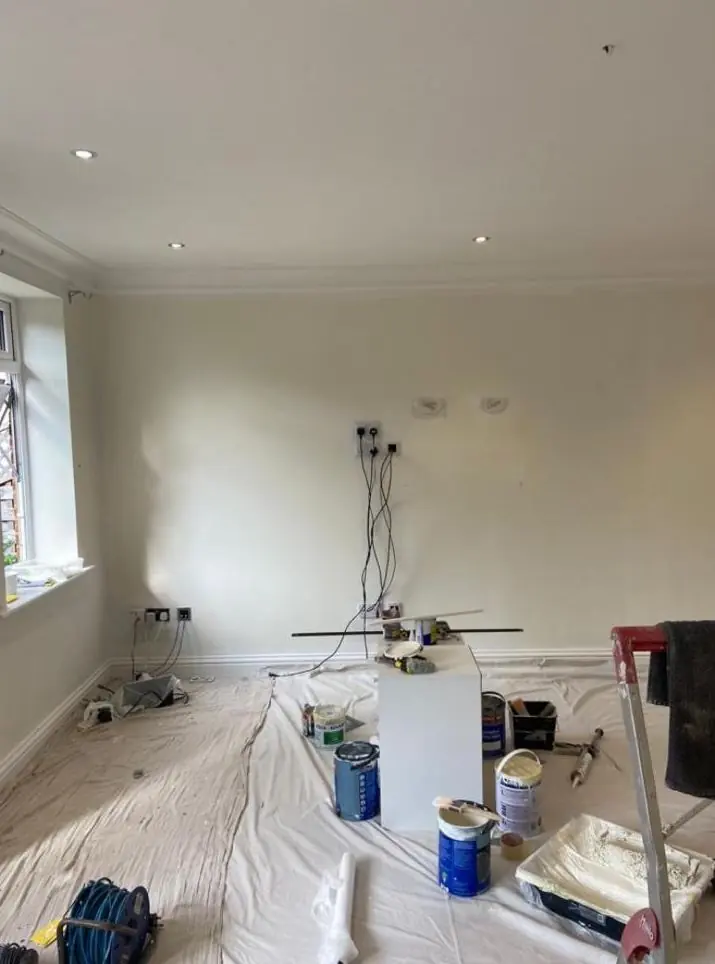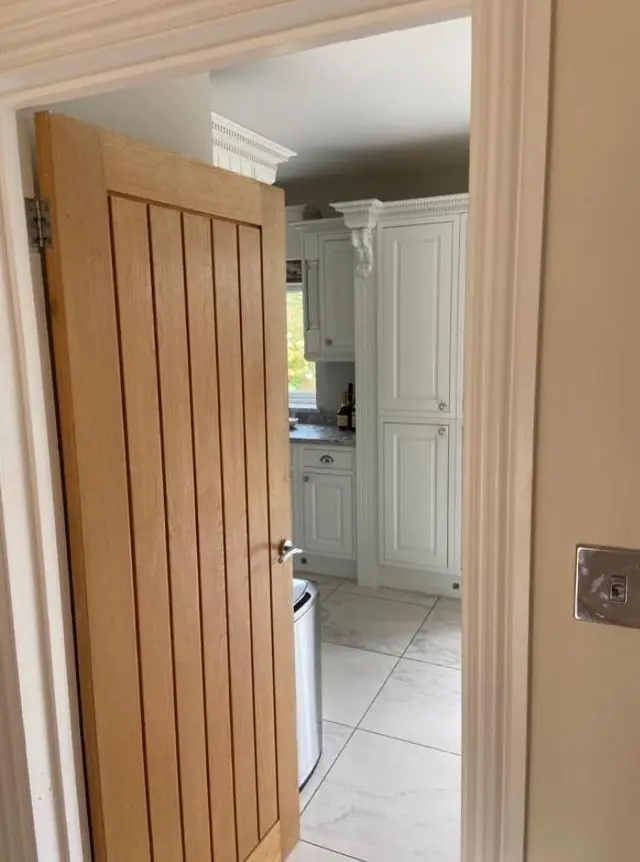
Dean paints interiors in Guilsborough, the NN6 village about 9.3 miles north-west of Northampton town centre. The key question in each house is what the walls are made of: old lime plaster behind lias stone in the High Street houses needs breathable paint, while later homes such as those at Church Mount take ordinary emulsion and gloss.
Two kinds of house, two kinds of wall
Guilsborough grew out of two hamlets, Guilsborough and Nortoft, and the houses still show it. The High Street is lined with listed houses from the 17th to the 19th centuries, built in squared lias, lias ashlar and brick. Guilsborough House dates from about 1632. Rose Manor has a datestone of about 1686, and the Old Grammar School followed around 1688. Church Mount is a different matter: it was built on the site of the demolished Guilsborough Hall and is much later housing.
For interior painting, the age of the house matters less than what is on the walls. Older solid stone and brick houses were usually plastered in lime, and lime plaster has to be able to breathe. Later houses are normally finished in gypsum plaster or plasterboard, and modern paints are made for those. Before we price anything in the village, Dean checks which of the two he is looking at, and often finds both in the same house where an extension or later repair has been added.
Painting lime plaster in the lias and brick houses
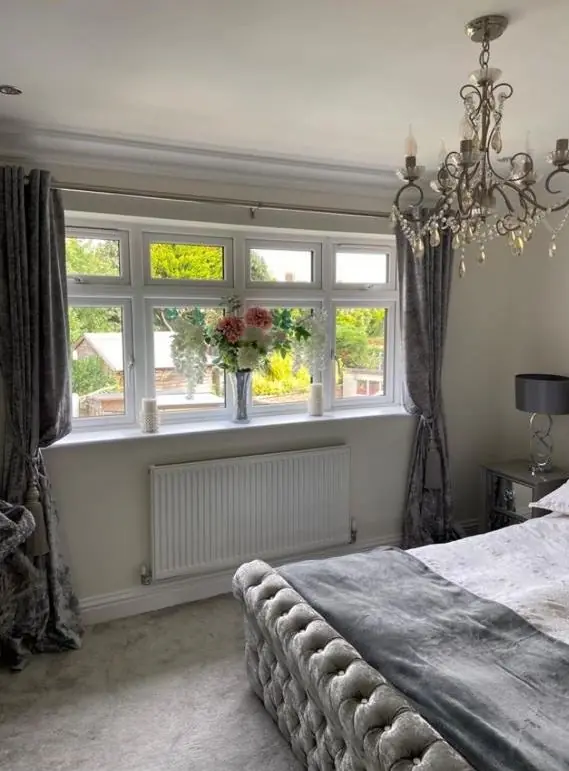
A vinyl emulsion over lime plaster forms a skin that holds moisture in the wall. In a thick lias or brick house with no cavity, that moisture tends to show up as blistering, flaking or a damp-looking patch that comes back however often it is painted over. In those rooms we use breathable mineral or clay-based emulsions, or a traditional distemper where the wall already has one.
- Testing first. We scrape a small hidden area to see what earlier coats are there. Old distemper has to come off or be sealed with the right product, because a modern emulsion won’t stick to it.
- Gentle filling. Cracks in lime plaster are filled with a lime-based or flexible filler, not a hard gypsum one that will crack out again at the edges.
- Uneven walls stay uneven. Plaster in a 17th- or 18th-century room follows the stonework. We prepare it so it is sound and clean, but we don’t try to make it look like a new-build wall.
The general steps we follow inside any house, from protecting floors to cutting in, are set out on our main interior painting service page. In Guilsborough the extra work comes from matching each wall with a paint that suits it.
Listed houses: what can be repainted freely
Twelve buildings in the village are listed, and almost all of them are houses. Listing covers the inside of a building as well as the outside. Repainting walls and ceilings like for like is normally treated as maintenance. Stripping original features, changing joinery or plaster, or applying something that would harm historic fabric can need listed building consent from West Northamptonshire Council. If you own one of these houses, we will point out anything on the job that is worth checking with the council before we start.
The Old Grammar School on the High Street was turned into five homes in the 20th century. Inside, that can mean thick original walls standing next to much newer partitions, and each needs its own paint system. Sash windows with glazing bars in houses such as Guilsborough House and the Red House also need slow, careful cutting in on the inside face, with oil-based paint on the old timber.
Church Mount and later homes in the village
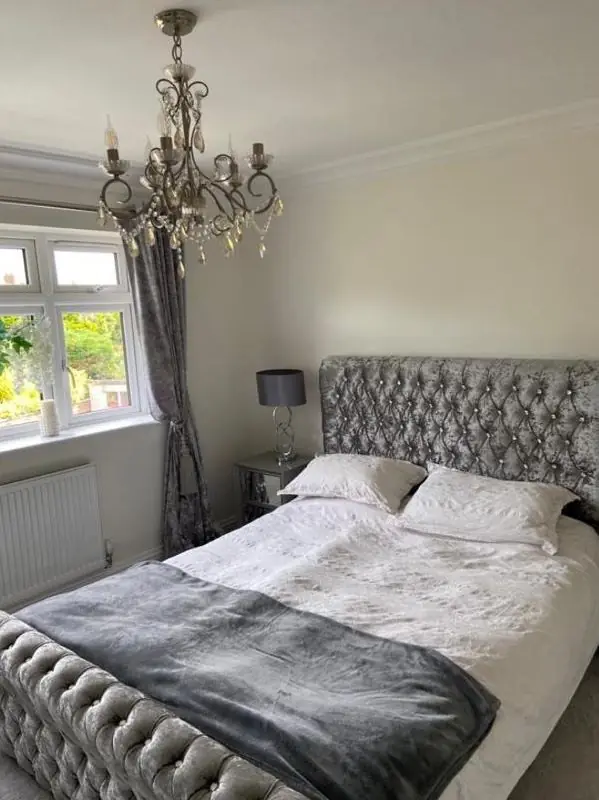
The housing on the old Hall site doesn’t carry the same restrictions. Walls there are usually flat and sound, so a good contract or durable emulsion on the walls and satinwood or gloss on the woodwork gives a hard-wearing finish. Interior work in these homes is mostly straightforward repainting: family rooms, bedrooms and hallways, done room by room so the house stays in use.
Getting to you from Northampton
We cover Guilsborough from our Northampton base, about 9.3 miles to the north-west along country roads. Older High Street houses sit right on the road with limited parking, so we agree where the van goes and where dust sheets and kit are set up before day one. For costs, see our painter and decorator cost guide, and for the other work we do in the village, our Guilsborough area page.
Last updated by Dean, DH Painter & Decorator.