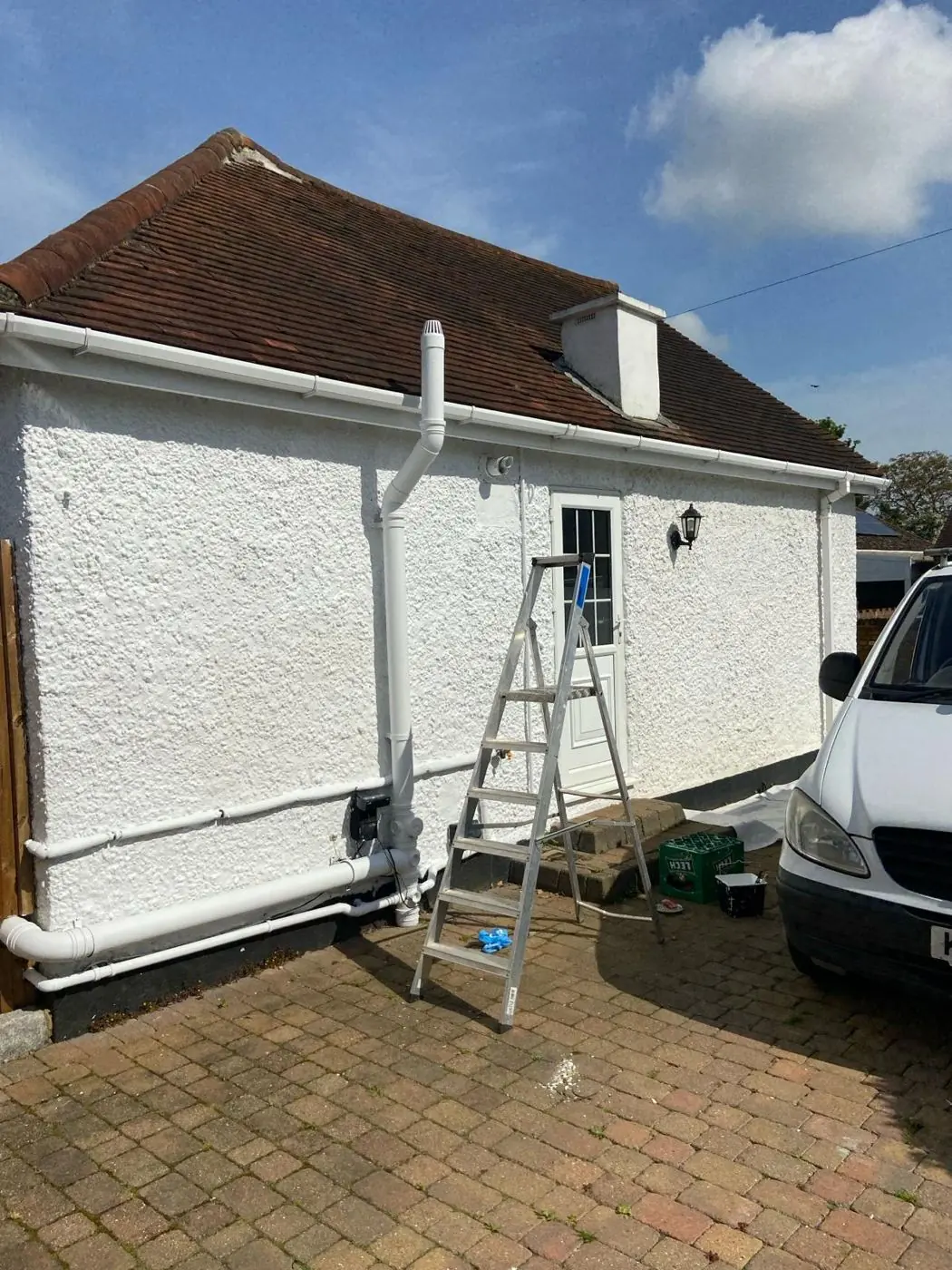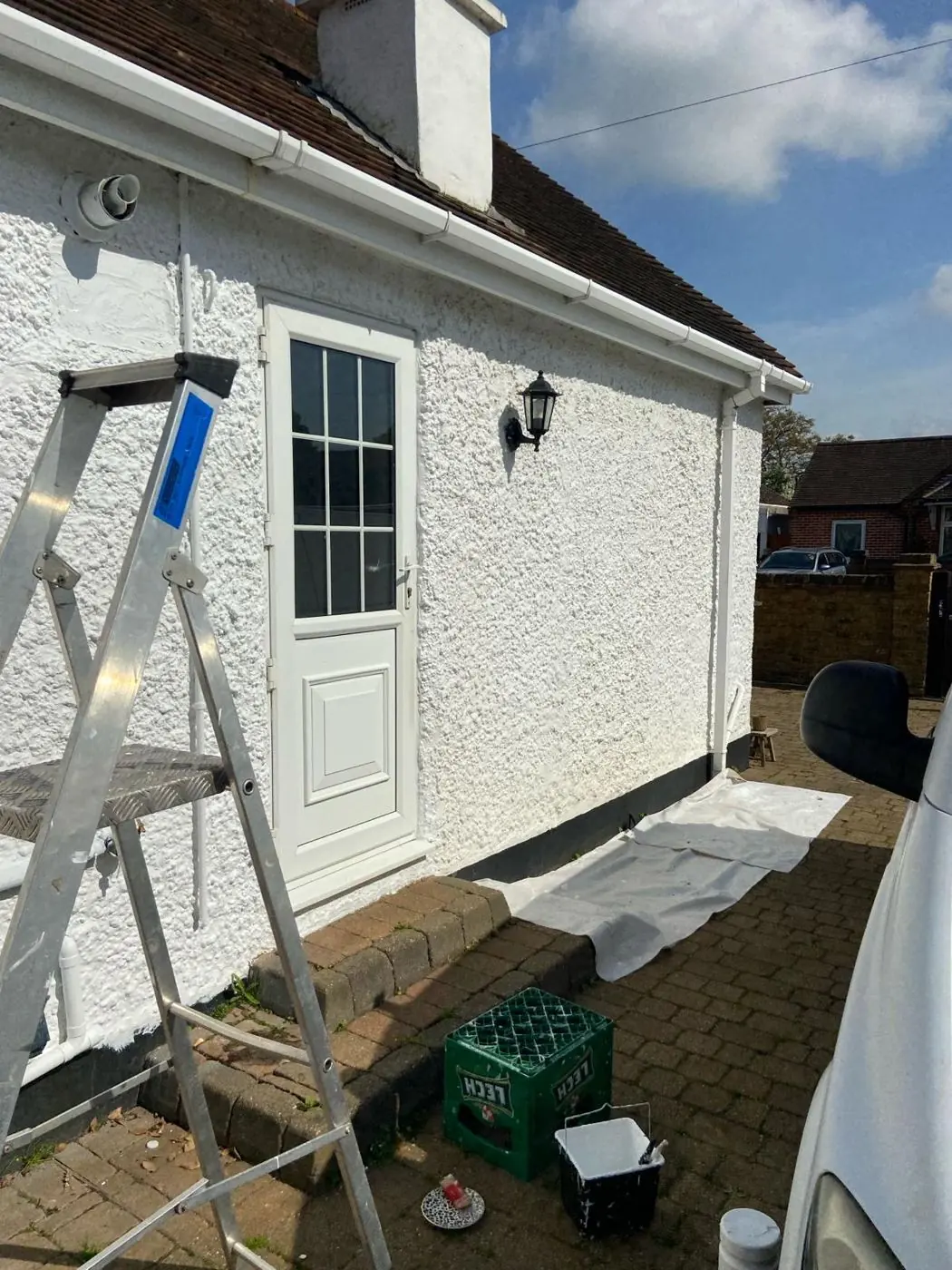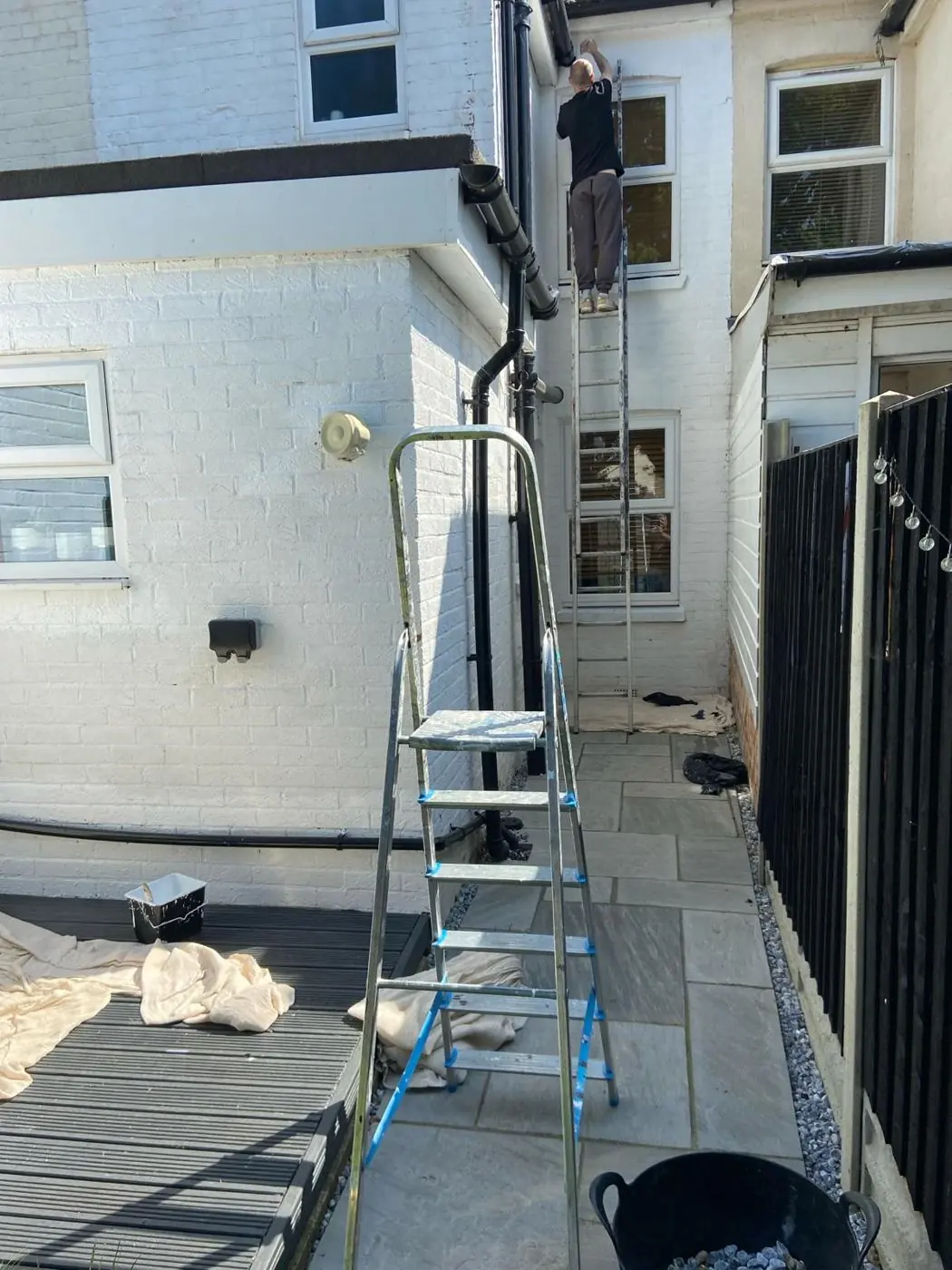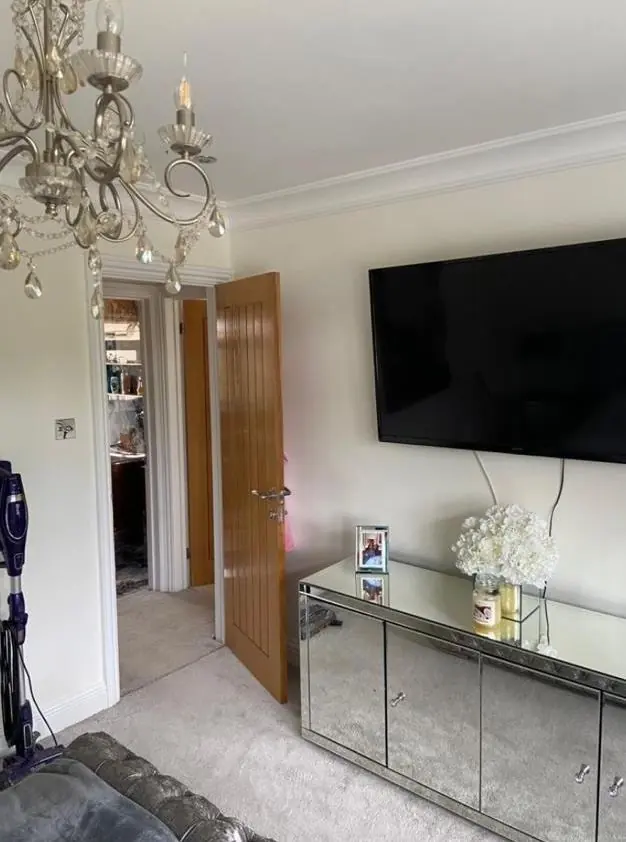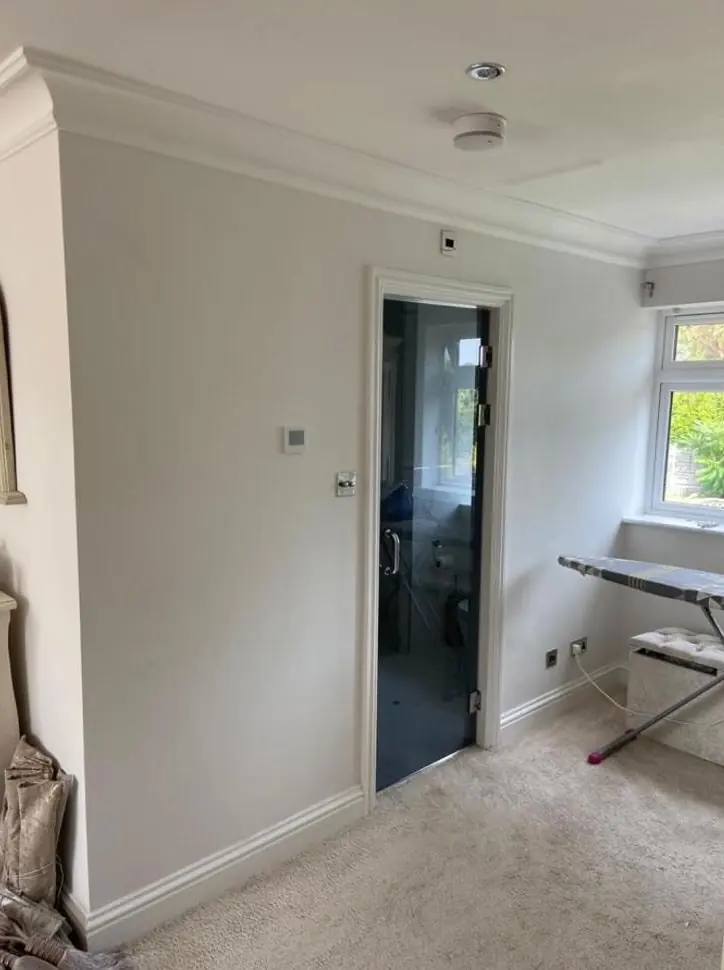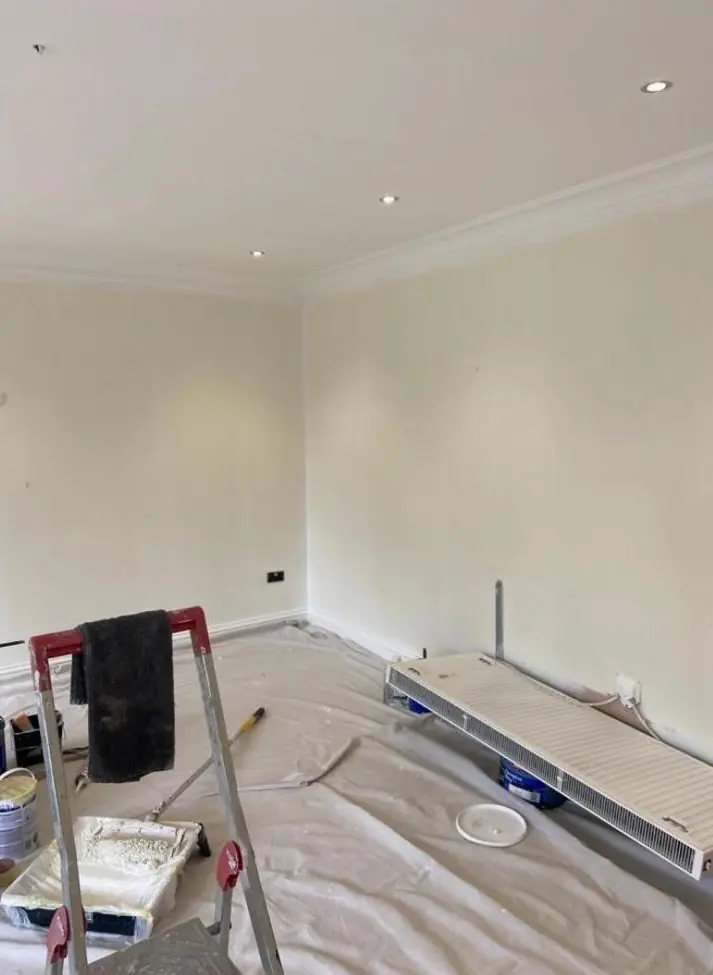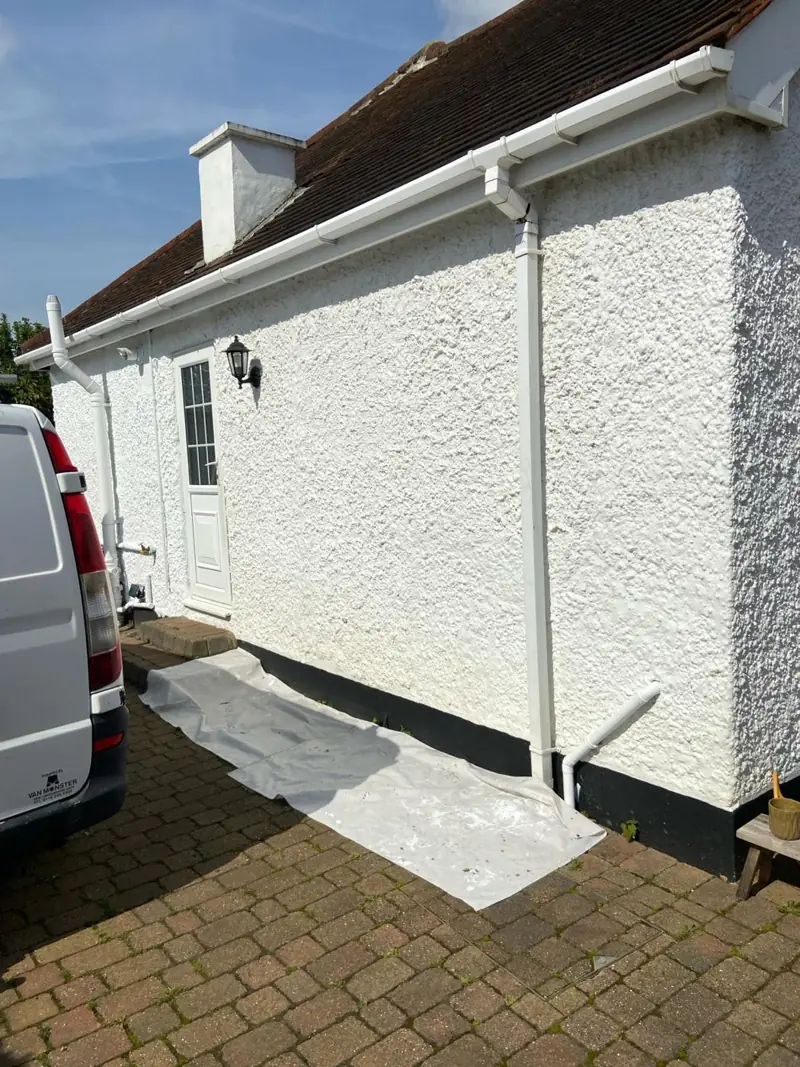
DH Painter & Decorator covers Ecton from our Northampton base, about 4.9 miles north-east of the town centre, just south of the A4500. Dean, with over 30 years in the trade, decorates the village's 17th and 18th century lias and ironstone cottages, its listed larger houses and apartments, and its 20th-century homes.
Ecton from our Northampton base
Ecton is a small linear village and civil parish in the NN6 postcode, on the mid slopes of the Nene valley roughly halfway between Northampton and Wellingborough. It lies about 4.9 miles north-east of Northampton town centre, with the A4500 just to the north and the A45 between the village and the river. Although it is close to Northampton, it falls under North Northamptonshire Council, which matters when a decorating job raises a planning or listed building question. The 2011 census counted 466 people in 211 households.
The village has been a conservation area since 1975, which the village describes as among the first in Northamptonshire, and the boundary was extended in 2018. Its Neighbourhood Plan, adopted after a referendum in 2021, sets out how new work should respect the place. For a painter, that means a lot of the job in Ecton is about maintaining what is already there with the right materials, rather than modernising it.
The High Street cottages
The core of Ecton is its High Street, lined with 17th and 18th century cottages and houses in squared or coursed lias, ironstone and honey to golden-brown limestone. Many are built directly onto the pavement behind or between high stone walls, with painted timber flush casements under wood or stone lintels, and roofs of slate, plain tile or longstraw thatch. The late-17th-century crescent of four cottages at 80 to 86 High Street and the houses at 18 to 24 High Street are among the listed examples.
Three things shape decorating work on these houses:
- Stone that should breathe. Lias, ironstone and soft limestone hold and release moisture. Any coating on old masonry or painted render needs to be a breathable mineral or lime-compatible paint, and bare stone that has never been painted should be left alone.
- Damp front walls. Natural springs rise where lias clay sits under the sandstone on the slopes south of the village, and pavement-fronted walls take splash and road spray. We check moisture before painting street-facing rooms.
- Timber worth keeping. The conservation area appraisal discourages uPVC and favours traditional windows, so repairing, preparing and repainting casements and plank doors matters more here than on a modern estate. Our door and woodwork painting covers that joinery inside and out.
Inside, many cottages have beams, bressumers and old lime plaster, and the single-storey-with-attic types have sloping ceilings and small dormer rooms. Those rooms take longer to paint well because nearly every edge is cut in by brush. Our interior painting page explains our general method, and the Ecton interior page goes into the cottages in more detail.
Listed houses around the church and Ecton Hall
East of the High Street, around Church Way, stand the village’s grander buildings. The Grade I church of St Mary Magdalene is the oldest. Ecton House, the former rectory of around 1693, is Grade II* and has sash windows with crown glass, a trellis verandah and a nine-panelled door. The Manor House on the High Street, also Grade II*, carries a 1694 datestone for the bell founder Henry Bagley. Ecton Hall, remodelled in the Gothick style around 1755-56, is Grade II* and was converted into apartments in the late 1980s, along with its coach house, stables and laundry.
Painting on these buildings is slower and more careful. Timber sliding sashes with glazing bars and old crown glass need cutting in by hand without scratching or cracking the panes. Any change beyond like-for-like redecoration on a listed building may need listed building consent, so we flag that before work starts. For Ecton Hall, communal areas and the outside of the building are shared, so external and common-area work goes through the managing agent. Many of the larger houses are reached by private service roads, which we plan around when arranging access.
Iron gates, railings and painted render
Ecton’s link with metalwork is long. Benjamin Franklin’s ancestors lived in the village for over 300 years, many of them as blacksmiths, and wrought iron and steel gates remain part of the village core. The Shrine war memorial at the head of the High Street is itself Grade II listed, decorative iron gates included, and Neighbourhood Plan Policy 7 requires the railings associated with Ecton Hall to be kept. Metalwork like this should be wire-brushed, primed and repainted rather than replaced; see our metal gate and railing painting page.
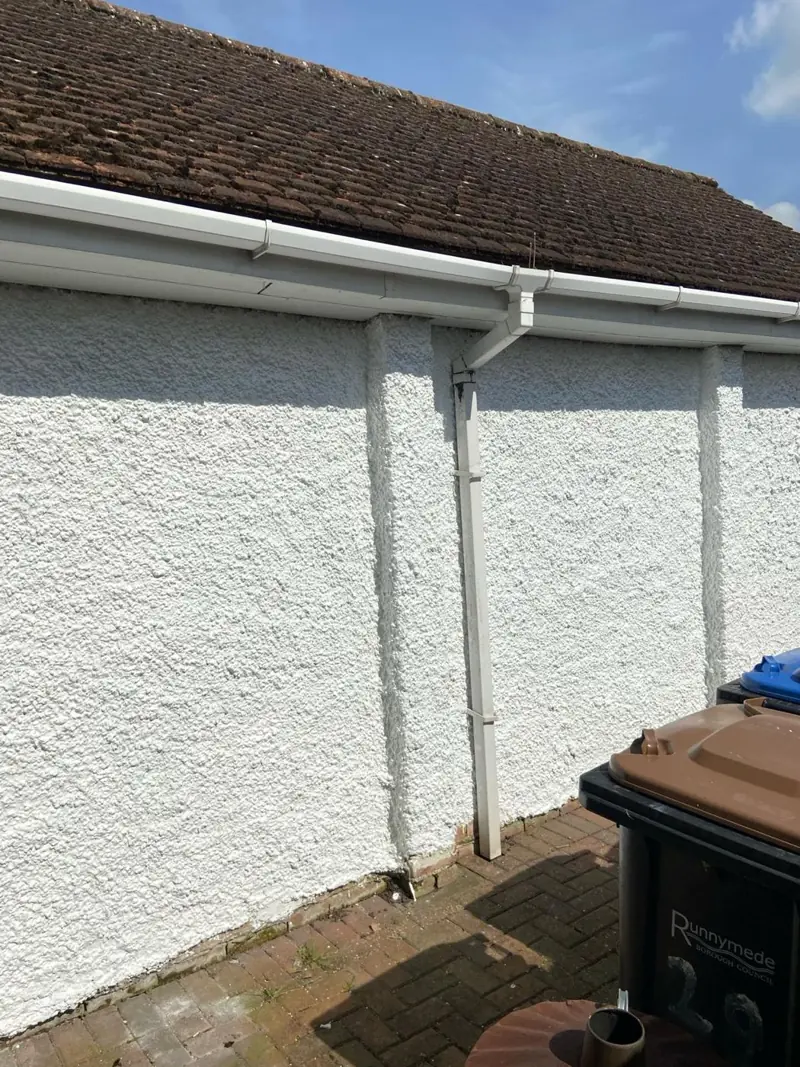
Some buildings are already painted in part. The listing for the Three Horseshoes describes it as lias and brick, now part painted, and the appraisal records painted render and painted brick around the conservation area. Those surfaces should be repainted like-for-like in a breathable system. Our guide to painting render explains why the paint choice matters on older walls.
Church View, West Street and Northampton Road
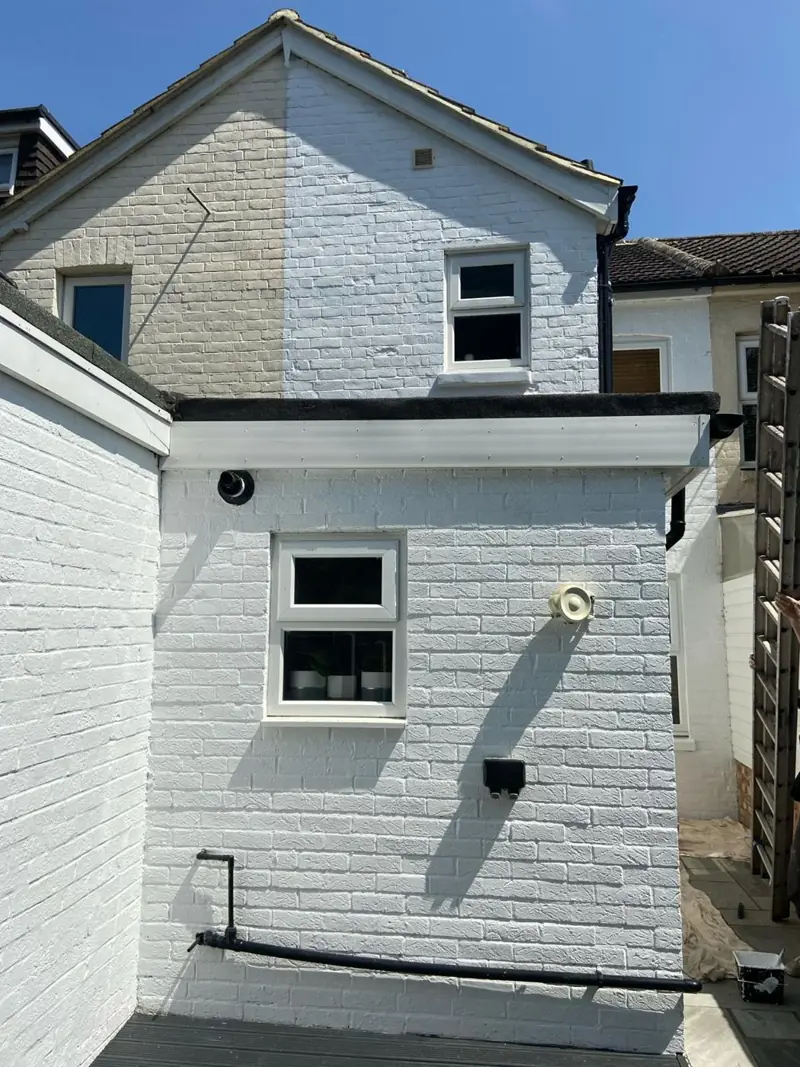
The 20th century added the Church View development of small single-storey bungalows to the east, running from Wellingborough Road to the Ecton Hall park boundary, and two-storey semi-detached brick houses on the west side of West Street and Northampton Road. These are conventional homes where the usual work is modern interiors, fascias and soffits, garden fences and gates. They sit outside the old core’s constraints, so there is more freedom over colour and materials, though the same open, valley-side position applies to them.
Weather, trees and access in the village
Ecton’s position shapes how long exterior paint lasts. With open fields to the south, west and east, south- and west-facing joinery takes the hardest weathering, and we prepare those sills and bottom rails more thoroughly. In the other direction, mature trees in the churchyard, the Hall grounds and around The World’s End overhang walls and gardens, bringing shade, sap and leaf litter that slow drying and can mark fresh paint. We time exterior work for settled weather, as our guide to timing exterior painting sets out.
Access needs thought too. Most High Street cottages open straight onto the footpath, and there are narrow pinch points by the Three Horseshoes and beside the Manor House walls, so ladders and any scaffold have to be managed on the footway. The village asks visitors to park considerately and keep the road clear for residents and emergency vehicles, and we agree where the van will go at the quoting visit. Some cottages are entered from the rear, which can make interior work easier to stage.
Pubs, the village hall and other premises
Ecton has had no shop since 1989, so there is no shopfront work here. Its commercial buildings are the two listed pubs, the Three Horseshoes on the High Street and The World’s End, a pub, restaurant and hotel, alongside the village hall, the primary school and the church. Decorating those means fitting around opening hours and heritage constraints; our commercial painting page explains how we plan that kind of work. For a sense of what decorating costs, see our painter and decorator cost guide, then call Dean on 07539 779 036 to arrange a free quote.
Last updated by Dean, DH Painter & Decorator.