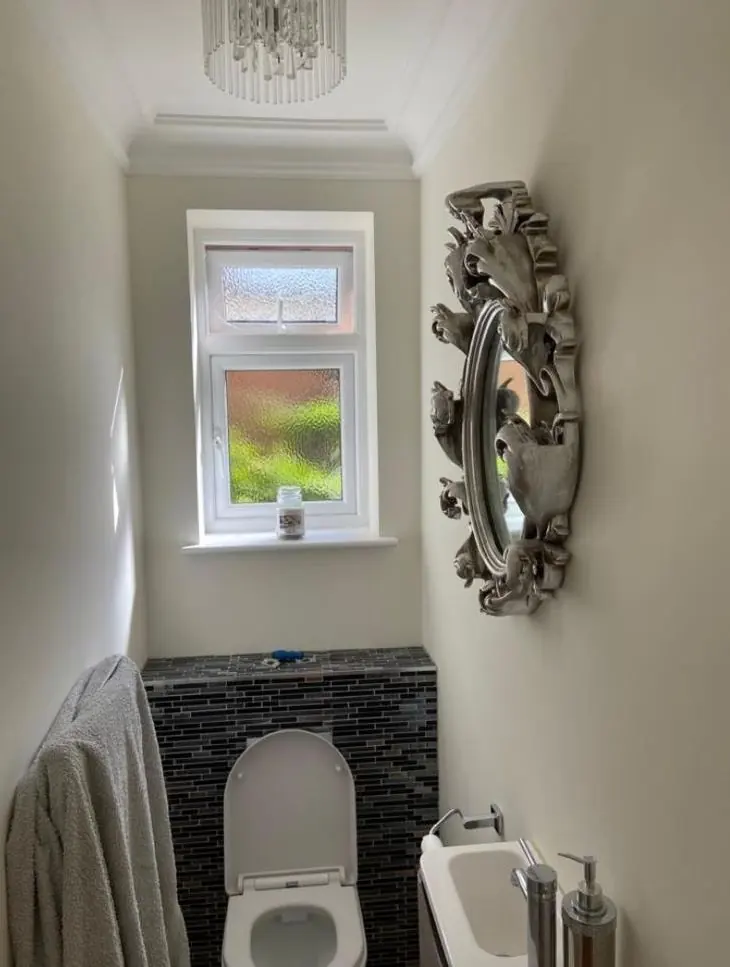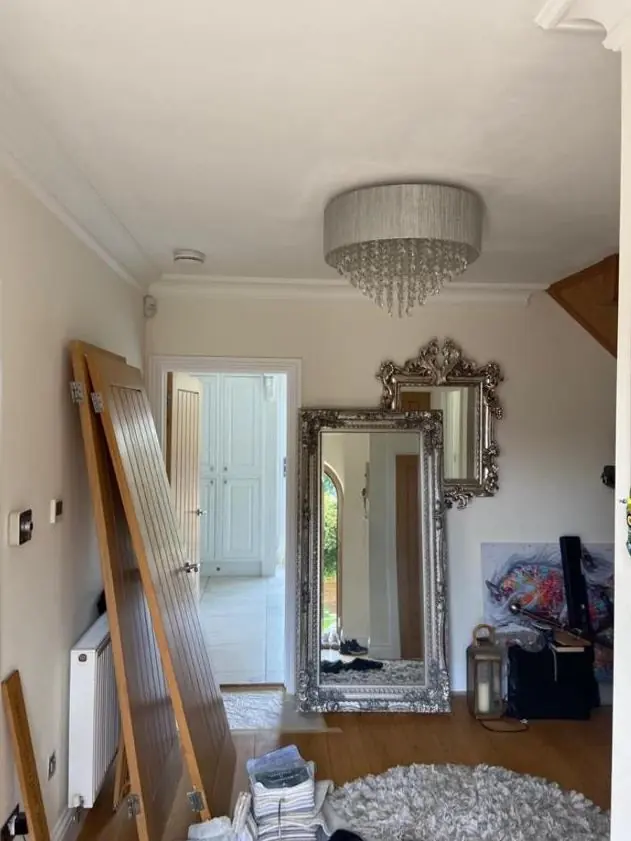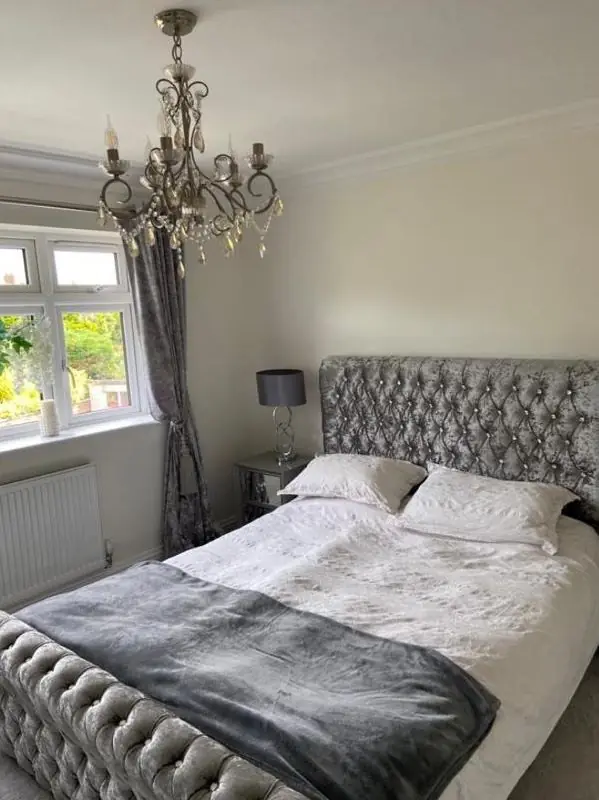
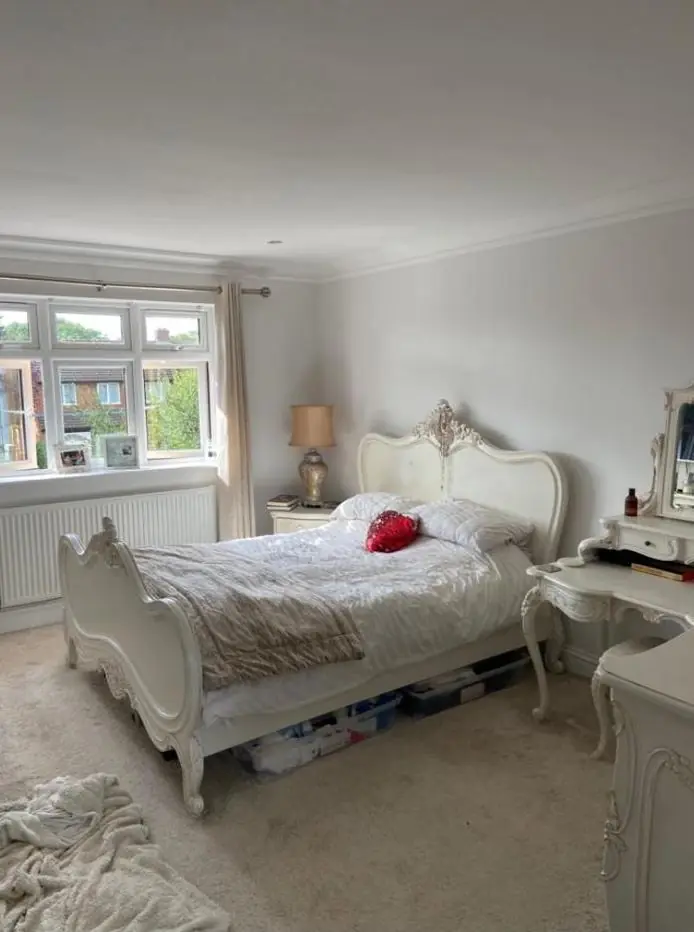
Dean gives colour and finish advice as part of decorating jobs in Ecton, about 4.9 miles north-east of Northampton in the NN6 postcode. In the conservation village that means joinery and render colours that suit the local lias, ironstone and limestone, and inside it means shades that hold up in the light of an open valley slope or a tree-shaded room.
Start with the stone, not the colour card
Most of old Ecton is unpainted masonry: squared and coursed lias, rust-toned ironstone and a honey to golden-brown limestone, much of it from Mears Ashby and the so-called Pendle stone. That stone is the backdrop to every front door, casement and gate in the village core, and because so many High Street cottages sit right on the pavement, those painted parts are seen close up by everyone walking past. A colour that looked calm on a card at home can look harsh against warm stone, and brilliant white in particular tends to make old lias look grubby beside it.
The 2017 conservation area appraisal, adopted in 2018, notes that ledged and braced plank doors painted white are a local feature. That is a useful steer: a traditional, slightly softened white on plank doors fits the village, and joinery colours generally sit better when they are muted and drawn from the stone rather than set against it.
What each painted surface asks for
| Element | Colour direction in the village core | Finish |
|---|---|---|
| Ledged and braced plank doors | Traditional off-whites, in keeping with the appraisal | Satin or gloss in an oil or microporous paint |
| Timber flush casements | Off-white, stone or a muted green or grey that picks up the lias | Microporous, to let old timber breathe |
| Sliding sashes on the larger houses | Classic white or off-white, matched to what is there | Hard-wearing gloss or eggshell, cut in cleanly to old glass |
| Painted render and painted brick | Like-for-like with the existing colour | Breathable mineral or lime-compatible paint |
| Wrought iron gates and railings | Black or a very dark traditional colour | Metal primer and gloss |
Where the rules are and where they are not
Ecton Conservation Area was designated in 1975, which the village counts among the first in Northamptonshire, and was extended in 2018 to take in the primary school, The World’s End and the Ecton Hall courtyard and walled garden. The Neighbourhood Plan, adopted in 2021, asks in Policy 7 for traditional materials and window designs. No Article 4 direction for Ecton is listed on the council’s Article 4 page, so for an unlisted house a change of door colour is unlikely to need permission, but it is still worth choosing with the street in mind.
Listed buildings are different. The parish has more than 40, including the Manor House, Ecton House and the cottages at 80 to 86 High Street. A new external colour on a listed building can need listed building consent, so we suggest checking with the council before any paint is ordered. Ecton Hall apartment owners should also ask the managing agent, since the outside of the building is shared.
Inside: open fields and shaded rooms
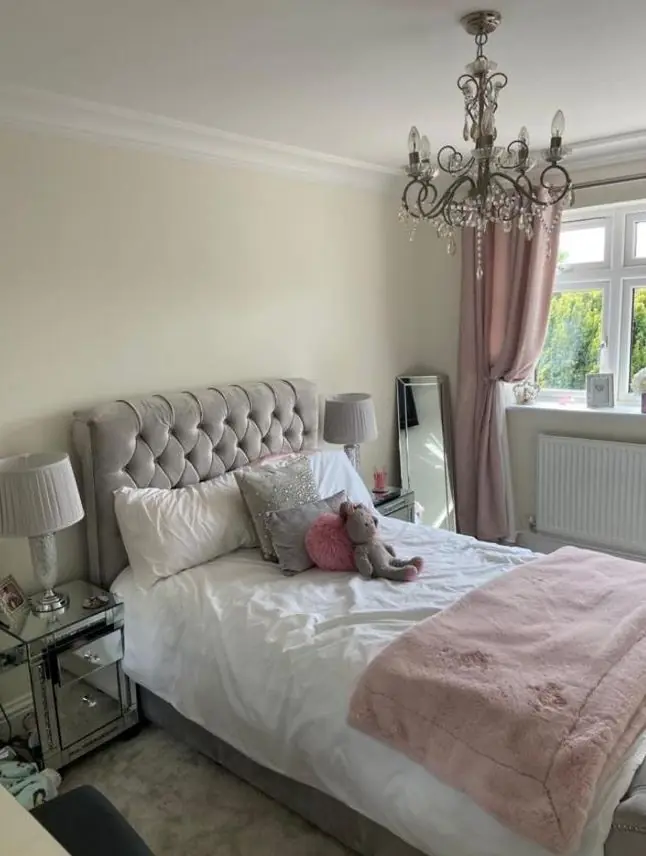
Rooms on the south and west sides of many Ecton houses look straight out over open farmland running down the valley, and that unobstructed daylight can wash out very pale shades, so slightly deeper or cooler colours often hold up better there. The opposite happens near the churchyard, the Hall grounds and The World’s End, where mature trees overhang walls and gardens and summer light comes through leaves. In those rooms warmer whites and stones keep a space from turning green-grey. Small cottage rooms with low beams usually look larger in one soft colour across walls and ceiling than in a strong contrast.
Church View’s bungalows and the paired houses along West Street and Northampton Road sit outside the historic core, so the choice there is yours. Our wider approach to undertones, light direction and sheen is on the main colour and finish advice page, and everything else we cover locally is on the Ecton area page.
Last updated by Dean, DH Painter & Decorator.