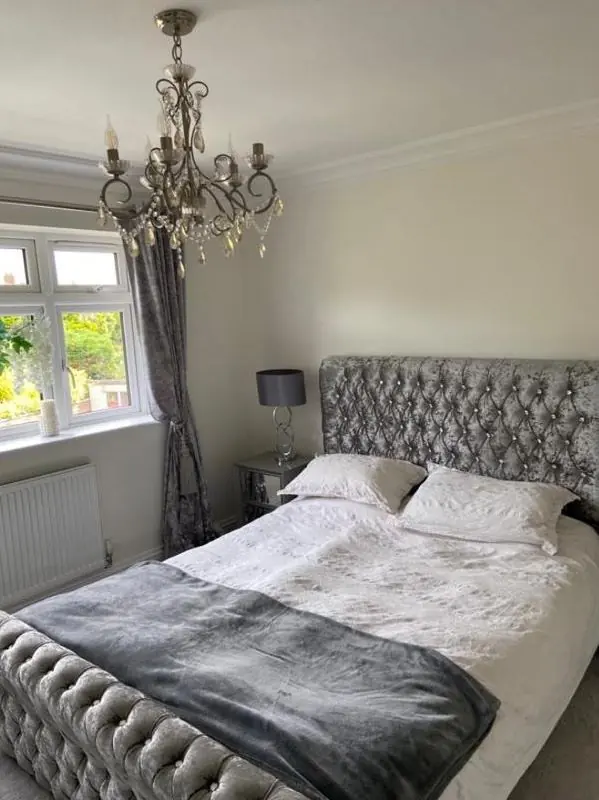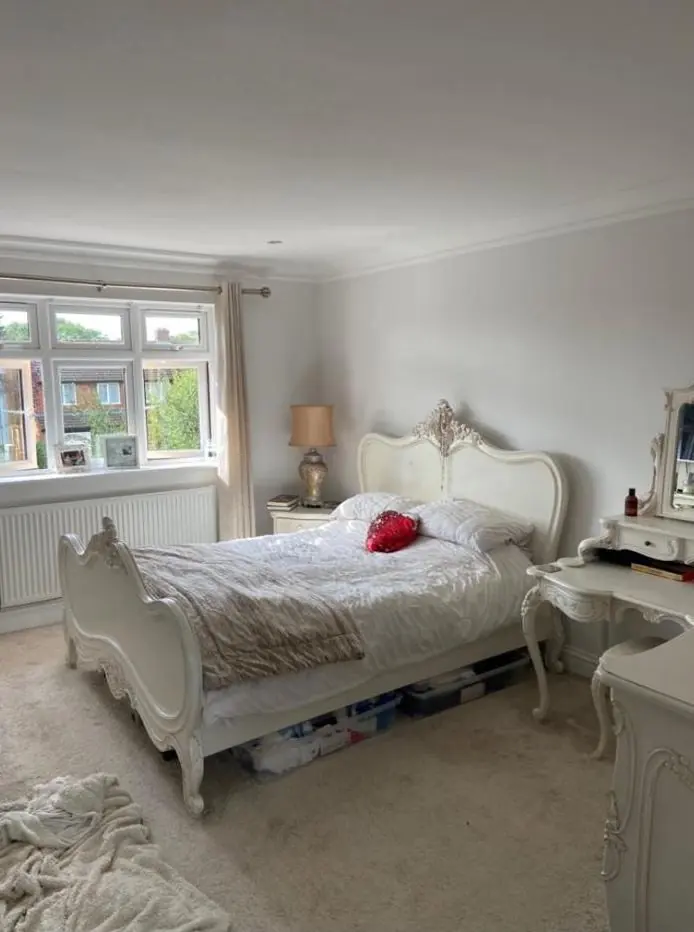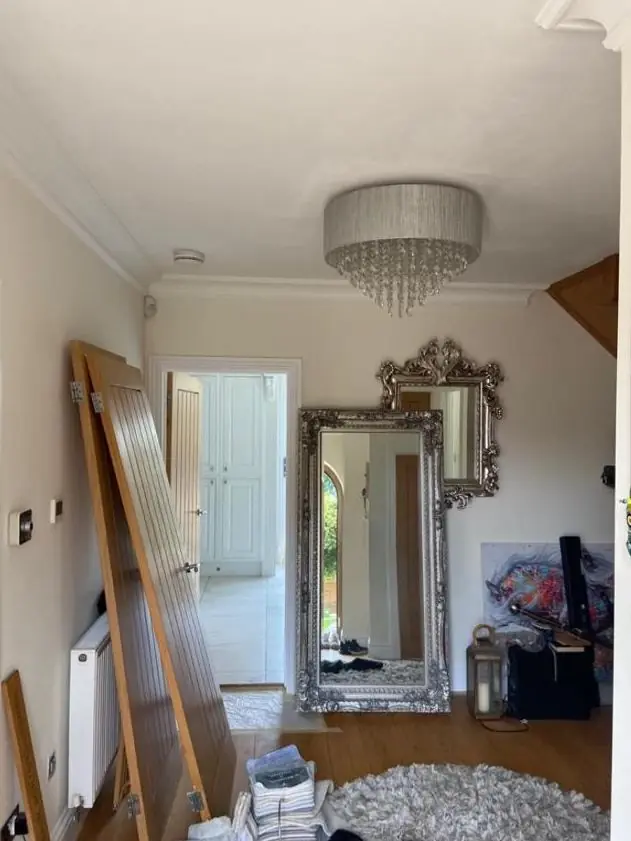
Dean gives colour and finish advice to Bellinge homeowners and landlords as part of a decorating job, about 3.5 miles east of Northampton town centre. With no conservation area on the estate, the advice is about suiting a terraced row, the light in each room and finishes that last.
A free hand on colour, with the row in view
Bellinge appears nowhere on West Northamptonshire Council’s list of conservation area appraisals, and none of the estate’s houses are listed in the sources we read. You can choose any front door, window or fence colour without asking for consent. That is not true everywhere nearby: Great Billing Conservation Area covers the old village just to the north-east, and the stone cottages a few streets west in Little Billing, some of them Grade II listed, call for heritage shades and breathable paints.
A free hand is not the same as anything goes. Bellinge is mostly terraced, with 258 terraced homes in the core of the estate at the 2021 Census. In a court of terraces, doors and window frames are seen side by side from the footpath, so each door is read against the ones beside it. Dean’s advice for the outside is usually to pick a colour that sits with the row rather than fights it. A deep green, navy or charcoal door reads well against estate brick and beside a neighbour’s white or woodgrain uPVC, while a very bright shade on one house in the middle of a terrace can look out of place.
Shades that survive a tenancy
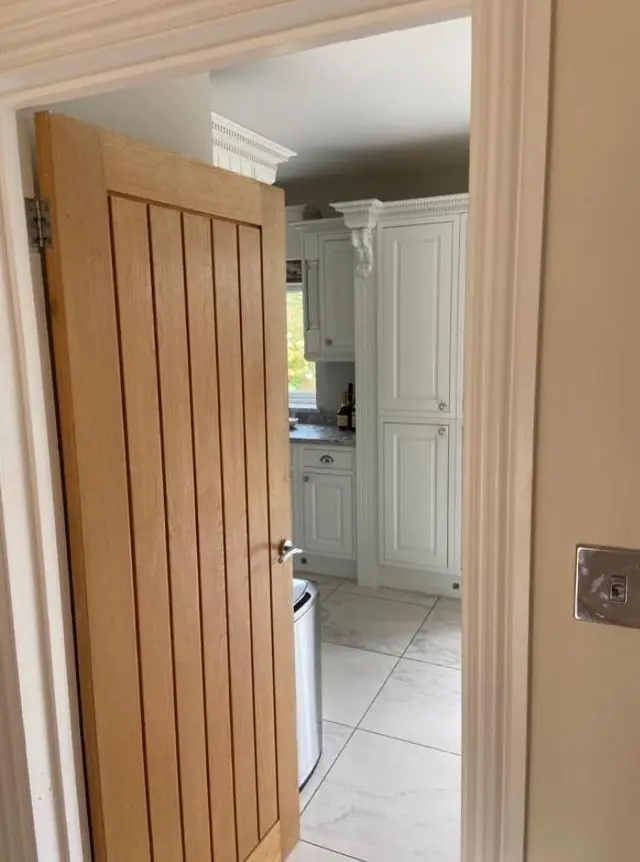
About a quarter of households in the core estate rent from the council or a housing association and around a fifth rent privately, so a lot of colour decisions here are made by landlords and letting agents. For lets, the advice is practical:
- one warm neutral used throughout, so touch-ups between tenants match;
- a durable or scrubbable matt that cleans without leaving shiny patches;
- satin rather than gloss on woodwork, because it shows fewer brush marks when patched.
Very pale cool whites look clean on viewing day but show every scuff in a narrow hall within a few months. A neutral with a little warmth hides more.
Light in rooms off footpaths and greens
Because the courts were laid out around footpaths and greens rather than streets, houses in one court can face different ways, so there is no single rule for the estate. Dean looks at each room at the time of day you use it. Rooms that look out over the trees of the parks on the estate’s northern and western sides can get green-tinted, filtered light, which cools greys and makes some off-whites look faintly green; a warmer base usually corrects that. Compact rooms in terraced houses often have windows on one side only, so the wall facing the window and the wall beside it can look like two different colours. Testing samples on both is worth the effort. How undertones and light direction work in general is covered on our main colour and finish advice page.
Choosing finishes for the outside
Exterior choices on the estate are shaped by materials and setting more than by rules. Estate brick is normally left unpainted, so the decisions are about joinery, any timber panels or render, fascias and fences. Homes nearest the A45 Nene Valley Way and the Great Billing Interchange collect traffic film, which dulls pale colours quickly; mid-tones hide it better between washes. Shaded fences beside the park pick up algae, and a darker stain shows the green less. Colour advice comes as part of a booked decorating job. The Bellinge area page lists the other work we take on across the estate.
Last updated by Dean, DH Painter & Decorator.