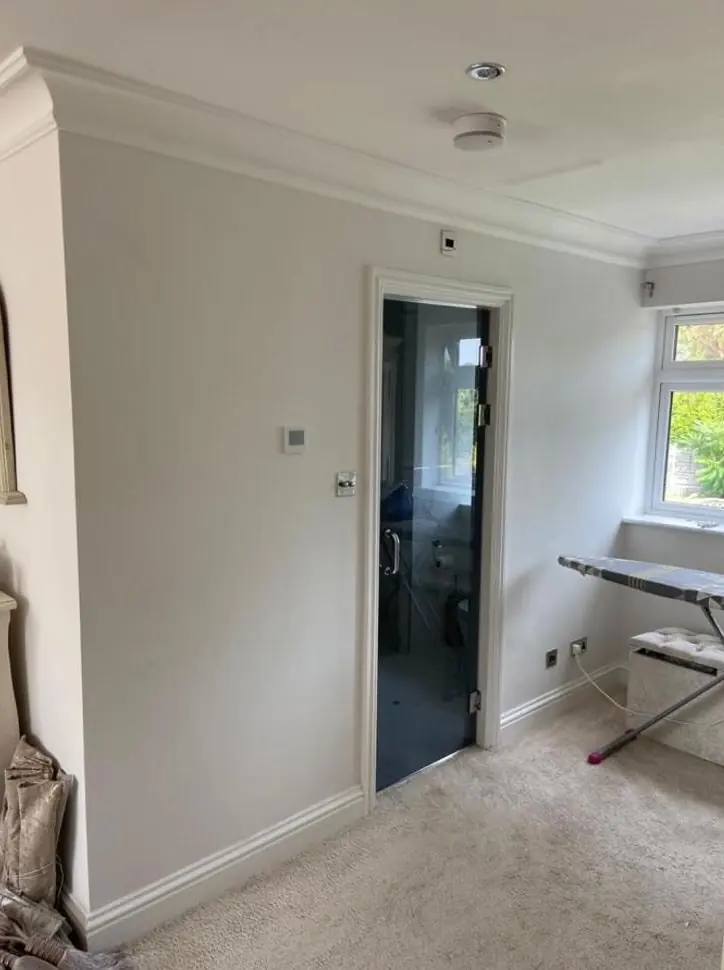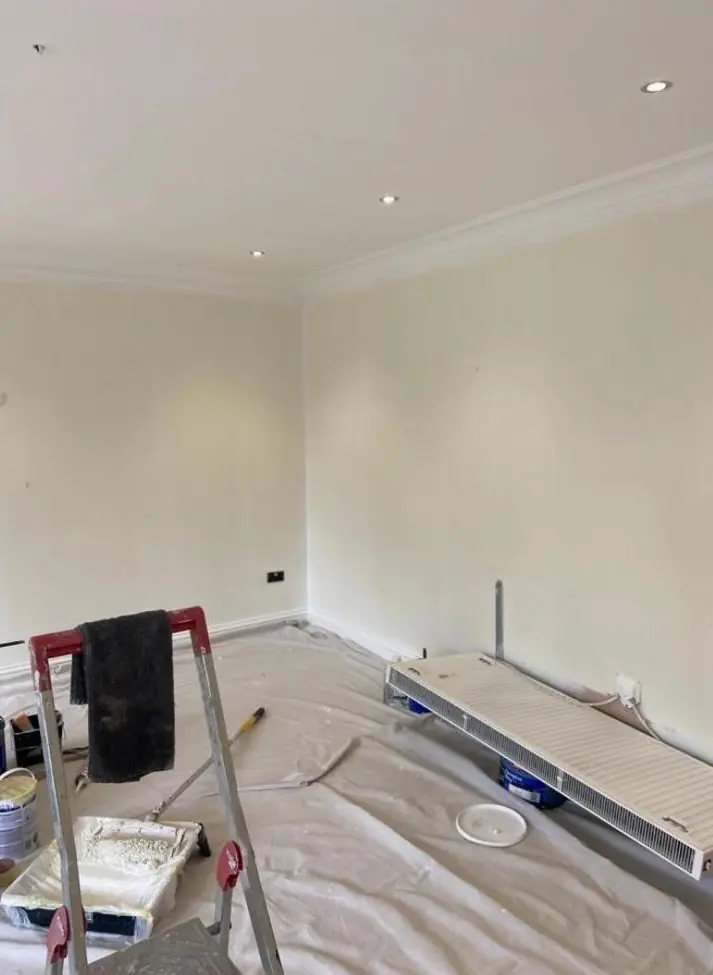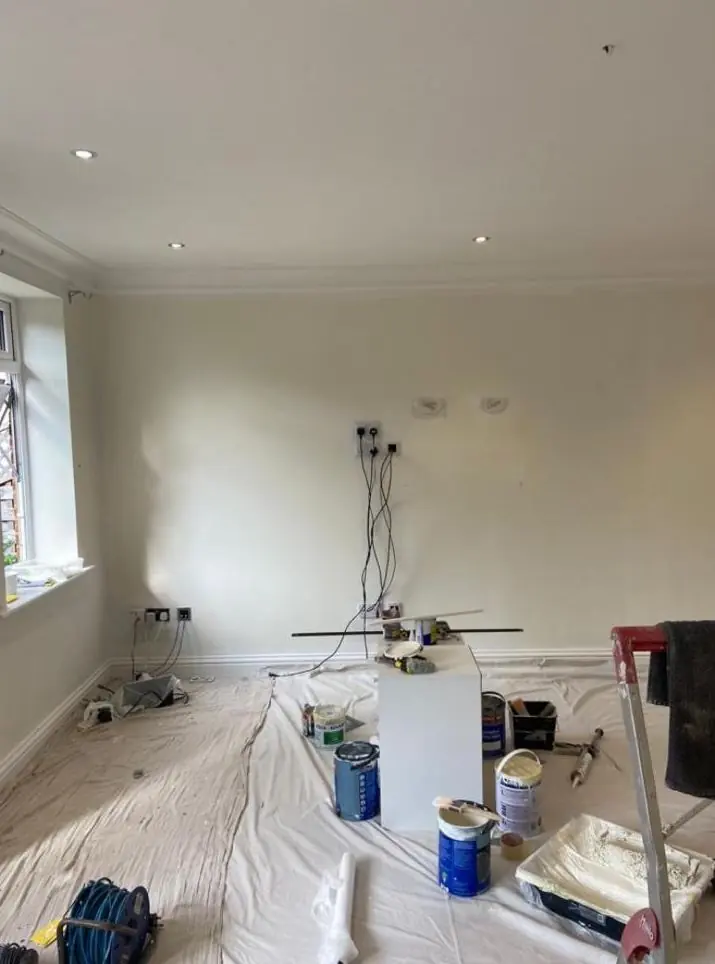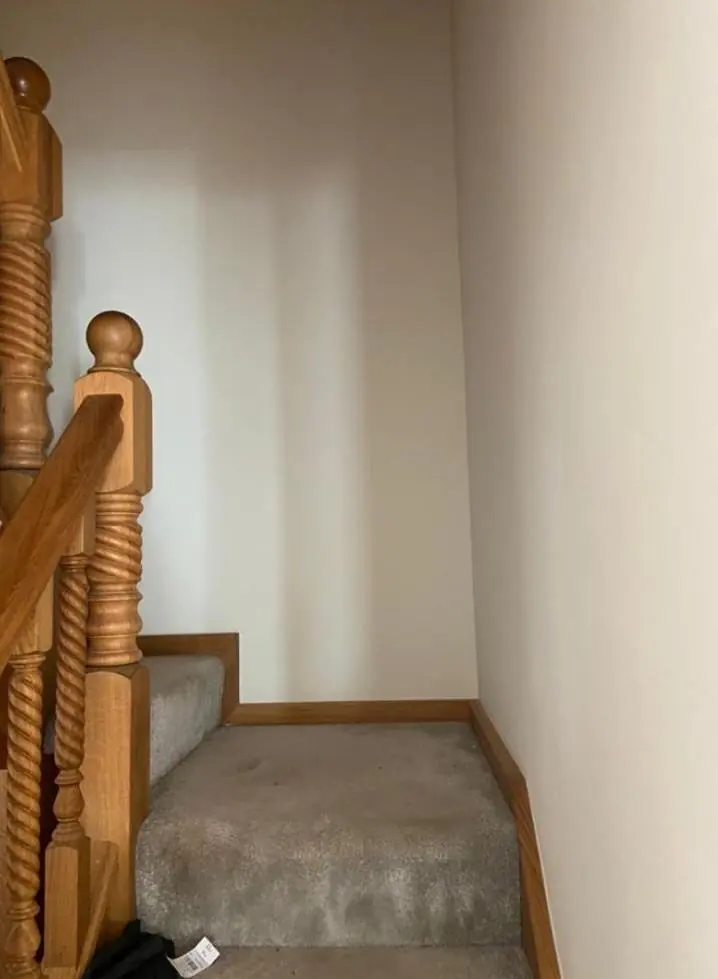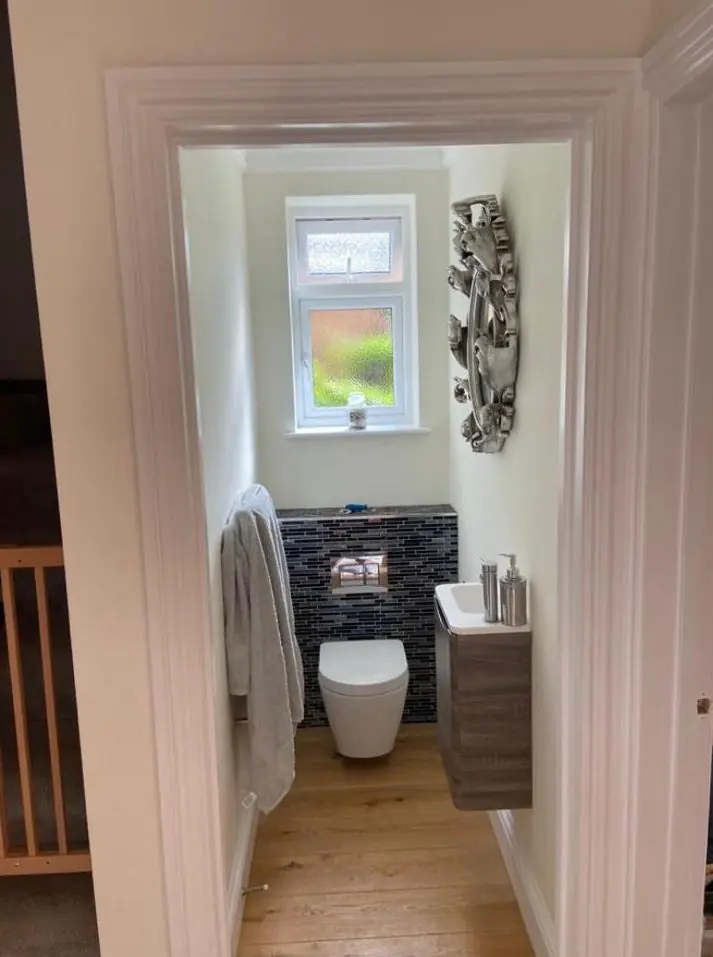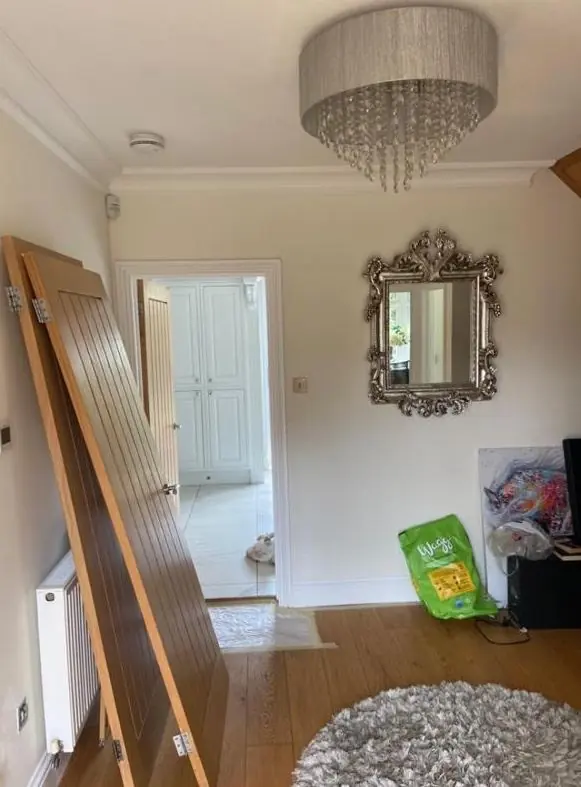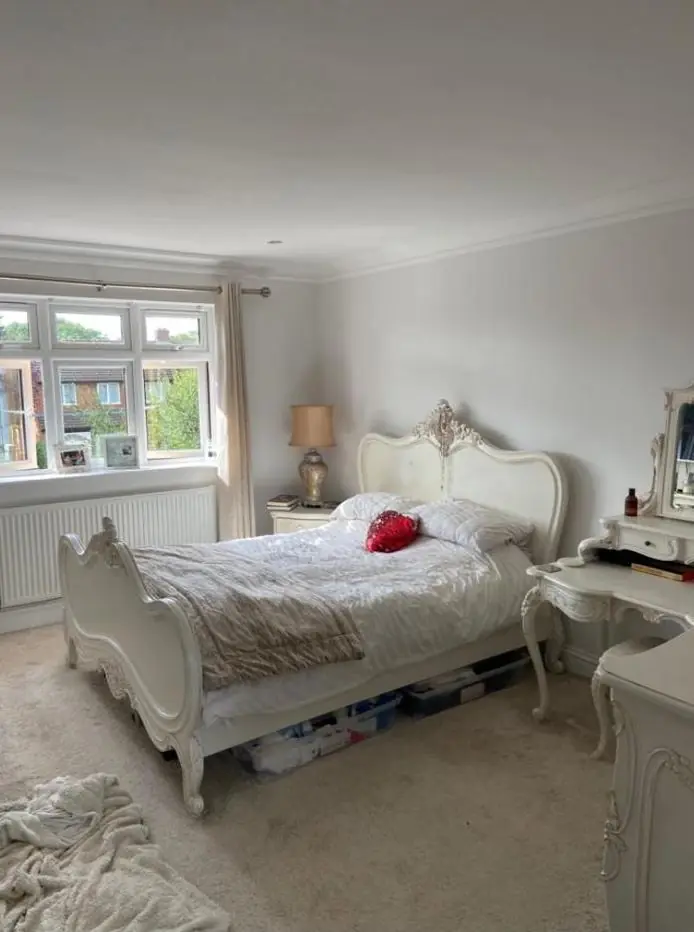
Dean paints interiors across Flore, the NN7 village on the hillside above the River Nene, about 6.7 miles west of Northampton town centre. The work runs from breathable paints on lime plaster in the 17th-century farmhouses and cottages to hard-wearing emulsions in the 1920s to 1950s houses and mist coats in the new homes on the village's northern edge.
Three kinds of house, three kinds of wall
Flore’s housing falls into clear layers, and the walls inside each layer behave differently. The historic core south of the High Street was built in coursed marlstone and orange-brown Northamptonshire ironstone, with some cob, between the late 1600s and the 19th century. Over the High Street to the north the walls are a different generation: 1920s on Brockhall Road, 1930s on The Crescent, 1950s on Collins Hill. Nether Lane carries later local authority housing, and new estates have gone up on former farmland along the northern side of the village. Before we quote, we work out which of these we’re standing in, because it decides the paint as much as the colour does.
| Part of Flore | Likely wall finish | How we paint it |
|---|---|---|
| Stone and cob houses in the conservation area | Lime plaster on solid walls | Breathable mineral or clay-based emulsion, lime-compatible filler |
| Brockhall Road, The Crescent, Collins Hill | Early-to-mid 20th-century plaster, often patched over the decades | Spot-prime repairs, then washable matt or eggshell |
| Nether Lane and the bungalows on The Orchard | Plaster or plasterboard, much altered | Standard modern systems, stain-blocking where needed |
| New homes on the northern side | New plaster or plasterboard | Mist coat first, then full coats once dry |
Inside the yeoman farmhouses
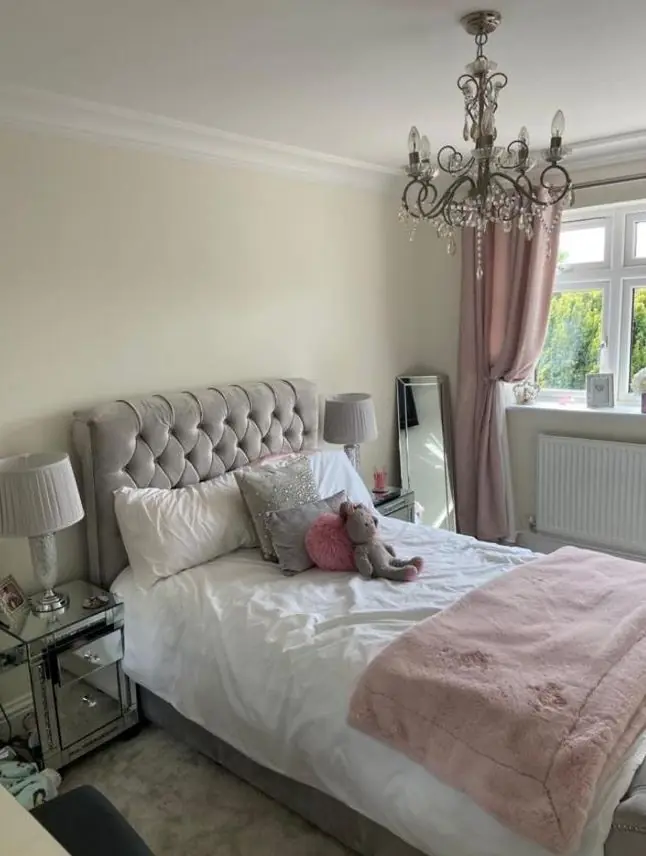
About twenty substantial stone houses went up for yeoman farmers between 1690 and 1720, when wool brought money into the village. Many are only one room deep, and several have since been split into more than one home. A one-room-deep plan often puts windows on both long walls, so light crosses the room from two sides. Raking light from two directions shows every ripple in old plaster, and the cutting-in line along a ceiling that dips by a few centimetres across its length. We roll and lay off with that in mind, and we cut in to the line that looks straight rather than to the true level. On these walls straight and level are rarely the same thing.
The bigger point is breathability. Solid ironstone and cob walls with lime plaster need to let moisture out. A vinyl emulsion traps it, and within a season or two you get blistering, flaking or a powdery bloom. So we use mineral or clay-based paints in these rooms, and fill cracks with lime-based filler that moves with the plaster rather than shrinking away from it. The interior painting service page sets out our preparation in full.
Listed rooms and the damp lower lanes
The parish has around 45 listed entries, including Adams Cottage on Kings Lane, The Hollies and The Croft, and the terrace at 1, 3 and 5 The Avenue. Listing covers interiors, so stripping historic finishes or changing the character of a room can need listed building consent from West Northamptonshire Council. Repainting like for like is usually fine. We’ll talk it through, but the council is the one to confirm.
The village slopes steeply down to the Nene floodplain, and houses on the lower ground, such as along Nether Lane and at the foot of Chapel Street, can show damp at the base of walls. We check with a moisture meter before painting low-level plaster. Paint over a wet wall only hides the problem for a few weeks.
Getting a van and dust sheets to the door
Interior jobs still depend on access. The Green is narrow and steep with no pavements, Kings Lane closes into a channel between boundary walls by The Hollies, and Sutton Street’s cottages sit on very narrow pavements with little rear access. On those lanes we agree loading and parking before the first day and carry materials in by hand so nothing blocks the road. Collins Hill and The Crescent pose no such problem, and since the 2018 bypass the High Street itself is quieter, with wide grass verges.
Flore is about 6.7 miles west of Northampton town centre, so a full repaint can run over consecutive days without long travel gaps. For other work in the village, see our Flore area page, and for budgeting, the painter and decorator cost guide.
Last updated by Dean, DH Painter & Decorator.