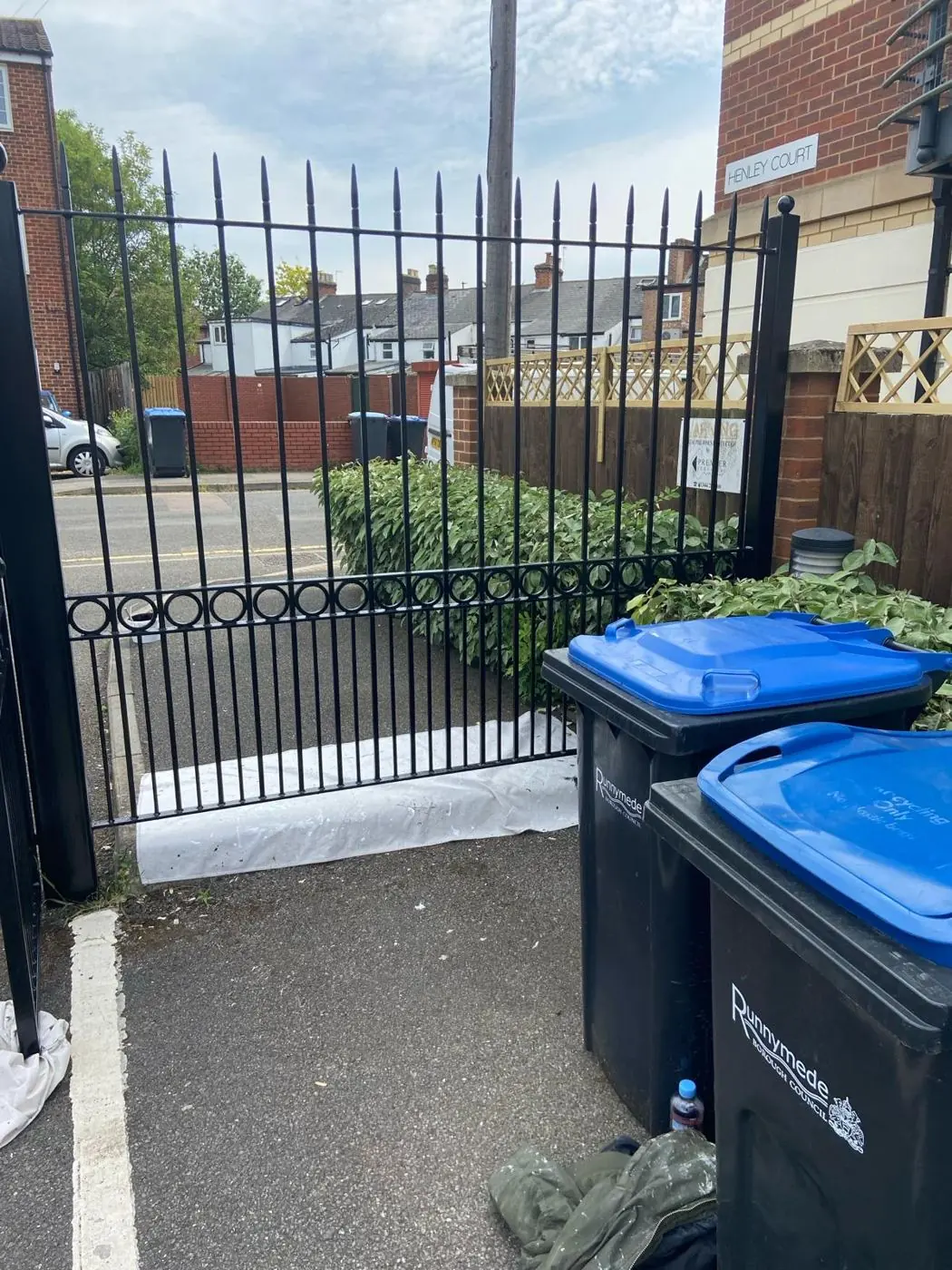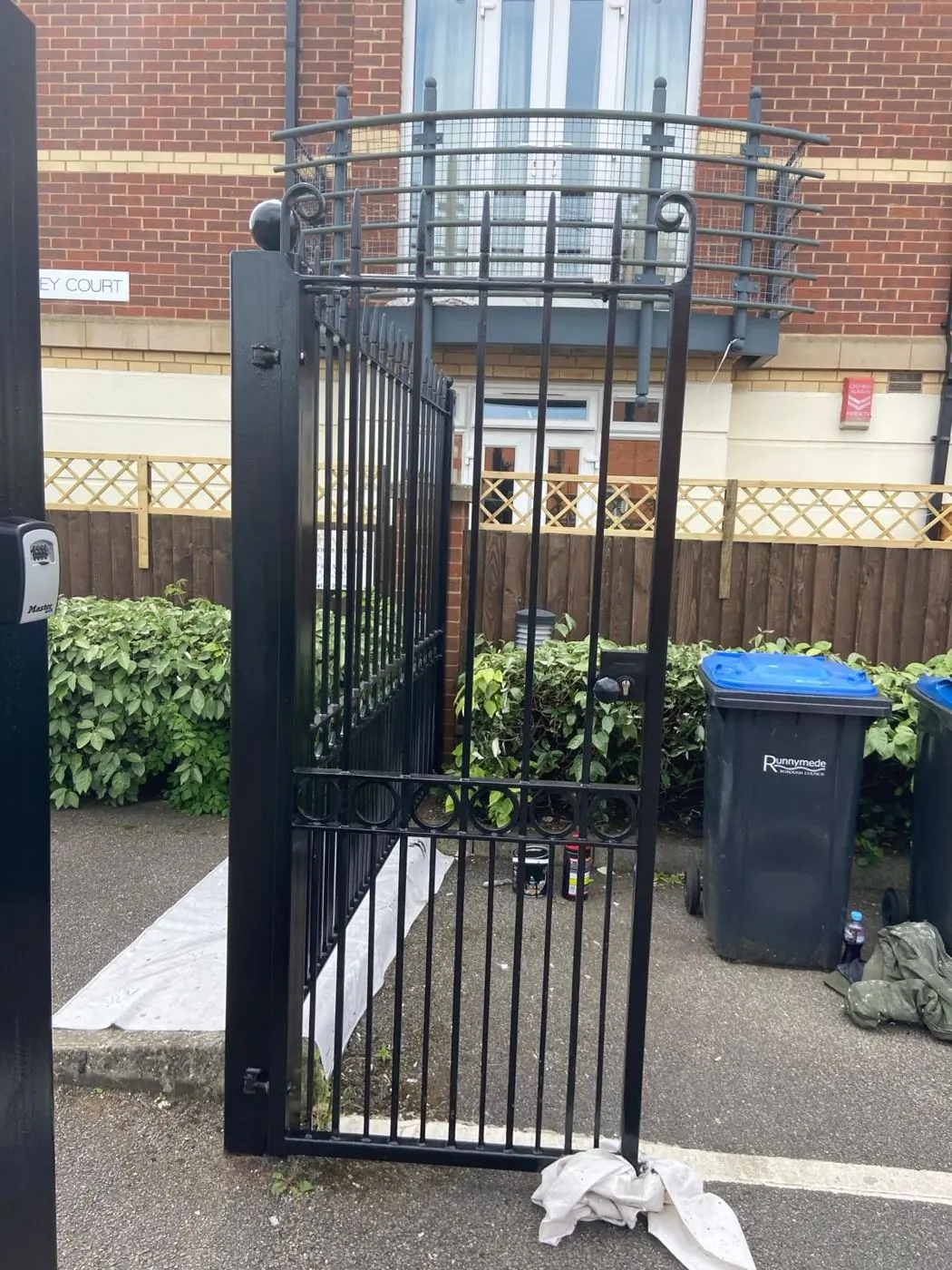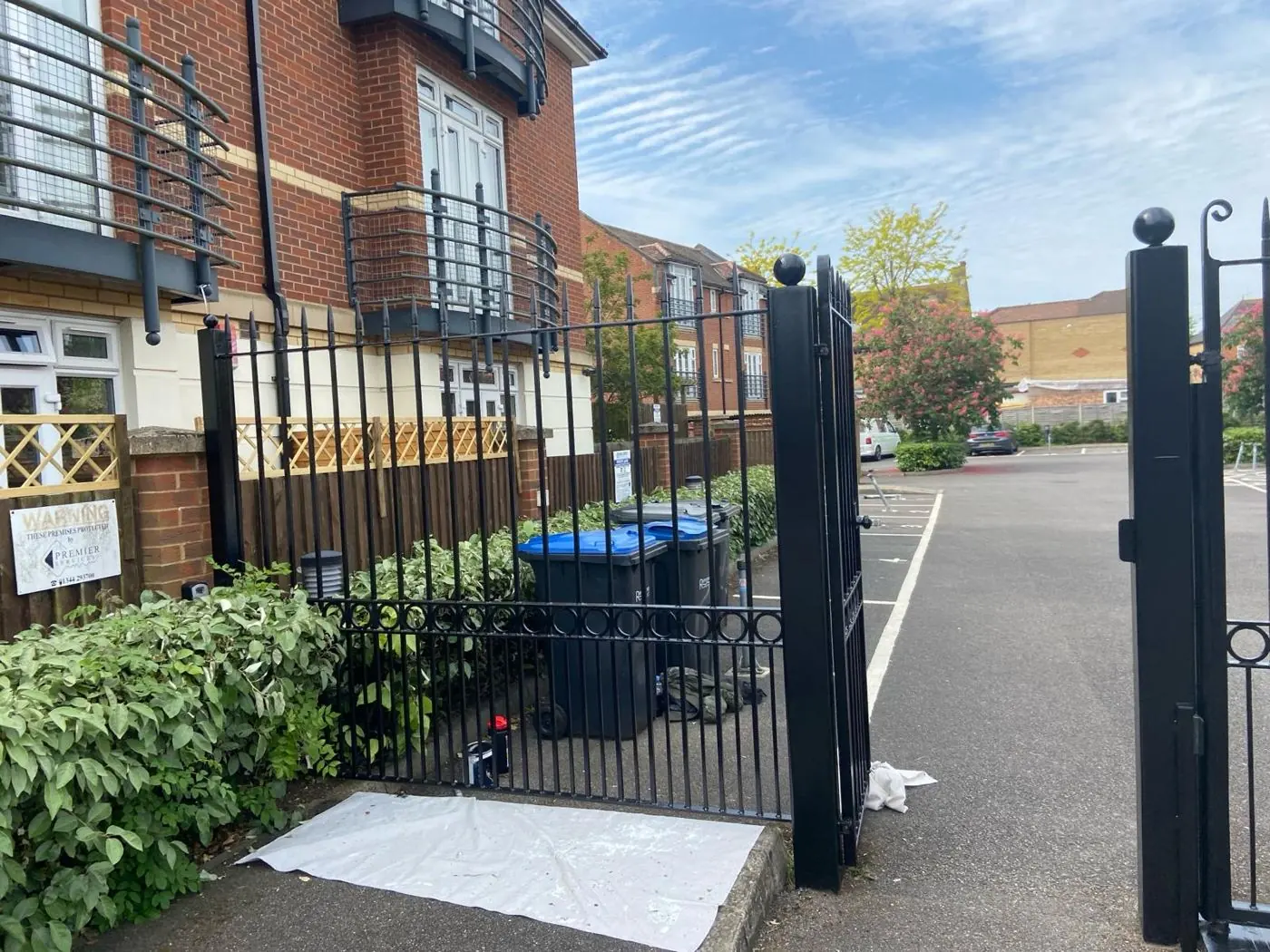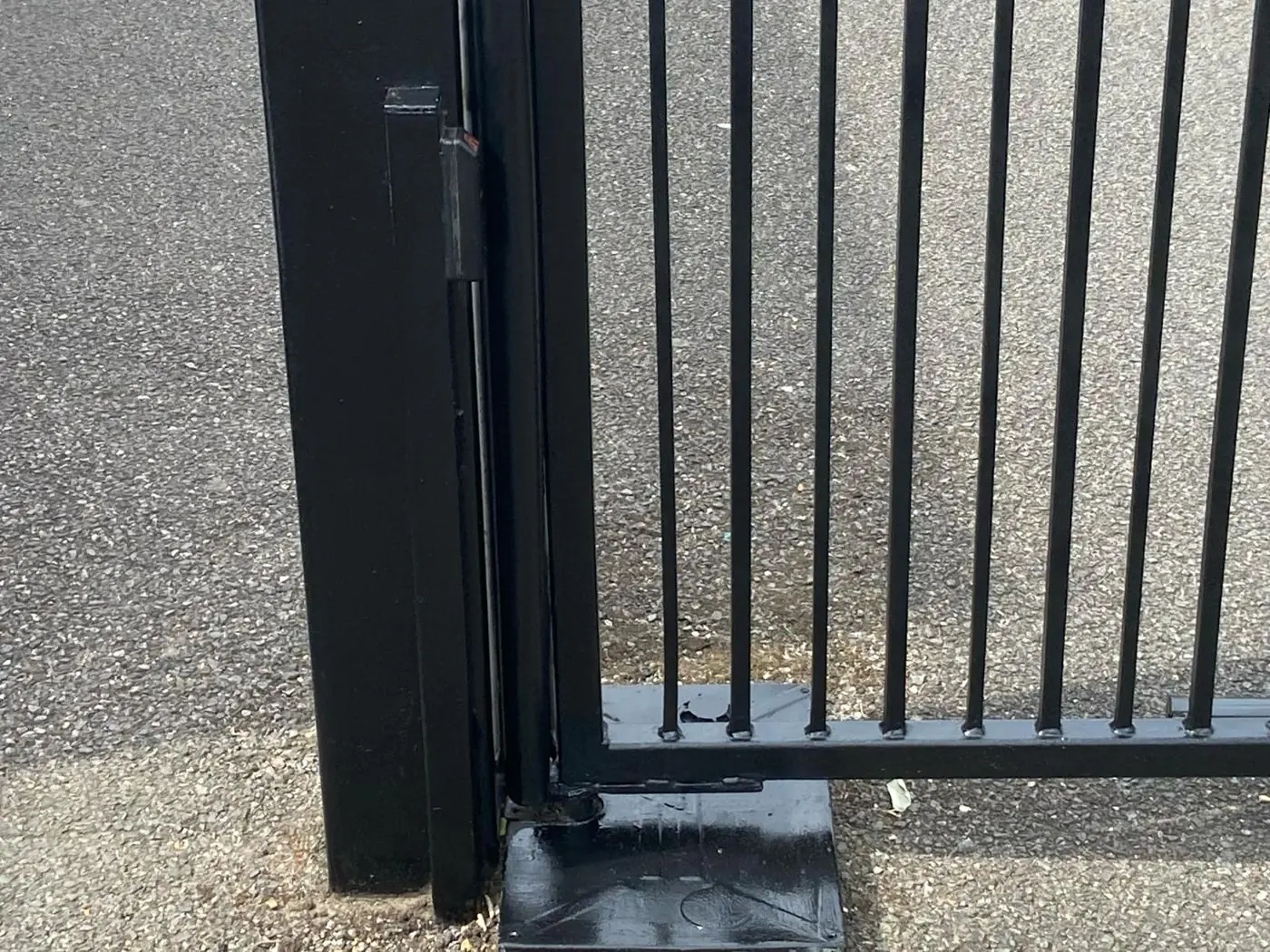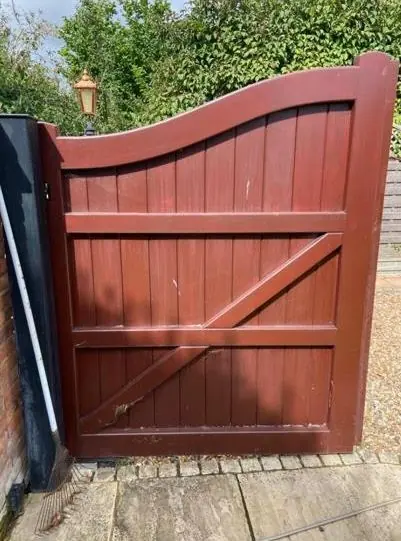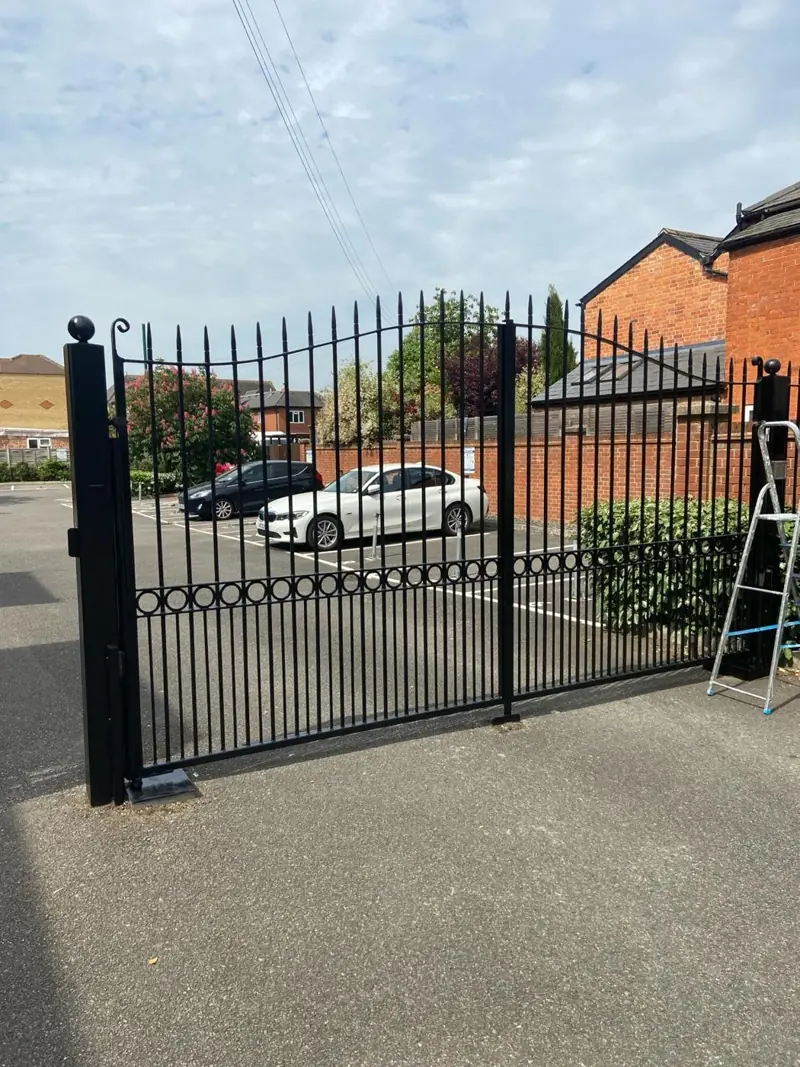
We stain and treat fences and timber gates in Flore, NN7, about 6.7 miles west of Northampton town centre. Most of this work is on the 20th-century streets and the new homes at the northern edge; in the old core, built walls and road-facing frontages do much of the job fences do elsewhere.
Where Flore’s fences are
In the historic core, boundaries are mostly built. Kings Lane closes between boundary walls beside The Hollies and The Croft, houses on The Green and Sutton Street front straight onto the road, and the village even has a listed cob boundary wall on Sutton Street. Panel fences are not the main feature there.
The garden timber is further north and later. The semis and short terraces of the inter-war and post-war streets, the council-built houses on Nether Lane and the bungalows on The Avenue and Russell Rise typically have rear gardens split by fences, often with a side gate. The new estates on the former farmland at the northern edge add another batch of close-board and panel fencing, usually installed with a thin factory treatment that fades within a couple of years.
Before you replace a gate by the road
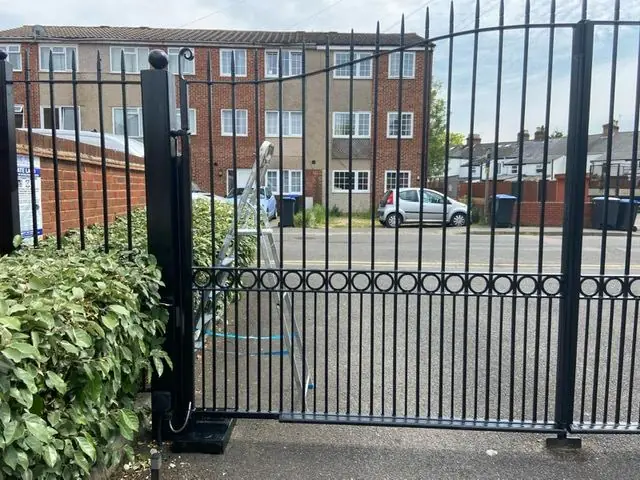
One rule is easy to miss. Inside the Flore Conservation Area, demolishing a wall, gate or railing over one metre high that sits next to a highway needs permission. The appraisal also raised the idea of further controls on walls, gates and fences, though we found no confirmed Article 4 Direction. If you own a house in the core with a tall timber gate onto a lane, refinishing the gate you have is the straightforward route; taking it out and putting up something different is a planning question, and you should check with West Northamptonshire Council first. Staining a gate the same colour it already is does not alter it.
Shade, orchards and timber that stays wet
Flore’s tree cover shapes how a fence wears. With 25 individual Tree Preservation Orders, 10 TPO groups and surviving orchards, many gardens have a fence line that sits in shade for most of the day, collecting leaves and staying damp along the bottom rails. Gardens lower down the south-facing slope towards the Nene floodplain hold more moisture again. On a Flore job we expect:
- Leaf litter cleared from the base of panels and gravel boards.
- A fungicidal wash on green and black growth, left to work and then brushed off.
- Time for the timber to dry, checked by touch and, if doubtful, a moisture meter, before any stain goes on.
- Extra attention to posts, bottom boards and gate rails, where rot starts.
A TPO branch hanging over a fence stays where it is, so we brush and stain beneath it by hand.
Choosing a finish for a north-side garden
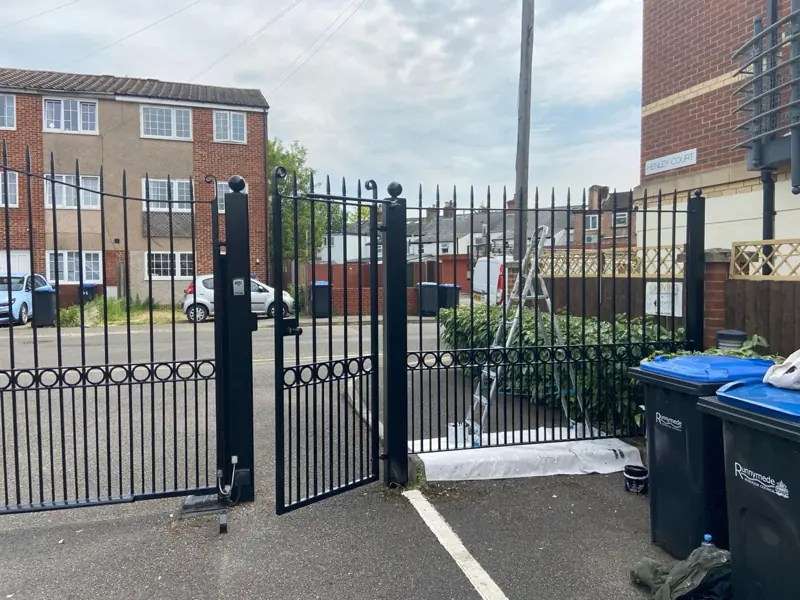
Outside the conservation area, colour is your choice. A spirit- or water-based fence treatment is quick to apply to large runs of panels on a Collins Hill or Crescent garden. A penetrating oil or translucent wood stain suits a planed timber gate, where you want the grain to show. Opaque finishes hide patchy, weathered boards well but need recoating on schedule. For a gate in the old core, a muted traditional colour or plain timber tone sits better against ironstone and red brick.
Fence and gate work often goes well with an exterior repaint, and on the estates north of the High Street it can be done in the same visit as windows and fascias. Stain types and how long they last are covered on our main fence and gate staining page; the Flore area page describes the rest of the village, and the cost guide explains what affects a quote.
Last updated by Dean, DH Painter & Decorator.