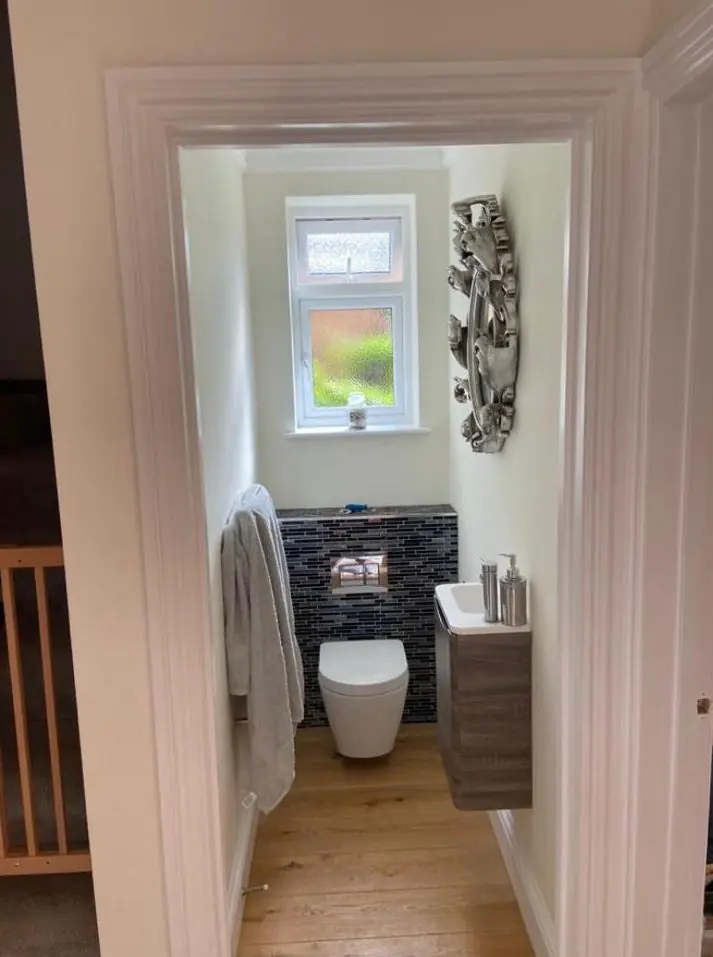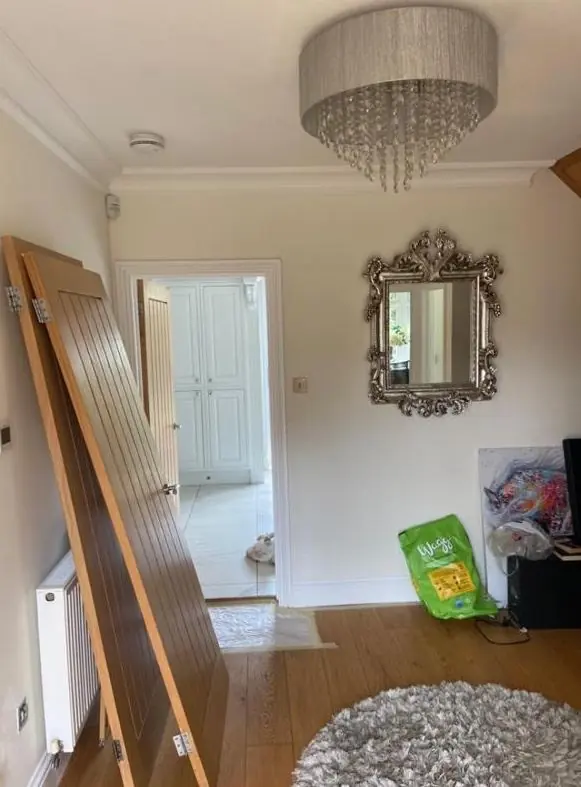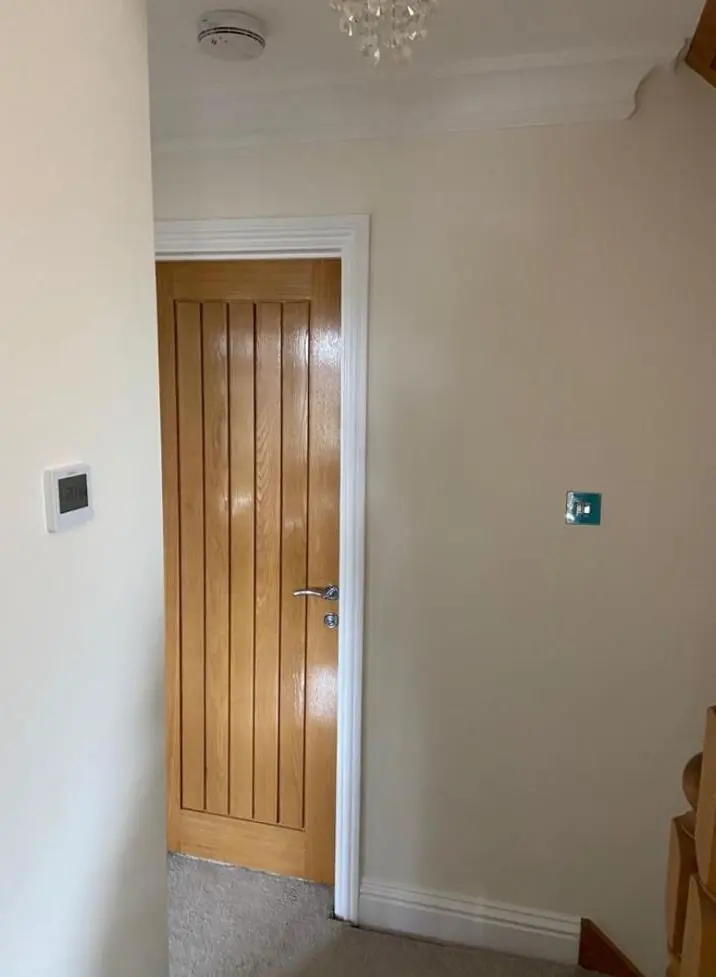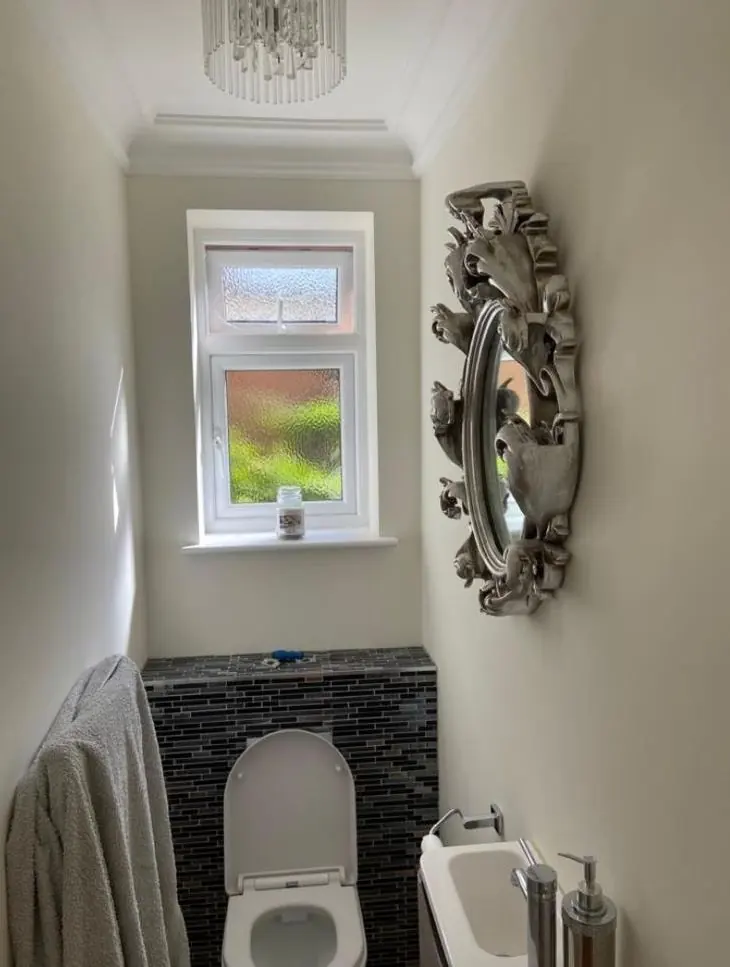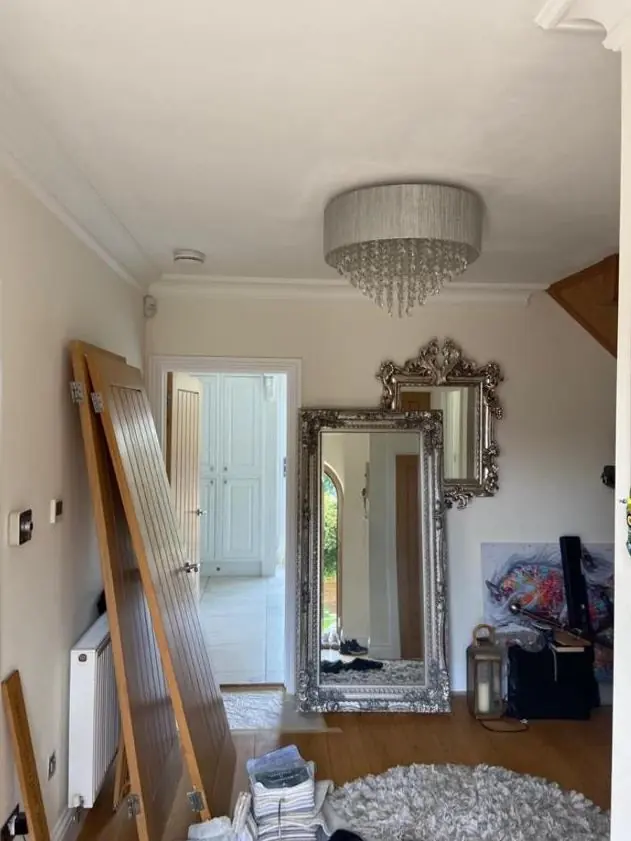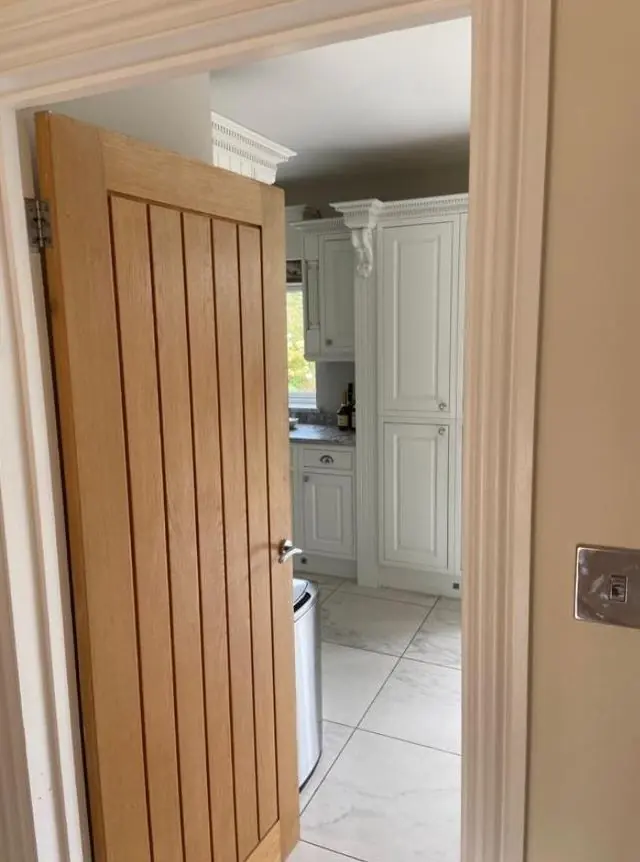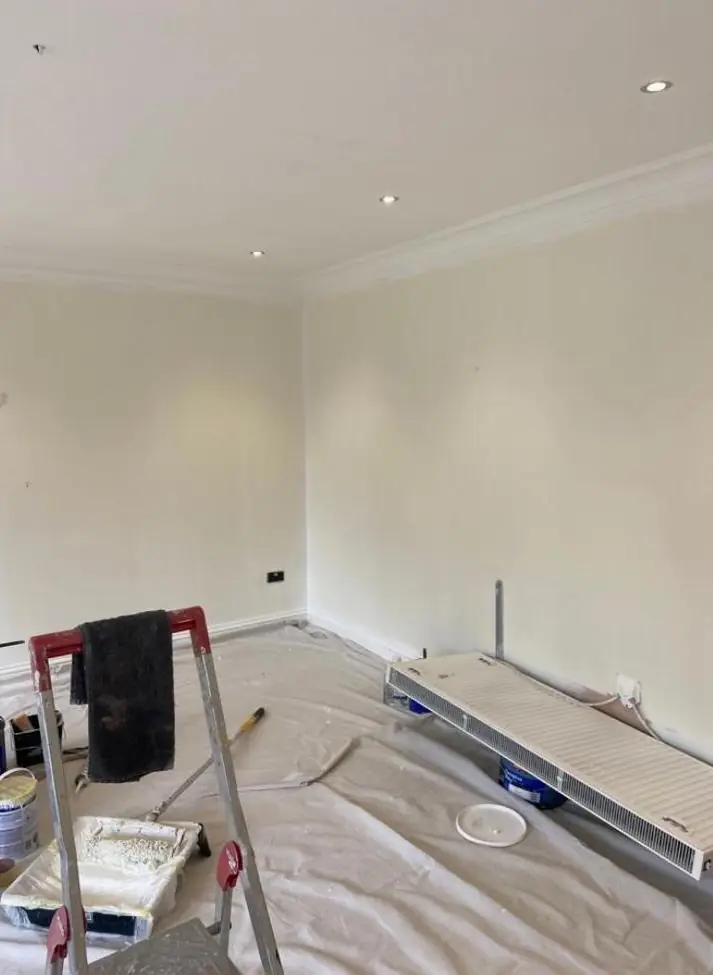
Dean paints interiors in Bugbrooke, the NN7 village about 5.1 miles west of Northampton town centre. In the listed 17th and 18th century cottages that means breathable paint on old lime plaster and careful work around beams and attic rooms; in the later houses on streets such as Levitts Road and Meadway, it means durable modern emulsions and trim paints.
Old lime plaster behind the ironstone fronts
The historic core of Bugbrooke, along High Street, West End, Ace Lane and Church Lane, is mostly coursed squared ironstone from the 17th and 18th centuries. Behind those walls the rooms are usually finished in lime plaster, which is softer than modern gypsum and needs to let moisture move through it. Solid stone walls with no cavity rely on that. Seal the plaster with a heavy vinyl emulsion and the damp that would have evaporated gets held in the wall, and before long the paint blisters or the surface turns powdery.
So in these cottages we use breathable emulsions, often clay or mineral based, and fill cracks with lime-compatible fillers rather than hard gypsum fillers that shrink away from soft plaster. We keep the walls looking their age, too. Undulating plaster is part of the character, and skimming it flat is plastering, not decorating, and on a listed building it may not be allowed.
Spine beams, chamfers and attic storeys
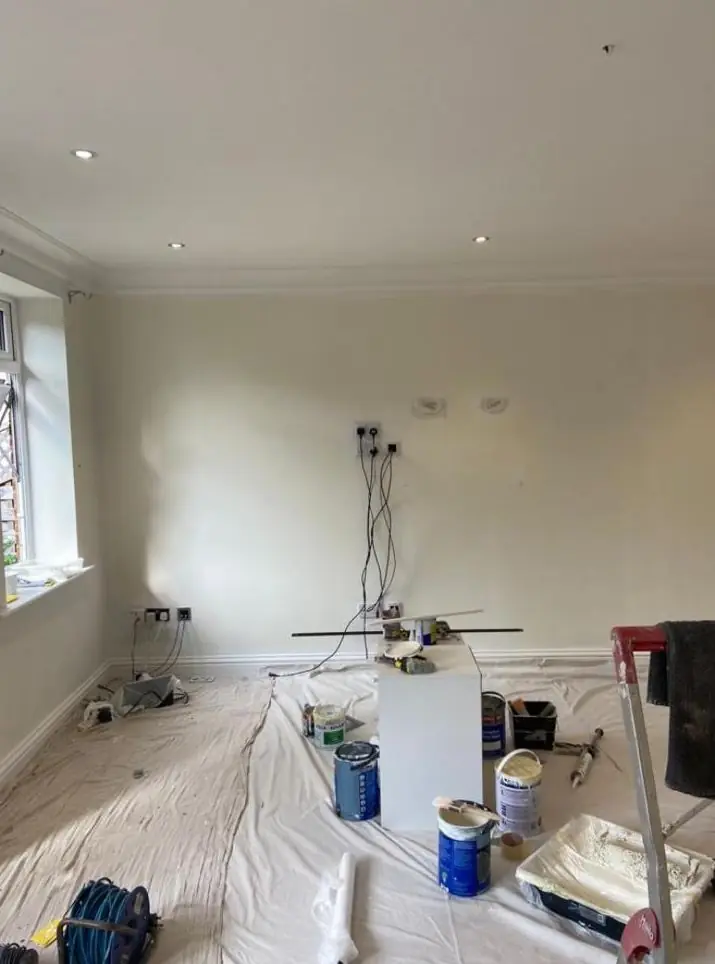
Many of the cottages are two storeys with an attic, and some have gable dormers. That brings low ceilings, sloping walls and chamfered spine beams crossing the ground-floor rooms. Painting around a beam that has been limewashed, oiled or left bare means deciding first whether it should be painted at all. Often the answer is no, and the job becomes a careful cut-in along an uneven timber edge rather than a ruler-straight line.
Attic rooms are slower work than their size suggests. Sloping ceilings meet walls at odd angles, and the light from a small dormer shows up every roller mark across a sloped surface. We plan these rooms with that light in mind and lay off each section in the same direction.
Larger period rooms and the newer streets
Bugbrooke also has bigger interiors. New Creation Hall, the former rectory built in 1815 in yellow brick, has 12-pane sashes with shutters and an iron-balustered stone stair. The Manor House was remodelled in 1881. In rooms of that kind, interior painting is mostly joinery: shutters, panelled doors, sash boxes and skirtings, where years of old gloss need sanding back carefully before a new coat. Our interior painting service page explains how we prepare woodwork and walls in more detail.
Away from the historic core, streets such as Levitts Road, Meadway and Camp Close have later houses with plasterboard or gypsum walls. Those take standard modern systems: a washable matt or eggshell in kitchens and hallways and a durable trim paint on doors and skirtings. If a newer house has a recent extension, new plaster needs a mist coat before anything else goes on.
Listed interiors and what to check first
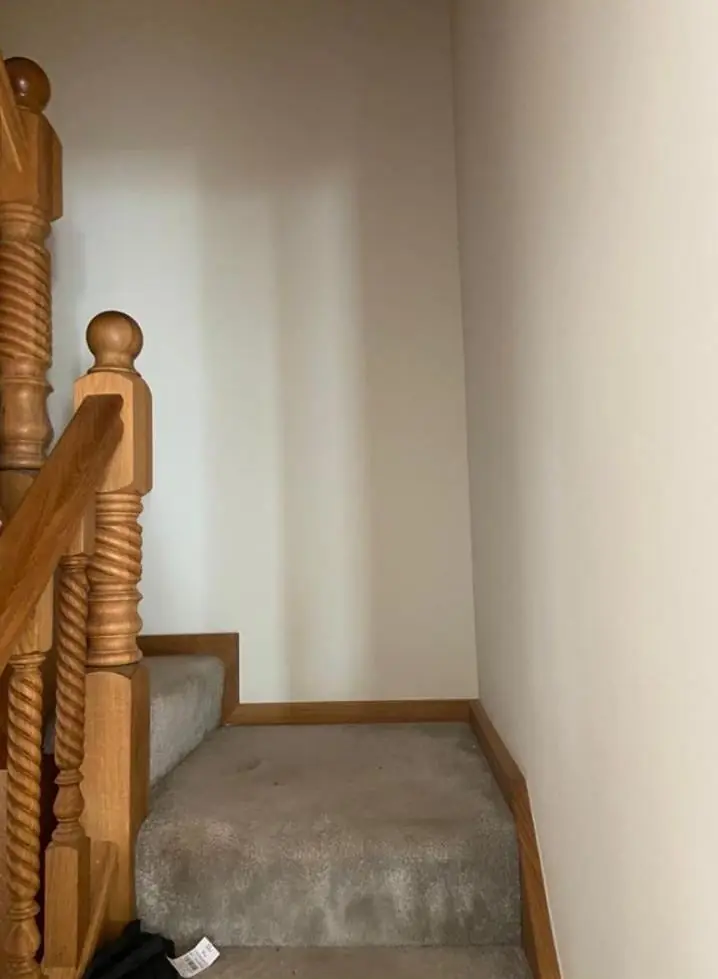
The Bugbrooke Conservation Area has 32 listed buildings. Listing covers the inside of a building as well as the outside, so stripping historic finishes, removing old paint from panelling or changing the character of a room can need listed building consent from West Northamptonshire Council. Redecorating like for like does not usually need consent, but if you’re unsure, ask the council before work starts. We’ll help you work out which surfaces are original and which are later.
| Where in Bugbrooke | Typical walls | What we use |
|---|---|---|
| Ironstone cottages in the core | Lime plaster on solid stone | Breathable mineral or clay emulsions, lime-compatible filler |
| Early 19th century yellow-brick houses | Old plaster, panelled joinery, shutters | Breathable wall paint, careful sanding and oil-based or waterborne trim paint |
| Later streets off Levitts Road | Gypsum plaster or plasterboard | Modern washable emulsions and durable trim paint |
Getting into the old lanes
Ace Lane, Church Lane, Great Lane and Pilgrims Lane are narrow and lined with stone walls, so there is little space to park a van. For interior work that matters less than it would for scaffolding, but it does shape how we unload dust sheets and steps. Some listed rows have their entrances at the back, and the row of four at 37-43 High Street has only one front door, so we’ll ask how you reach the house before the first day. Bugbrooke is about 5.1 miles west of our Northampton base, and you’ll find more about the village on our Bugbrooke area page.
Last updated by Dean, DH Painter & Decorator.