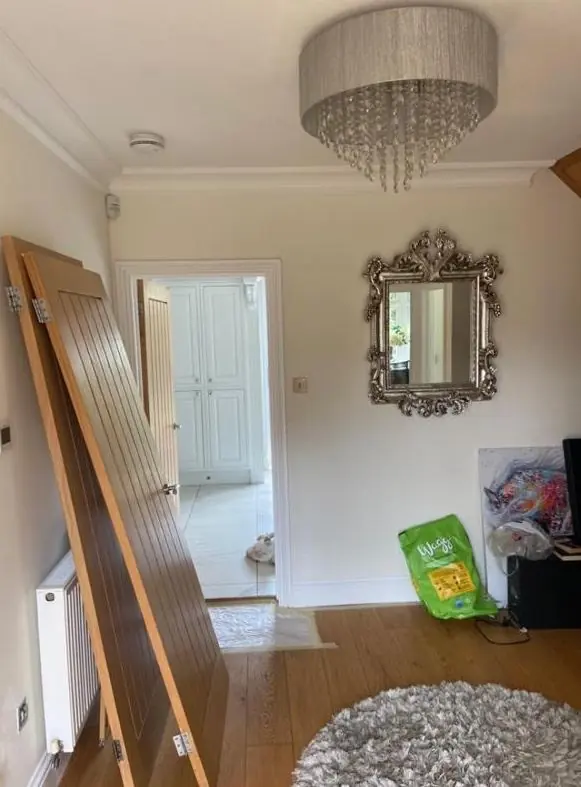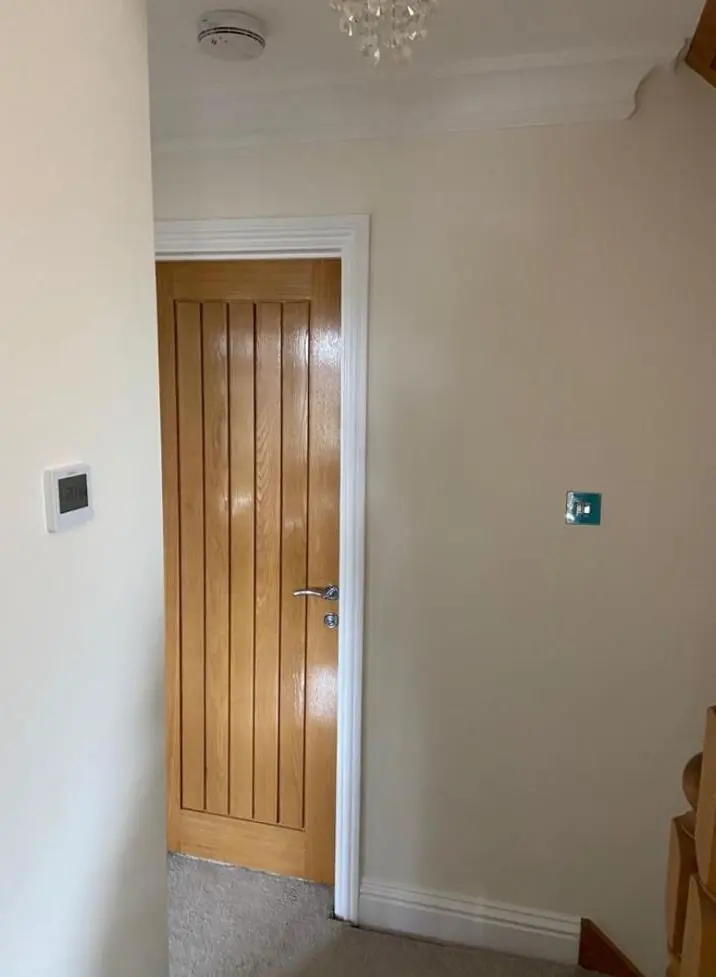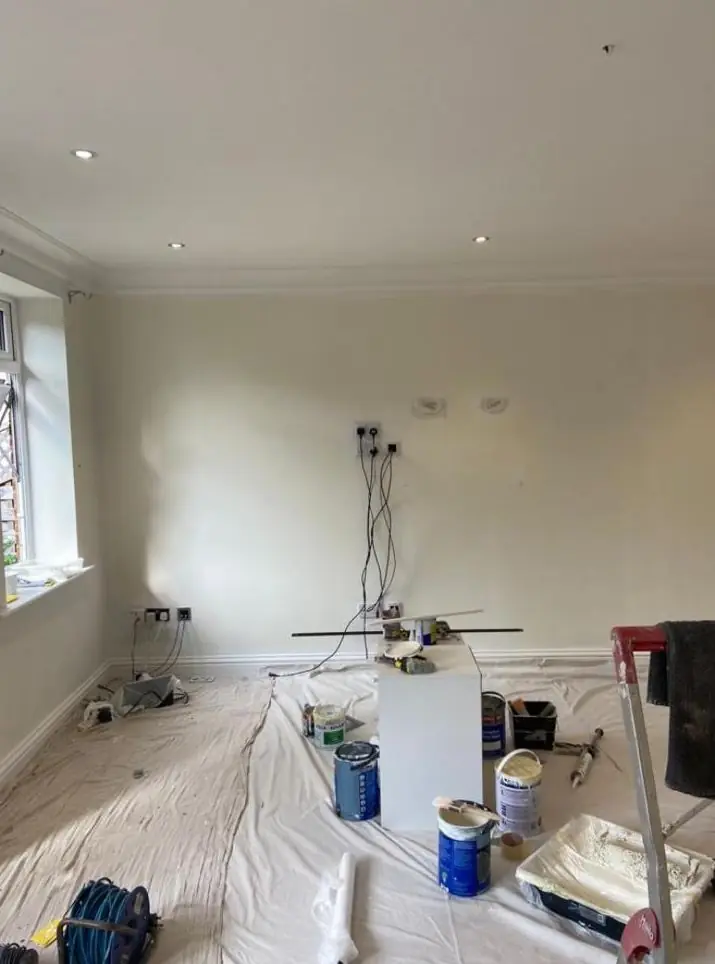
Dean gives colour and finish advice as part of decorating jobs in Flore, NN7, about 6.7 miles west of Northampton town centre. Outside, that means working with the 2018 conservation area guidance on white windows and muted door colours; inside, it means judging shades in the village's stone farmhouses and its 20th-century and newer homes.
What the conservation appraisal expects
The Flore Conservation Area was designated in May 2018, and its Appraisal and Management Plan was adopted the following month. It is fairly specific about colour. It records that the village’s traditional windows are mostly white and wants replacements kept white or in a shade taken from the original joinery. Timber doors, whether six-panel Georgian or four-panel Victorian, are described as painted in traditional muted colours. Shutters and porches, where they are painted, are white or muted too. Where lime render survives it is white throughout, as on Marsh Cottage and the whitewashed Adams Cottage on Kings Lane.
That doesn’t mean every door has to be the same shade. It means the colour should sit back against the building rather than compete with it. In practice we steer towards heritage palettes: deep greens, dark blue-greys, soft blacks, muted reds and stone tones, in a finish suited to old timber. If the house is listed, and there are around 45 listed entries in the parish, a change of colour may need listed building consent, so check with West Northamptonshire Council before committing.
Picking colours against ironstone and red brick
The appraisal places real value on the deep burnt-orange colour of Flore’s Northamptonshire ironstone, and much of the core is left as bare stone or local red brick in Flemish bond. That masonry is the main colour of the street, so the joinery is chosen to suit it, not the other way round.
| Walling | Door colours that tend to work | What to be wary of |
|---|---|---|
| Orange-brown ironstone | Dark green, blue-grey, near-black | Warm reds and oranges that merge into the stone |
| Red brick, Flemish bond | Off-black, deep blue, muted green | Bright pillar-box red, which fights the brick |
| White lime render or limewash | Most muted shades, including soft greys | Brilliant whites on joinery that make the render look dirty |
The white matters as well. A brilliant white gloss next to a soft limewashed wall can make the wall look grubby. A slightly softer white often reads as cleaner on an old frontage. We put samples on the actual door or a sample board held against the stone, and look at them in daylight from across the lane rather than at arm’s length.
Light on a south-facing hillside
Flore sits on a south-facing slope above the River Nene, so many rooms get strong, warm sun for much of the day. Pale neutrals can bleach out in that light, and cooler greys and greens hold their colour better. Yet mature protected trees and old orchards overhang many gardens, so some rooms sit in green-filtered shade that pulls colours towards grey. Two houses a few doors apart can need quite different palettes.
Many of the older farmhouses are one room deep, with windows on both long walls. Light from two directions changes a colour through the day more than you’d expect, so we judge samples at the time you actually use the room. The general principles of undertone and orientation are explained on our colour and finish advice page.
Outside the boundary: freer choices
The conservation area covers most of the historic core but not the 20th-century streets. On Brockhall Road, The Crescent, Collins Hill and Nether Lane, and in the new homes on the northern side, the colour of doors, fascias and fences is your call. Even there, a door that nods to the village palette tends to age better than a fashionable shade, and it suits the brick.
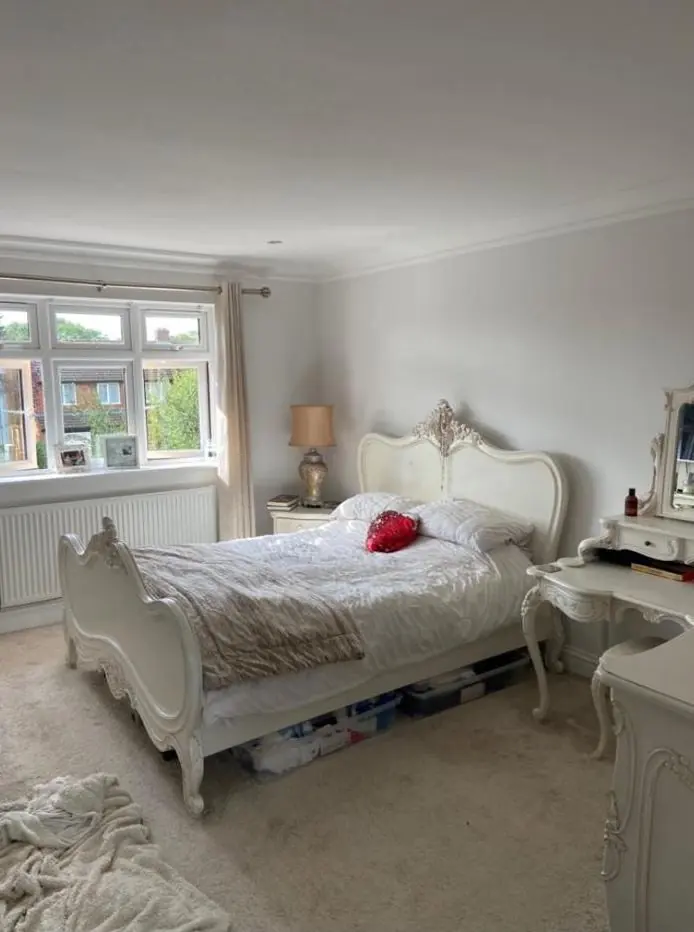
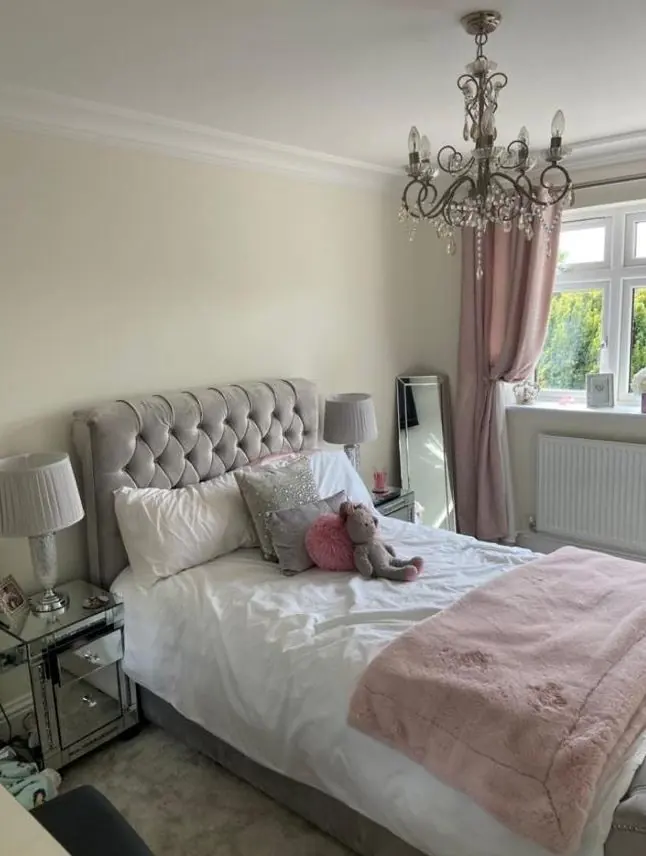
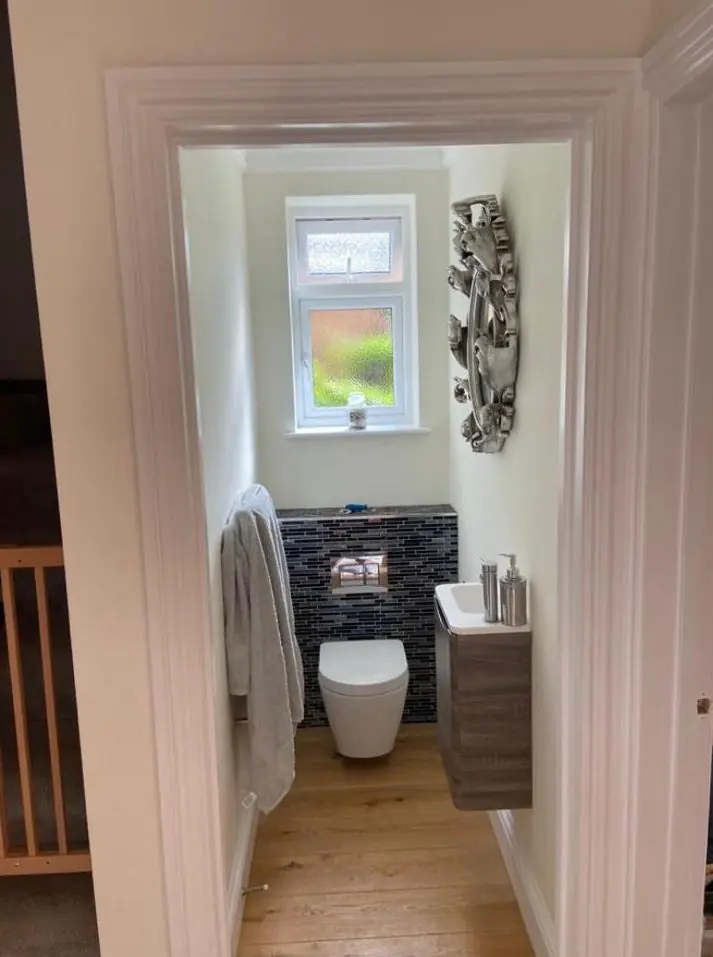
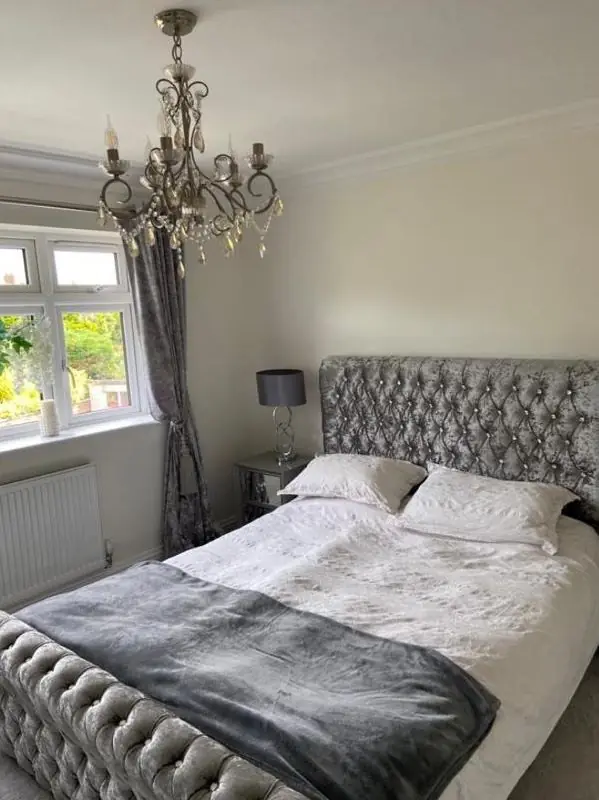
Inside the newer homes the question is usually the opposite one: how to give plain, box-shaped rooms some character without making them dark. We help you choose sheen as well as colour, since a durable eggshell in a hallway behaves very differently from a flat matt. For everything else we do in the village, see the Flore area page.
Last updated by Dean, DH Painter & Decorator.