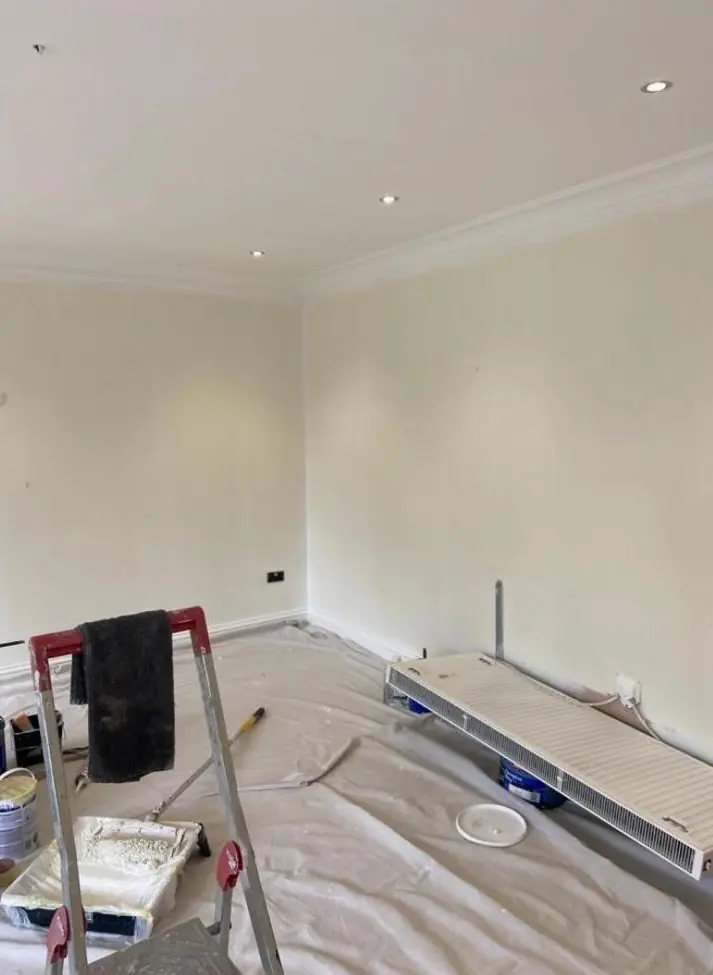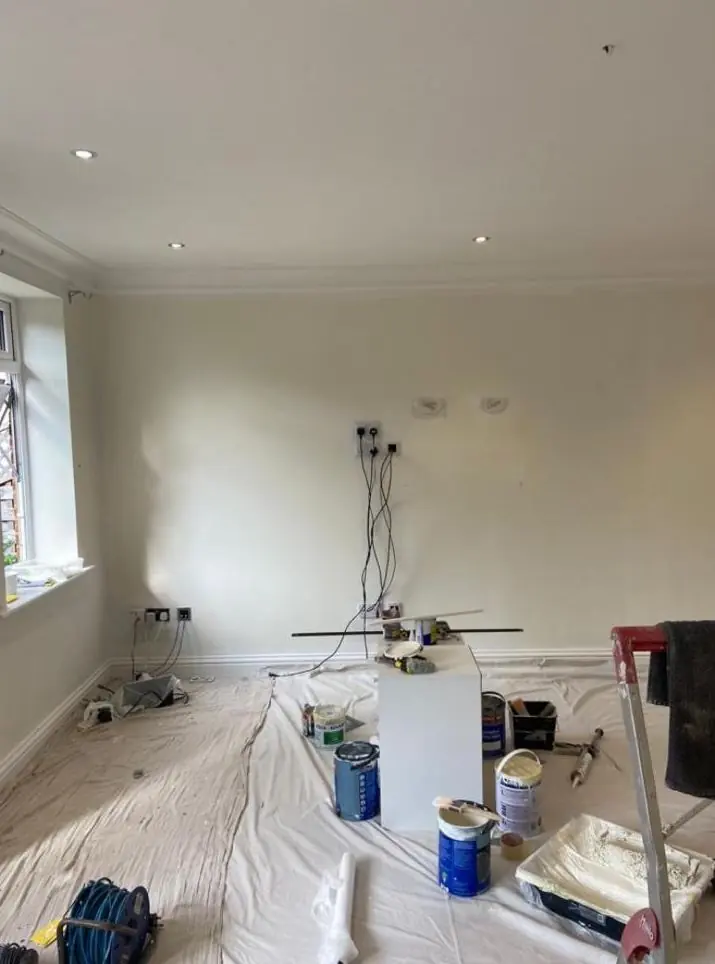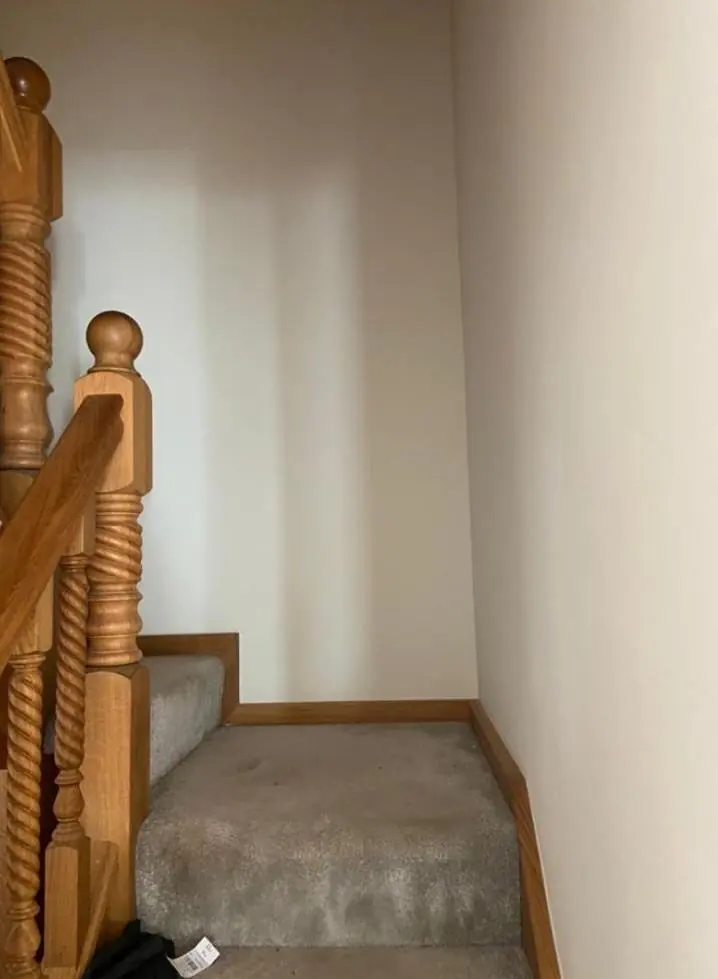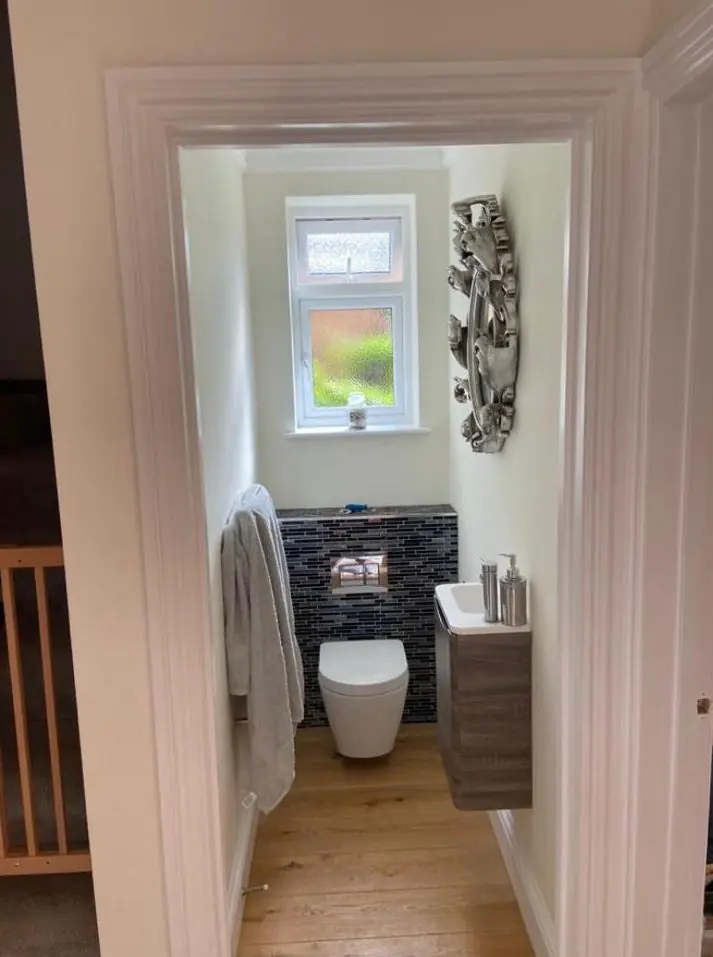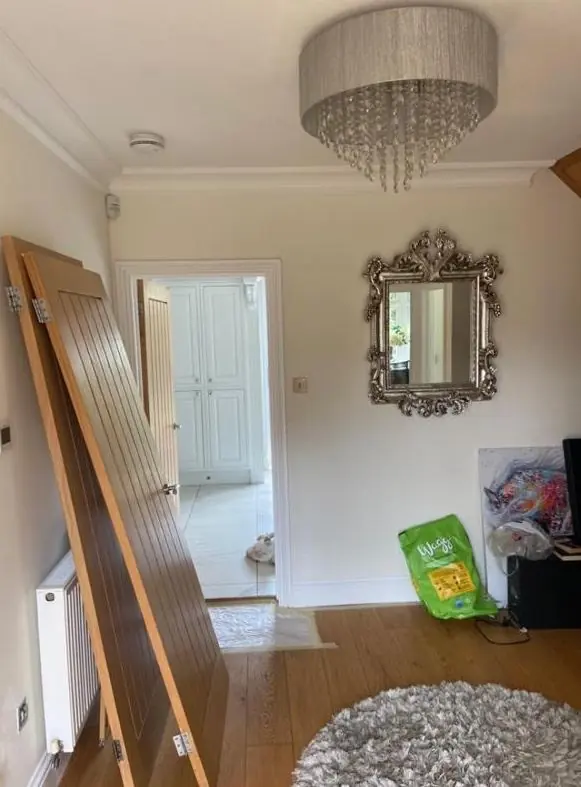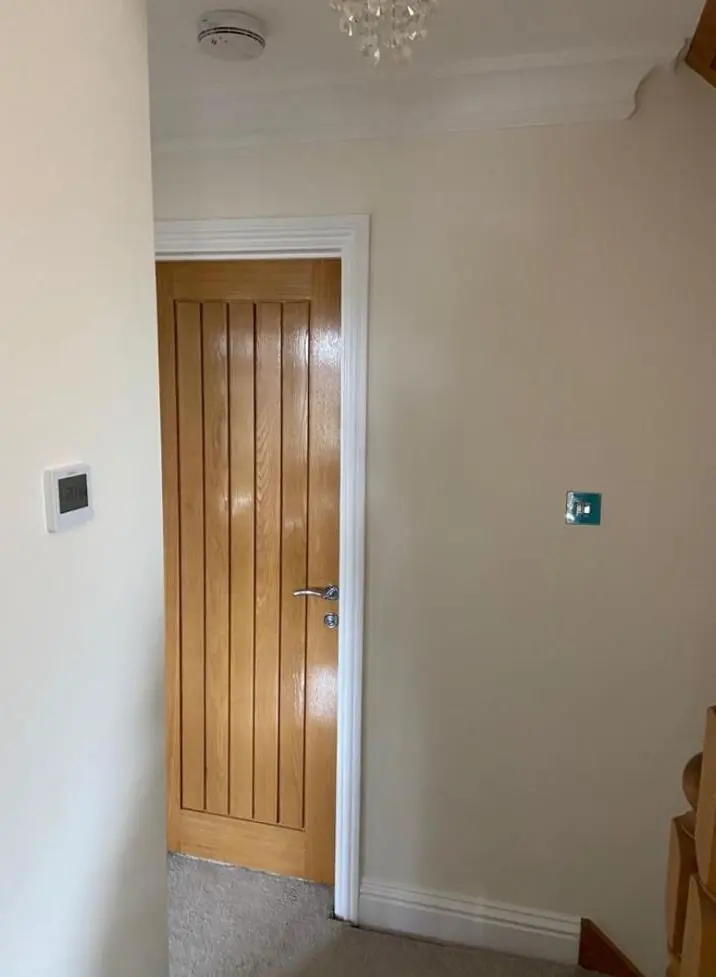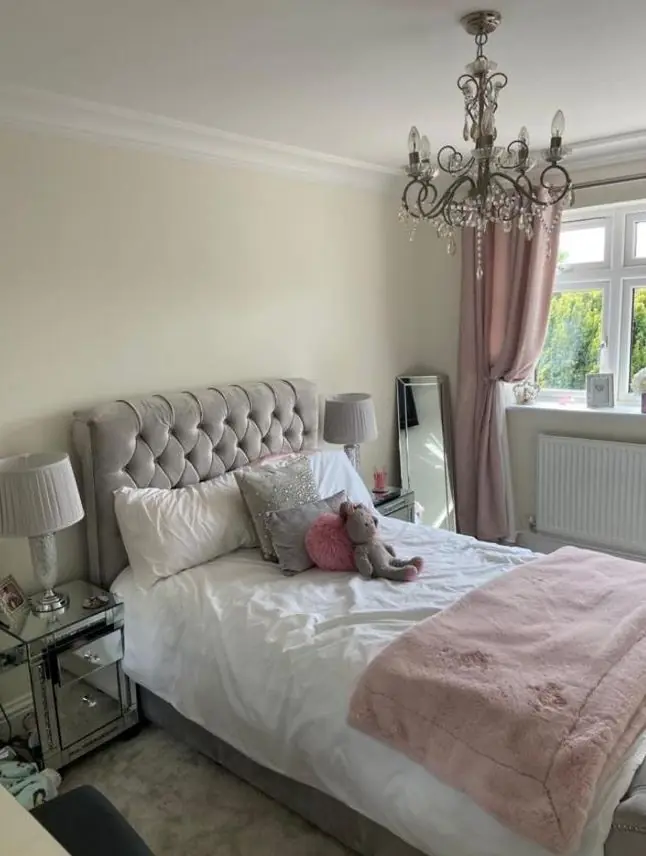
DH Painter & Decorator paints interiors in Kislingbury, the NN7 village a short drive (3.6 miles) west of Northampton. Dean handles walls, ceilings and woodwork in listed cottages with beams and lime plaster as well as in the later houses around the conservation area, and gives a free written quote after seeing the rooms.
Painting inside a 17th or 18th-century ironstone cottage
A good number of the cottages on The Green, Church Lane, School Lane and Hodges Lane were built between the late 1600s and the 1700s, with an attic storey above two floors of rooms. Inside, that usually means walls that lean, ceilings that dip between joists, chamfered spine beams and bressumers, and in places the original lime plaster. None of it wants a modern vinyl emulsion. A plastic paint film sits on lime like a skin, holds moisture in the wall and eventually blisters or lets the plaster behind it go soft.
On these walls Dean uses breathable paints: clay or mineral-based emulsions, or limewash where the wall already has it. Preparation means consolidating loose patches and filling with materials that move with the wall, rather than skimming everything flat. A cottage wall should still look like a cottage wall afterwards. Cutting in along an uneven beam takes far longer than along a straight ceiling line, and that time is built into the quote from the start.
Exposed timber, panelling and the larger houses
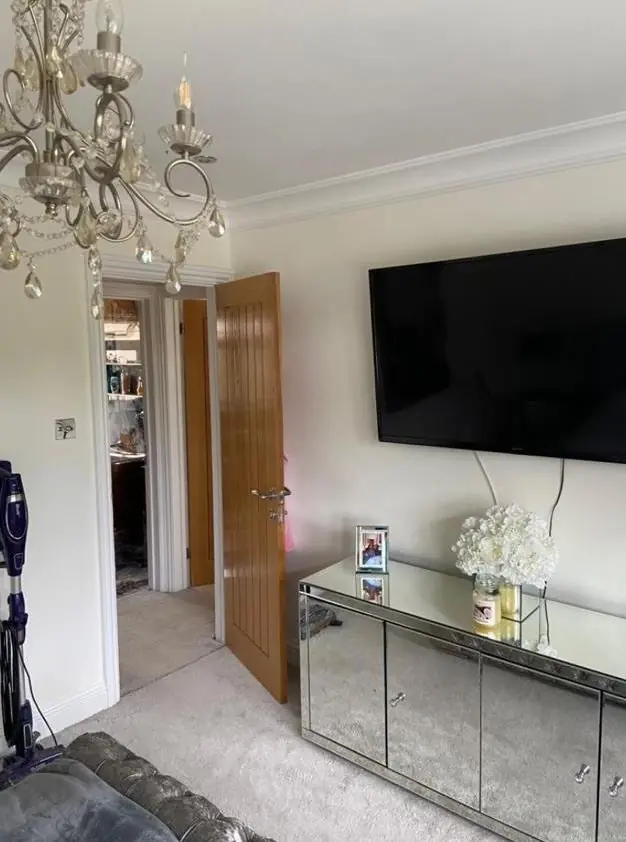
Double-fronted houses such as Kislingbury Hall and Nos. 12-14 High Street have taller rooms, sash windows with 12 or 16 panes and, in some cases, fielded panelling. The Old Rectory’s listed interior shows how much joinery some of these houses hold. Painted panelling needs each panel and moulding treated as its own surface, with a finish that suits the age of the room, often an eggshell or a traditional oil-based coat rather than a hard modern satin.
Where beams are left bare, we mask and cut in to them rather than paint over them, unless you want them painted. If beams were painted or stained years ago, we talk through whether to keep that finish or take it back, and how to do it by hand without heat near old timber.
Ground floors near the river
Kislingbury’s 1998 flood, when the Nene damaged several houses on the village’s northern side, left a legacy indoors. Riverside ground floors have often been re-plastered since, and some walls stay damp-prone. Fresh plaster gets a proper mist coat and enough drying time; we would rather come back a week later than seal moisture in. Where a wall takes on damp from below, we look at the cause with you first, because paint cannot cure rising or penetrating damp and a breathable coating is usually safer than a sealed one. Our guide to mist coats on new plaster explains the drying and sealing stages.
Later homes around the conservation area
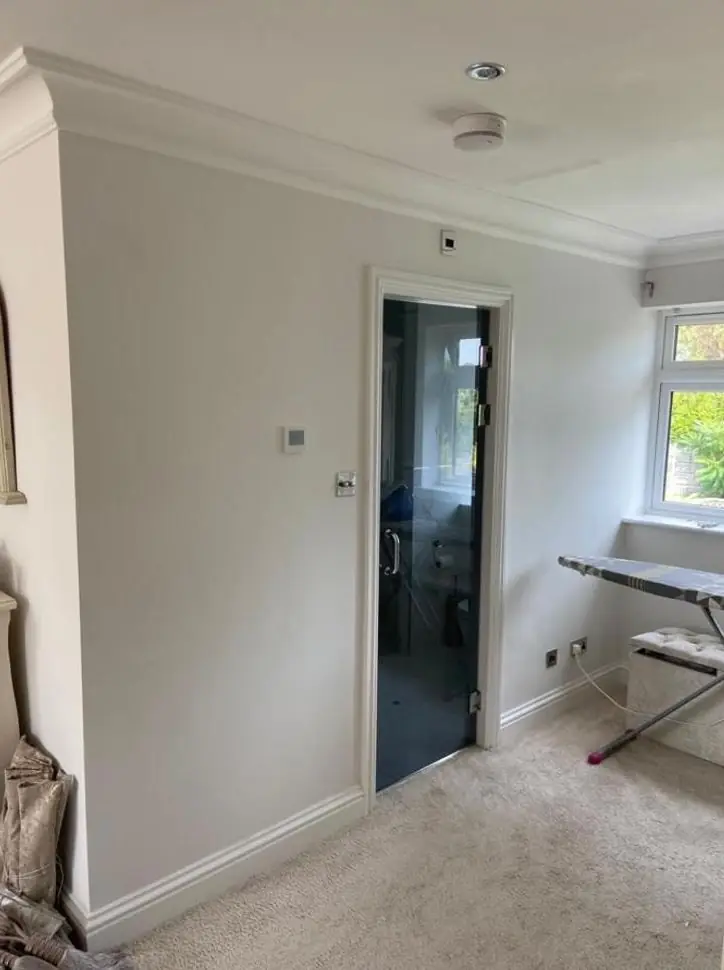
Not every Kislingbury house is listed. The later housing that rings the old core has straighter walls, plasterboard and modern plaster, which suit standard trade emulsions and quicker turnarounds. The main interior painting service page covers how we prepare and sequence rooms in more detail.
| House type | What changes inside |
|---|---|
| Listed cottage with lime plaster | Clay or mineral paint, flexible fillers, slow cutting-in along beams |
| Georgian-era house with sashes and panelling | Eggshell or oil-based joinery finish, panel-by-panel work, a tower for taller ceilings |
| Riverside room re-plastered after flooding | Moisture check, mist coat, a longer gap before top coats |
| Later house outside the core | Standard emulsions and a faster programme |
On Church Lane or School Lane the cottage front is often a step from the lane with a stone wall facing it, so we agree where the van can sit before the first day. Everything else we do in the village is listed on our Kislingbury area page.
Last updated by Dean, DH Painter & Decorator.