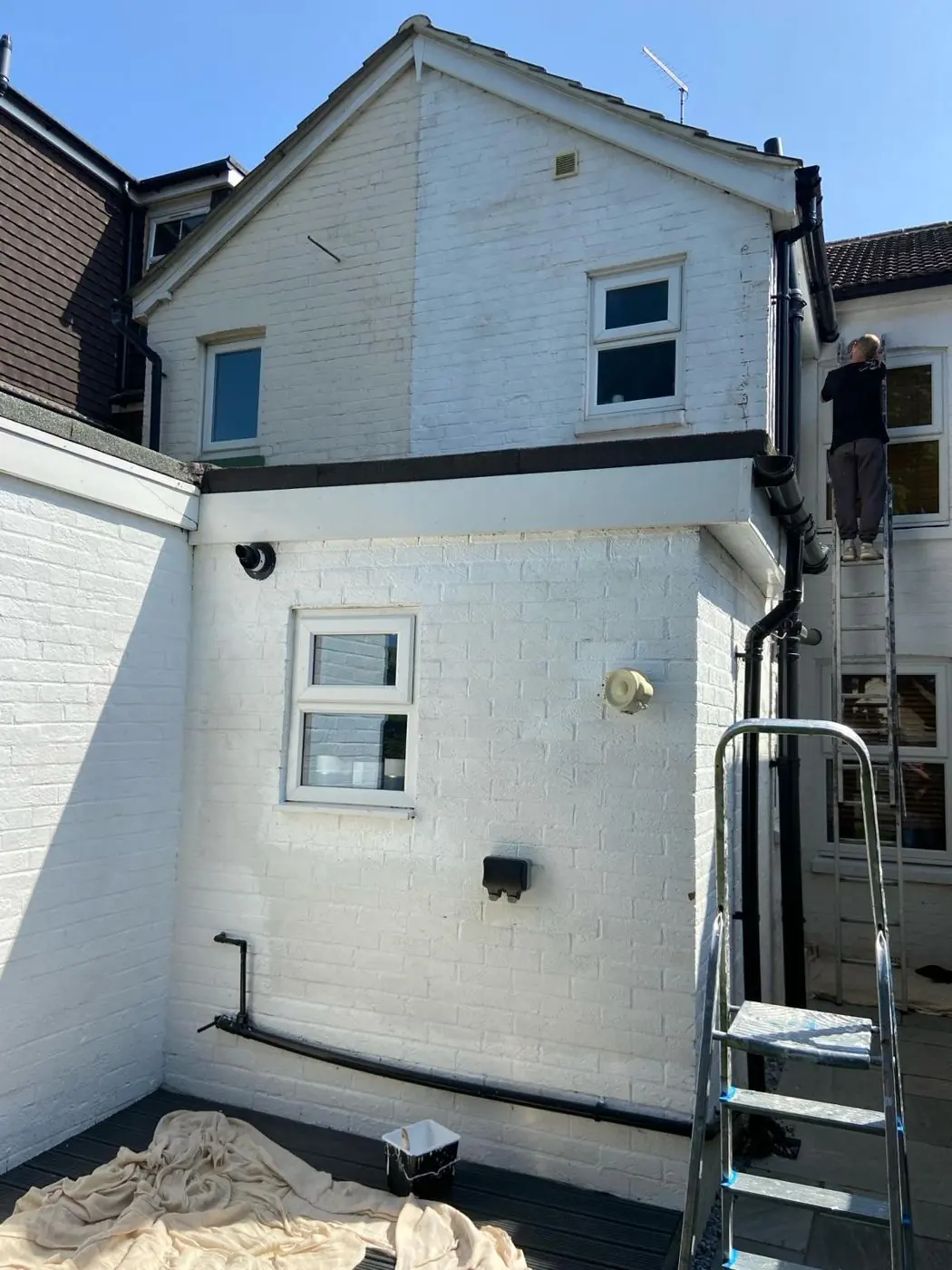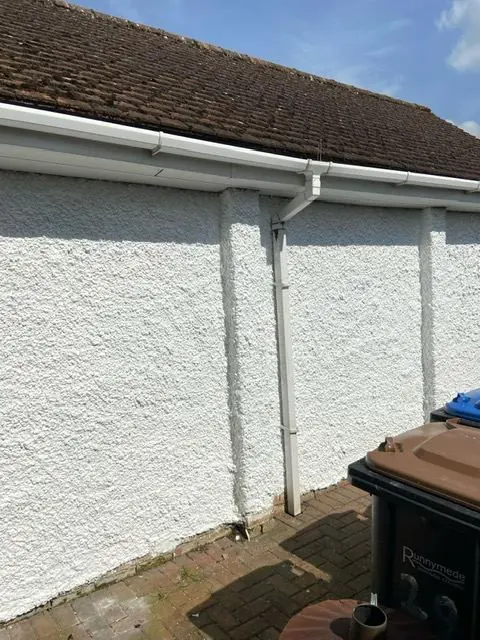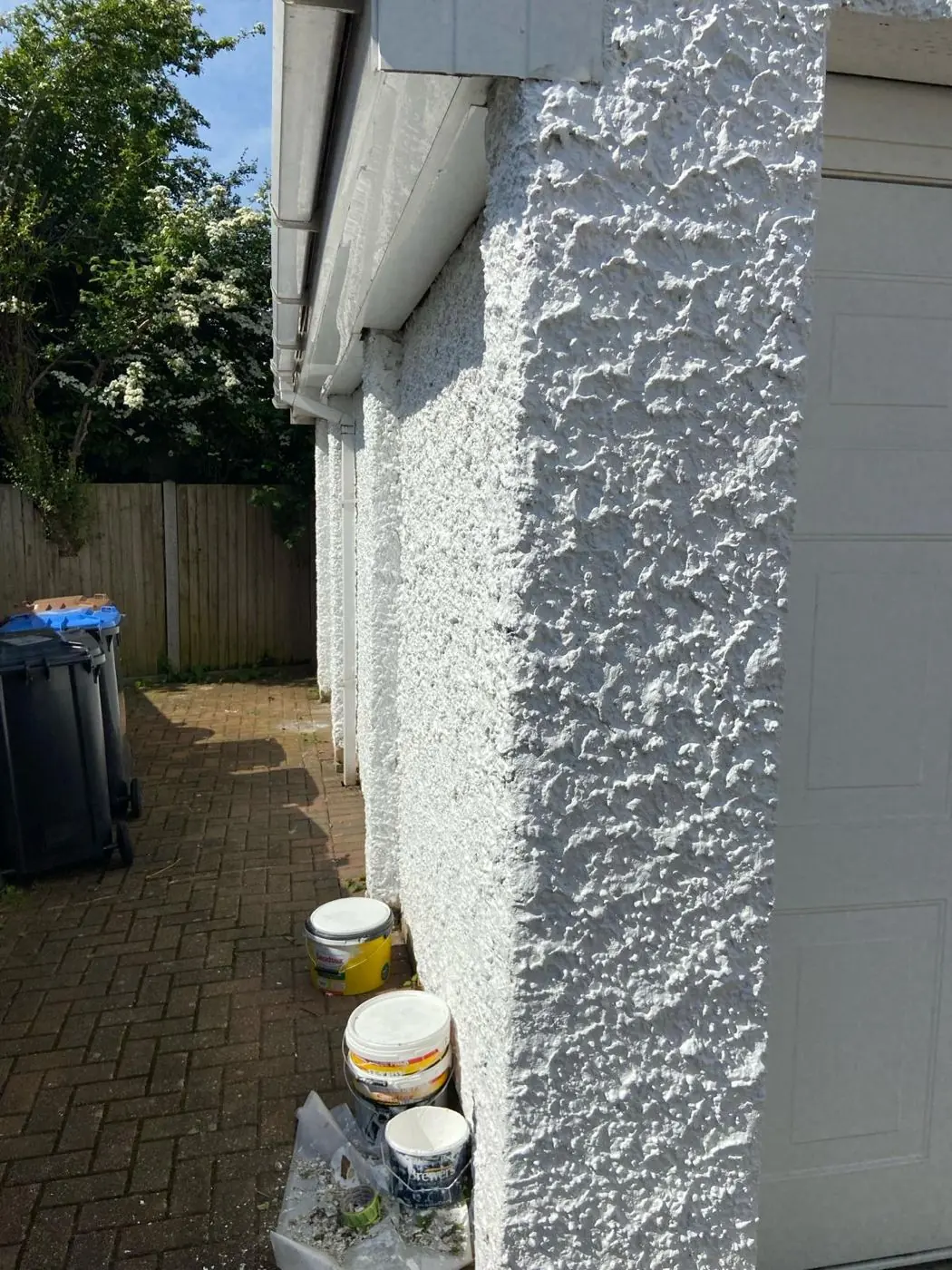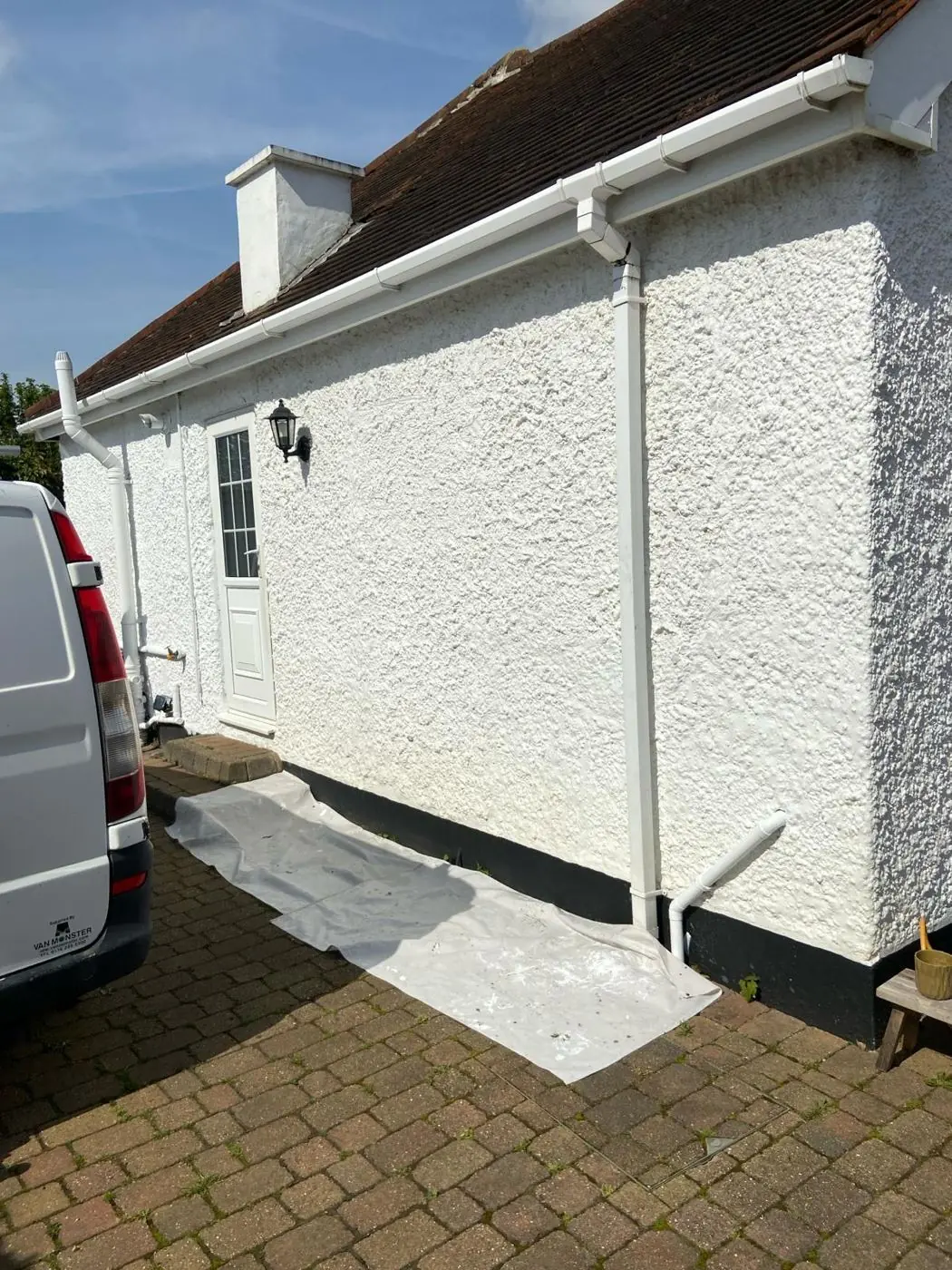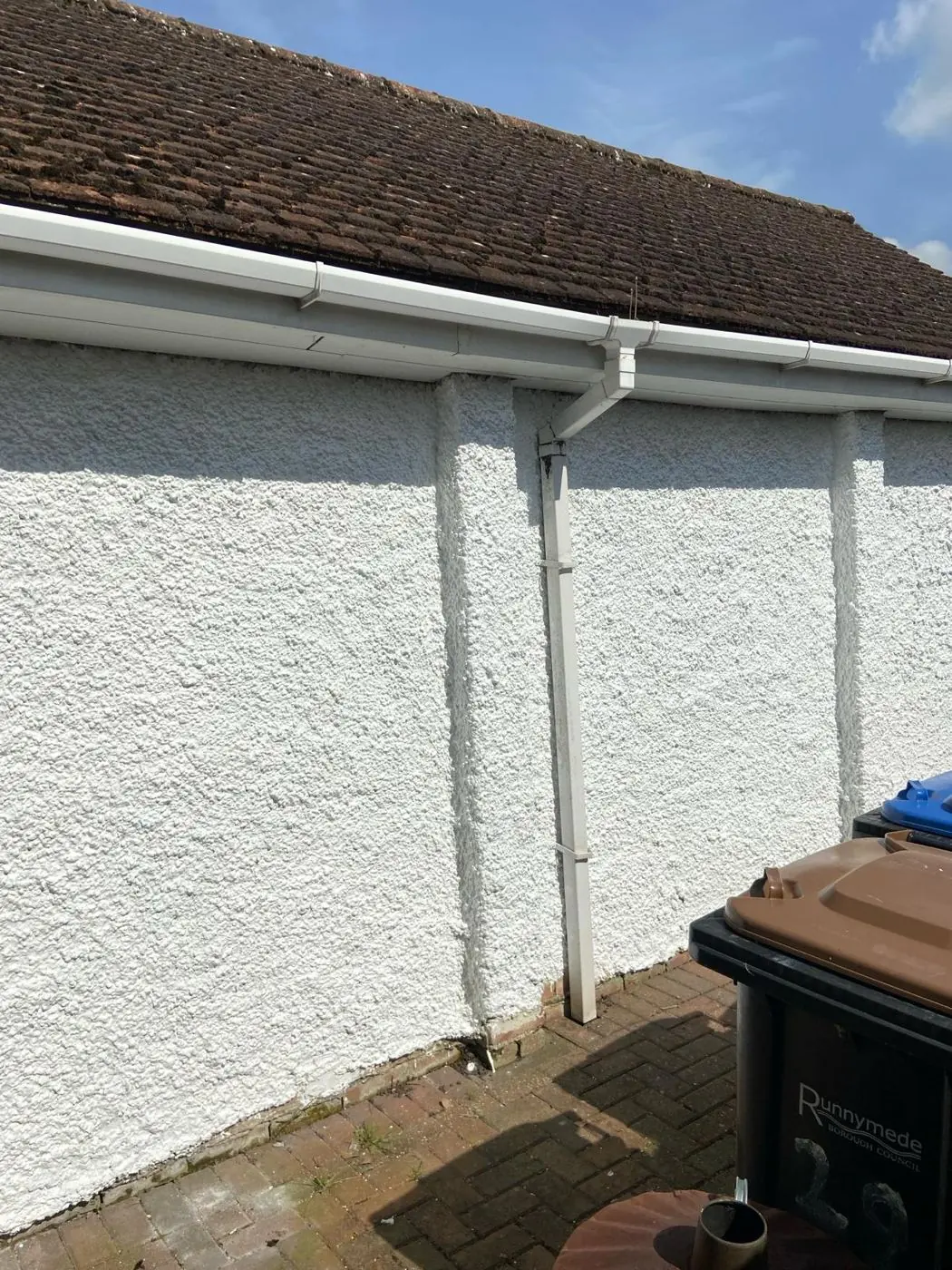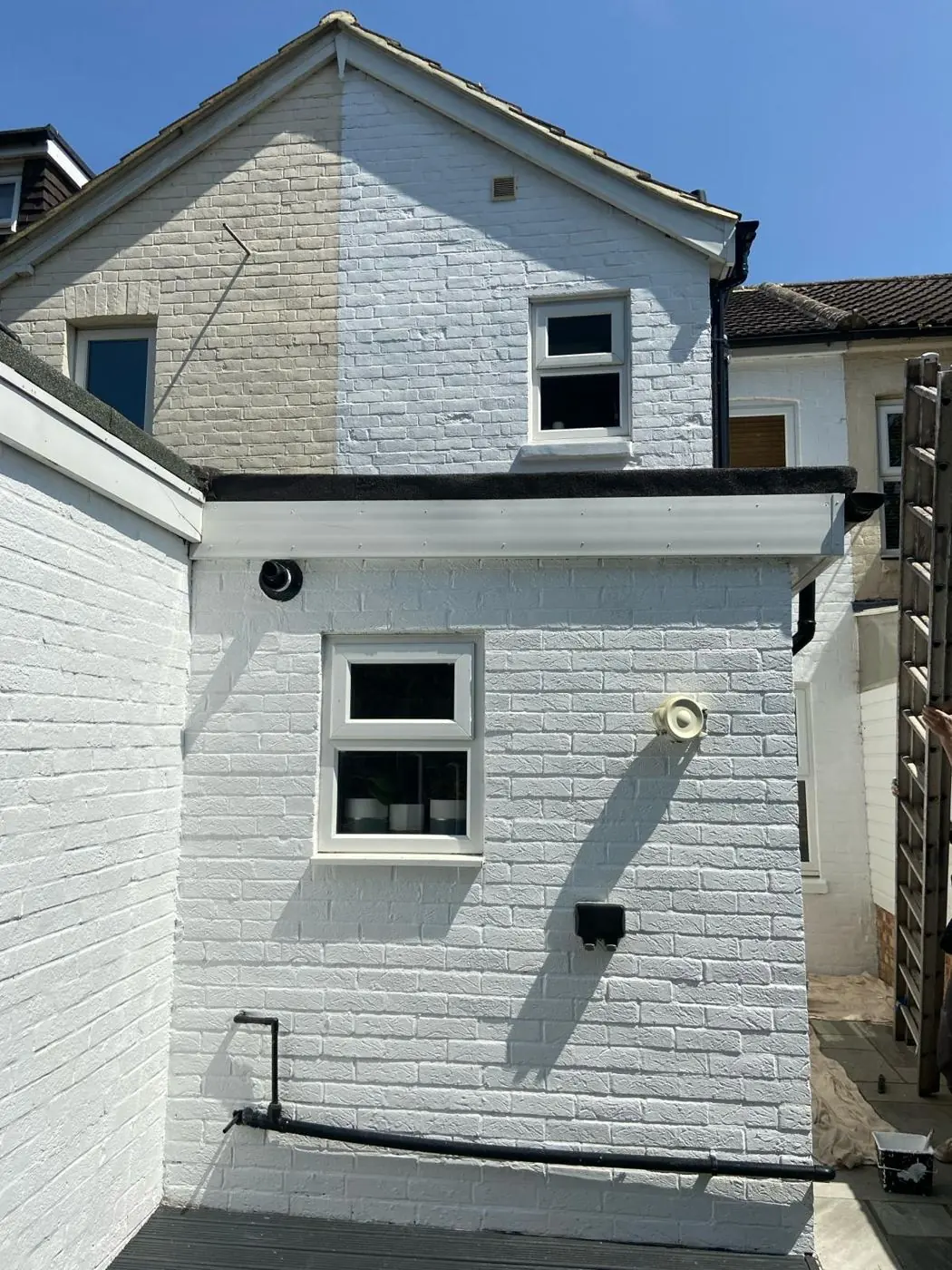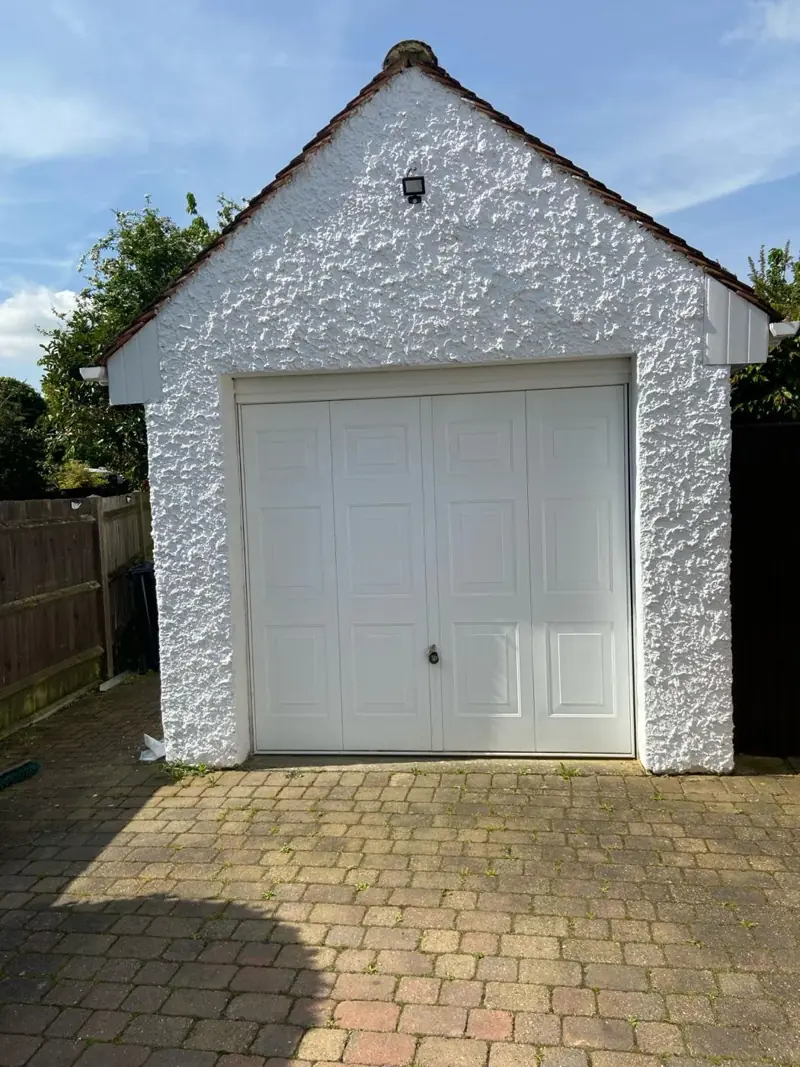
Dean paints render and masonry in Kislingbury, NN7, working out of Northampton, 3.6 miles to the east. In this village the first question is whether a wall should be painted at all, because most of the historic core is bare ironstone that needs to stay breathable.
A village where most walls should stay bare
Kislingbury is built largely of coursed squared ironstone, with some ironstone ashlar fronts and, at the mill, softer Northampton sandstone. That stone was never meant to carry a film of paint. It takes in moisture and gives it back, and a modern acrylic masonry paint stops the giving back. The result on old stone is trapped damp, spalling faces and paint blistering off in sheets, usually on the side that gets the least sun.
So on the historic core, a render and masonry visit can easily end with advice rather than a quote: leave the stone alone, deal with the pointing or gutter that is letting water in, and spend the money on the joinery instead. We would rather say that than sell a coating that harms a listed wall.
Rendered plinths, quoins and patches on old stone
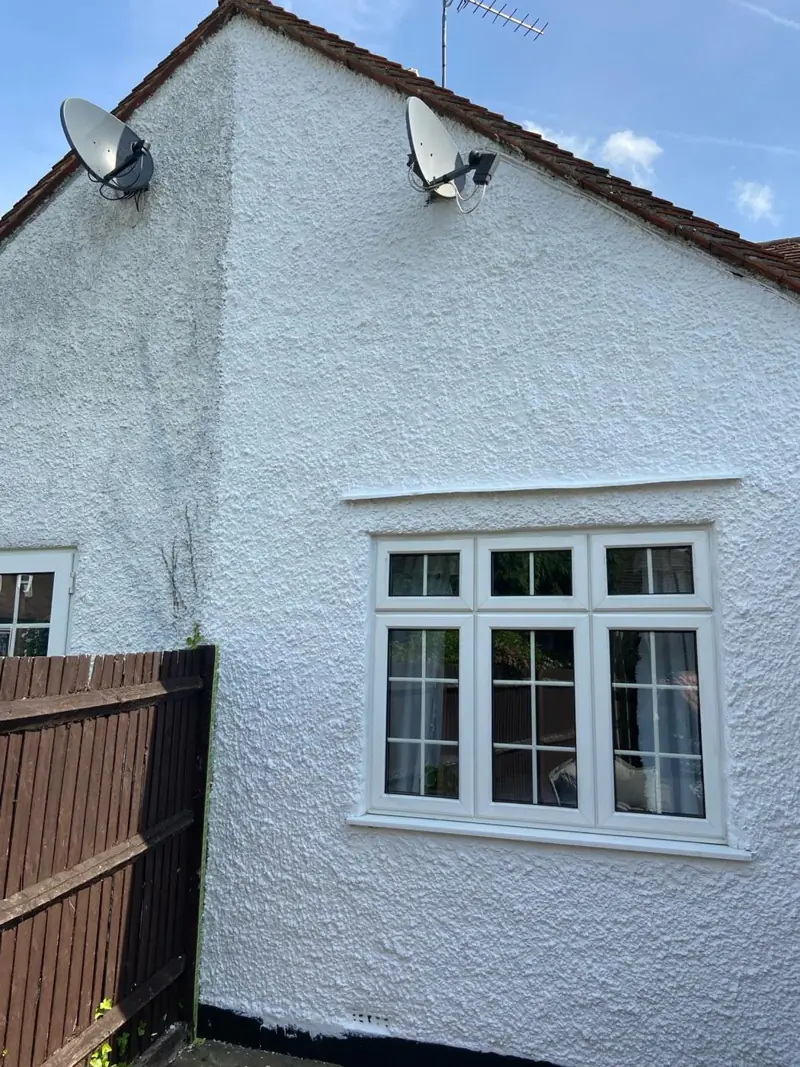
Where render does exist on the older buildings, it tends to be in particular places. Warwick House on Mill Road, for example, has a rendered plinth and quoins on its ironstone. A plinth sits right where ground damp and rain splash meet, which makes it the worst possible spot for a non-breathable paint.
On these details we use vapour-permeable mineral or limewash-compatible coatings that let the wall below dry through. Preparation is gentle: brush down, remove loose material by hand, and leave sound old coatings where taking them off would damage the surface. On a listed building, a change of colour or of paint type may need listed building consent, so we check the existing finish first and talk you through what the council is likely to want to see.
Low ground, the 1998 flood and wet walls
The village sits on gravel at about 66 metres in the low Nene valley, and the river along its northern edge often floods. In 1998 a serious flood damaged several houses. Low-level masonry near the water can stay damp for long periods, and painting a wet wall only seals the problem in. Before any coating we look at:
- tide marks, salts and powdering at the base of the wall
- ground levels and paths banked up against the plinth
- gutters and downpipes discharging onto render
- whether a previous owner has used cement render or a plastic paint on stone
If an earlier impermeable coating is the cause, the honest answer may be to remove it over time rather than add another layer.
Later houses built for masonry paint
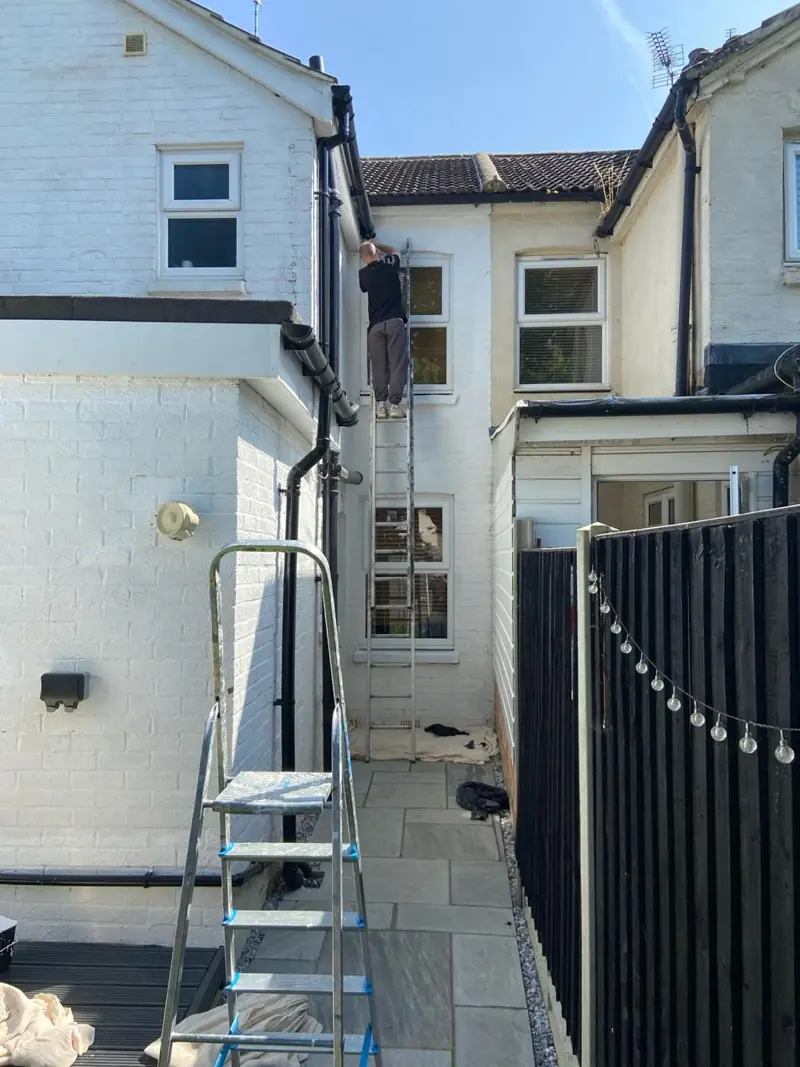
Away from The Green and Mill Road, the 20th-century and later houses around the core are a more conventional job. Where these have sand and cement render or painted brickwork, a quality breathable masonry paint over a clean, stabilised surface is the right answer. Valley damp and shade from garden walls encourage green algae on north-facing render, so a biocide wash and proper drying time come before the first coat.
Our render and masonry painting page sets out the full method, and the guide to painting render and roughcast covers products in more depth. The Kislingbury page covers the village as a whole.
Getting scaffold near a lane wall
Many older properties stand close to the lane with stone boundary walls each side, on Church Lane, Starmers Lane, Hodges Lane and School Lane. A full-height render job may need a tower or scaffold, and the footprint has to fit between the house and the wall without blocking the lane. We measure that up on the first visit, along with where the van can stand.
Last updated by Dean, DH Painter & Decorator.