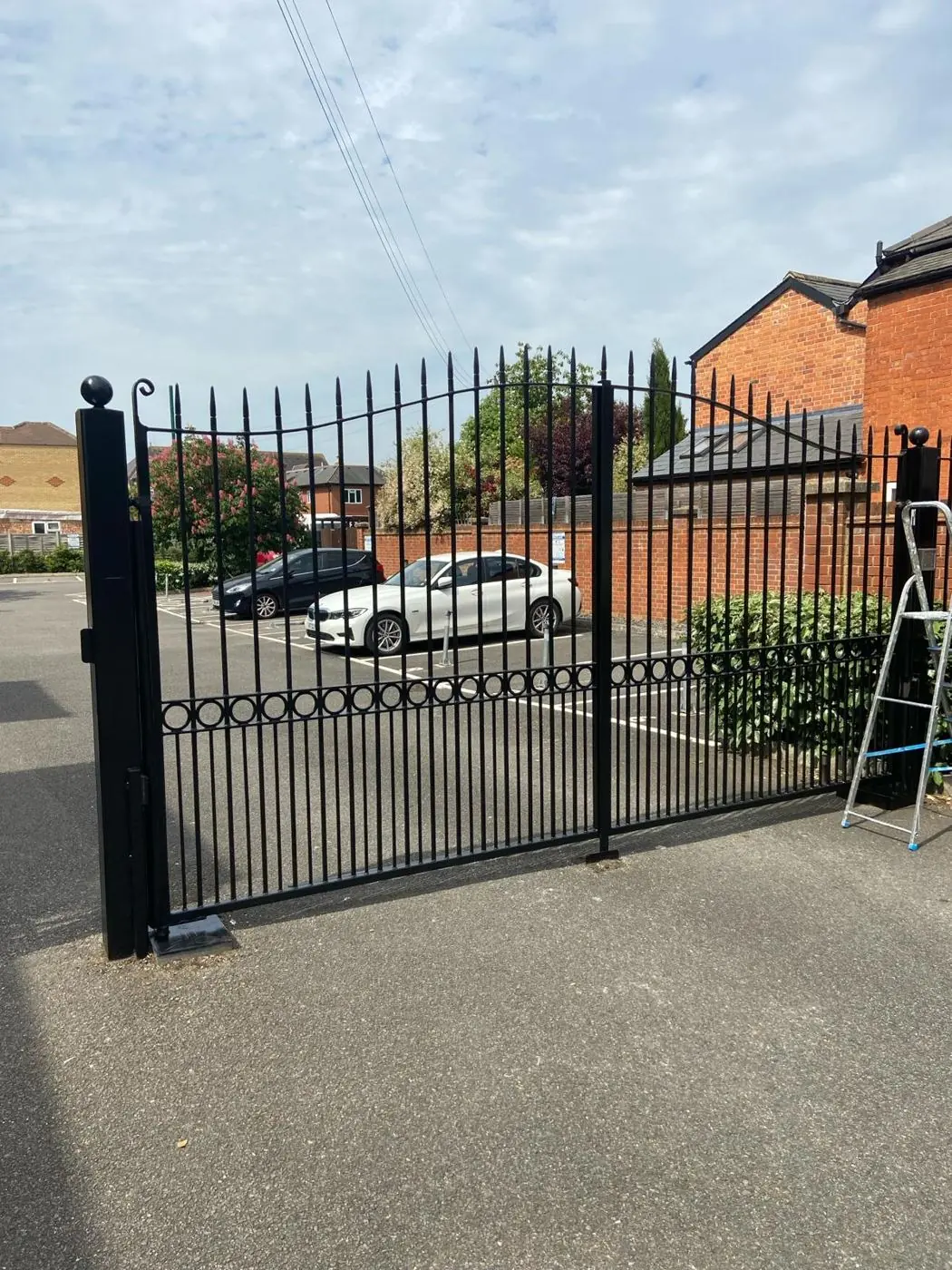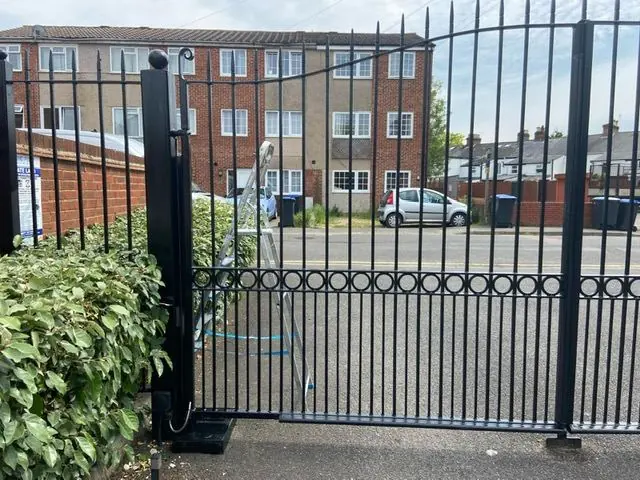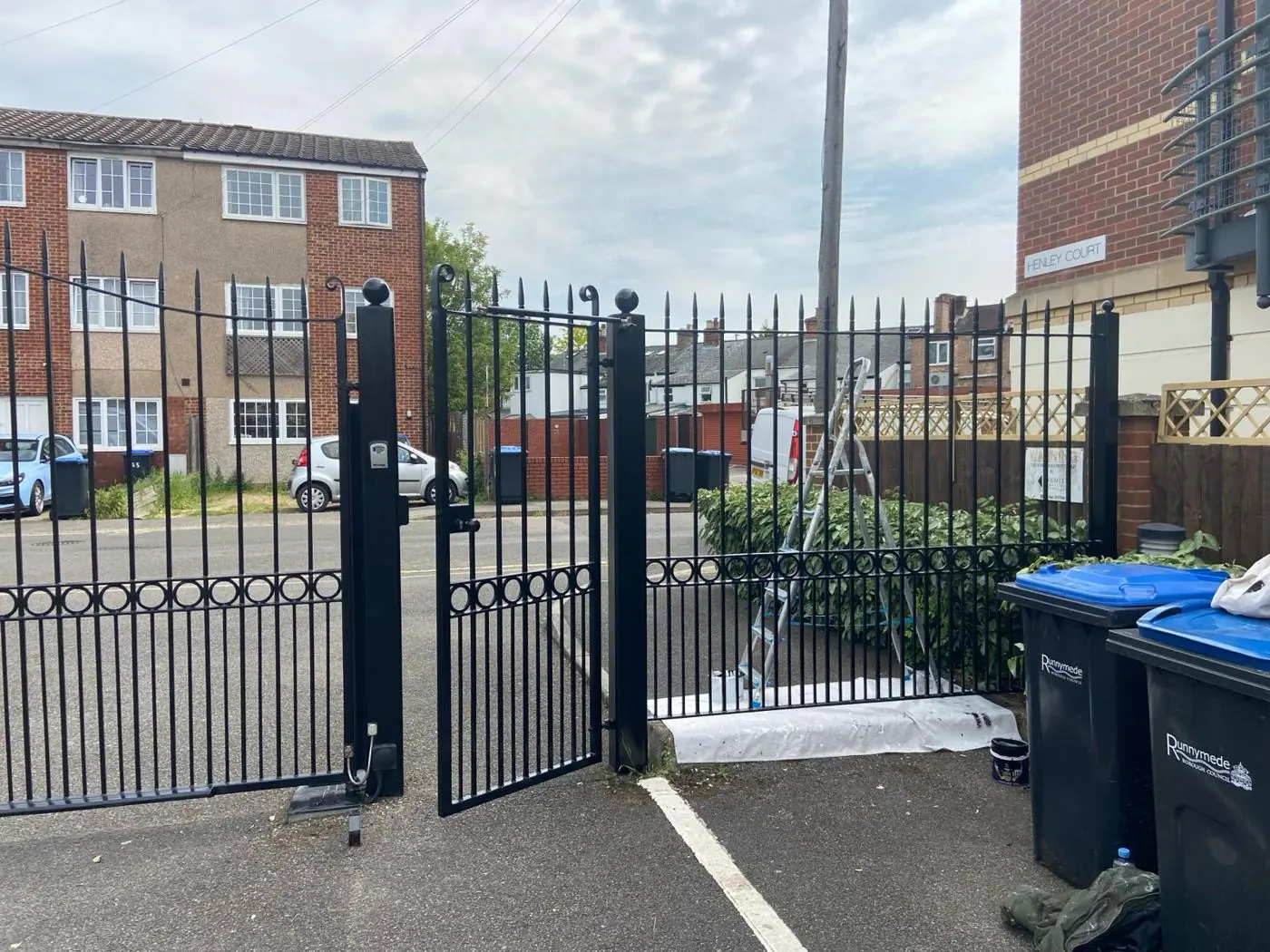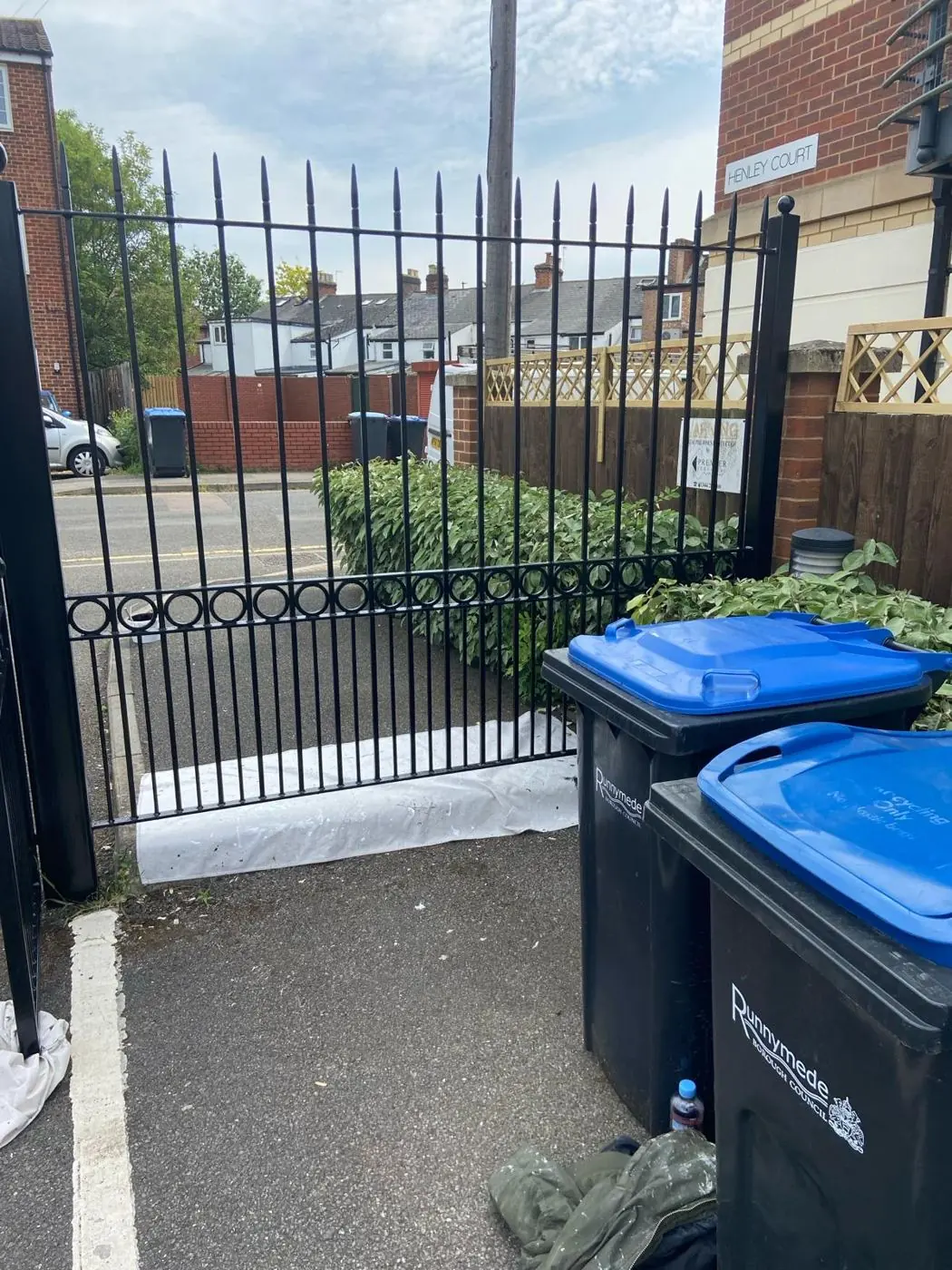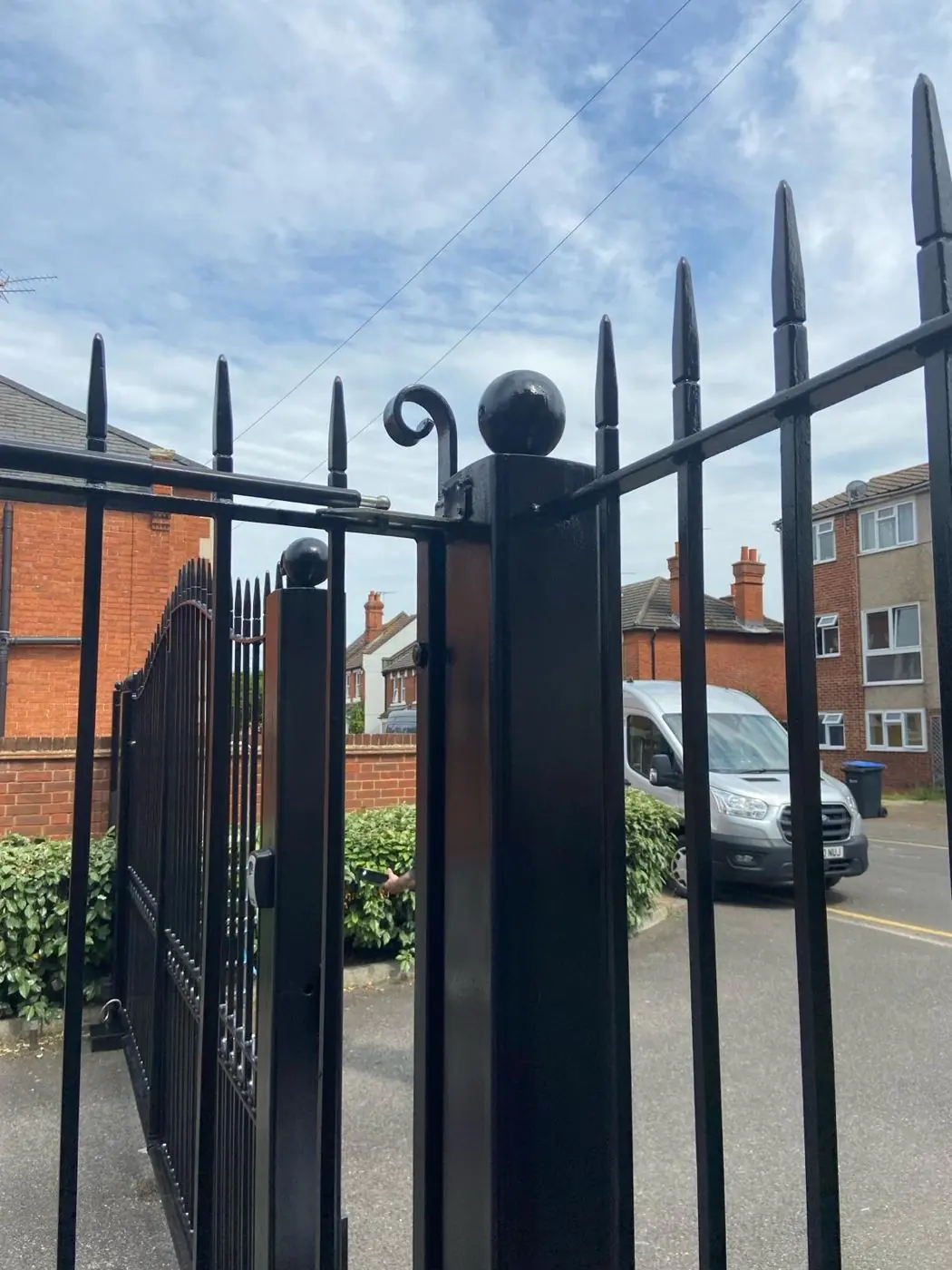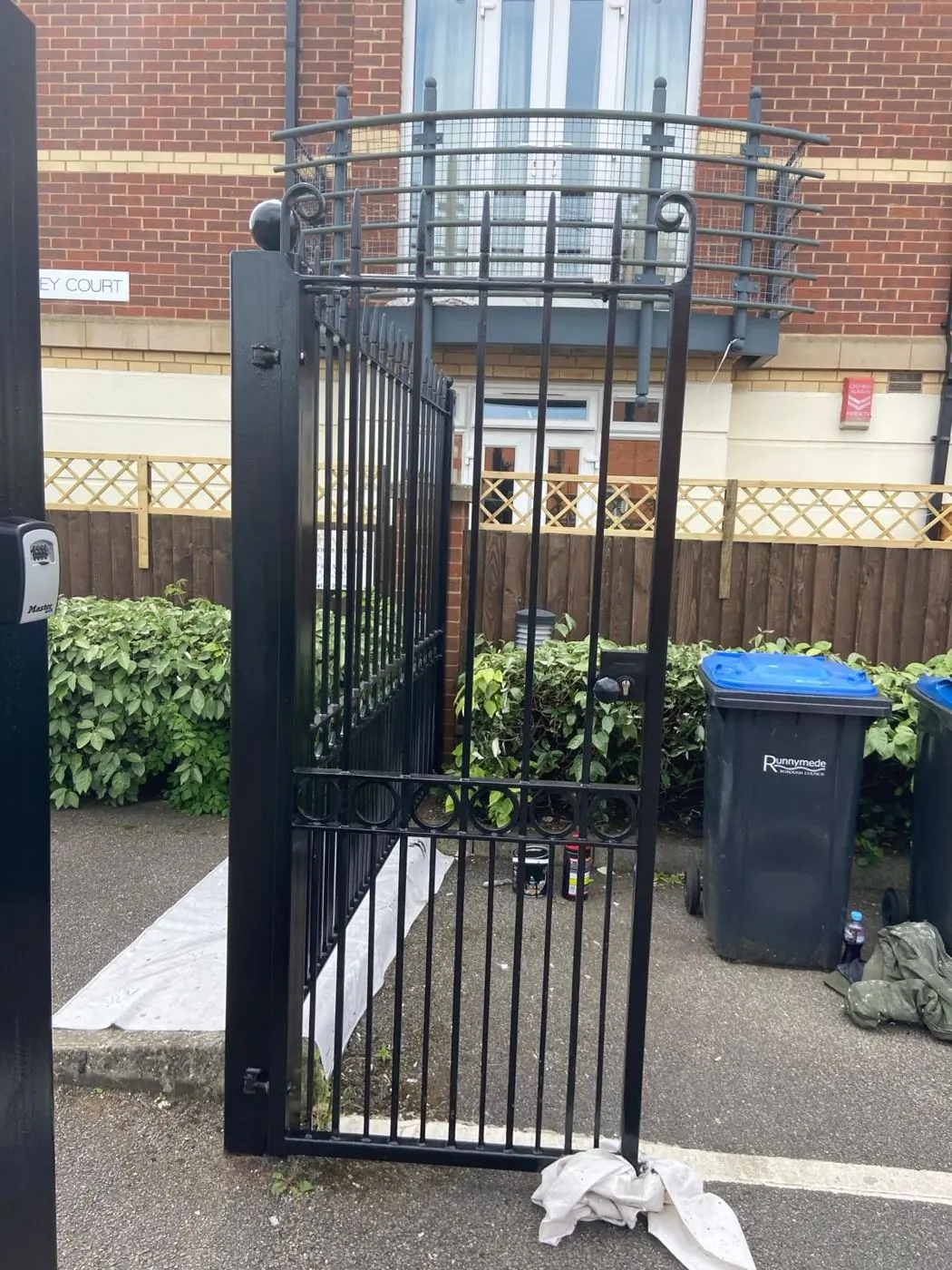
DH Painter & Decorator repaints metal gates and railings in Little Billing, NN3, about 3.2 miles east of Northampton town centre. Most of the work is domestic gates on the later closes, while any ironwork around Church Lane's listed buildings is treated with conservation in mind.
A small amount of ironwork, in two very different settings
Little Billing is not a place of long railed frontages. The old village was tiny, recorded in 1931 with a population of just 83, and the listing descriptions for its cottages say nothing about iron railings, so we do not assume any. What metalwork there is tends to fall into two groups: household gates on the later closes, and any older gates or ironwork around All Saints church and the Old Rectory on Church Lane.
Church Lane ironwork and listed curtilage
All Saints is a Grade II* church, largely 14th century, and it forms a listed group with the Old Rectory on Church Lane. Gates, railings or boundary ironwork attached to or within the grounds of a listed building can be protected as part of its curtilage. In practice that means a like-for-like repaint in the existing colour is usually routine maintenance, but a change of colour, stripping to bare metal by blasting or swapping old ironwork for new may need listed building consent. We would check with West Northamptonshire Council’s conservation officer first.
Any old wrought or cast iron near the church would also need gentle handling. Cast iron is brittle, so heavy hammering or aggressive mechanical stripping can crack a finial or a decorative panel. We take loose rust and paint back by hand with scrapers and wire brushes, treat the sound metal with a rust-inhibiting primer and build up the finish in brushed coats. If old layers might contain lead, we keep dust to a minimum and wet the work where possible.
Side gates and driveway gates on the closes
On streets such as Codlin Close, Pippin Lane and Pear Tree Close, the metal gates we would expect to see are mild steel side gates or fabricated driveway gates. Mild steel rusts fast once the coating breaks, typically along the bottom rail, around hinges and where the latch is handled. A galvanised gate is a different case: plain paint will not stick to fresh zinc, so it needs a primer made for galvanised steel.
We check which metal you have, take rust back to firm metal, prime any bare patches straight away so they do not flash-rust, then apply a durable top coat. Hinges are cleaned and the gate is propped so wet paint does not seal it to the post.
Colour on the closes is your choice, since no conservation area or Article 4 direction covers them. Black remains the common pick for gates, but a dark green or grey can sit better beside timber fences and planting. If you are also having the front door or garage repainted, we can match the gate to it so the frontage reads as one.
Damp air near the brook
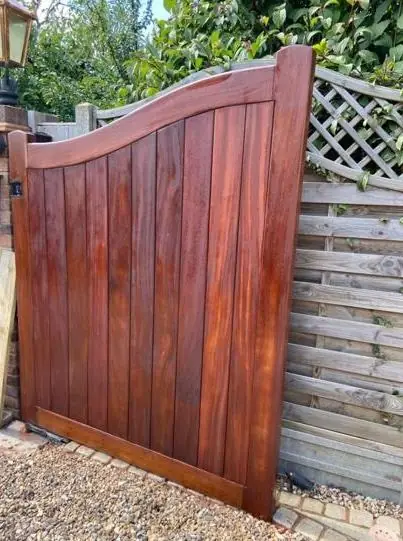
Homes on the brook side of Valley Road back onto the woodland, brook and Watker’s Lake in the pocket park, so gates and garden metalwork there stay damp for longer after rain. Condensation on cold metal on a misty morning can also ruin a fresh coat. We start these jobs once the metal is dry, often later in the morning, and avoid evenings when dew is likely. In damp corners a good primer coverage on every edge and weld matters more than an extra top coat.
See our metal gate and railing painting page for the full process. For the wider village, visit the Little Billing area page.
Last updated by Dean, DH Painter & Decorator.