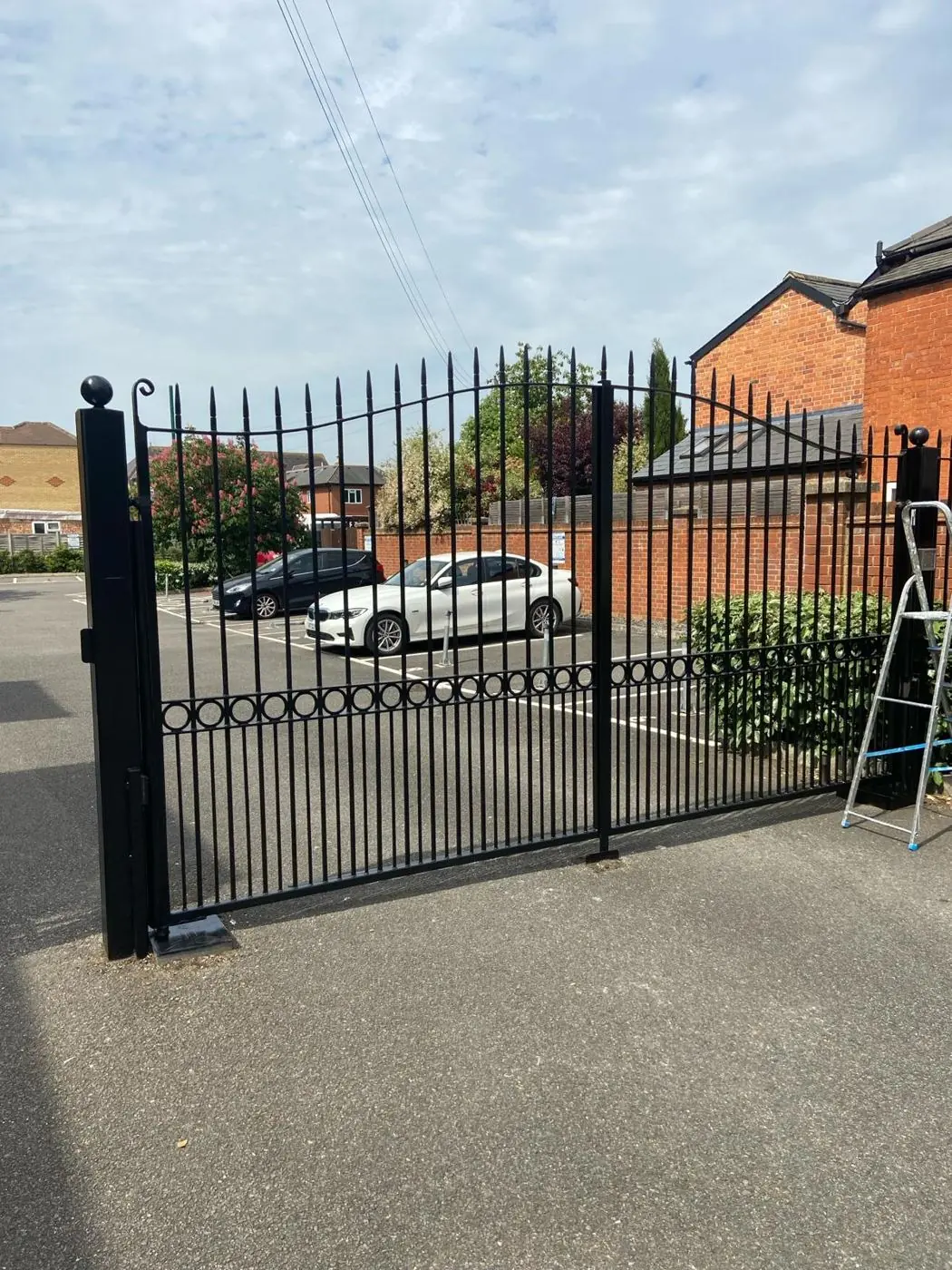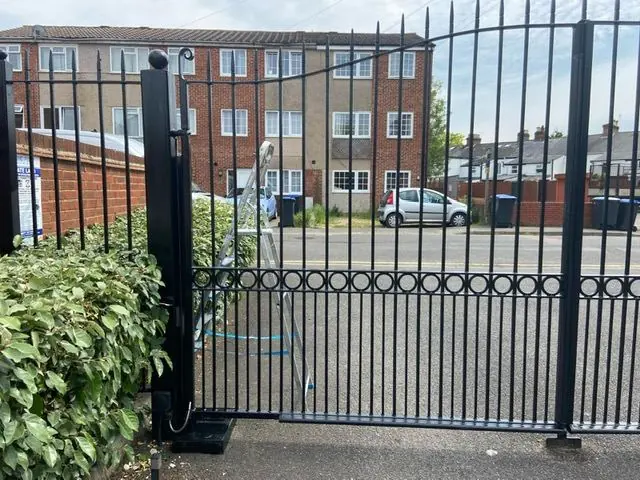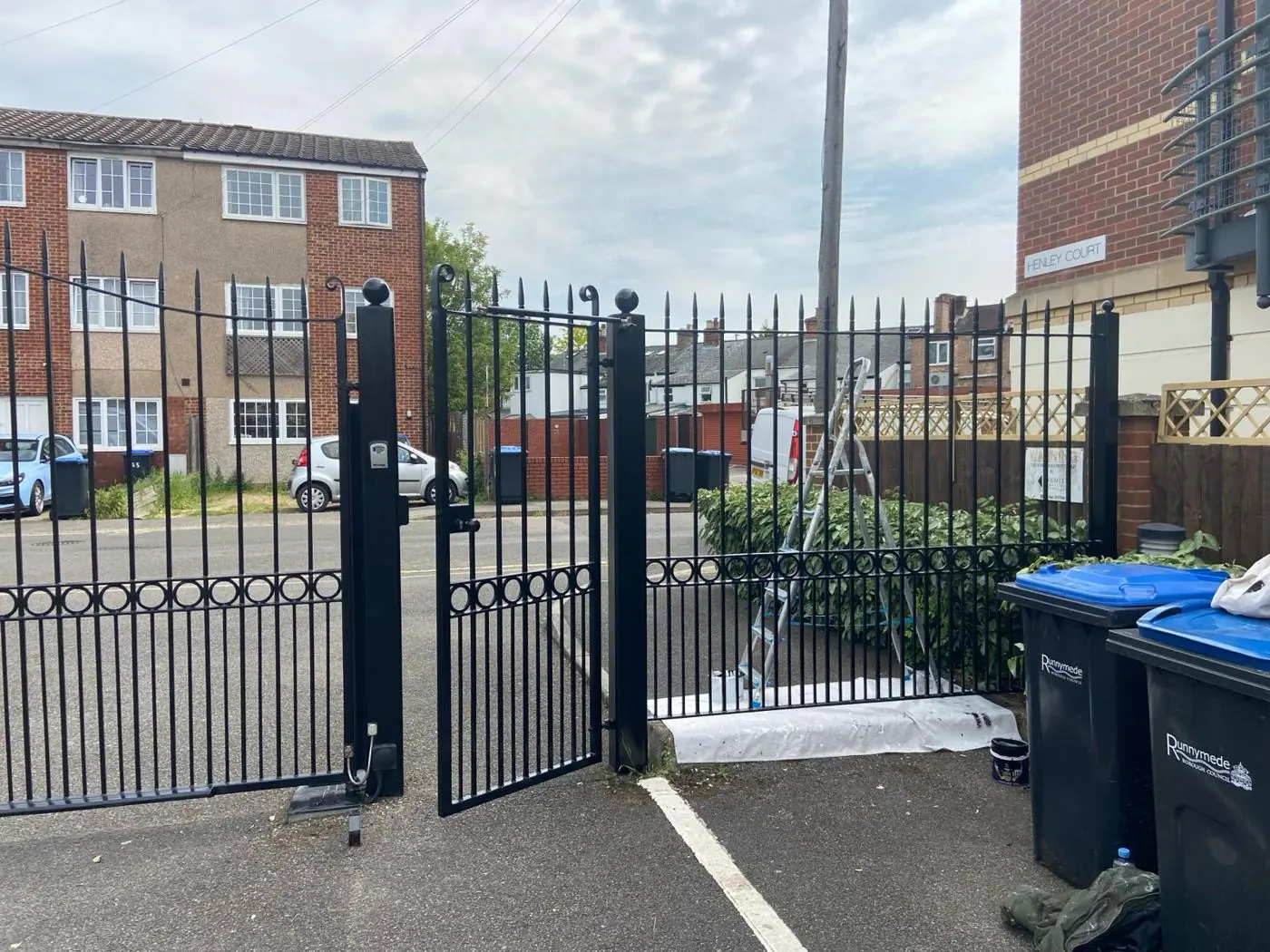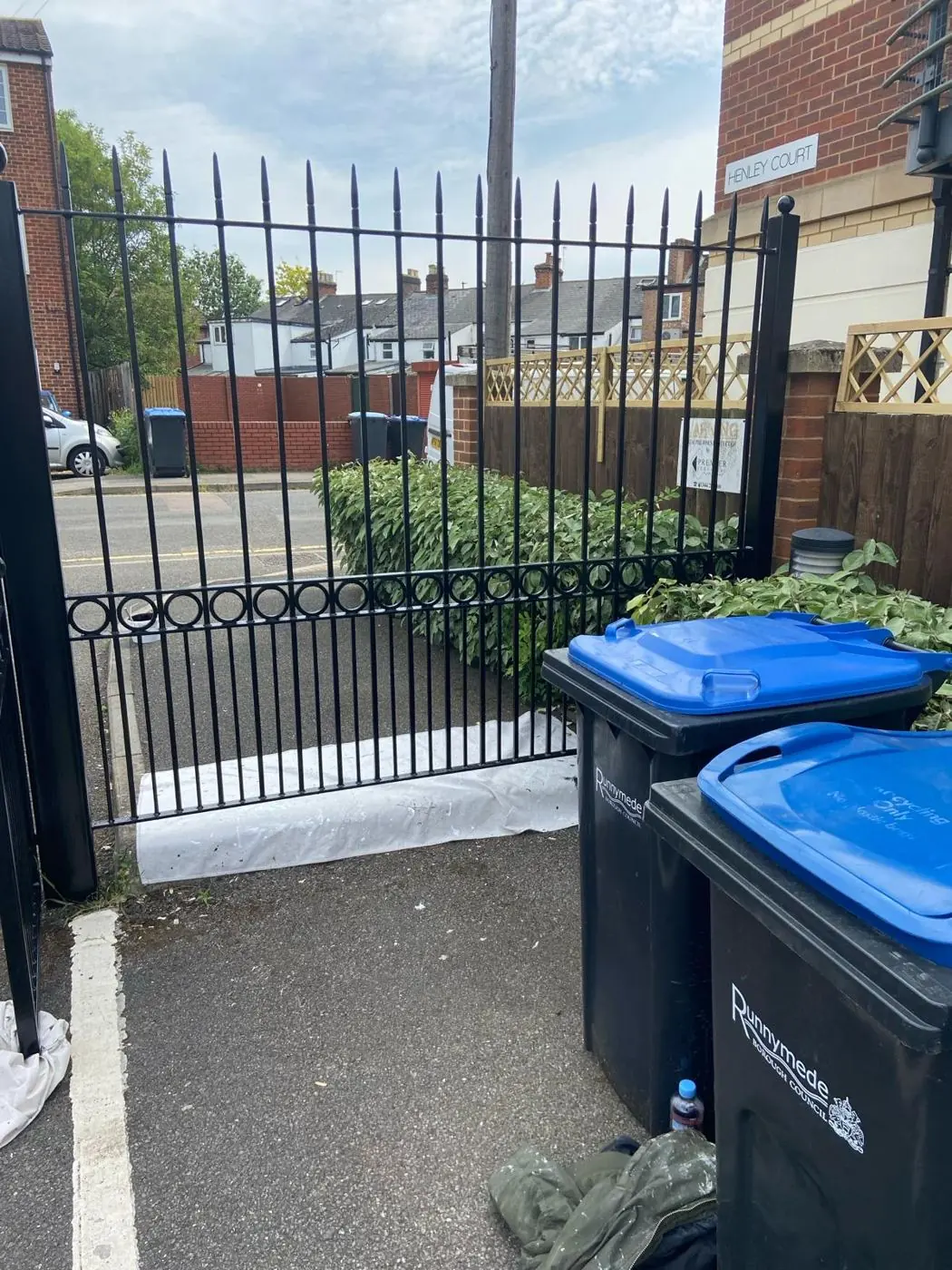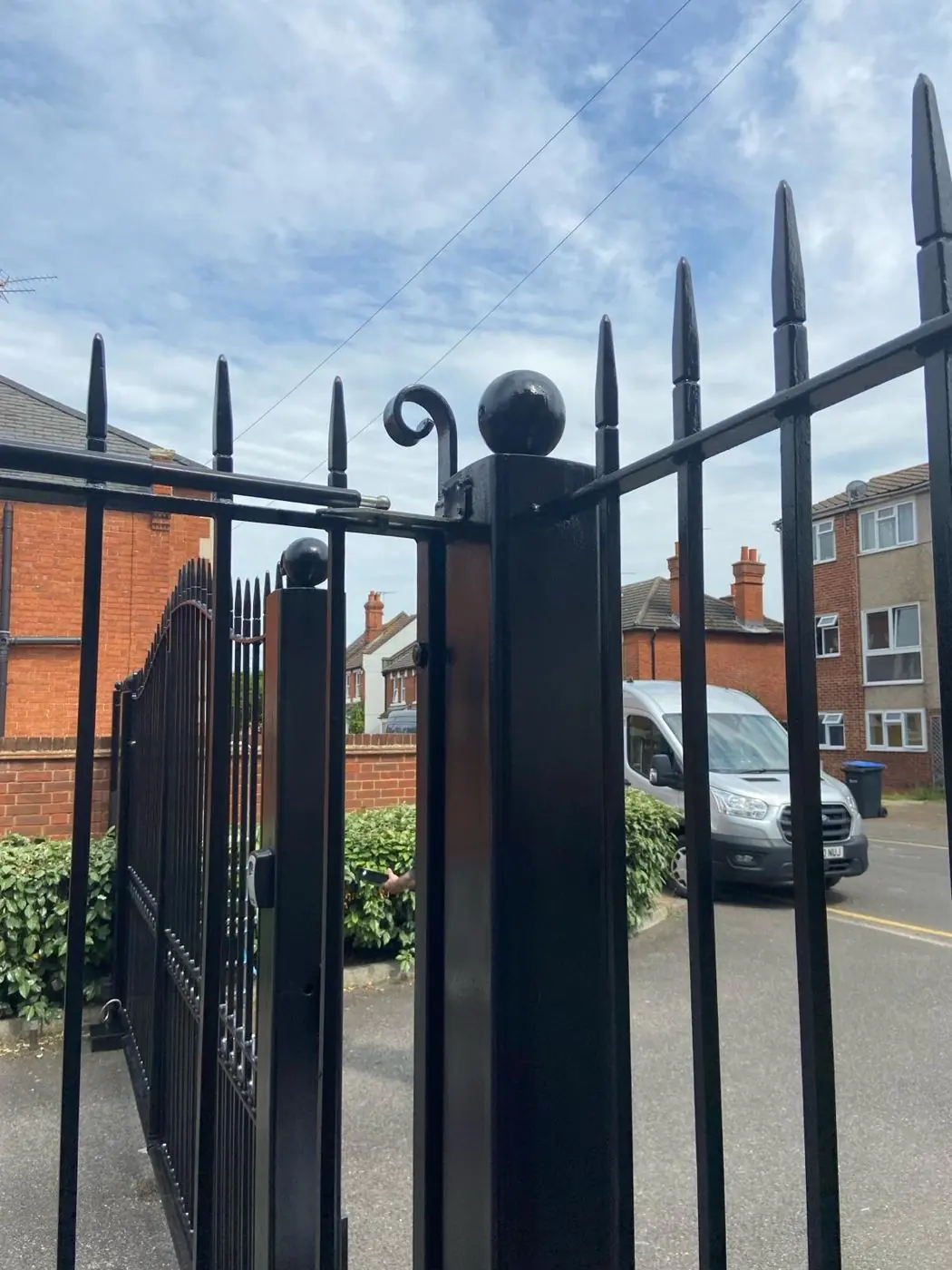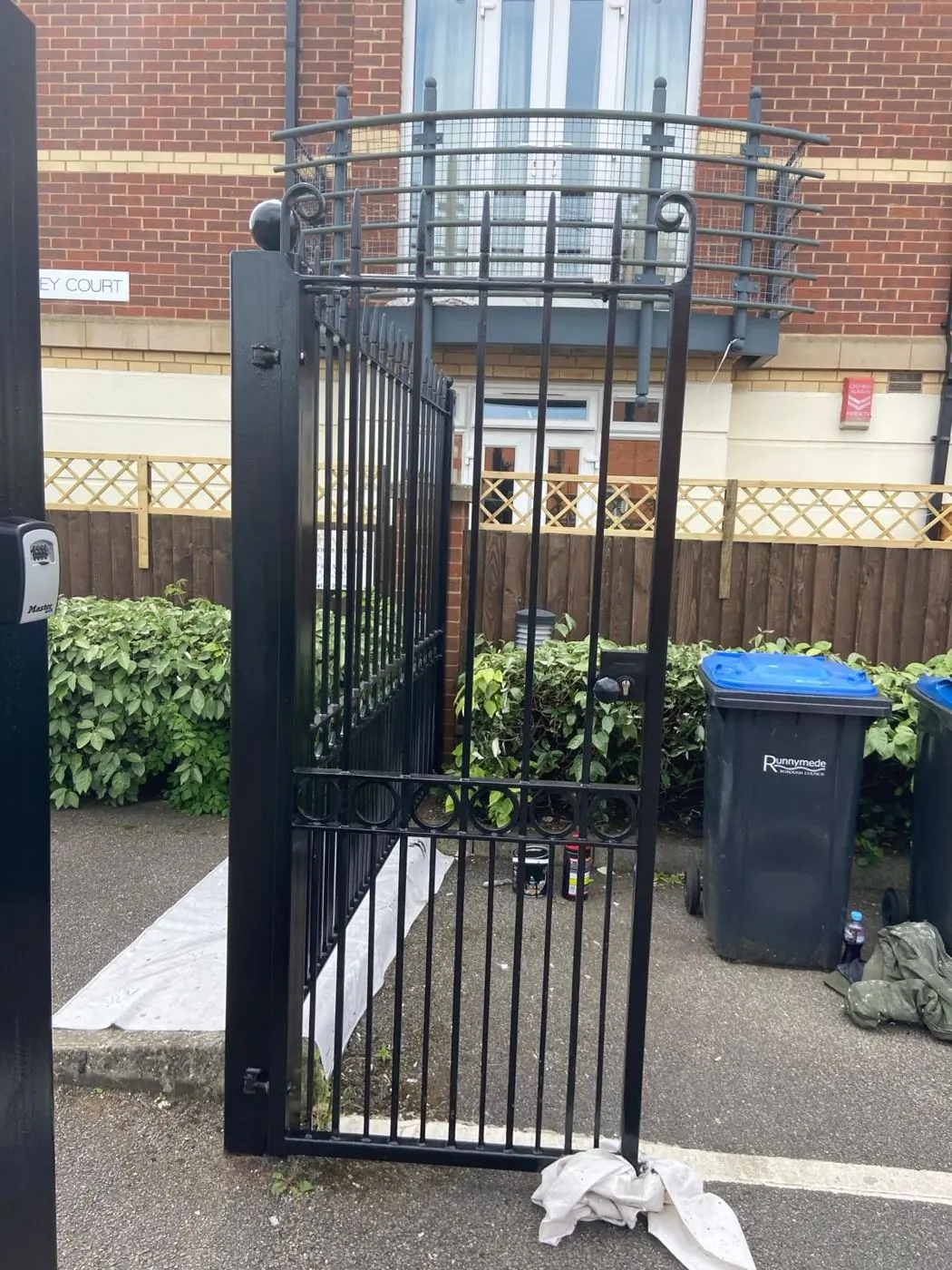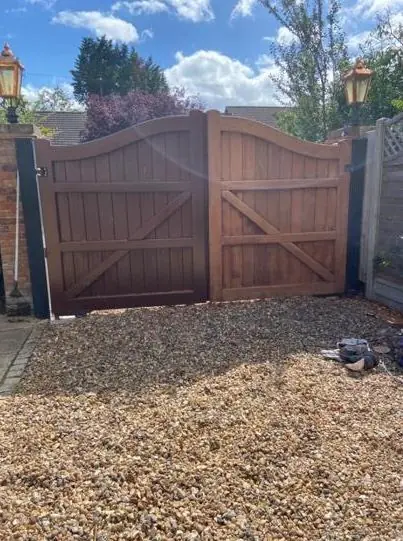
DH Painter & Decorator repaints metal gates, railings and grilles in Weston Favell, NN3, 2.9 miles north-east of Northampton town centre. In the conservation area that is old ironwork fixed into limestone walls and copings, and in the suburbs it is steel driveway and side gates.
Ironwork the village appraisal picks out
The council’s 2010 appraisal of the Weston Favell conservation area pays close attention to metalwork. The cemetery west of Church Way, which the appraisal calls the main green space in the conservation area, sits behind stone walls with metal railings, and the appraisal describes those railings as poor quality. It also notes a cast-iron boundary marker on Church Way as a local detail to keep, and the former Wesleyan Chapel of 1853 on High Street has grilles over its lancet windows. Beyond those, metal gates are hung in stone boundary walls around the village.
If you own a property with railings, a gate or grilles like these, they are worth looking after before the rust gets into the stone. Where ironwork belongs to the church, the cemetery or the council, the owner decides what happens to it. We can quote for the painting if they ask, but we do not touch anything without that go-ahead.
Rust where iron meets limestone
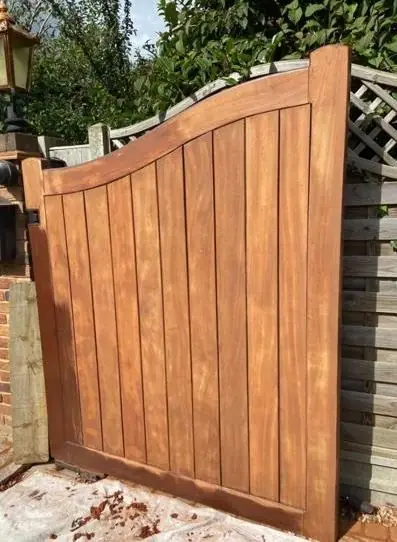
Old railings and gate hinges set in a stone wall are usually fixed straight into it, either leaded into holes in a coping or built into the wall. When water gets in around the base of a bar, the iron rusts and swells. Rust takes up more room than the metal it came from, and that pressure is what cracks copings and splits stones around hinge pins. By the time you see orange staining running down the wall, the corrosion has usually been working for a while.
We pay most attention to those junctions. Loose scale and flaking paint come off with scrapers and wire brushes, by hand near the stone rather than with aggressive power tools that can chip soft limestone. Bare metal gets a rust-inhibiting primer straight away so it cannot flash-rust, and the base of each bar is sealed so water runs off rather than sitting in the hole. Badly wasted bars or a split coping need a blacksmith or a mason, and we will say so rather than painting over the problem.
Keeping paint and rust off the stone
Limestone is porous. A drip of black gloss or a smear of rust primer soaks in and stays, and you cannot repaint stone in the conservation area to hide it. Before we start we mask the coping and the wall face around each fixing, lay sheets along the base of the run, and use a brush rather than spraying. Rust stains already on the stone from years of run-off should go to a specialist stone cleaner, and we will not scrub at them with anything that could damage the surface.
On the narrower stretch of Church Way, where the road closes in between high stone walls by the church, we keep our kit close to the wall line and our working area tidy for passing traffic.
Black, dark green and the suburban gates
For railings and gates in the old village, a traditional black or very dark finish suits the limestone and the village’s muted palette. We normally use a satin or semi-gloss rather than a high gloss, which looks too modern on old cast and wrought iron. Dark green or dark grey can also suit some houses. Where ironwork belongs to a listed building, a dramatic colour change is one to check first.
Outside the conservation area, the semis and detached houses on streets such as Park Way and Graspin Lane may have mild steel or galvanised driveway and side gates. Galvanised steel needs a specialist primer before any paint will stick, which is the most common reason a DIY coat on a new gate peels off. The full process for each metal type is on our main metal gate and railing painting page.
Last updated by Dean, DH Painter & Decorator.