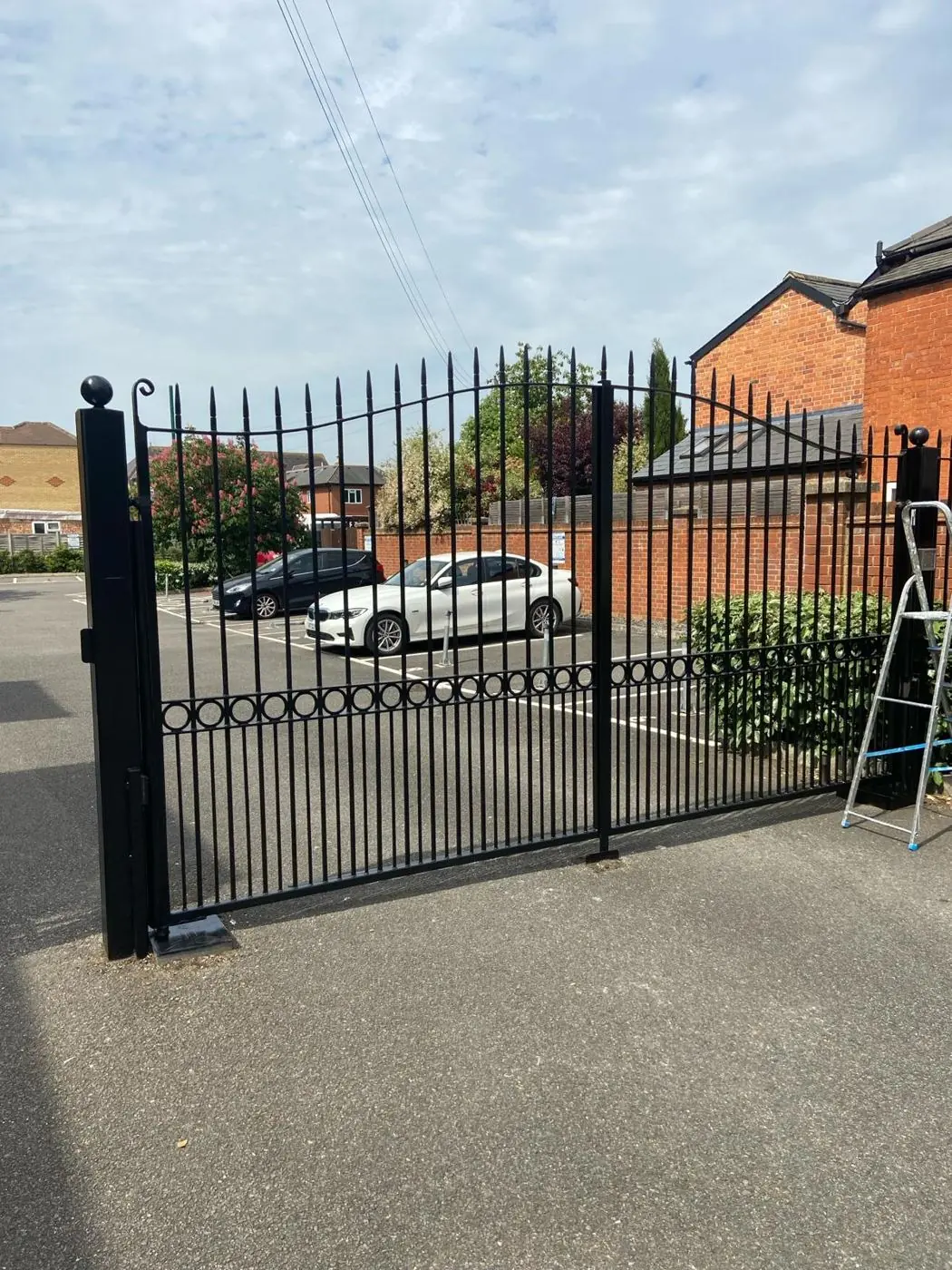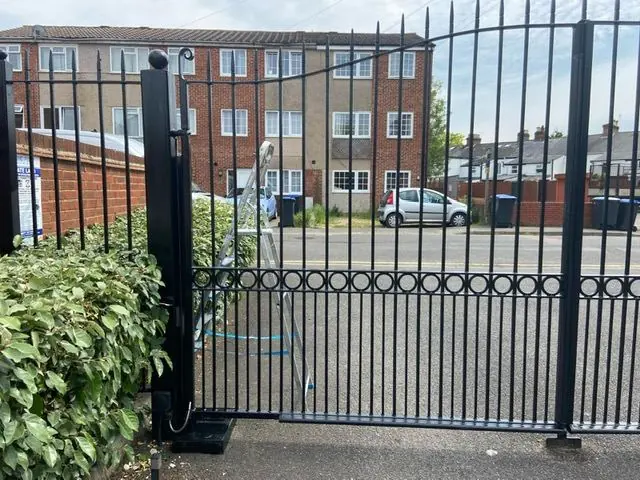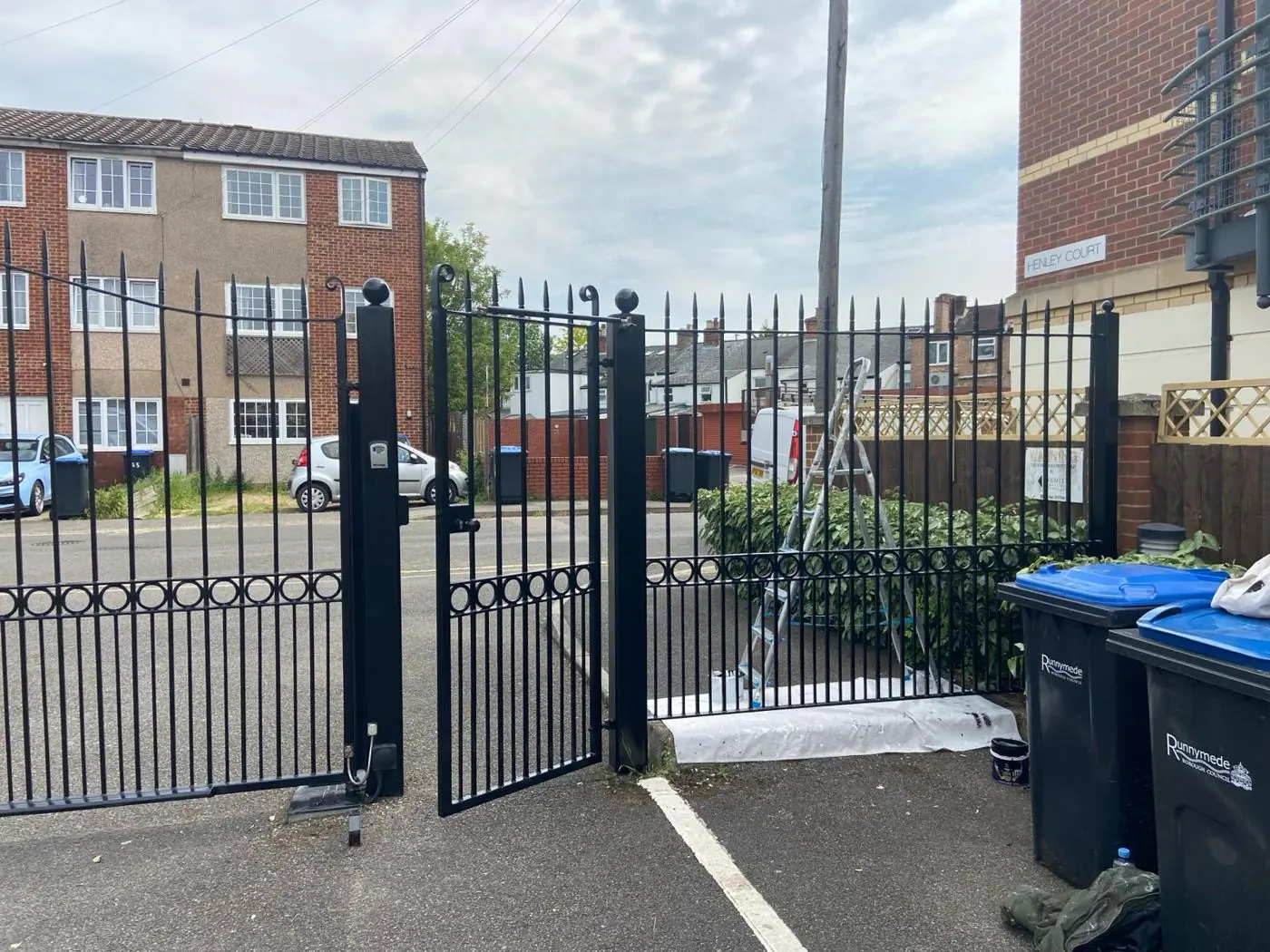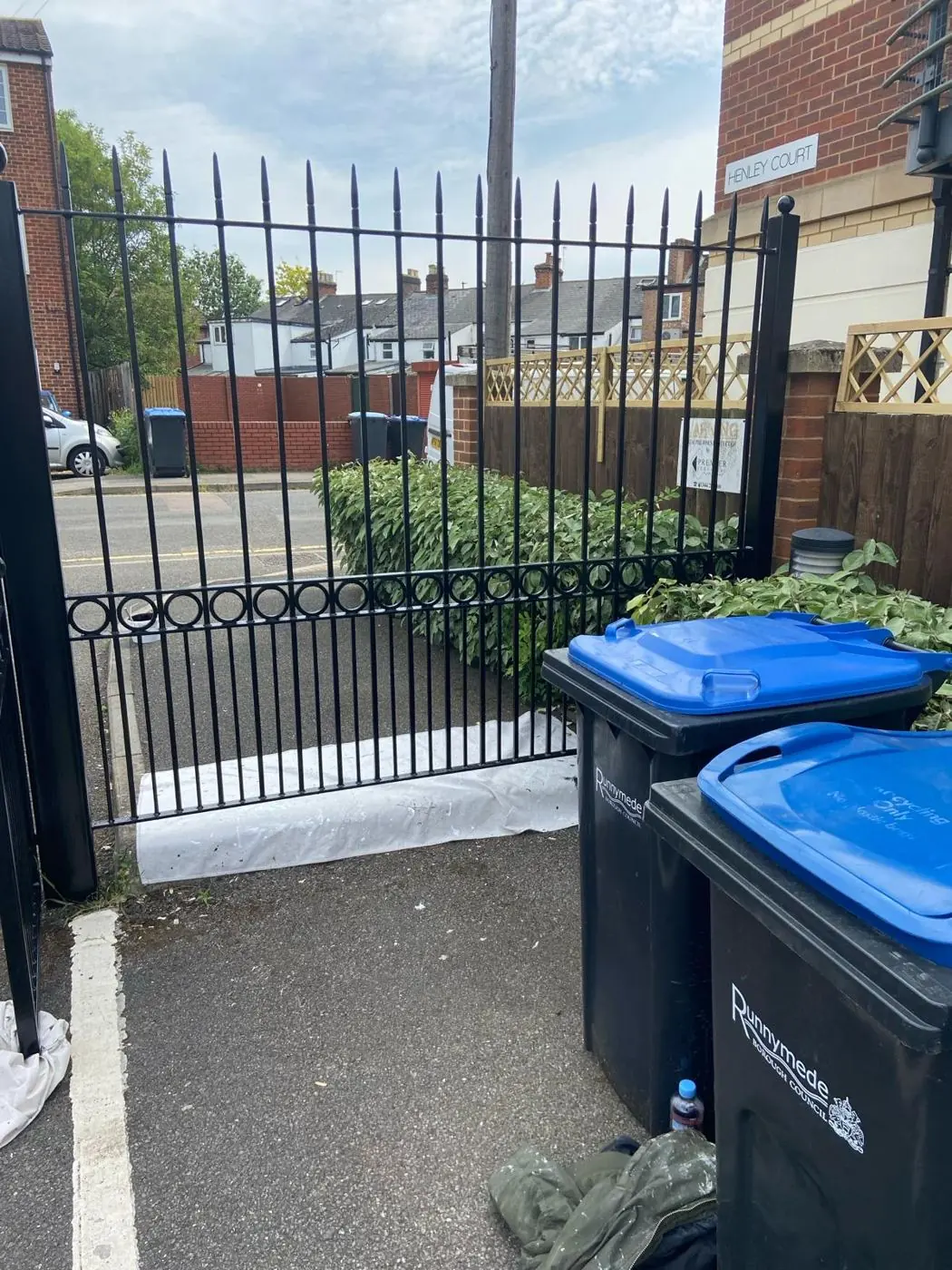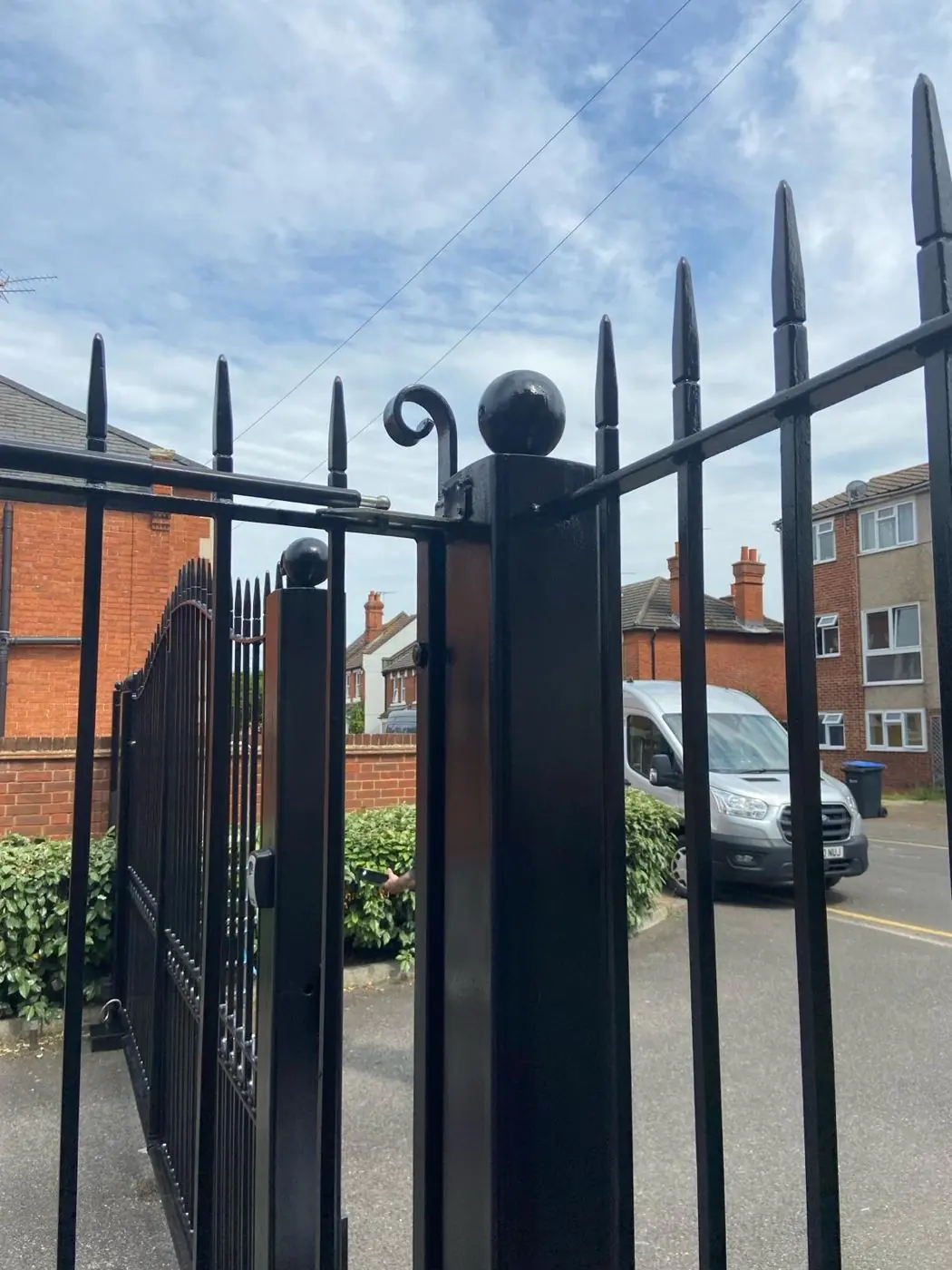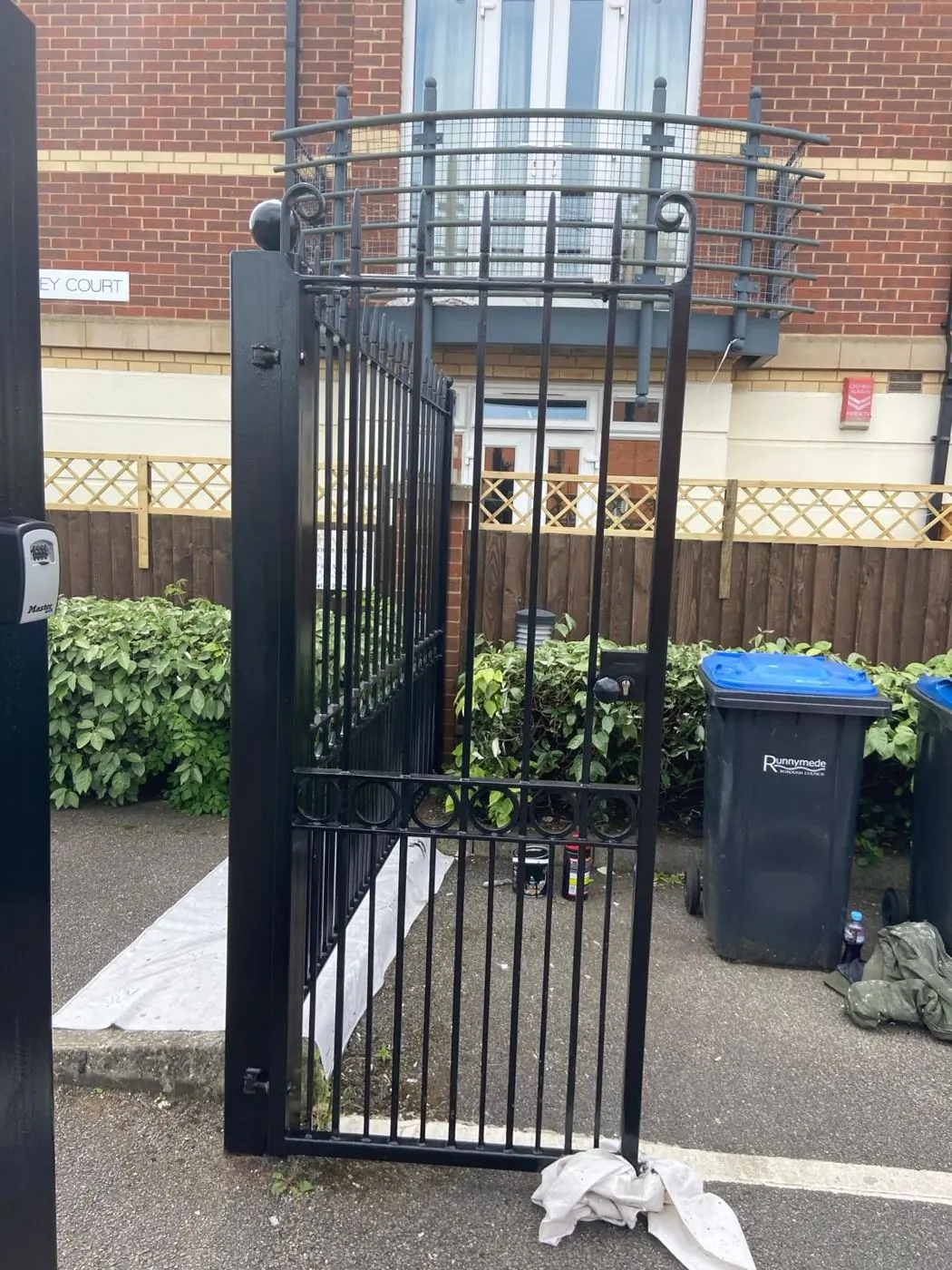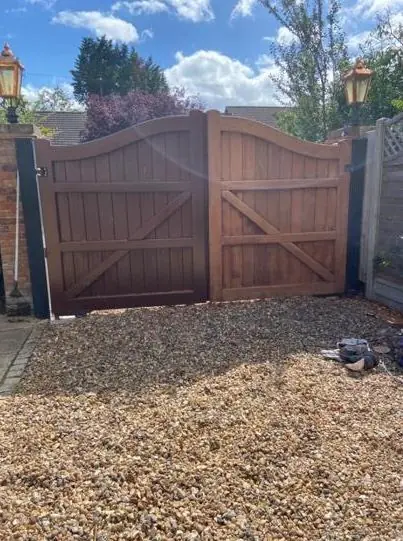
DH Painter & Decorator cleans, stains and paints garden fences and timber gates in Little Billing, about 3.2 miles east of Northampton town centre. Dean pays particular attention to gardens on Valley Road and nearby closes that back onto the wooded Billing Brook corridor.
Back gardens that meet the woodland
Little Billing has an unusual garden boundary. Behind the houses on Valley Road, the back gardens run down to the Little Billing Pocket Park, a little over two acres of trees and grass beside Billing Brook, also known as the Washbrook. The brook widens into Watker’s Lake and drops over a weir before heading south towards Billing Aquadrome. For a fence, that setting means shade from mature trees, damp air off the water and a lot less drying sun than a boundary on an open estate.
Fences along that edge stay wet after rain, turn green on the shaded face and grow moss along the bottom rail. Stain put straight over that growth does not soak in properly and soon lifts or blotches. So on these boundaries, cleaning is half the job.
The woodland side also needs a little care during the work itself. The pocket park is a public green space, so we do not spray stain near the boundary where drift could reach the trees or the water, and we brush the face that looks onto the park instead. Rinse water from cleaning is kept out of the brook.
Cleaning and staining a damp, shaded fence
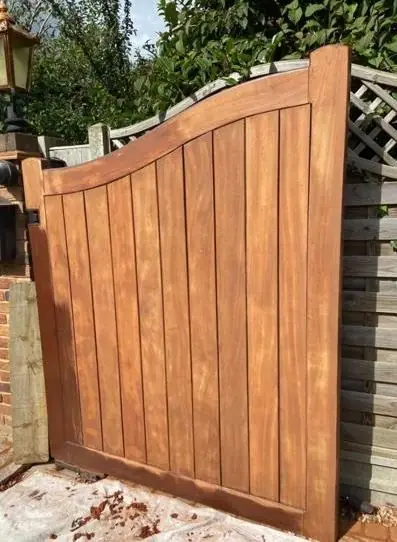
We start with a fungicidal wash on the panels, posts and gravel boards, leave it long enough to kill the growth, then scrub off what remains. The timber must then dry out. On a shaded fence by the brook that can take noticeably longer than on a sunny boundary, so we watch the forecast and test the wood rather than working to a fixed day.
For these conditions a penetrating, mould-resistant exterior wood stain usually suits better than a thick fence paint, because it soaks into the timber and wears gradually instead of forming a film that moisture can push off. Where a solid colour is wanted, we use a breathable opaque finish. Gravel boards and post bases that sit in damp ground get a generous extra coat on the end grain, since that is where water gets in first.
Timber lower down the slope
Little Billing sits on ground that falls south towards the Nene, and the low land near the river was historically crossed by small streams that overflowed in wet seasons. Gardens lower down the slope, nearer the brook, can stay wet for long spells. Raised beds, decking edges and gates at the foot of these gardens get a meter reading first. If the wood is too wet, we tell you and come back rather than seal moisture in.
Gates, closes and carrying materials in
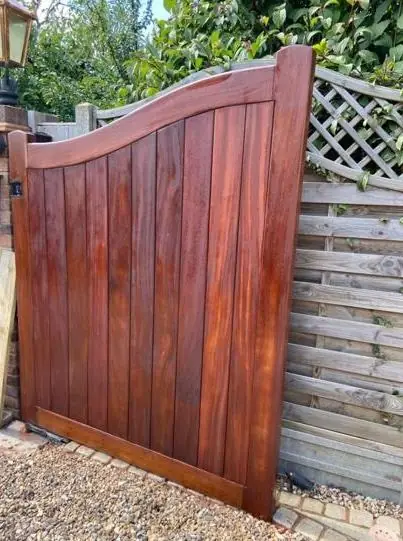
On the closes around the village, such as Pearmain Court, Home Farm Close and Russet Drive, a house with a timber side gate between it and the neighbour needs that gate treated as its own job. Gates need more than a quick coat: hinges and latches are masked or removed, the bottom rail and end grain get extra attention, and a sticking gate is eased before staining so the new finish is not rubbed off the first time it is opened. Where a plot has no rear access, stain and brushes come through the side gate or the house, and we keep paths and lawns sheeted as we go.
For details of fence types and finishes, see our fence and gate staining service. The Little Billing area page covers other painting in the village, and our exterior timing guide explains why spring and summer suit damp boundaries.
Last updated by Dean, DH Painter & Decorator.